
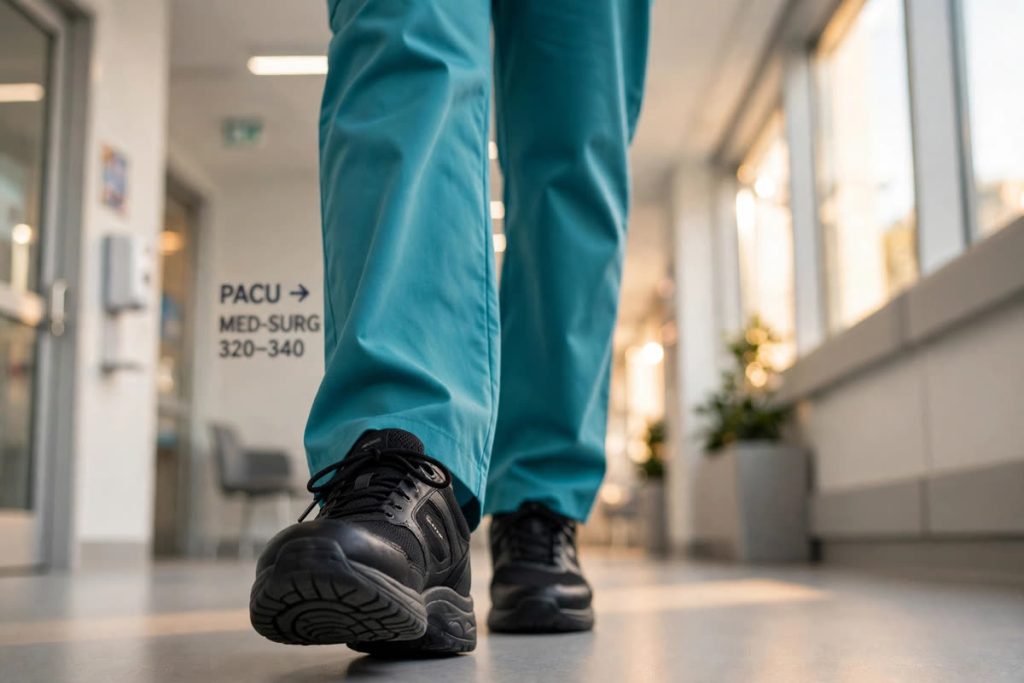
10 Best Shoes for Nurses on Their Feet All Day
Introduction to Our Best Shoes for Nurses Rankings for 2026
Nursing is one of the few jobs where your shoes are genuinely part of your equipment. A twelve hour shift means thousands of steps on hard hospital floors, long stretches of standing at a bedside, and the constant risk of a spilled IV bag turning a corridor into a slip hazard.Finding the best shoes for nurses is not about fashion or brand loyalty. It is about finishing a shift without aching arches, sore knees, or a near fall on a wet floor. This guide cuts through the noise with ten nursing shoes we would honestly recommend to someone starting a hospital job tomorrow.
We judged every pair the way a working nurse would. Slip resistance came first, because hospital floors are polished and spills are guaranteed. Then we looked at arch support and cushioning that actually lasts through hour ten, not just the first try-on. Cleanability mattered too, since fluids are part of the job and some shoes wipe clean while others absorb everything. FinalWe judged every pair the way a working nurse would. Slip resistance came first, because hospital floors are polished and spills are guaranteed. Then we looked at arch support and cushioning that actually lasts through hour ten, not just the first try-on.
Cleanability mattered too, since fluids are part of the job and some shoes wipe clean while others absorb everything. Finally we considered fit, including wide feet and feet that swell during a shift. No brand paid for placement. Whether you work the ER, the OR, or a quiet med-surg floor, these are the best shoes for nurses we would tell a friend to buy.ly we considered fit, including wide feet and feet that swell during a shift. No brand paid for placement. Whether you work the ER, the OR, or a quiet med-surg floor, these are the best shoes for nurses we would tell a friend to buy.
Table of Contents
1. Hawkwell Women’s Lightweight Slip Resistant Nursing Shoes

The Hawkwell slip resistant nursing shoe is the archetype of the modern hospital sneaker, and it earns the top spot by doing the basics exceptionally well. It is genuinely lightweight, which matters more than most first time buyers realize: over a twelve hour shift, every extra ounce multiplies into tired legs. The outsole is the real story, with a tread pattern built to grip polished hospital floors even when they are wet. For nurses who move constantly between patient rooms, this combination of low weight and confident traction is exactly what the best shoes for nurses should deliver.
Comfort is thoughtfully simple. The upper is a breathable knit that gives a little as your feet swell through the shift, and the cushioned insole softens those long standing stretches at the nurses station. Cleanup is painless, since the materials wipe down easily after a messy shift. The toe box runs roomy enough for most feet, and the overall fit is secure without pressure points, which is why this style shows up on so many hospital floors.
The honest trade off is support. This shoe cushions well but does not offer much structured arch support, so nurses with high arches or plantar fascia trouble may want an aftermarket insole. The styling is also plainly functional, and the cushioning will compress over months of daily use like any soft shoe. Still, as a dependable daily driver, it is hard to beat. Among the best shoes for nurses for all day wear, this Hawkwell is the safe, sensible first pick.
- Best for: Busy med-surg floors, long walking shifts, nurses who want light weight plus reliable grip.
- Fit note: Roomy toe box with a secure heel; true to size for most feet.
- Keep in mind: Light on arch support; high arch feet may need an insole upgrade.
2. Spesoul Women’s Adjustable Walking Shoes for Diabetics

The Spesoul adjustable walking shoe serves a real and often overlooked group of nurses: those whose feet need more accommodation than a standard sneaker gives. The adjustable strap closure is the headline feature, letting you fine tune the fit across the midfoot as feet swell during a long shift. Nurses with diabetes, bunions, or simply feet that change size through the day will appreciate that control. The interior is smooth and softly padded, reducing the friction points that cause blisters and hot spots on sensitive feet.
As a walking shoe, the ride is gentle and protective. The midsole cushions each step without feeling unstable, and the rocker style shape encourages a smooth heel to toe roll that spares tired joints. The outsole provides steady traction on indoor floors, and the overall build feels durable enough for daily hospital use. For nurses who spend their shifts walking rather than standing in one place, this is a kind and forgiving shoe.
The limitation is versatility of fit. The adjustable design works best when you actually need adjustability; feet that stay a consistent size may find the strap system fussier than a simple lace up. The styling is also unmistakably orthopedic, which is fine for function first buyers but not for anyone wanting a sleeker look. Still, if your feet are hard to fit, this is one of the best shoes for nurses that prioritizes accommodation over everything else.
- Best for: Nurses with diabetes, bunions, or swollen feet; anyone needing an adjustable fit.
- Fit note: Strap closure allows fine tuning; roomy interior suits wider or sensitive feet.
- Keep in mind: Straps add fuss for easy to fit feet; styling is function over fashion.
3. Hawkwell Women’s Lightweight Comfort Slip Resistant Nursing Shoes

This Hawkwell takes the same slip resistant, lightweight formula as the shoe above and tunes it harder toward all day comfort. The insole is plusher, with a softer heel cup and a bit more give under the forefoot, which you feel most in hours eight through twelve when the floor seems harder than it did at seven in the morning. The outsole keeps the grippy tread that makes the line trustworthy on wet hospital floors, so nothing about safety is sacrificed for the extra softness.
Breathability is a quiet strength. The knit upper moves air well, which matters on shifts where you are always moving and your feet run warm. The shoe is easy to slide on before a shift and easy to wipe clean after one, checking the two boxes that separate real nursing shoes from ordinary sneakers. Weight stays low, so the added comfort does not come with a heavier step.
Choosing between this and the first Hawkwell comes down to priorities. This comfort version trades a little of the first shoe’s firm, springy feel for a softer landing, which some nurses love and others find too yielding for long standing stretches. Like its sibling, structured arch support is modest, so insole users should plan accordingly. If your feet complain most about impact and fatigue rather than fit, this is one of the best shoes for nurses for pure end of shift comfort.
- Best for: Nurses who prioritize a soft landing; long shifts with heavy standing.
- Fit note: Cushioned heel cup and forgiving knit upper; true to size.
- Keep in mind: Softer ride than its sibling; modest arch support, insoles welcome.
4. CALZURO Classic Autoclavable Clog with Upper Ventilation

The CALZURO Classic is the only shoe on this list built for sterilization, and that makes it genuinely different. It is autoclavable, meaning it can go through an autoclave cycle and come out truly sterile, which is why it has a devoted following in operating rooms and surgical units. The one piece construction has no seams or stitching for fluids to seep into, and the upper ventilation holes keep air moving on long cases. For nurses where infection control is the top priority, this is the most purpose built of the best shoes for nurses. You can read more about the design on Calzuro’s official site to see how the autoclavable construction works.
Daily practicality is excellent. The clog hoses down or wipes clean in seconds, the closed toe and heel protect against splashes and dropped instruments, and the contoured footbed gives more arch support than most clogs. Ventilation keeps feet cooler than sealed rubber clogs during long procedures, and the lightweight build avoids the clunky feel of old school nursing clogs.
The trade offs are real. The clog fit is looser than a laced shoe, so nurses who are constantly moving fast may feel less locked in. The ventilation holes that cool your feet can also let fluids in, which makes this a better OR shoe than an ER shoe. Sizing follows its own chart, so measure carefully before ordering. But for surgical settings, this is simply one of the best shoes for nurses who need sterilizable footwear.
- Best for: Operating rooms and surgical units; nurses who need truly sterilizable footwear.
- Fit note: Roomy clog fit; check the brand’s own sizing chart before ordering.
- Keep in mind: Looser than laced shoes; ventilation holes admit fluids, so skip messy units.
5. ZXT Women’s Nursing Shoes with Arch Support Slip Resistant

The ZXT is the pick for nurses whose arches are the first thing to ache. Where many nursing sneakers offer soft cushioning and little structure, this shoe builds a noticeable arch contour into the footbed, supporting the midfoot through long standing stretches. Nurses with flat feet or tired, collapsing arches often find that this kind of built in support delays the end of shift burn far better than pure softness. The slip resistant outsole handles polished hospital floors with confidence, so support does not come at the cost of safety.
The rest of the package is solid shift footwear. Cushioning under the heel and forefoot softens impact on hard floors, the upper is easy to wipe clean, and the overall weight is reasonable for a supportive shoe. The fit is secure through the midfoot, which helps the arch support actually do its job instead of letting the foot slide around inside the shoe.
Honesty requires a caveat: built in arch support is personal. Feet with high arches may find the contour intrusive rather than helpful, and some wearers report a short break in period before the footbed feels natural. It is also a touch firmer underfoot than the plush Hawkwell options. But if weak arches are your main complaint, this is one of the best shoes for nurses for structured, lasting support.
- Best for: Nurses with flat feet or aching arches; long standing shifts.
- Fit note: Snug supportive midfoot; allow a few shifts for the arch contour to settle in.
- Keep in mind: Arch contour may feel too high for some; firmer ride than plush options.
6. Dansko Women’s Kane Slip-On Clog

The Dansko Kane brings the clog back into the conversation, but in a modern, lightweight form. Made from a single piece of molded EVA, it slips on and off in seconds, which anyone who has fumbled with laces at the start of a shift will appreciate. The cushioning is the surprise: the EVA compound is soft and springy underfoot, absorbing the shock of hard hospital floors far better than the rigid clogs of decades past. Dansko’s long reputation in occupational footwear shows in the details, and you can explore the full range on Dansko’s official website if you want to compare the clog lineup.
Practicality is a strong suit. The shoe is fully washable, so a messy shift ends with a quick rinse rather than a stained pair of sneakers. The closed design protects toes from spills and dropped equipment, and the rocker style sole encourages a natural stride. For nurses who want a shoe they can kick off the moment they get home, the slip on convenience is hard to beat.
The limitation is inherent to the format. A slip on clog will never lock the heel down like a laced shoe, so nurses who sprint between codes may prefer something more secure. EVA also runs warm, and some wearers find it less breathable than knit uppers on hot shifts. But as a comfortable, washable, easy on clog, the Kane is one of the best shoes for nurses who love the clog format without the old school weight.
- Best for: Nurses who love clogs; quick on and off; washable daily wear.
- Fit note: Roomy clog fit with a cushioned footbed; half sizes run generous.
- Keep in mind: Less heel lockdown than laced shoes; EVA runs warm on hot shifts.
7. Dansko Women’s Kaci Occupational Mule

The Dansko Kaci is the professional’s mule: a leather occupational shoe with the firm, supportive footbed that made Dansko a hospital staple. Where soft sneakers cushion, the Kaci supports, with a contoured footbed that cradles the arch and a slight rocker that keeps you moving forward through a long shift. Nurses with plantar fasciitis or chronic foot fatigue often do better with this kind of structured support than with pure softness. The leather upper looks appropriately professional and wipes clean easily.
Durability is a genuine strength. Leather uppers and solid construction mean the Kaci holds its shape through months of daily wear, and the slip resistant outsole is rated for the wet, polished floors hospitals are famous for. The mule format slides on quickly, and once broken in, the fit feels custom.
The price of that structure is a break in period and some extra weight. The Kaci feels firm out of the box, and the first week can be unforgiving for feet used to soft sneakers. It is also heavier than the EVA Kane and pricier than most sneaker style nursing shoes. But for nurses who need real support rather than softness, this is one of the best shoes for nurses and a proven long term investment.
- Best for: Nurses needing firm arch support; professional look; long term durability.
- Fit note: Structured leather fit; allow a week of break in before judging comfort.
- Keep in mind: Firm at first and heavier than sneakers; premium tier pricing.
8. Hawkwell Women’s Lightweight Cushion Nursing Shoes Slip Resistant

This is the plushest ride in the Hawkwell family on this list. Where the other Hawkwell models balance cushioning with a firmer, more responsive feel, the Cushion version leans all the way into softness: a thicker, softer midsole and a pillowy insole that make hard hospital floors feel noticeably kinder. Nurses who describe their feet as sore rather than tired, especially in the heels and forefoot, tend to love this kind of ride. The slip resistant outsole keeps the same grippy tread, so the extra softness never compromises safety.
Weight stays impressively low for such a soft shoe, which is the engineering trick here. Heavy cushioned shoes can feel like dragging bricks by hour ten, but this one keeps the step light while padding every landing. The knit upper breathes well and stretches a little with swollen feet, and the clean white colorway looks sharp with scrubs at the start of a shift.
The honest limitation of any very soft shoe is longevity of the cushioning. Deep soft foam compresses faster than firmer compounds, so heavy wearers may notice the plushness fading after several months of daily shifts. The ride is also less structured than the arch focused ZXT, so it comforts rather than corrects. But for nurses who want the softest step on this list, this is one of the best shoes for nurses for pure cushioning.
- Best for: Nurses wanting maximum softness; sore heels and forefeet; lighter wearers.
- Fit note: Plush and forgiving; true to size with a comfortable toe box.
- Keep in mind: Soft foam compresses over months; comforts rather than corrects alignment.
9. ZOVE Women’s Waterproof Nursing Shoes Non-Slip Sneakers

The ZOVE is built for the messy realities of nursing. Its waterproof upper shrugs off the fluids that are a daily fact of hospital life, from spilled medications to full bedpan disasters, and the non-slip outsole keeps its grip on wet floors. For ER and ICU nurses who can count on at least one spill per shift, a shoe that can be rinsed off and worn again immediately is not a luxury, it is a necessity. Among the best shoes for nurses in high spill units, waterproofing is the feature that separates this shoe from the pack.
Comfort is not sacrificed for the waterproofing. The sneaker style fit is secure and familiar, with cushioning that handles long walking shifts and a lightweight build that avoids leg fatigue. The black colorway hides stains well, and the sealed upper means odors from absorbed spills are far less of a problem than with mesh shoes.
The trade off is breathability. A waterproof upper is by nature less ventilated than a knit one, so feet run warmer on long shifts, especially in warm climates or stuffy units. Nurses who prioritize airflow may prefer a breathable mesh option and accept the spill risk. But for wet, messy, unpredictable units, the ZOVE is one of the best shoes for nurses who need armor for their feet.
- Best for: ER, ICU, and labor and delivery; nurses facing constant spills.
- Fit note: Secure sneaker fit; waterproof membrane runs slightly warm.
- Keep in mind: Less breathable than mesh shoes; overkill for dry, quiet units.
10. Hawkwell Women’s Lightweight Comfort Synthetic Nursing Shoes

The fourth Hawkwell on this list takes the comfort formula and wraps it in a synthetic upper, and that single material change matters more than it sounds. Synthetic uppers are fully wipeable and far more fluid resistant than knit, which makes this the Hawkwell for nurses in units with strict fluid exposure: wound care, dialysis, anywhere splashes are routine. The comfort insole carries over the soft, shift long cushioning, and the build stays light enough for twelve hours on your feet.
Maintenance is the quiet win. Where knit shoes need careful spot cleaning and time to dry, this one wipes down in seconds and is ready for the next shift immediately. The fit follows the comfortable Hawkwell pattern: a forgiving toe box, a secure heel, and an upper that accommodates swelling without pinching.
The compromise is airflow. Synthetic uppers breathe less than the knit versions, so feet run warmer, and the material has less natural stretch than knit, making the fit slightly less forgiving for very wide feet. Nurses who never face fluids should pick one of the knit Hawkwell models instead. But as the wipe-clean workhorse of the lineup, this is one of the best shoes for nurses in fluid heavy units.
- Best for: Fluid heavy units; nurses who want wipe-clean convenience.
- Fit note: Less stretchy than knit versions; size up if between sizes.
- Keep in mind: Warmer than breathable knit; less forgiving for very wide feet.
Buying Guide: How to Choose the Best Shoes for Nurses in 2026
Start with slip resistance, because it is the one feature hospitals actually require. Polished vinyl floors, spilled saline, wet mopped corridors: nursing floors are a traction obstacle course. Look for outsoles marketed as slip resistant with deep, multidirectional tread patterns, and rubber compounds that stay grippy when wet. This matters more than any other single feature, since a fall on shift can end a career. Every shoe on this list earned its place partly on traction, and the best shoes for nurses never compromise here.
Next, match the support to your feet, not to the marketing. Nurses with flat feet or aching arches do better with structured support like the ZXT or the Dansko Kaci, while nurses with healthy feet often prefer straightforward cushioning like the Hawkwell models. If you already wear orthotics, check that the insole is removable, since a glued in footbed makes your custom inserts useless. Trying shoes at the end of a long day, when your feet are swollen, gives the most honest preview of shift fit.
Think hard about cleanability before you fall in love with a pretty knit upper. Fluids are part of nursing, and the question is not if your shoes will get dirty but how quickly you can clean them. Synthetic and leather uppers wipe clean in seconds, waterproof models like the ZOVE rinse off entirely, and autoclavable clogs like the CALZURO can be truly sterilized. Knit uppers breathe best but absorb everything, so reserve them for drier units or accept the laundry routine.
Plan for twelve hours, not twelve minutes. A shoe that feels heavenly in the store can turn punishing by hour eight if the cushioning bottoms out or the toe box pinches swollen feet. Lightweight shoes reduce cumulative leg fatigue, generous toe boxes accommodate swelling, and a little break in time reveals problems before they cost you a shift. Track your daily steps with a fitness app on one of the best smartphones of 2026 and you will quickly see just how many miles your shoes need to survive.
Fit for wide feet deserves special attention, because nursing skews toward long hours that swell feet. A roomy toe box lets toes spread naturally, adjustable closures like the Spesoul straps accommodate daily size changes, and half sizes or wide widths are worth seeking out rather than squeezing into standard widths. Blisters and numb toes are almost always a fit problem, not a shoe quality problem, so size for your afternoon feet and leave a thumb’s width of space ahead of your longest toe.
Finally, consider whether your unit calls for a clog. Operating rooms and surgical suites favor clogs because they slide off easily, protect against dropped instruments, and in the CALZURO’s case can be autoclaved for true sterilization. Fast moving ER and floor nurses often prefer laced sneakers for the locked in heel. There is no universal winner, only the right tool for your unit, so match the shoe to where you actually work and the best shoes for nurses for your role will be obvious.
Frequently Asked Questions
What makes a shoe good for nursing?
Three things: slip resistant traction for wet hospital floors, support or cushioning that survives twelve hour shifts, and an upper you can clean quickly after fluid exposure. Fit matters as much as features: a roomy toe box, secure heel, and sizing that accounts for swollen feet. The best shoes for nurses check all three boxes for the specific unit they work in.
How often should nurses replace their work shoes?
Most full time nurses should replace work shoes every six to twelve months, depending on mileage and body weight. The cushioning and support wear out long before the upper looks tired, so do not judge by appearance. If your feet, knees, or back start aching in shoes that used to feel fine, the midsole is likely done. Rotating two pairs extends the life of both.
Are clogs or sneakers better for nurses?
Both work, and the right choice depends on your unit. Clogs slide on and off easily, protect toes, and suit operating rooms, especially autoclavable models. Sneakers lock the heel down better for nurses who move fast all shift. Many nurses own one of each: clogs for slower days and sneakers for the chaos. Comfort is personal, so let your feet vote.
Should nurses wear waterproof shoes?
In spill heavy units like the ER, ICU, and labor and delivery, waterproof shoes are genuinely worth it, since they rinse clean and resist odor. The trade off is breathability: waterproof uppers run warmer than mesh. For drier units, a breathable shoe with a wipeable upper is the better balance. Match the shoe to your unit’s mess level.
Can I use my orthotics in nursing shoes?
Yes, as long as the shoe has a removable insole, which most quality nursing shoes do. Pull the factory insole out and drop your custom orthotic in; just confirm the shoe still fits well, since orthotics take up volume. Nurses with serious foot conditions should prioritize shoes with removable insoles and structured support, and check with a podiatrist about the best combination.
Do nursing shoes really need to be slip resistant?
Absolutely. Hospital floors are polished and frequently wet, and many facilities require slip resistant footwear as part of the dress code. A proper slip resistant outsole with deep tread is the single most important safety feature in a nursing shoe. If you are starting a travel nursing assignment in a new city, our guide to the best places to visit in the USA can help you pick a destination, and packing proven slip resistant shoes is the simplest way to start every new unit safely.
The Bottom Line
The best shoes for nurses are the ones that match your feet and your unit, not the ones with the loudest marketing. If you want one safe all rounder, the Hawkwell slip resistant models are the sensible default: light, grippy, comfortable, and easy to clean. Match the specialty to your work: the CALZURO for the operating room, the ZOVE for spill heavy units, the ZXT or Dansko Kaci for arches that need real structure, and the Spesoul when your feet demand an adjustable fit.
Whatever you choose, size for your swollen afternoon feet, give new shoes a few shifts to prove themselves, and replace them before the cushioning dies. Your feet carry patients, families, and entire units through the hardest hours of the day. Ten shoes made this list because they earned it the honest way: by keeping nurses comfortable, supported, and upright through shift after shift. Pick the one built for your work, and your feet will thank you at hour twelve.