
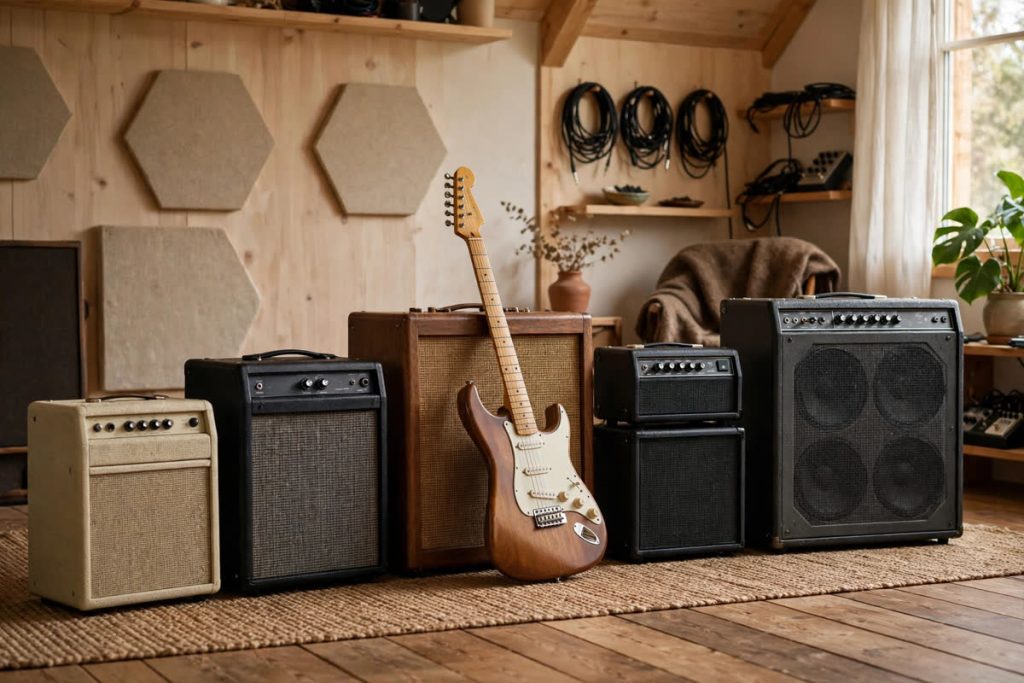
10 Best Amp Modelers for Great Guitar Tone 2026
The right amplifier can turn a bedroom into a stage and a rough idea into a finished song, and the best amp modeler gets you there without a truck full of vintage gear. Modern modeling amplifiers use digital technology to recreate the sound and feel of classic tube amps, from sparkling Fender style cleans to roaring high gain stacks, all inside one box. Our 2026 guide to the best amp modeler options rounds up 10 honest reviews covering smart practice amps, gig ready combos, and tube style recreations.
Choosing the best amp modeler is not about chasing the highest wattage or the longest feature list. A bedroom player needs different tools than a weekend gigging guitarist, and a recording musician needs different connectivity than someone who just wants to jam along with backing tracks. Amp model quality, effects, usability, and recording options all matter, because the amp you actually turn on every day beats the one with the most menus you never touch. Below you will find detailed reviews of all 10 amps, the criteria we used to judge them, and answers to the questions guitarists ask most.
We judged every amp the way a working guitarist would: does it sound and feel like a real amplifier, can you dial in a great tone in under a minute, does it record cleanly into a computer, and is it built well enough to survive regular use. We weighed versatility against simplicity, because some players want endless deep editing while others want great sound with zero learning curve. Every one of the best amp modeler picks below earned its place on merit, not brand fame.
Whether you are shopping for a first modeling amp for home practice or upgrading to a gig worthy digital rig, this guide will help you find the best amp modeler for your playing style, your space, and your goals. For more honest gear roundups like this one, you can always browse the latest buying guides on DixTrick.
How We Chose the 10 Best Amp Modelers
We built this list around the things that actually decide whether a modeling amp earns a permanent spot in your setup. Each amplifier was evaluated against six practical criteria, and only the strongest all round performers made the cut.
- Tone and feel: a modeler must sound and respond like a real amplifier, not a plugin wearing a costume. We favored amps with convincing amp models, natural dynamics, and touch responsive gain that cleans up when you roll back the volume.
- Effects and flexibility: built in effects should be genuinely usable, not filler. We looked for quality delays, reverbs, and modulation, plus enough amp voices to cover clean, crunch, and high gain without obvious weak spots.
- Ease of use: great tone should not require a manual and a free afternoon. We valued amps that sound good with the knobs alone, with deep editing available as an option rather than a requirement.
- Connectivity: modern players record, practice silently, and jam with backing tracks. We favored amps with USB recording, headphone outputs, and useful extras like Bluetooth streaming and direct outputs.
- Portability and power scaling: an amp should fit your life, from quiet late night practice to a loud stage. We looked for sensible power options, bedroom friendly volume controls, and designs that are easy to carry.
- Value: a modeling amp should replace a stack of gear, so it needs to earn its price. We weighed what each amp delivers against what it asks you to spend.
The best amp modeler picks on this list share one trait: they make great tone easy. They sound convincing, they are simple to operate, and they fit real playing situations from bedrooms to stages. Here are the 10 that made it.
Table of Contents
1. Boss Katana 50 Gen 3
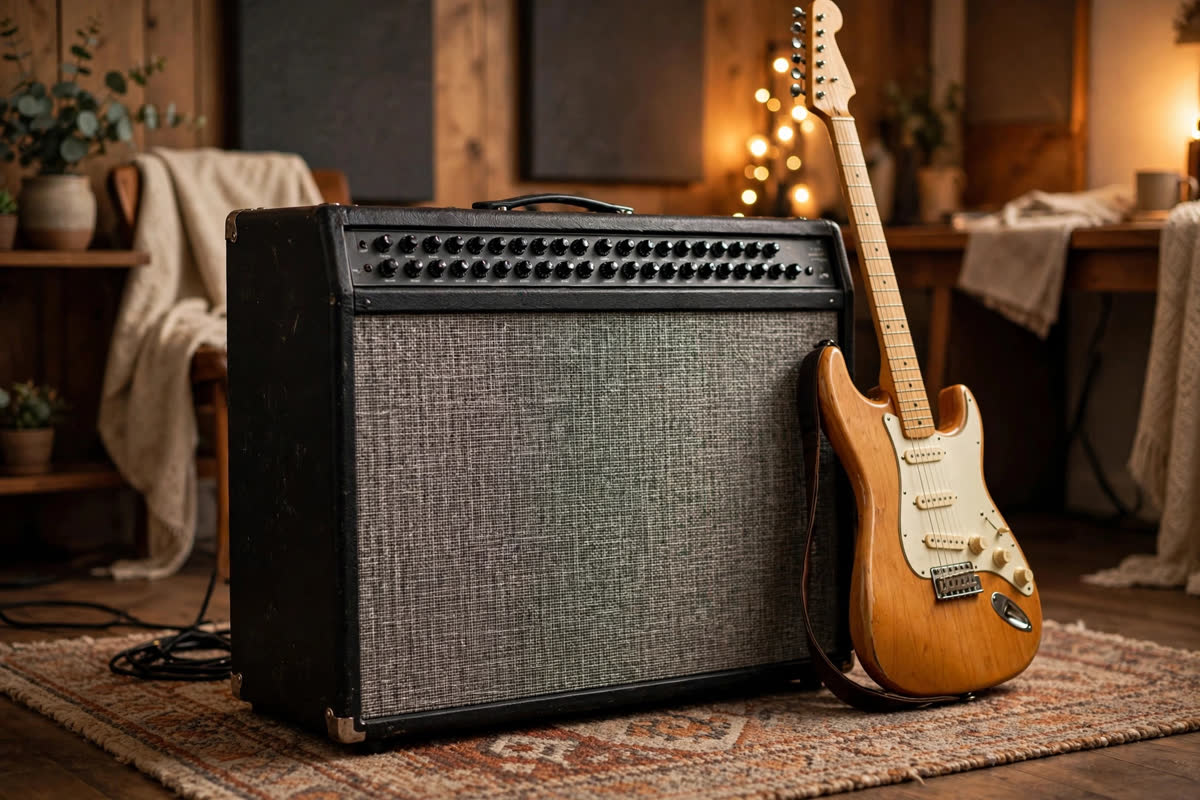
The Boss Katana 50 Gen 3 is the third generation of the amp that turned modeling mainstream, and it remains the benchmark every competitor is measured against. This 50 watt 1×12 combo runs on Boss Tube Logic technology and offers six amp characters, including the new edge of breakup Pushed voice, each with a selectable variation for 12 tones total. Five independent effects sections cover booster, modulation, FX, delay, and reverb, with dozens more types available through the BOSS Tone Studio app. Four Tone Setting memories store your favorite amp and effect combinations for instant recall.
What makes the Katana 50 Gen 3 stand out among the best amp modeler options is how little stands between you and great tone. The panel works like a traditional amp, so you can plug in and sound good immediately, while Tone Studio unlocks deep editing for tweakers. The integrated Power Control drops the output down for genuine cranked amp feel at bedroom volume, and USB C recording with IR based cabinet sound makes home recording painless.
You can explore the full feature list on the official BOSS website. Keep in mind that footswitch control for live channel switching is limited on this entry model, and players who want the full stage feature set will eye the bigger Gen 3 siblings.
This is our pick for most players looking for the best amp modeler that does everything well. It suits practice, home recording, and small gigs, works for rock, blues, metal, and worship, and its simple panel plus deep app editing covers both beginners and tone nerds. Few amps deliver this much for this little fuss.
- Best for: most guitarists who want one versatile amp for practice, recording, and small gigs.
- Look for: the new Pushed amp character, the Power Control for low volume playing, and the USB C recording output.
- Keep in mind: footswitch expansion is limited on the 50, so heavy live switchers should consider the 100.
2. Fender Mustang LT25
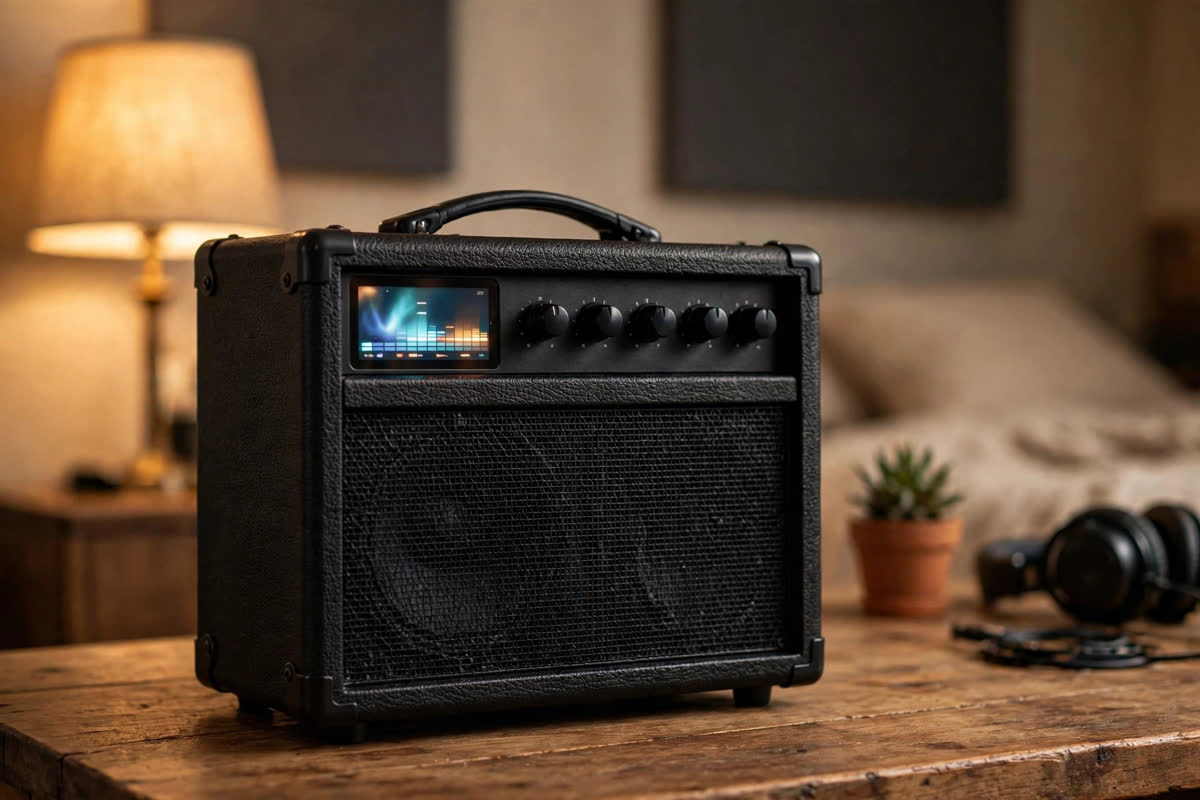
The Fender Mustang LT25 is the friendliest doorway into the world of modeling amps. This 25 watt 1×8 compact, bedroom sized cabinet comes with 50 presets to explore including 30 ready to play sounds out of
It is an ideal companion for lessons, quiet practice with headphones, and discovering which genres excite you. Keep in mind that the 8 inch speaker and 25 watts keep it firmly in practice amp territory, so it is not built for band rehearsals or gigs, and deeper editing eventually calls for the Fender Tone app.
We recommend the Mustang LT25 as the best amp modeler for beginners and casual players. It is affordable, encouraging, and simple, and it gives new guitarists a tour of classic amp sounds without any intimidation. If you are buying your first modeling amp, start here.
- Best for: beginners and casual players who want simple, great sounding modeling at home.
- Look for: the 50 presets, the easy color display, and the built in tuner.
- Keep in mind: it is a practice amp, not a gig amp, so plan accordingly.
3. Line 6 Catalyst CX 100
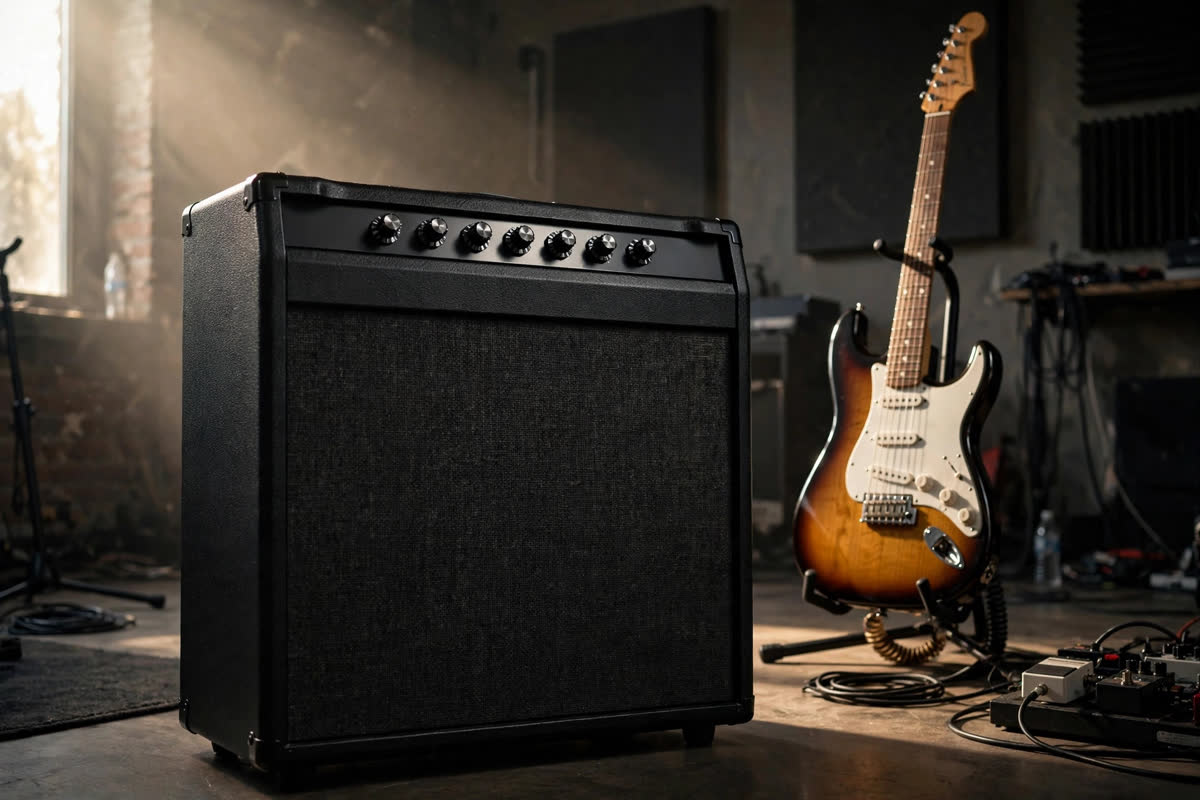
The Line 6 Catalyst CX 100 is the updated middleweight of Line 6’s Catalyst family, built for guitarists who gig but do not want to haul a pedalboard and a head. This 100 watt 1×12 dual channel combo delivers 12 amp voicings derived from the famous Helix processor, spanning pristine cleans to modern high gain, each matched with its own boost circuit. Twenty four HX quality effects, a tap tempo and tuner button, an XLR direct output, an effects loop, and MIDI connectivity make it genuinely stage ready, while power scaling down to half a watt keeps it civilized at home.
Where the Catalyst CX 100 earns its place among the best amp modeler picks is its no nonsense gig workflow. It behaves like a traditional two channel amp, so you dial your clean and dirty sounds with real knobs and switch them with a footswitch, but under the hood you get Helix grade models and effects. The XLR out feeds the front of house a consistent direct sound, and the USB audio interface turns it into a recording tool between gigs.
The free Catalyst Edit app unlocks deep editing for players who want it. Keep in mind that the sheer range of options can overwhelm at first, and the footswitch is sold separately, so factor that into your plans if you gig regularly.
This is the best amp modeler for gigging guitarists who want Helix DNA in a simple combo. It suits rock, metal, worship, and cover band work, handles rehearsals and clubs with authority, and the direct output makes sound engineers happy. A serious stage tool hiding in a familiar combo.
- Best for: gigging guitarists who want a simple two channel workflow with pro level models.
- Look for: the Helix derived amp voicings, the XLR direct output, and the power scaling options.
- Keep in mind: the footswitch is sold separately, and the depth of options takes time to explore.
4. Positive Grid Spark 2
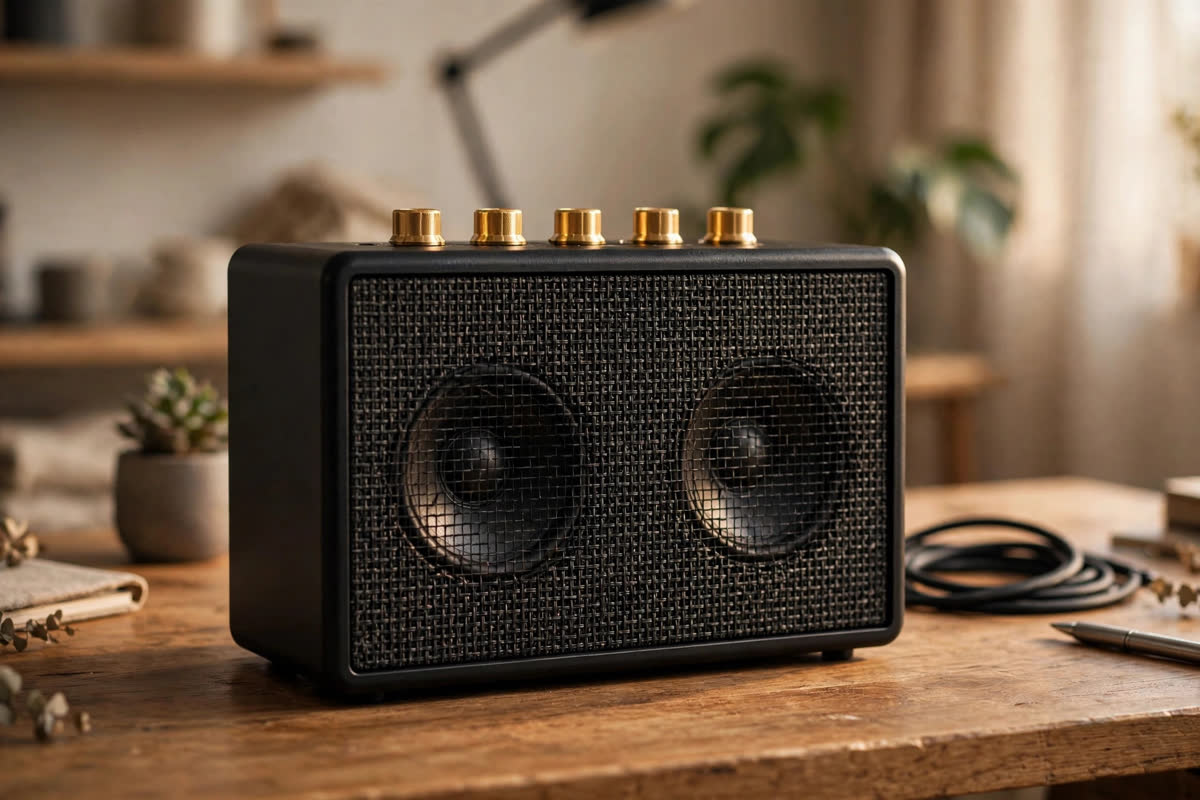
The Positive Grid Spark 2 is the smart amp refined, and it is arguably the most fun practice tool in the entire modeling world. This 50 watt stereo combo pairs two angled 4 inch full range speakers with 33 amp models and 43 effects, eight onboard presets, and an onboard looper with 60 seconds of recording time. Bluetooth streaming, the Spark app, and access to over 100,000 user created tones on ToneCloud mean you will never run out of sounds, while Smart Jam generates backing tracks that follow your playing and Auto Chords displays the chords of your favorite songs in real time.
What makes the Spark 2 special among the best amp modeler choices is that it treats practice like play. The looper plus drum grooves let you build layered jams in seconds, Smart Jam gives you a virtual band that listens to you, and the stereo speakers make backing tracks sound rich and full. It doubles as a Bluetooth speaker for your living room, and USB C plus stereo line outs make it a capable recording interface. Check the details on the official Positive Grid website. Keep in mind that it is optimized for practice and home use rather than loud stage work, and the deepest features live in the app rather than on the panel.
This is the best amp modeler for players who practice more than they gig. It suits bedroom musicians, songwriters, and learners, works beautifully for electric, acoustic, and bass, and the smart features genuinely make you play more. If motivation is your bottleneck, this is your amp.
- Best for: home players and learners who want smart practice features and endless tones.
- Look for: the onboard looper, Smart Jam backing tracks, and the ToneCloud tone library.
- Keep in mind: it is a practice and home studio amp, not a stage workhorse.
5. Fender Tone Master Deluxe Reverb
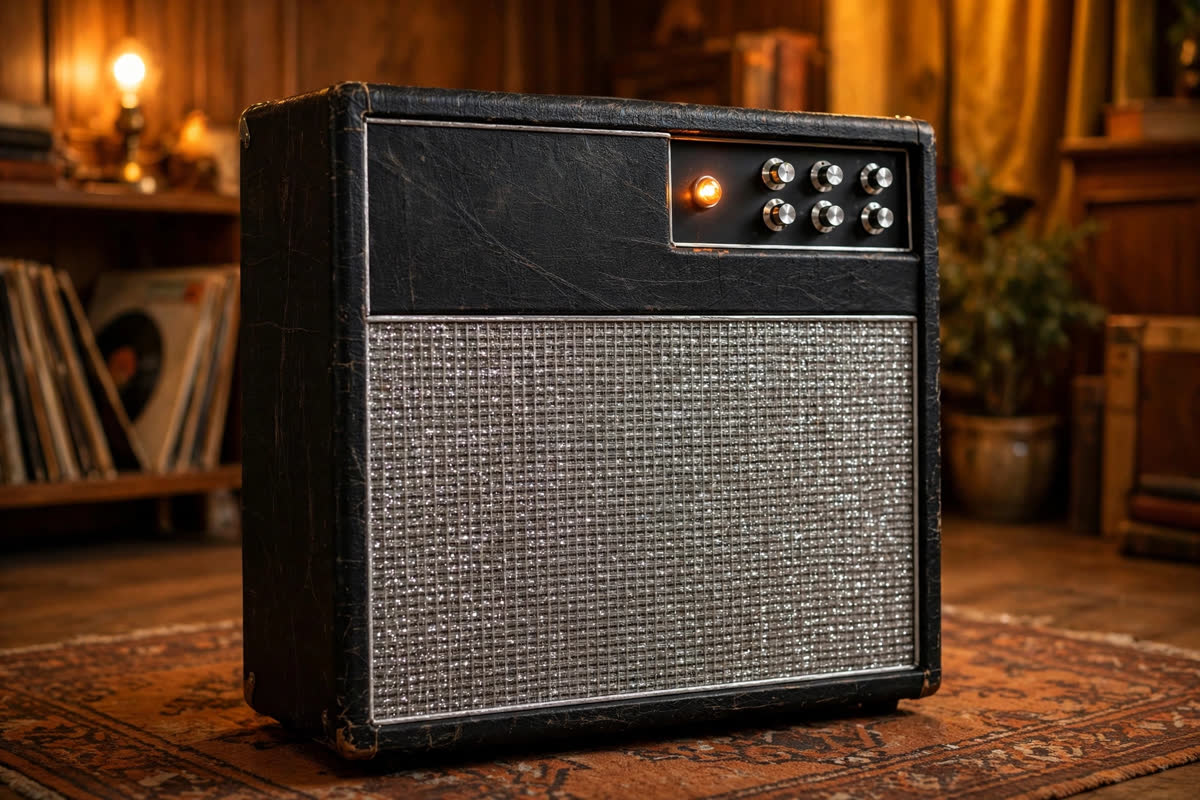
The Fender Tone Master Deluxe Reverb takes a different approach to modeling: instead of dozens of amps, it recreates one legend perfectly. This all digital combo captures the sound and dynamics of the classic Deluxe Reverb tube amp in a package that weighs about 23 pounds, with a lightweight pine cabinet and a Jensen neodymium speaker. It performs like the 22 watt original but adds modern conveniences, including a rear panel attenuator with five stepped settings, a balanced XLR line output with impulse response cabinet simulations, and USB for firmware updates.
What makes the Tone Master series beloved among the best amp modeler options is authenticity. Players who grew up on tube amps report that it responds like the real thing, from edge of breakup touch sensitivity to the shimmer of the spring reverb and the throb of the tremolo. The attenuator is the killer feature, letting you get genuine cranked Deluxe tones at conversation volume, and the XLR out gives sound engineers a perfect direct feed. A cover and two button footswitch are included. Keep in mind that it does one amp instead of many, so versatility seekers should look elsewhere, and players who want built in drive or heavy effects will need pedals.
This is the best amp modeler for tube purists who want Deluxe Reverb tone without the backache or the volume problems. It suits blues, country, jazz, worship, and classic rock, shines on stage and in the studio, and proves that modeling can mean perfecting one sound instead of approximating fifty.
- Best for: players who want authentic Deluxe Reverb tone in a light, gig friendly package.
- Look for: the built in attenuator, the XLR output with IR cabinet sims, and the light pine cabinet.
- Keep in mind: it models one amp only, so bring pedals if you need drive and effects variety.
6. Boss Katana Head Gen 3
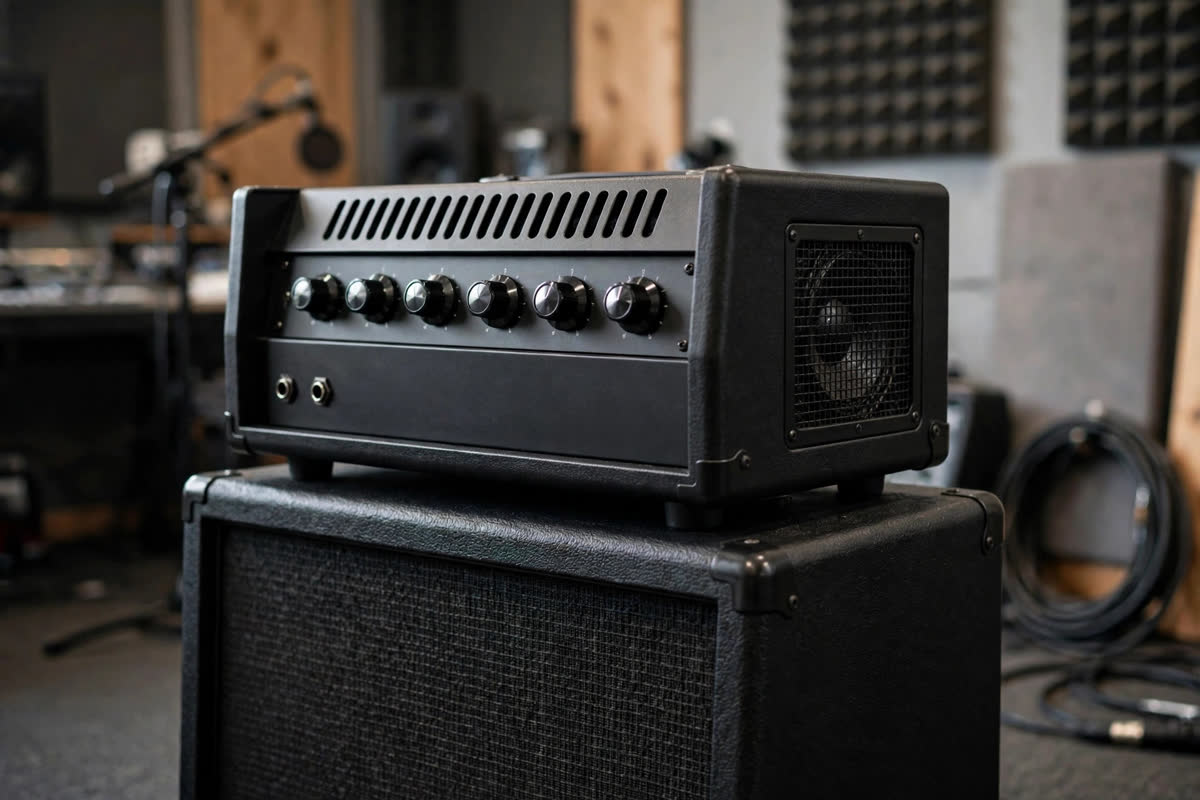
The Boss Katana Head Gen 3 is the pick for players who already own a speaker cabinet and want Katana tone in head form. This compact 100 watt head delivers the full Gen 3 platform, six amp characters with selectable variations, five effects sections, and the exclusive Bloom voicing derived from the flagship Katana Artist, plus MIDI input for advanced rig control. Its party trick is a built in 5 inch practice speaker, so you can check tones and rehearse quietly without connecting a cabinet at all.
What makes the Head Gen 3 appealing among the best amp modeler choices is flexibility. Pair it with your favorite 1×12 or 4×12 and it drives it with real authority, run it silent into the PA or your interface via the USB and line outputs, or practice through the little internal speaker when the house is asleep. Eight Tone Setting memories, Power Control for cranked tone at any volume, and the updated BOSS Tone Studio app give it the same deep editing as the combos. Keep in mind that you need a cabinet to unlock its full stage voice, and it is a bigger commitment in space and cost than a grab and go combo.
This is the best amp modeler for players building a modular rig around a cabinet they love. It suits gigging guitarists, studio owners, and anyone who wants Katana tone with serious switching and MIDI control. A head that behaves like three amps in one.
- Best for: players with a favorite cabinet who want maximum Katana flexibility in head form.
- Look for: the Bloom voicing, the MIDI input, and the built in 5 inch practice speaker.
- Keep in mind: you need an external cabinet for full stage volume.
7. Boss Katana 100 Gen 3
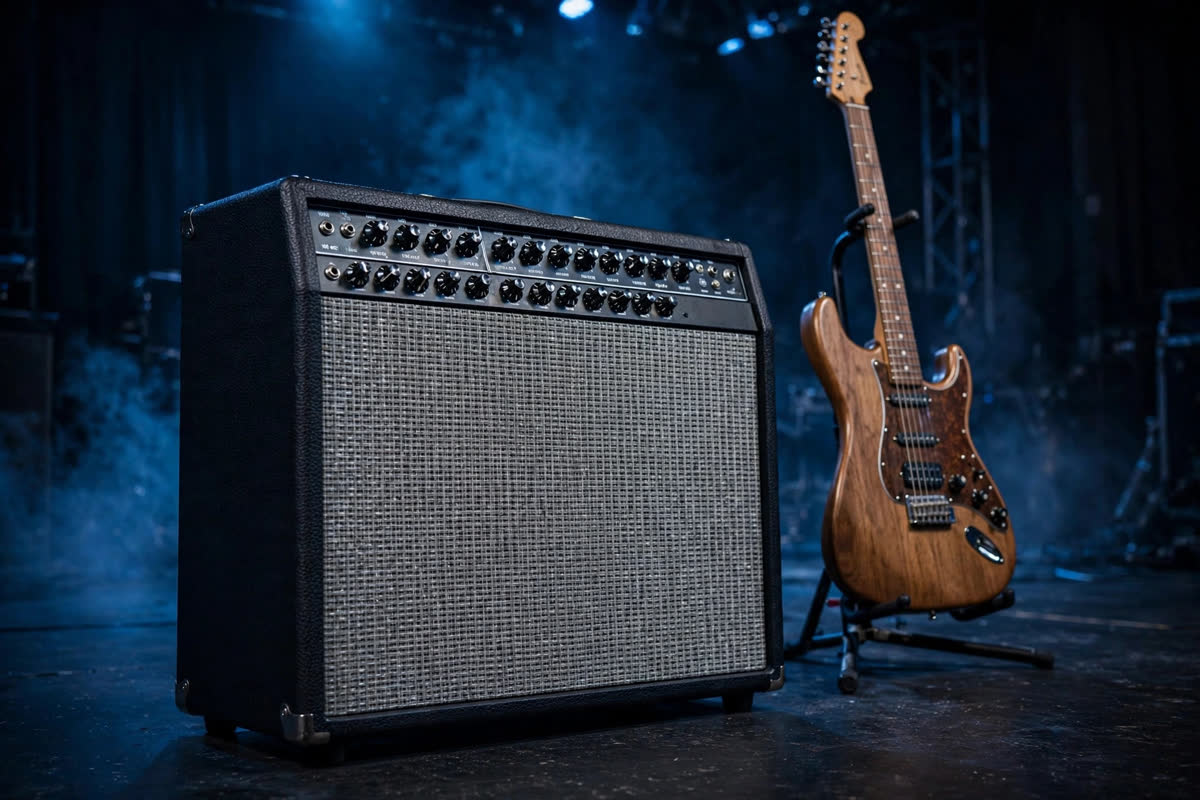
The Boss Katana 100 Gen 3 is the stage ready step up from the 50, and for working guitarists it is often the sweet spot of the whole lineup. This 100 watt 1×12 combo carries the same six amp characters with variations and five effects sections as its smaller sibling, but adds eight Tone Setting memories, a series effects loop for your pedals, and full support for the GA-FC foot controller for complete stage switching. Stereo Expand even lets it pair with a second Katana for a wide dual amp rig.
What earns the Katana 100 Gen 3 its place among the best amp modeler picks for gigging players is how completely it replaces a traditional rig. The effects loop slots your favorite pedals into the signal chain exactly where they belong, the foot controller switches complete amp and effect setups instantly, and the 100 watts of Class AB power keep up with a loud drummer. At home, the same Power Control that makes the 50 so friendly drops this one to whisper volume too. Keep in mind that it is bigger and heavier than the 50, so bedroom only players gain little, and the foot controller is an extra purchase.
This is the best amp modeler for gigging guitarists who want one combo to cover every stage. It suits rock, metal, country, and worship bands, handles clubs and rehearsals with ease, and the effects loop plus foot control make it a genuine pedalboard replacement. The working musician’s Katana.
- Best for: gigging guitarists who need a complete, foot controllable stage rig in one combo.
- Look for: the effects loop, the eight Tone Setting memories, and GA-FC foot controller support.
- Keep in mind: it is larger than the 50, and the foot controller is sold separately.
8. Blackstar Silverline Standard
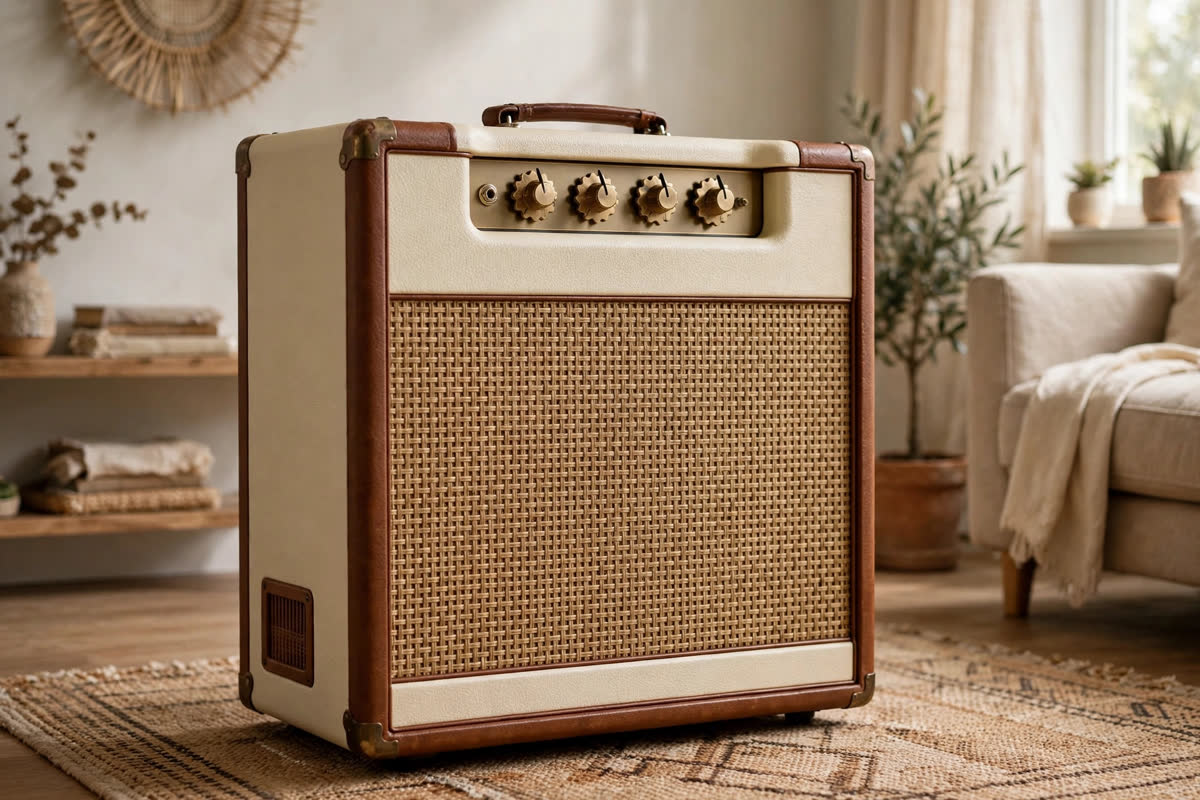
The Blackstar Silverline Standard is the modeling amp for players who care how their amp looks as much as how it sounds. This 20 watt 1×10 combo pairs boutique styling with serious digital power, including a high powered SHARC DSP and Blackstar’s patented True Valve Power technology. The Response control recreates the feel of six classic power amp types, from EL84 chime to 6L6 punch, while six preamp voices cover Clean Warm, Clean Bright, Crunch, Super Crunch, and two overdrive channels. Twelve studio grade effects, USB recording, and the patented ISF control that sweeps from American to British tone complete the package.
What sets the Silverline apart among the best amp modeler options is its valve like response. The TVP technology genuinely changes how the amp feels under your fingers, adding the sag and compression that make tube amps so addictive, and the ISF knob is a brilliantly simple way to reshape the whole voice. Twelve preset locations, with 128 available via footswitch, give gigging players plenty of room, and the Celestion speaker keeps the tone honest. Keep in mind that the control layout takes a little learning, since Response and ISF interact in ways a traditional amp does not, and 20 watts keeps it best suited to smaller stages and studios.
This is the best amp modeler for tone purists who want tube feel from a digital amp. It suits blues, rock, and classic rock players, looks stunning on any stage or in any living room, and the boutique styling means it never needs to hide in a corner. Proof that modeling can be beautiful.
- Best for: players who want convincing tube amp feel and boutique looks in a digital amp.
- Look for: the TVP Response control, the ISF tone sweep, and the Celestion speaker.
- Keep in mind: the interactive controls take a little time to master.
9. Yamaha THR30II
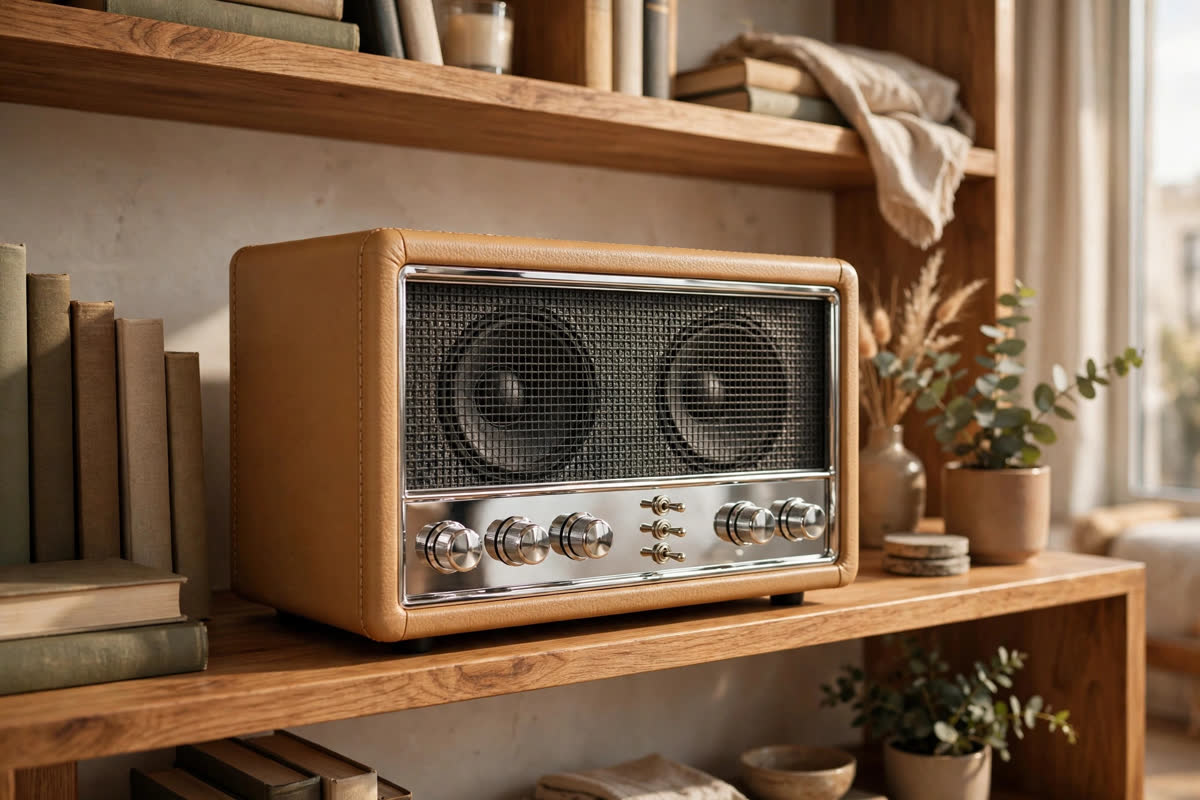
The Yamaha THR30II is the desktop amp that started the whole lifestyle amplifier trend, and it still defines the category. This compact stereo combo delivers 30 watts through two 3.5 inch full range speakers, with 15 guitar amp models plus dedicated models for bass and acoustic, and flat voicings for everything else. The wireless version carries a built in receiver for the optional Line 6 G10T transmitter, a rechargeable battery good for around five hours of playing, Bluetooth audio streaming, and the THR Remote app for deep editing.
What keeps the THR30II among the best amp modeler picks years after launch is how perfectly it fits real life. It sits on a bookshelf like a piece of furniture, runs on battery for the backyard or the park, and sounds remarkable for its size thanks to Yamaha’s stereo imaging. The VCM modeling delivers genuinely inspiring tube style tones at conversation volume, and USB plus line outs make it a proper recording tool. It is the amp you leave out because it looks good, which means it is the amp you actually play. Keep in mind that the wireless transmitter and some accessories are sold separately, and it is a home and travel amp rather than a stage amp.
This is the best amp modeler for players who want great tone that fits their living space and their life. It suits apartment dwellers, travelers, and songwriters, works for guitar, bass, and acoustic, and the battery plus Bluetooth make it the most portable serious amp here. The original desktop legend.
- Best for: home players and travel players who want inspiring tone in a beautiful, portable package.
- Look for: the rechargeable battery, the built in wireless receiver, and the stereo full range speakers.
- Keep in mind: the wireless transmitter is sold separately, and it is not built for loud stages.
10. Positive Grid Spark 40
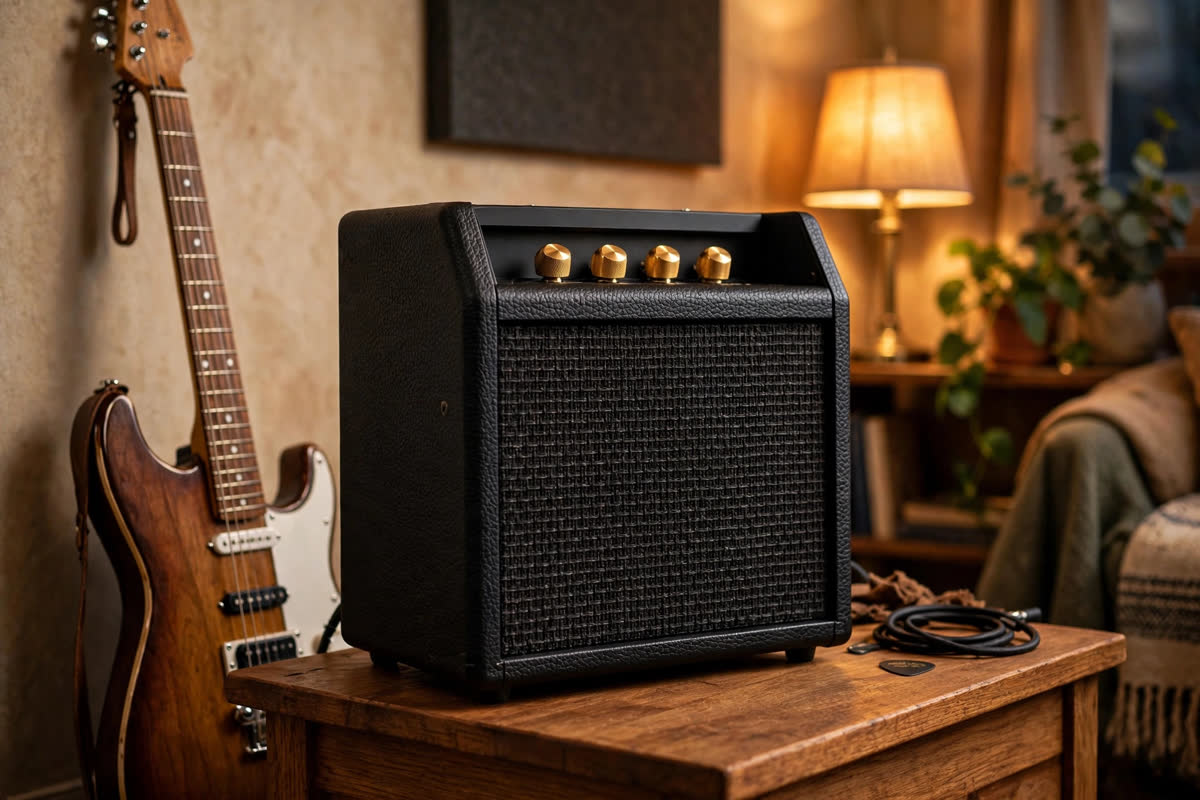
The Positive Grid Spark 40 is the amp that started the smart amp revolution, and it remains a brilliant value. This compact 40 watt combo runs two 4 inch speakers and packs 30 amp models and 40 effects powered by Positive Grid’s BIAS tone engine, with access to over 100,000 user tones on ToneCloud. Smart Jam builds backing tracks around your playing, Auto Chords shows you the chords of songs in real time, and Bluetooth audio plus a USB interface make it a practice hub, a Bluetooth speaker, and a recording tool in one small box.
What keeps the Spark 40 on best amp modeler lists is how much it gives new players. The app guides you from your first chords to full songs, the preset library means you can sound like your heroes in seconds, and the whole thing is small enough to live on a nightstand. It handles electric, bass, and acoustic, and its tone quality embarrassed many bigger amps at launch. Keep in mind that the Spark 2 now improves on it in several areas, so check both before choosing, and like its successor it is built for the home rather than the stage.
This is the best amp modeler value for beginners and budget conscious players who want the smart amp experience. It suits learners, casual jammers, and songwriters, makes practice genuinely fun, and remains one of the smartest purchases in all of guitar gear. The amp that changed practice forever.
- Best for: beginners and budget minded players who want smart practice features for less.
- Look for: the ToneCloud library, Smart Jam, and the compact all in one design.
- Keep in mind: the newer Spark 2 improves on it, so compare the two before buying.
Final Pick
After reviewing all 10 amplifiers, our final pick for most players is the Boss Katana 50 Gen 3. It hits the sweet spot that matters for a modeling amp: convincing tube style tone with zero learning curve, a simple panel for instant gratification plus deep app editing for tweakers, bedroom friendly volume control, and easy USB recording. It works for the widest range of players, handles every genre from jazz to metal, and needs nothing extra to sound great out of the box. Among the best amp modeler options, it is the safest all round choice.
Players who practice more than they gig should look hard at the Positive Grid Spark 2, where the looper, Smart Jam, and endless tone library make playing addictive. Tube purists who want one perfect amp should choose the Fender Tone Master Deluxe Reverb, and working gigging guitarists will get the most from the Boss Katana 100 Gen 3 or the Line 6 Catalyst CX 100. For more buying guides covering every corner of the music world, keep exploring DixTrick. Whichever you choose, remember that the best amp modeler is the one you turn on every day.
Frequently Asked Questions
What is an amp modeler and how does it work?
An amp modeler is an amplifier that uses digital signal processing to recreate the sound and behavior of classic amplifiers, speaker cabinets, and effects. Instead of vacuum tubes shaping your tone, software algorithms simulate how tubes, transformers, and speakers respond to your playing. Modern modelers capture not just the EQ curve but the dynamics, sag, and breakup of the originals, which is why the best amp modeler picks in this guide feel like real amps under your fingers.
Is an amp modeler better than a tube amp?
Neither is objectively better, because they solve different problems. Tube amps offer a specific feel and simplicity that many players love, but they are heavy, loud, and need maintenance. The best amp modeler gives you dozens of amp sounds, built in effects, silent practice, and direct recording in one portable package. Many touring pros now use modelers live, and blind tests regularly fool experienced players, so choose based on your needs rather than old debates.
Can I gig with a modeling amp?
Yes, absolutely. Amps like the Boss Katana 100 Gen 3 and the Line 6 Catalyst CX 100 are designed for the stage, with enough power for a loud band, direct outputs for the front of house, and footswitch control for switching sounds. Many players now gig with a modeler straight into the PA, which means consistent tone every night and no heavy cabinets to carry. Just make sure the amp you choose has the power and outputs your gigs require.
Do I need a cabinet with an amp modeler head?
A traditional amp head like the Boss Katana Head Gen 3 needs a speaker cabinet for live volume, but most modern modelers give you alternatives. USB outputs with cabinet simulation let you record silently, headphone outputs let you practice, and line outputs can feed a PA or powered monitor. Some heads even include a small built in practice speaker. If you never play loud with a band, a combo or desktop modeler may suit you better than a head and cabinet.
What is the difference between a modeling amp and a multi effects pedal?
A modeling amp includes the amplifier, speaker, and effects in one self contained unit, so you just plug in your guitar and play. A multi effects pedalboard needs a separate amp or PA to make sound, but it offers more routing flexibility and works with any amplifier. If you want one simple box, choose a modeling amp. If you already love your amp and want to expand its sounds, a multi effects pedal may be the better path.
Are modeling amps good for recording?
Modeling amps are excellent for recording, and many are built for it. USB outputs with cabinet simulation give you studio quality direct tones without microphones or loud volumes, and several models in this guide double as full audio interfaces. Home producers love that they can track convincing amp tones at midnight without disturbing anyone. For the cleanest results, record the USB output dry if your amp allows it, then you can reamp or adjust later.
The Bottom Line
The best amp modeler is the one that makes great tone effortless. All 10 amps in this guide earned their place through convincing sound, honest usability, solid build quality, and features that fit real playing life. Match the amp to your situation, practice more than a modeler, gig more than a combo, and make sure the workflow feels invisible from the first chord. Get those things right, and you are not just buying an amplifier, you are unlocking every amp you will ever want.