
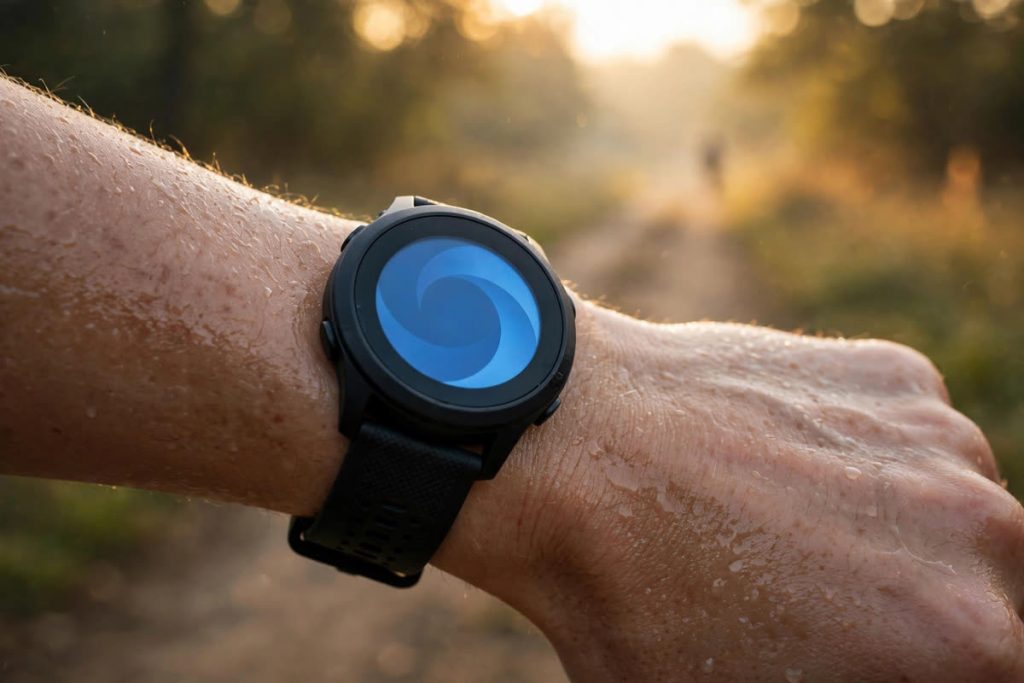
10 Best Running Watch Picks for Every Runner in 2026
Why the Best Running Watch Depends on How You Train
Shopping for the best running watch in 2026 is less about finding one perfect device and more about matching a watch to the way you actually run. A watch that shines for a marathoner logging hundred kilometer weeks can feel like overkill for a beginner who just wants reliable pace and heart rate on a weekend 5K. A triathlete needs open water swim modes and multisport transitions, while a trail runner cares more about battery life and GPS accuracy under tree cover than about smart notifications.
That is why this guide exists. At DixTrick we rounded up ten GPS running watches that cover every kind of runner, from budget trackers to premium multisport flagships, so you can compare them side by side and choose with confidence.
What makes the best running watch question tricky is how differently the key features matter once you are on the road. GPS accuracy, battery life, weight, training guidance, and price rarely peak in the same device. A bright AMOLED display looks gorgeous but drains the battery faster than a simple transflective screen. Advanced training metrics only help if the platform behind them makes sense to you. And some of the longest lasting watches run simpler software with fewer smart features. The honest answer is that the right pick depends on what you will actually use on your runs, not on which spec sheet looks longest.
Below you will find the ten watches we consider the strongest choices for runners right now, each with its real strengths and its honest caveats. This is a review roundup, not a store: product names link out to the official brand pages for reference, and there are no sponsored placements or inflated claims here. Read each mini review, note which caveats matter to you, and the best running watch for your wrist will be the one you pick for the right reasons.
How We Chose the 10 Best Running Watch Options
Every watch on this list earned its place by doing at least one thing genuinely well for runners. We weighed the factors that matter in real training rather than launch day hype, and we favored watches whose battery and GPS claims hold up when you are actually moving.
- GPS accuracy: dual band or multi band satellite support, plus how the watch behaves in cities and under tree cover, counts more than the raw number of satellite systems listed.
- Real world battery behavior: we favor watches whose GPS hour claims survive with heart rate, music, and notifications turned on during long runs.
- Running specific training tools: training readiness, recovery guidance, suggested workouts, race predictors, and running dynamics matter far more to runners than generic sport modes.
- Weight and comfort: a watch you wear for four hour long runs needs to disappear on the wrist; grams and strap design matter.
- Display readability: clarity in bright sunlight, where a dim or reflective screen ruins an otherwise good training watch.
- Water resistance and durability: sweat, rain, and the occasional swim should never be a concern for a running watch.
- Long term value: update support, how well older generations hold up, and whether a previous generation model is now the smarter buy.
One note on scope: two entries here deserve honest framing. The Garmin Forerunner 55 appears twice because our product sheet listed it twice, so we treat the second listing as its Grey colorway variant. And the Wahoo ELEMNT RIVAL is officially discontinued, so it appears as a used market note rather than a current recommendation. We would rather tell you the truth than pretend every entry is equally easy to buy new.
Table of Contents
1. Garmin Forerunner 55
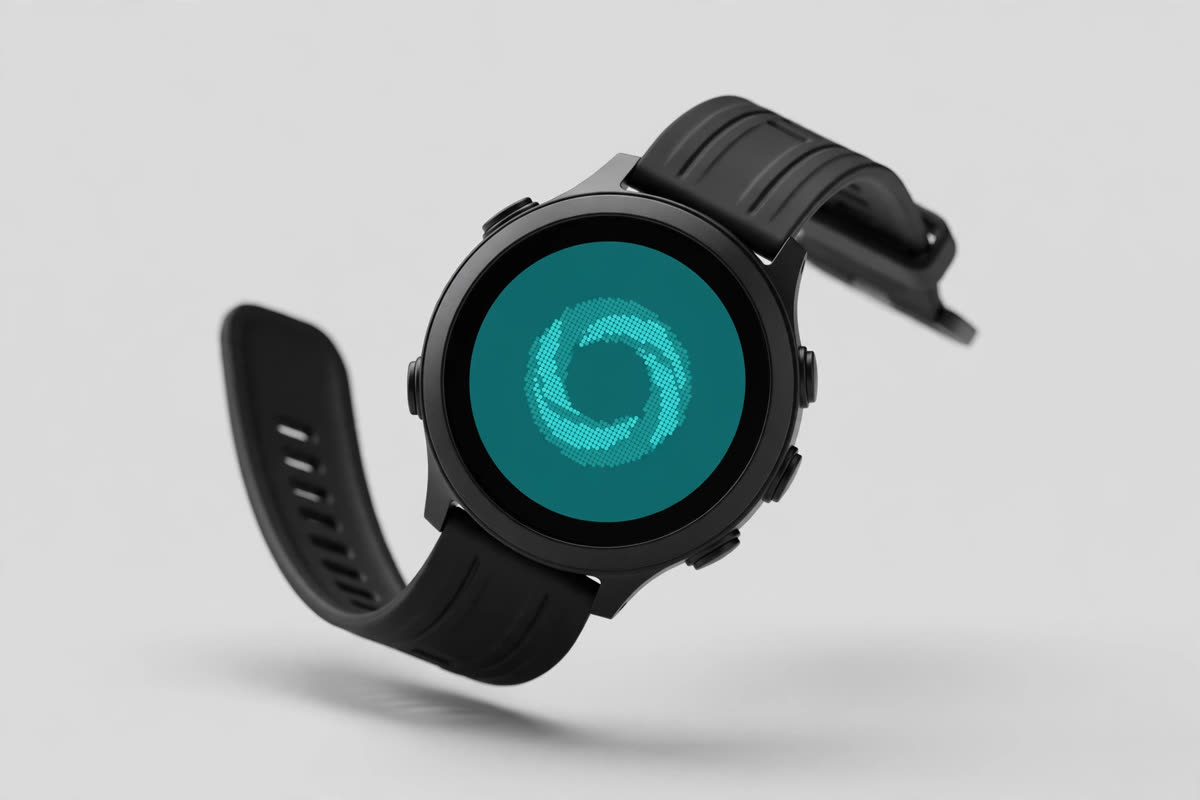
The Garmin Forerunner 55 has been the default beginner running watch since it launched in June 2021, and it earned that reputation honestly. At just 37 grams it is one of the lightest GPS watches ever made, and Garmin rates it at up to 2 weeks in smartwatch mode and up to 20 hours of GPS tracking. It offers GPS, GLONASS, and Galileo satellite support, wrist based heart rate, daily suggested workouts, PacePro pacing strategies, and Garmin Coach training plans, all through a simple five button interface with no touchscreen to fuss with.
This is the pick for runners who want to start training with data without drowning in it. The daily suggested workouts adapt to your fitness, the race time predictor gives you a target to chase, and the battery genuinely lasts through a week of training on one charge. It syncs everything to Garmin Connect, which remains one of the best free training platforms in the business, and the 5 ATM water resistance means rain and sweat are non issues.
The honest caveat is availability. Garmin has marked the Forerunner 55 as discontinued on its US site, and running media reported in September 2026 that Garmin is phasing the model out entirely. You can still find new old stock at many retailers, and it remains a fine buy at a clearance price, but do not pay full price for a watch on its way out. If the price is not clearly discounted, the Forerunner 165 below is the natural successor.
- Best for: new runners who want simple, accurate GPS tracking and adaptive training plans at the lowest Garmin price.
- Look for: clearance pricing now that Garmin is phasing it out; check that you are buying new stock with warranty.
- Keep in mind: discontinued model, no AMOLED display, and no onboard music storage.
2. Garmin Forerunner 165
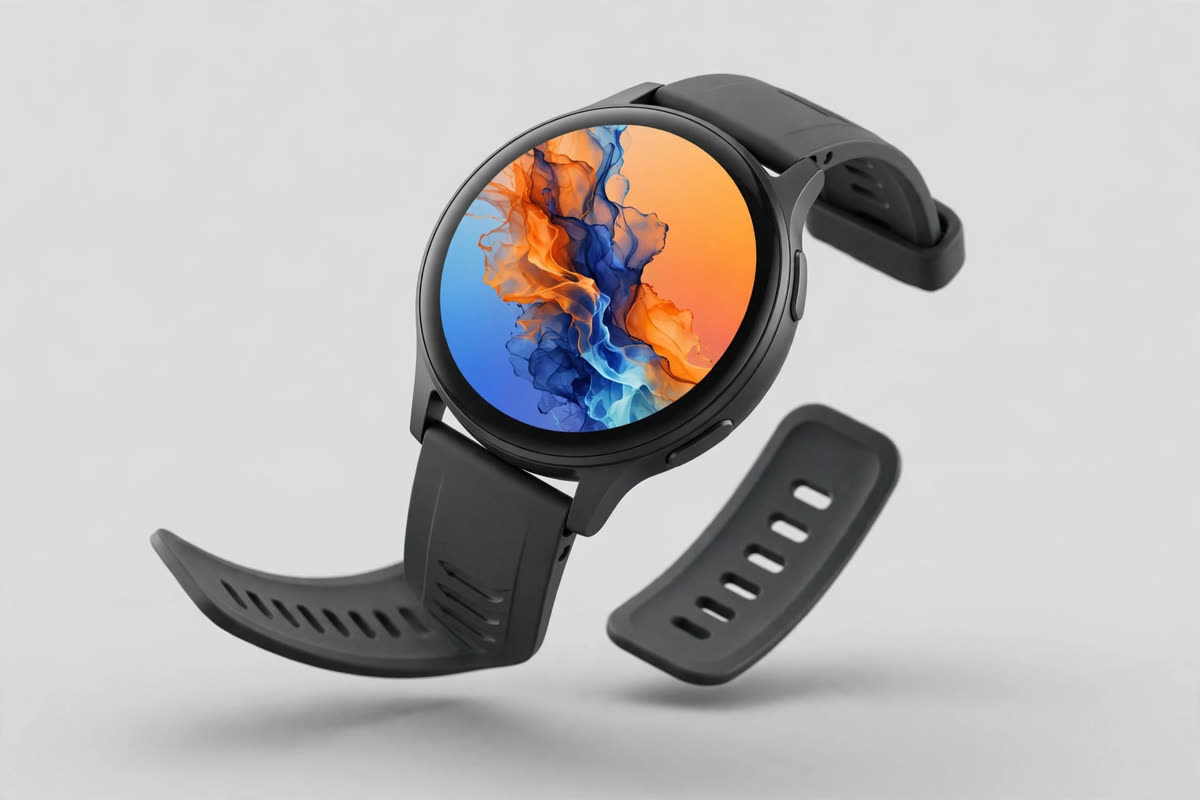
The Garmin Forerunner 165 launched in February 2024 as the watch that finally brought an AMOLED display to Garmin’s affordable running line. The 1.2 inch bright screen makes maps of your run data, training widgets, and morning reports far easier to read than on the older memory in pixel displays. Garmin rates it at up to 11 days in smartwatch mode and up to 19 hours of GPS tracking, and at 39 grams it stays light enough to forget on long runs.
What elevates it beyond a pretty screen is the training depth. You get training readiness scores, HRV status, a barometric altimeter for accurate elevation, wrist based running power, and the same daily suggested workouts and Garmin Coach plans that made the Forerunner 55 popular. The Music version adds onboard music storage and WiFi, and Garmin Pay contactless payments are included, so you can leave the phone behind on more runs.
Caveats are modest but real. Nineteen hours of GPS is plenty for marathons but tight for ultramarathons, where the multi band models below last far longer. The display is AMOLED, which means always on mode will cut into that 11 day claim noticeably. And while the training metrics are excellent, some of the most advanced running dynamics still require a paired chest strap or pod. For most road runners, though, this is the sweet spot of the entire Garmin lineup.
- Best for: runners who want a bright modern display plus serious Garmin training metrics without flagship cost.
- Look for: the Music version if you run phoneless with earbuds; the standard version if you always carry your phone.
- Keep in mind: GPS battery is modest for ultras, and always on display shortens standby time.
3. Garmin Forerunner 55 (Grey)
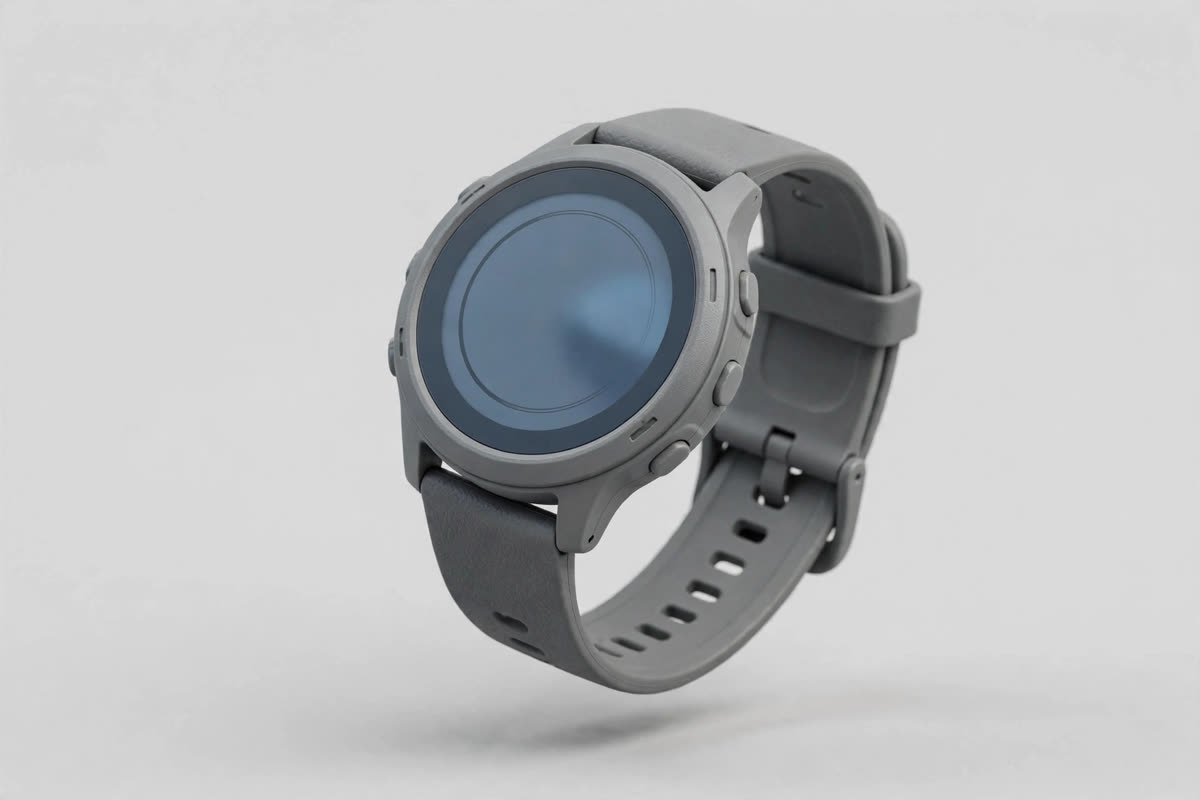
The Garmin Forerunner 55 in Grey is the same watch as our number one pick, listed separately here because our product sheet carried it twice. Same 37 gram case, same up to 2 weeks of smartwatch battery and up to 20 hours of GPS, same daily suggested workouts, PacePro, Garmin Coach plans, and 5 ATM water resistance. If you simply prefer the Grey colorway to the White one, this is your listing, and everything said about the Forerunner 55 above applies word for word.
Why keep both entries? Because colorway availability genuinely matters when a model is being phased out. With Garmin marking the Forerunner 55 as discontinued, remaining stock is scattered across retailers and colors, so the Grey version may be the one you can actually find at a clearance price while White sells out. Check both colorways when hunting for a deal, since pricing can differ between them at the same store.
The same caveats apply, and they are worth repeating: this is a discontinued model, so buy it only at a real discount and only from a seller that honors the warranty. There is no AMOLED display, no music storage, and no multi band GPS. If the Grey version is priced anywhere near the Forerunner 165, the newer watch is the better buy.
- Best for: runners who want the Forerunner 55 and prefer the Grey colorway, or who find it cheaper in stock.
- Look for: whichever colorway is discounted deeper; they are functionally identical watches.
- Keep in mind: same discontinued status and same limitations as the standard Forerunner 55.
4. Samsung Galaxy Watch Ultra
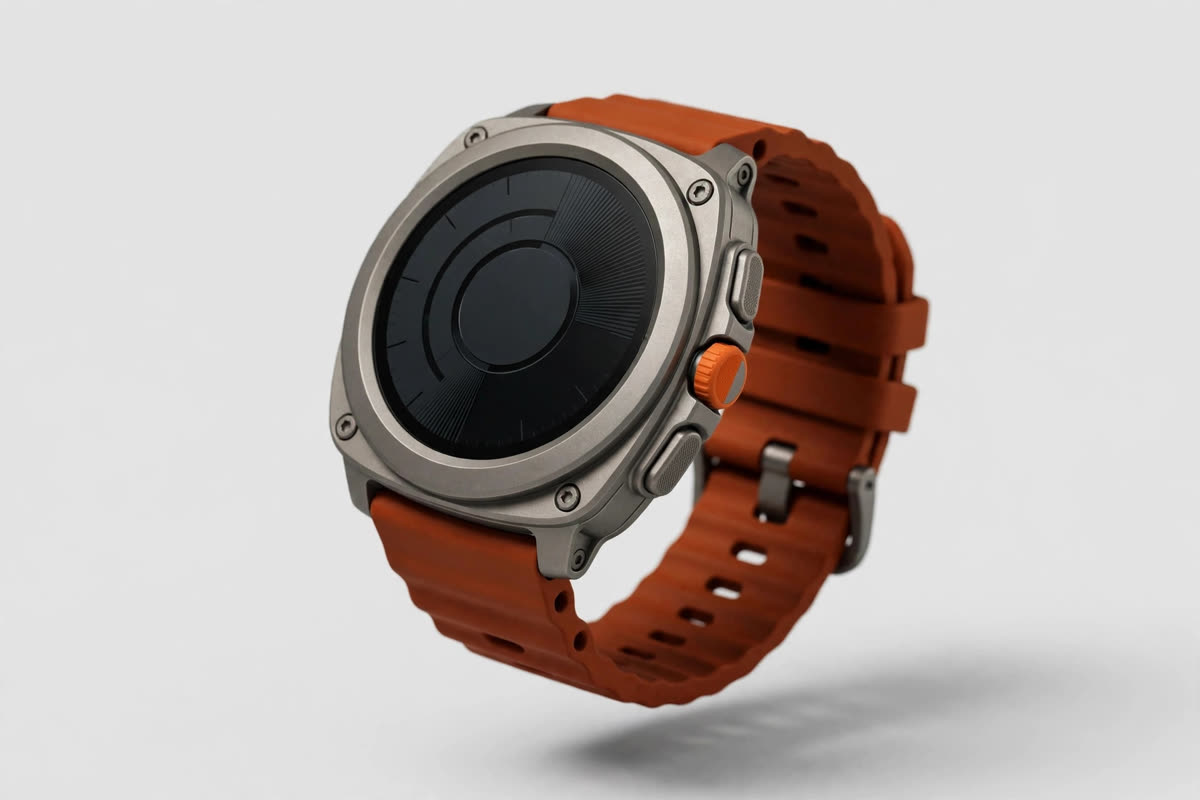
The Samsung Galaxy Watch Ultra is Samsung’s answer to runners who want one watch for training and everything else. The titanium cushion case carries 10 ATM plus IP68 water resistance and MIL-STD-810H durability, and the 3000 nit display stays readable in the harshest midday sun. For runners the headline spec is dual frequency GPS using both L1 and L5 satellite bands, which tracks far more accurately through downtown streets and under dense tree cover than single band watches. Samsung rates the 590mAh battery at up to 100 hours in power saving mode.
This is the pick for Android users who run seriously but refuse to give up smartwatch life. You get full Wear OS apps, offline music, Samsung Wallet payments, calls from the wrist, and deep Samsung Health insights including energy scores, sleep coaching, and personalized heart rate zones, all on a watch that can genuinely survive trail abuse. It pairs with Android phones, and while the basics work across brands, the ECG and blood pressure features need a Samsung Galaxy phone with the Samsung Health Monitor app.
The running specific caveats matter. This is a big, heavy watch compared with a 37 gram Forerunner, and you will feel it on tempo days. Real world battery with GPS tracking and the always on display is far short of the 100 hour power saving claim; expect to charge every couple of days with regular training. And there is no iPhone support at all. If you want the longest battery and the lightest wrist for running alone, a dedicated Garmin still wins, but as a do everything watch for runners, the Ultra is superb.
- Best for: Android users who want a rugged smartwatch with genuinely accurate dual frequency GPS for running.
- Look for: the titanium finish you like; consider whether you need LTE or can save with the Bluetooth model.
- Keep in mind: large and heavy for racing, real world battery is days not weeks, and no iPhone pairing.
5. EZON T907
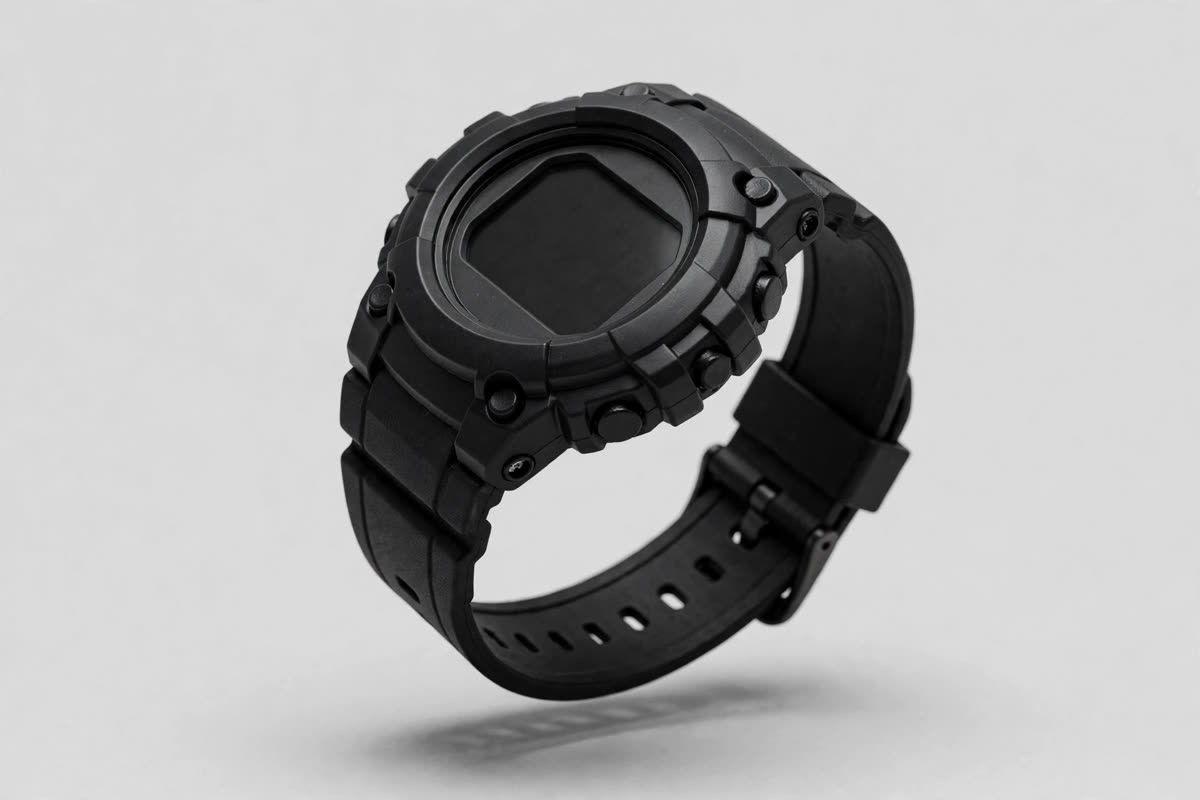
The EZON T907 is the budget entry on this list: a no frills GPS running watch with built in GPS, wrist based heart rate monitoring, and Bluetooth connectivity to its companion app. It is sold primarily through online marketplaces as an affordable way to get pace, distance, and heart rate data without paying for a big brand name. For runners who are curious about training with data but not ready to spend several hundred dollars, it lowers the barrier to entry dramatically.
Set expectations correctly and it can serve a purpose. If your needs are simple, meaning you want to know how far and how fast you ran and roughly what your heart was doing, the T907 covers the basics. It is a reasonable first GPS watch for a teenager starting cross country, or a backup watch you would not cry over if it got scratched on a trail.
Honesty requires the caveats. EZON is a small brand with no official brand product page we could verify, so long term app support and firmware updates are uncertain. GPS and heart rate accuracy will not match the dedicated running brands on this list, the companion app experience is basic, and build quality reflects the price. We include it because the sheet listed it and budget buyers deserve an honest budget option, not because it competes with the Garmins above. Spend more if you plan to train seriously.
- Best for: absolute beginners and bargain hunters who want basic GPS and heart rate for very little money.
- Look for: marketplace listings with strong return policies, in case the unit underwhelms.
- Keep in mind: no verified official brand support, modest accuracy, and basic companion app.
6. Garmin Forerunner 255S
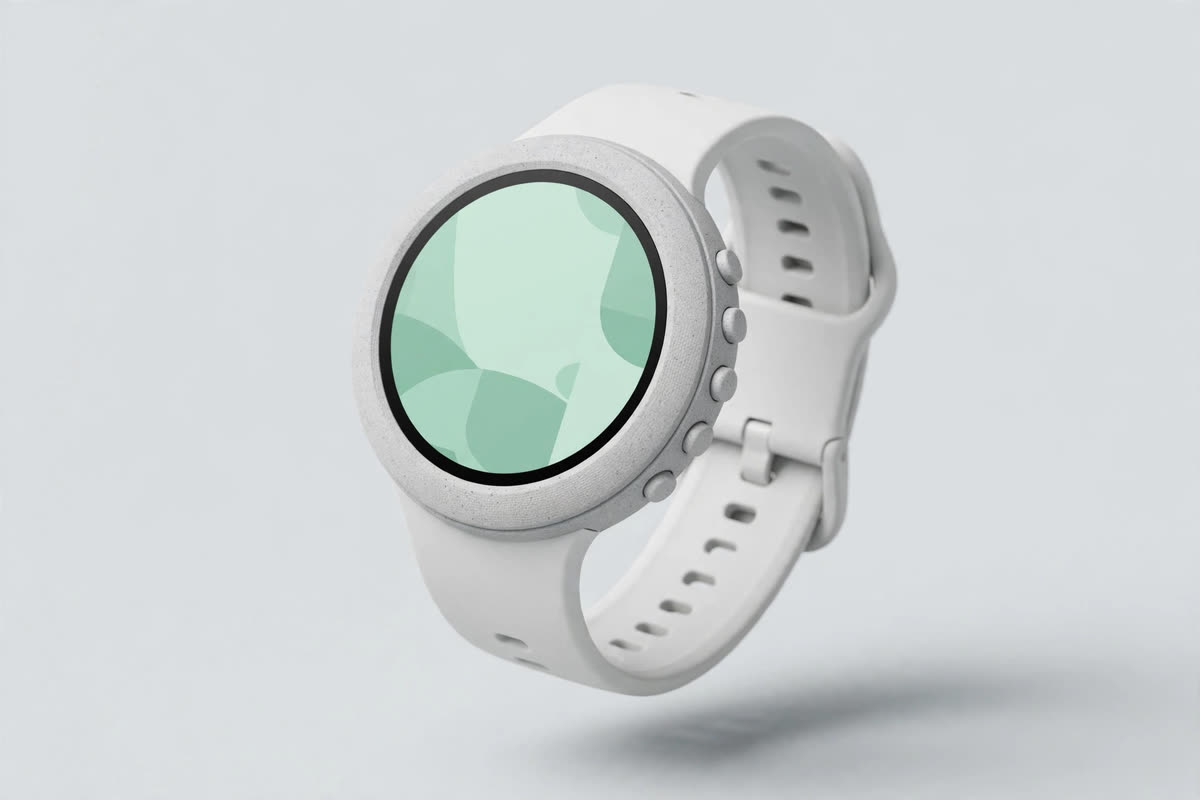
The Garmin Forerunner 255S is the thinking runner’s Garmin: a 41mm case at just 39 grams that packs multi band GNSS for the most accurate GPS tracking Garmin offers outside its flagships. Garmin rates it at up to 12 days in smartwatch mode and up to 26 hours of GPS tracking, which comfortably covers marathon training blocks and even shorter ultras. You also get HRV status, training readiness, the Morning Report that briefs you on sleep and today’s workout, and Garmin Pay for mid run coffee stops.
Serious runners with smaller wrists are the natural audience. The 255S delivers nearly the full Forerunner training suite, including running power from the wrist, race widgets, and detailed recovery guidance, in a case that does not overwhelm a slim wrist the way the larger multisport watches can. The multi band GPS genuinely matters if you train in cities with tall buildings or on wooded trails, where single band watches wander off the path on the map.
Caveats are few. The display is the older memory in pixel type rather than AMOLED, so it lacks the wow factor of the Forerunner 165’s screen, though it sips battery and stays readable in direct sun. There is no touchscreen, which some runners actually prefer with sweaty fingers, and no onboard maps beyond breadcrumb navigation. If you want full color mapping on the wrist, you need to step up to the 945 or 965 class. For pure running performance per dollar, this remains one of Garmin’s best values.
- Best for: dedicated runners who want multi band GPS accuracy and deep training metrics in a small light case.
- Look for: the 255S for smaller wrists or the standard 255 for larger wrists; training features are identical.
- Keep in mind: no AMOLED display, no full onboard maps, and no touchscreen.
7. Wahoo ELEMNT RIVAL
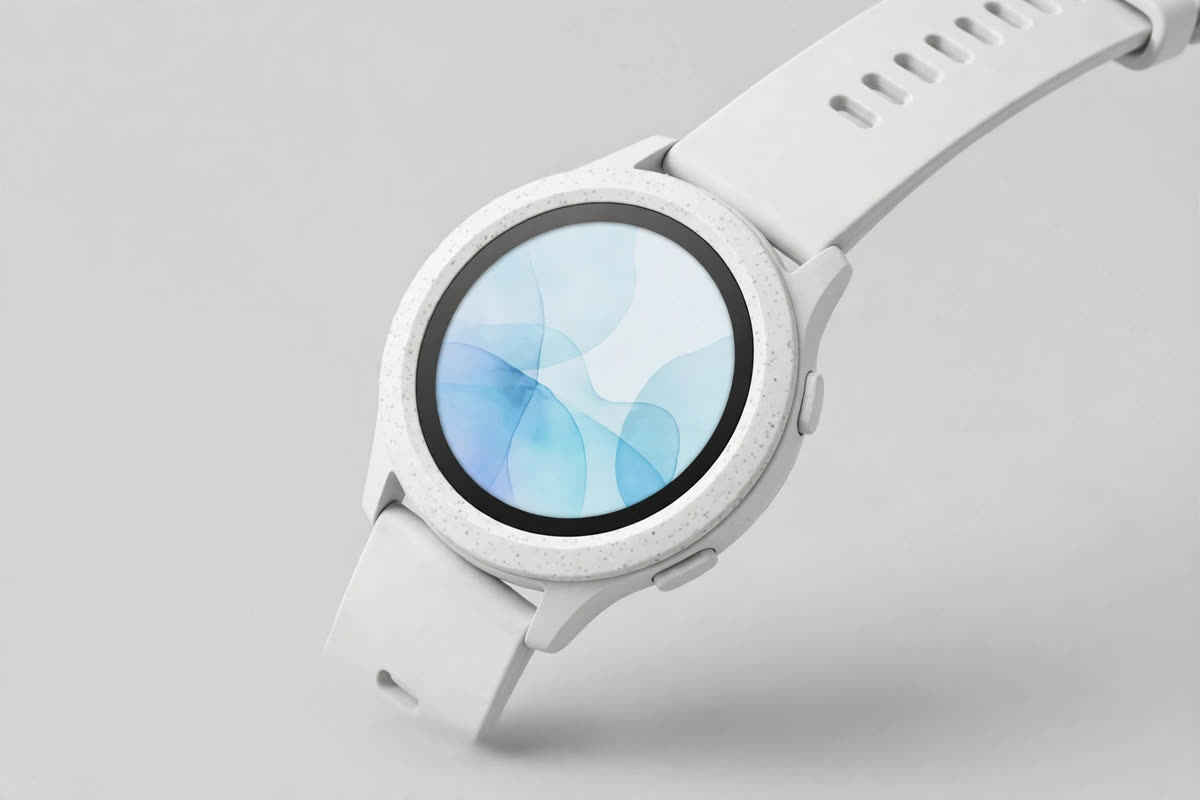
The Wahoo ELEMNT RIVAL earns its place here with an asterisk the size of a marathon medal: Wahoo has discontinued it. The company’s official product page is gone, retailers list it as discontinued or sold out, and remaining units exist only on the used market. We keep it on the list because the sheet included it and because used buyers deserve to know what they are looking at. When it was current, it was a well liked multisport watch with a 64 color display, up to 14 days of watch battery and up to 24 hours of GPS, 5 ATM water resistance, and Wahoo’s famously simple phone based setup.
On the used market it can still make sense at the right price. The RIVAL was praised for its straightforward multisport mode with touchless transitions, which triathletes loved, and its integration with the Wahoo ecosystem of bike computers and trainers. If you find one in good condition for a fraction of a new Forerunner, with a working battery and a clean screen, it remains a capable training tool.
The caveats are the whole story here. With the product discontinued, future software updates and support are uncertain at best, replacement straps and parts will dry up, and the battery in any used unit is already aging. Do not pay anything close to its original retail price. Treat this strictly as a bargain bin curiosity for Wahoo ecosystem fans, and if you want a multisport watch with a future, buy the Forerunner 745 or 945 instead.
- Best for: bargain hunters comfortable buying used, especially existing Wahoo ecosystem users.
- Look for: used units in good condition at steep discounts; test GPS and battery before committing.
- Keep in mind: discontinued with no official support page, aging batteries, and uncertain update future.
8. Garmin Forerunner 745
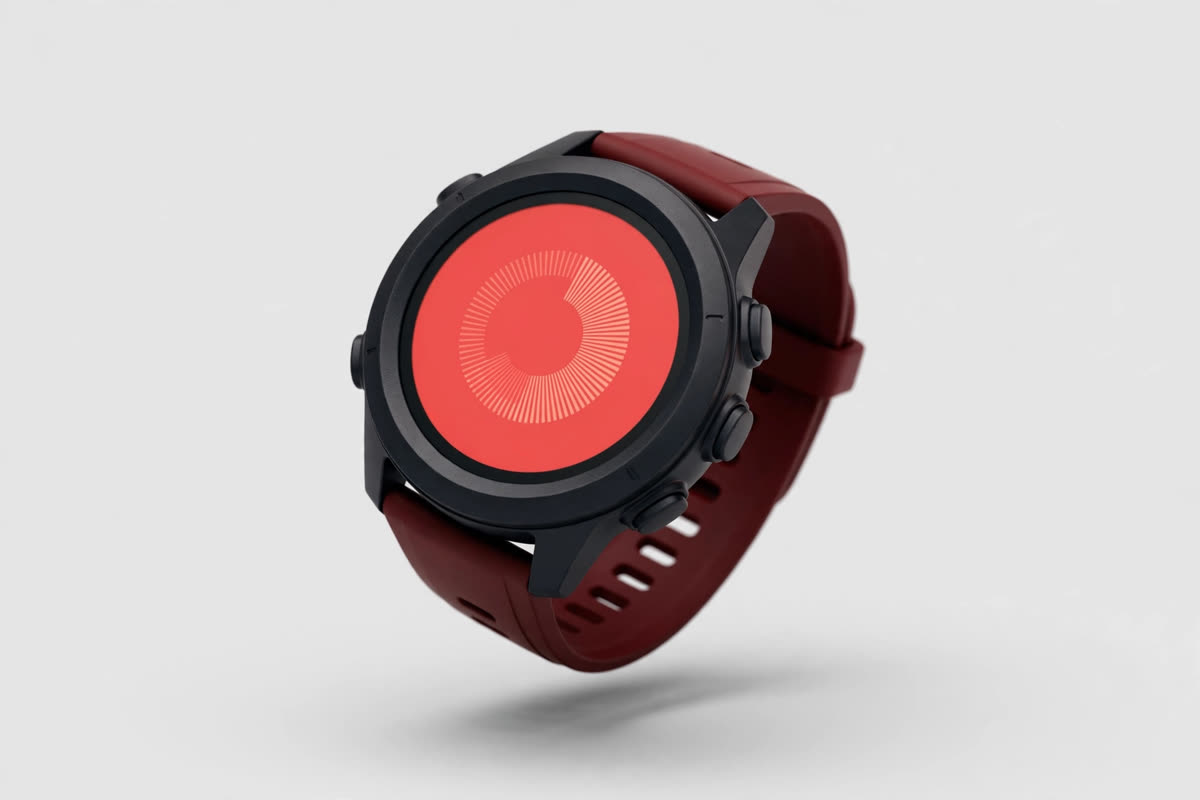
The Garmin Forerunner 745 is an older generation triathlon watch from around 2020 that still earns a spot for multisport athletes on a budget. At 47 grams it was built light for a tri watch, and Garmin rated it at up to 7 days in smartwatch mode and up to 16 hours of GPS tracking, dropping to around 6 hours with music playing. It stores up to 500 songs for phoneless runs, tracks running, cycling, and swimming with multisport transition modes, and delivers the advanced training metrics Garmin is known for, including training load focus and recovery time.
Triathletes shopping used or clearance stock are the audience. The 745 gives you proper open water swim tracking, structured multisport workouts, and Garmin’s full training status analytics at prices far below current triathlon watches. If your training is genuinely multisport rather than run only, this generation still does the job it was designed for.
Age is the honest caveat. There are no preloaded maps, the GPS is single band rather than multi band, and the processor and sensors are several generations behind current models. Software support will wind down sooner than on newer watches. Buy it only at a clear discount that reflects its age, and check battery health carefully on used units, since a five year old battery will not hit those original 16 hour GPS claims.
- Best for: budget triathletes who want proper multisport modes and Garmin training metrics for less.
- Look for: clearance or quality used units; verify the battery still holds a charge on a long GPS session.
- Keep in mind: older single band GPS, no preloaded maps, and aging hardware nearing end of support.
9. Amazfit Cheetah Pro
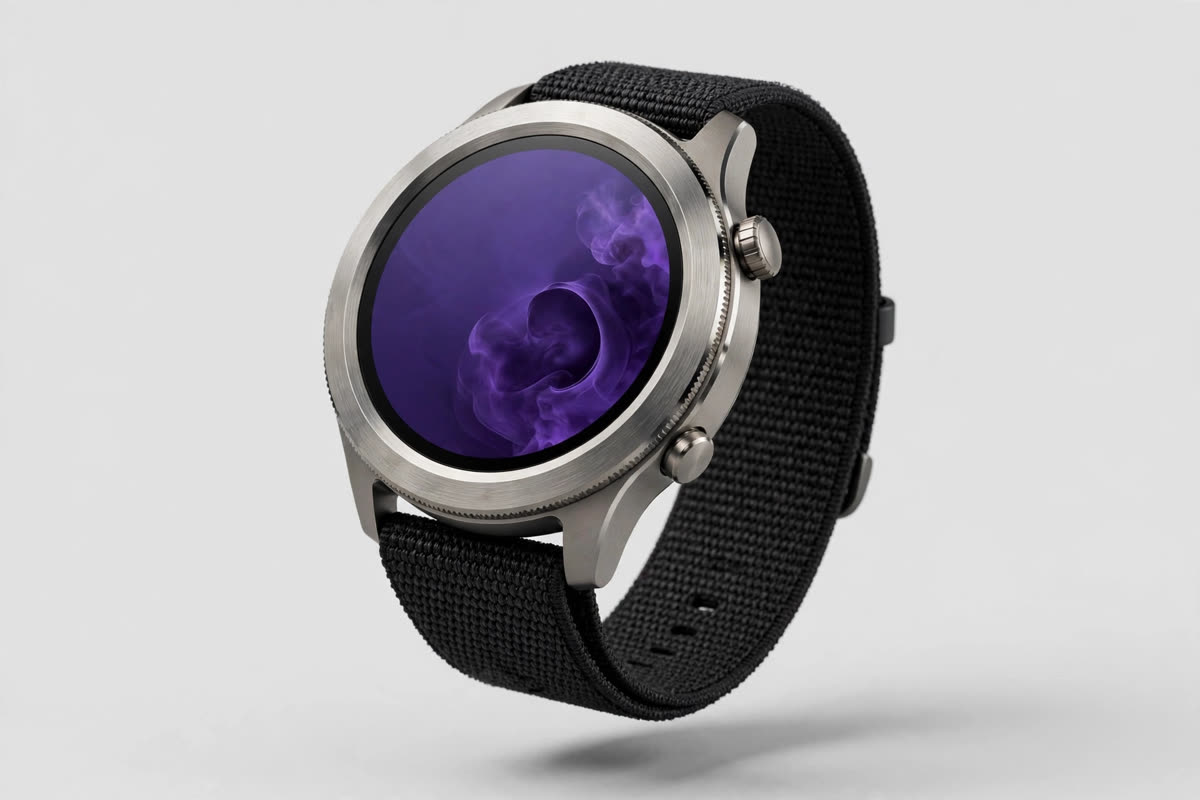
The Amazfit Cheetah Pro is Amazfit’s premium running watch, built around its MaxTrack dual band GPS positioning for accurate route tracking in challenging environments. The 1.45 inch AMOLED display is big and bright, the titanium alloy bezel adds a premium feel, and the 440mAh battery is rated at up to 14 days of typical use with GPS modes stretching from 26 to 54 hours depending on accuracy settings. You also get 5 ATM water resistance, Bluetooth phone calling, offline music storage, and Alexa built in.
Runners who want flagship style hardware and strong battery without the Garmin price are the core audience. The Zepp app delivers genuinely useful running insights, including AI generated training plans through Zepp Coach, and the watch pairs with both Android and iOS, so unlike some rivals it does not lock out iPhone users. For runners who also want a good looking daily smartwatch, the Cheetah Pro covers both roles better than most dedicated running watches.
The tradeoffs are about depth, not hardware. Zepp Coach and the training analytics are good but not as deep or as proven as Garmin’s training ecosystem, and third party app support on Zepp OS is limited compared with Wear OS. Serious data nerds who live in TrainingPeaks style analytics may find the platform shallower than they want. But for runners who value battery, display, and value over ecosystem depth, it is a compelling package.
- Best for: runners who want premium AMOLED style, long battery, and dual band GPS at a mid range price.
- Look for: the Pro over the standard Cheetah if you value the titanium bezel and offline music.
- Keep in mind: training platform is less deep than Garmin’s, and third party apps are limited.
10. Garmin Forerunner 945
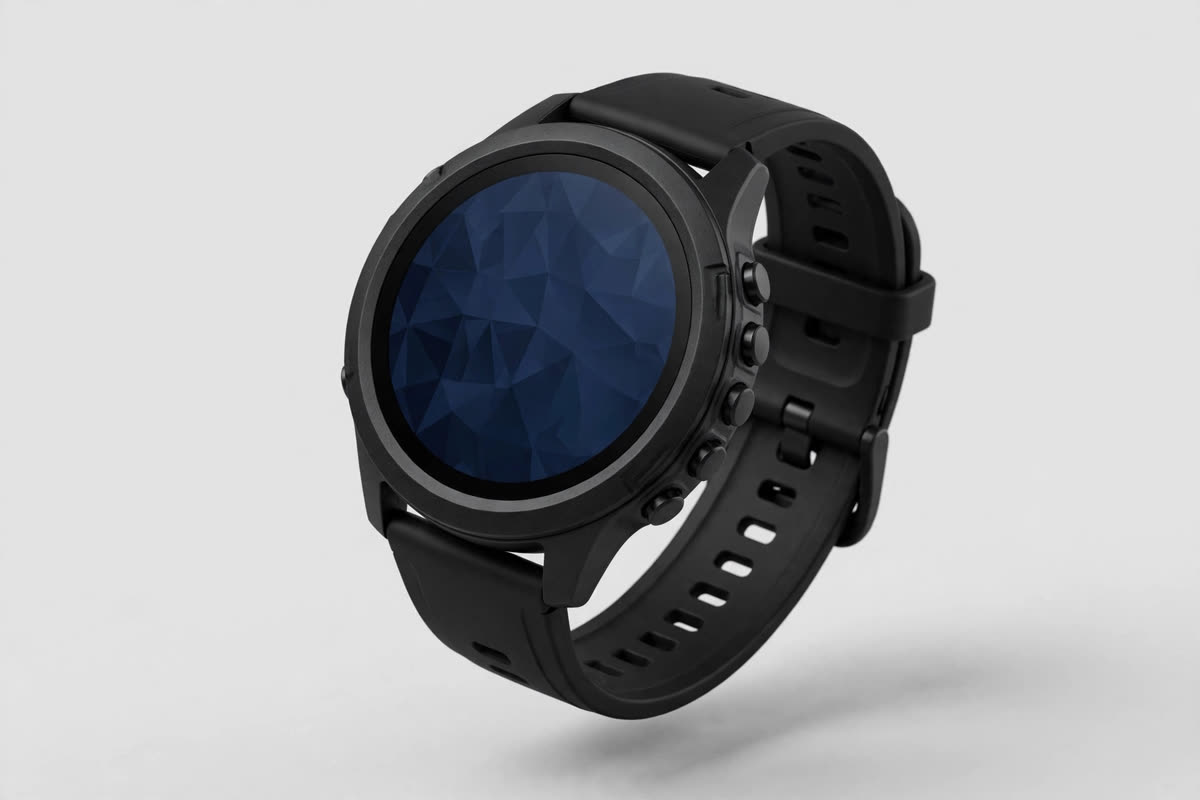
The Garmin Forerunner 945 was Garmin’s flagship running watch of its generation, launched around 2019, and it set the template every premium running watch since has followed. Garmin rated it at up to 2 weeks in smartwatch mode and up to 36 hours of GPS tracking, dropping to around 10 hours with music. It stores up to 1000 songs, includes preloaded topographical maps for navigation on unfamiliar routes, and at 50 grams it stayed remarkably light for everything it packed in.
Its place on this list is as the classic flagship for runners who want maps and marathon plus battery at used market prices. The full Garmin training suite is here: training status, training load, heat and altitude acclimation, and detailed recovery guidance. For runners venturing onto trails in new areas, the onboard maps remain genuinely useful even years later.
It is an older generation device, so buy accordingly. The GPS is single band, the display and processor are dated next to current models, and remaining software support is limited. A used 945 with a tired battery will not reach those original 36 hour claims, so test before you buy. If you want this level of capability with modern hardware and support, the current Forerunner 965 is the spiritual successor, but at used prices the 945 can still be a lot of watch for the money.
- Best for: runners who want flagship maps and ultra long GPS battery at used market prices.
- Look for: used units with verified battery health; factor in a possible battery service cost.
- Keep in mind: older single band GPS, dated hardware, and limited remaining software support.
Final Pick: Which Best Running Watch Should You Buy?
After comparing all ten, our overall recommendation for most runners is the Garmin Forerunner 165. It hits the sweet spot the best running watch needs to hit: a bright readable AMOLED display, genuinely useful training metrics like training readiness and HRV status, light 39 gram comfort, and a price that stays well below flagship territory. Beginners can grow into it, and experienced runners will not outgrow it quickly.
Budget changes the answer. If you can find the Forerunner 55 or its Grey twin at a true clearance price, it remains the cheapest honest entry into GPS training, just be sure the discount reflects its discontinued status. At the other end, dedicated runners with smaller wrists should look hard at the Forerunner 255S for its multi band GPS accuracy, while runners who want flagship maps and marathon plus battery at used prices should consider the Forerunner 945, and triathletes on a budget the Forerunner 745.
For runners who want one watch for everything, the Samsung Galaxy Watch Ultra is the standout: rugged titanium build, dual frequency GPS, and full smartwatch capability, as long as you accept charging every couple of days and carrying the extra weight. The Amazfit Cheetah Pro is the value alternative with premium style and long battery. The EZON T907 only makes sense as a rock bottom experiment, and the Wahoo ELEMNT RIVAL only as a used bargain for Wahoo fans. Whatever you choose, match the watch to your training first and your wishlist second. You can find more thoroughly researched roundups like this one on DixTrick, where every list is built to help you buy once and buy right.
Frequently Asked Questions
Is the Garmin Forerunner 55 discontinued?
Effectively yes. Garmin has marked the Forerunner 55 as discontinued on its US site, and running media reported in September 2026 that the model is being phased out. Remaining new stock is still available at many retailers, often at clearance prices, which can make it a genuine bargain. Just do not pay full price, and consider the Forerunner 165 as the natural successor if the discount is not meaningful.
Which is better for running, a Garmin Forerunner or the Samsung Galaxy Watch Ultra?
For pure running, the Garmin Forerunners win on weight, battery life, and training depth: a 37 to 39 gram watch that runs for weeks beats a heavy smartwatch you charge every couple of days. The Galaxy Watch Ultra wins if you want one device for running plus apps, calls, payments, and notifications, and its dual frequency GPS is genuinely accurate. Choose the Garmin for training focus, the Samsung for do everything versatility.
Do I need to carry my phone for GPS tracking on these watches?
No. Every watch on this list except the EZON T907’s basic implementation has built in GPS that tracks your route independently, and the Garmin, Amazfit, and Samsung models here all record accurate distance and pace with no phone nearby. Add onboard music storage, found on the Forerunner 165 Music, 745, 945, Cheetah Pro, and Galaxy Watch Ultra, plus Garmin Pay or Samsung Wallet, and you can leave the phone at home entirely.
How important is dual band or multi band GPS for a running watch?
It matters most where satellite signals bounce: downtown streets with tall buildings, dense tree cover, and steep valleys. In those spots, dual band watches like the Galaxy Watch Ultra and Amazfit Cheetah Pro, and multi band Garmins like the Forerunner 255S, track noticeably truer routes and steadier instant pace. On open roads and tracks, single band GPS on the Forerunner 55, 165, 745, and 945 is perfectly accurate, so do not overpay for the feature if you run in the open.
Can I swim with these running watches?
Yes, with the right expectations. The Forerunner 745 and 945 and the Wahoo ELEMNT RIVAL include dedicated pool and open water swim modes with stroke tracking, making them true multisport watches. The rest carry 5 ATM or better water resistance, led by the Galaxy Watch Ultra at 10 ATM, so rain, sweat, and casual swimming are safe, but they lack serious swim metrics. Rinse any watch in fresh water after pool or sea swims.
Should I buy a previous generation running watch to save money?
Often yes, with two checks. Previous generation models like the Forerunner 745 and 945 offer flagship features at a fraction of original prices, and running watch hardware ages more gracefully than phone hardware. First, confirm the discount is real and not just a small cut from an inflated original price. Second, check battery health on used units, since GPS battery claims assume a fresh cell. Buy new old stock from a reputable seller when you can, and you get most of the experience for far less money.
The Bottom Line
There is no single best running watch for everyone, but there is a right one for you. Choose the Garmin Forerunner 165 for the best blend of display, training metrics, and value, the Forerunner 255S for multi band GPS accuracy in a light case, or a clearance Forerunner 55 if your budget is tight and the price is truly discounted.
Pick the Samsung Galaxy Watch Ultra if you want one rugged smartwatch that also runs well, the Amazfit Cheetah Pro for premium style and battery on a budget, and the older Garmin flagships if you are comfortable buying used. Match the watch to how you train, be honest about what you will actually use, and you will end up with a training partner you wear every day.