
10 Best Cameras for YouTube Creators and Vloggers
Table of Contents
Introduction
Picking the best camera for youtube in 2026 is both easier and harder than it looks. Easier, because even modest cameras now record sharp, colorful video that would have cost a small fortune a decade ago. Harder, because the market is flooded with lookalike camcorders, bold resolution claims, and brand names you have never heard of, all promising to turn you into the next big creator. The truth sits in the middle: the right camera removes friction from your workflow, while the wrong one adds daily frustration that quietly kills your upload schedule. This guide to the best camera for youtube will help you avoid that fate.
Here is the honest starting point most buying guides skip. Before comparing the best camera for youtube options, know this: your phone is already a capable YouTube camera, and for many beginners it remains the smartest first choice. Dedicated cameras earn their place when you need things phones do poorly: comfortable handheld ergonomics for long takes, real optical zoom, flip out screens you can see in bright light, microphone inputs for clean audio, and bodies that do not overheat twenty minutes into a recording. This list covers both the camera classes that matter for creators and two budget brands we verified as real, so you can shop with clear eyes instead of marketing goggles.
One more note on how to read what follows. Most of the entries below are product classes, not single models, because the source list behind this guide named categories rather than specific cameras. We review each class honestly: what to look for, who it suits, and where its limits are. Where a real brand name appeared, we checked whether it actually exists before writing a word about it. For more roundups in the same honest style, browse the top 10 guides on DixTrick alongside this one.
How We Chose
We started with verification, not opinions. Of the ten entries on the source list, two carried brand names: XNSIAKXA and ZYDIIE. Both looked like garbled marketplace strings at first glance, so we searched live retail listings before treating them as real. Both check out as genuine budget camera brands sold on Amazon, with multiple product listings, model numbers, and instruction manuals in circulation.
Remaining eight entries are generic class names such as vlogging camcorder and stabilizer camcorder, so we reviewed them as classes, judging each type on what actually matters for YouTube work: honest imaging capability, stabilization behavior, screen usability, autofocus performance during video, microphone options, and battery practicality. Those are the factors that decide which is the best camera for youtube for your style, not the headline numbers. That is how we identify the best camera for youtube for different creators.
Just as important is what we did not do. We invented no prices, no star ratings, no review counts, and no specification numbers we could not confirm. Where a brand listing makes a claim, we say it is a listing claim, because headline numbers on budget cameras deserve skepticism until you see real footage. The result is a guide about what to look for and who each option suits, written so a first time buyer can choose the best camera for youtube informed rather than impressed.
1. Vlogging Camcorder
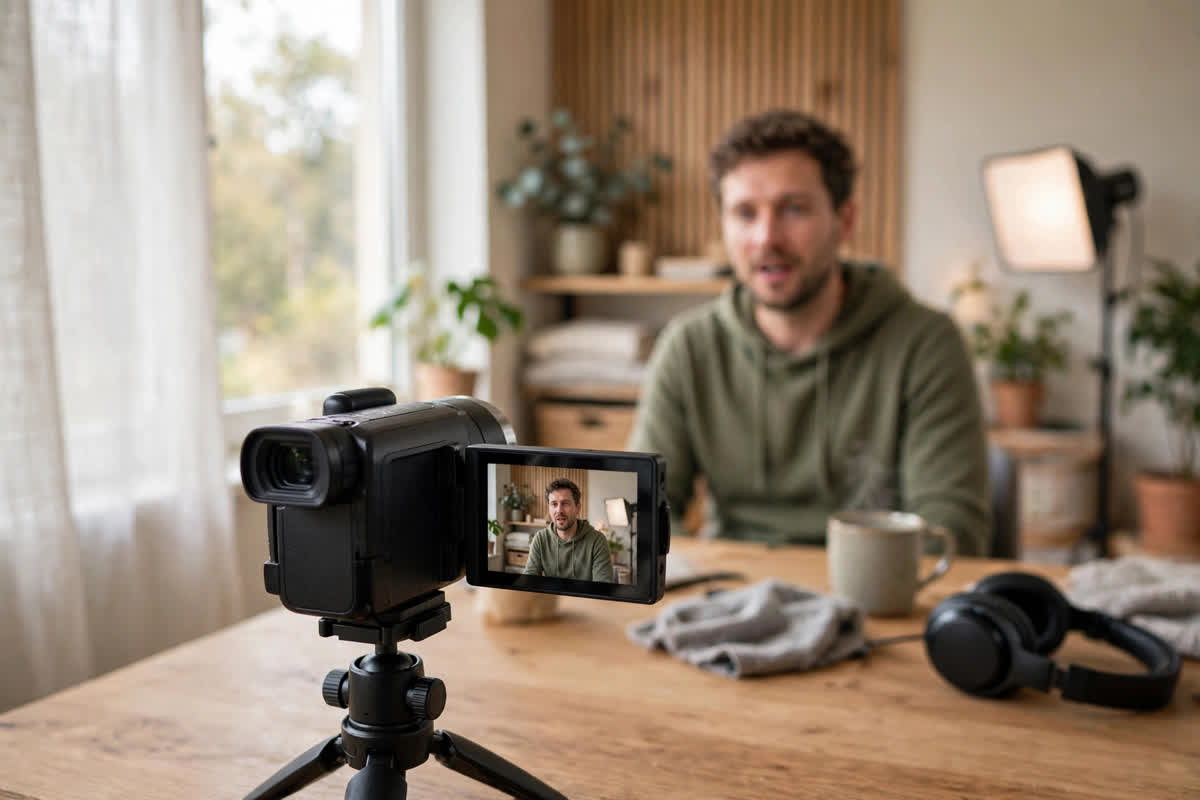
This is a class guide, not a single model. A vlogging camcorder is the classic handheld YouTube shape: a pistol grip body built for one job, which is recording you, easily, for a long time. The hallmarks are a flip out selfie screen, simple menus, a light body, and a record button exactly where your thumb expects it. This is the class behind countless talking head channels, daily vlogs, and unboxing videos, because it removes every excuse between an idea and a recorded take. If you are starting a channel and want the simplest path to consistent uploads, this is where most creators begin.
What to look for starts with the screen: it should flip fully forward and stay visible in daylight, since a screen you cannot see outdoors is decoration. Next is stabilization that smooths real walking shots rather than just looking good on a specification sheet. Then autofocus that holds your face during video without hunting or pulsing. A microphone input matters enormously, because built in mics on budget camcorders are the weakest link in the chain. Finally, judge battery life in hours of actual recording, not standby time, and check that spare batteries are affordable, because long filming days eat through a single charge.
The honest limits are worth stating plainly. Camcorder sensors are small, so expect modest low light performance and limited background blur compared with larger sensor cameras. Footage looks its best in good light, which is why creators who master an inexpensive lighting setup often outperform owners of pricier bodies filming in dim rooms. If your hunt for the best camera for youtube starts with simplicity, choose this class: it suits creators who are starting out, film mostly themselves, and want reliability over exotic features. Skip it if you already own a recent phone and only film seated at a desk, since the upgrade may be smaller than the marketing suggests.
2. Anti-Shake Camcorder
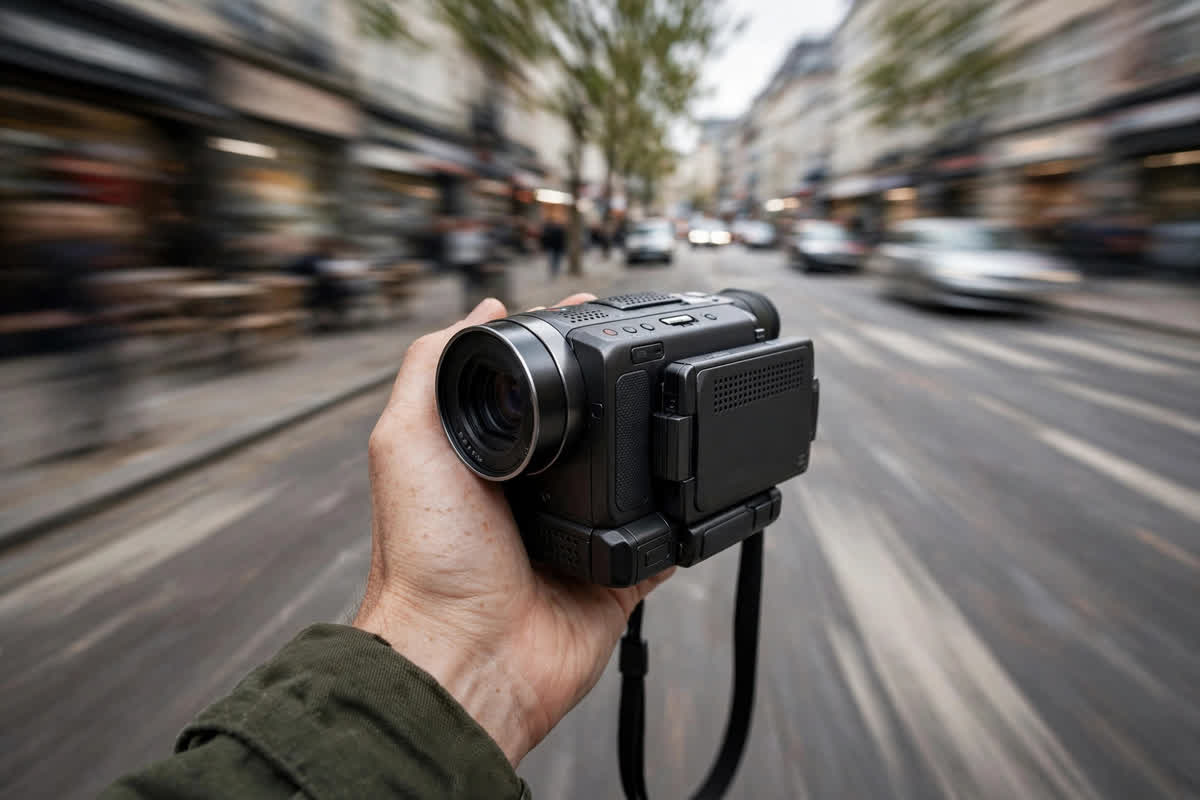
This is a class guide, not a single model. Anti shake is marketing shorthand for image stabilization, and for YouTube it matters more than megapixels. The difference between a shaky handheld clip and a smooth one is the difference between a viewer clicking away in ten seconds and watching to the end. This class covers camcorders whose headline feature is steadier footage, aimed at walk and talk vloggers, travel creators, and anyone who films without a tripod. If your channel involves moving your feet while the camera rolls, this class belongs on your best camera for youtube shortlist.
What to look for means learning the two flavors of stabilization. Optical stabilization moves lens elements to counteract shake and generally looks more natural, while electronic stabilization steadies the image digitally with a slight crop of the frame. The better budget models combine both. Be skeptical of axis counts in listings; a bold stabilization claim means little if real world demo footage still wobbles. Watch sample videos from actual owners rather than polished launch clips, check how the camera behaves while walking instead of standing still, and confirm stabilization stays active at the resolution you plan to use, since some models quietly disable it at their maximum settings.
The honest limits: no stabilization fixes bad technique entirely. Slow deliberate movements, a two handed grip, and a little practice multiply whatever the hardware gives you, and every stabilized camera still benefits from a creator who moves with intention. This class suits movement heavy creators first. If you film seated at a desk ninety percent of the time, put your money toward audio and lighting instead, where it will show up in every single video.
3. Auto-Focus Digital
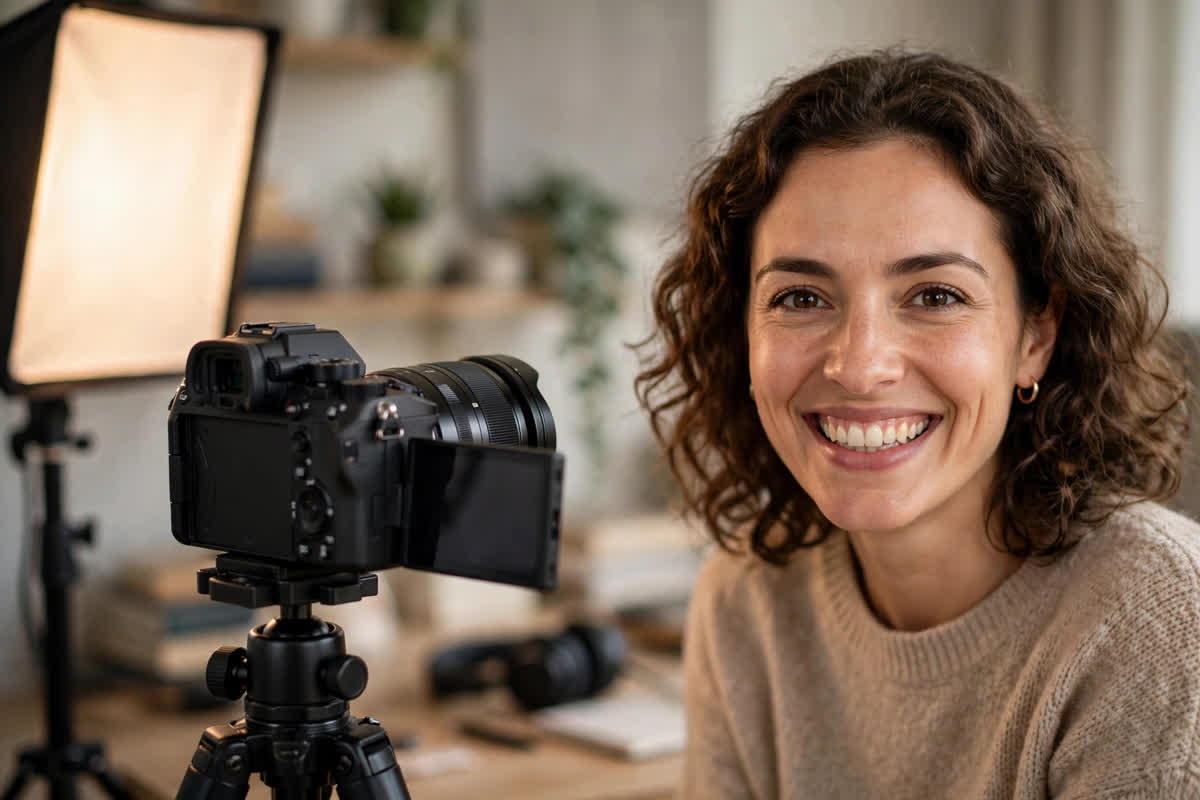
This is a class guide, not a single model. If you film alone, autofocus is your unpaid camera operator. A digital camera with strong video autofocus keeps your face sharp while you move, present products, and gesture naturally, which is exactly what solo YouTubers need. Weak autofocus does the opposite: it hunts, pulses, and drifts to the background at the worst moments. Viewers notice the problem even when they cannot name it, and soft or pulsing focus quietly signals amateur production.
What to look for starts with a critical distinction: how the camera focuses during video, not just for still photos, because those are different systems on many bodies. Face and eye detection tuned for video is the feature that matters, along with focus transitions that are quiet and smooth rather than jerky. Check low light behavior carefully, since dim rooms are where inexpensive autofocus falls apart first. Look for focus area controls that let you tell the camera which subject matters, so it does not lock onto a bookshelf behind you. And confirm the lens does not make audible focusing noises that the microphone will pick up.
A few honest notes round out the picture. Budget models often focus well in good light and struggle in dim rooms; that is normal physics, not a defect, and better lighting fixes more focus problems than a pricier body. Test any candidate with your actual filming setup before committing, not just in a bright store. And learn the manual focus fallback for product close ups, because even excellent autofocus benefits from a human override when you hold an object up to the lens for the audience to see.
4. Dual-Lens Photography
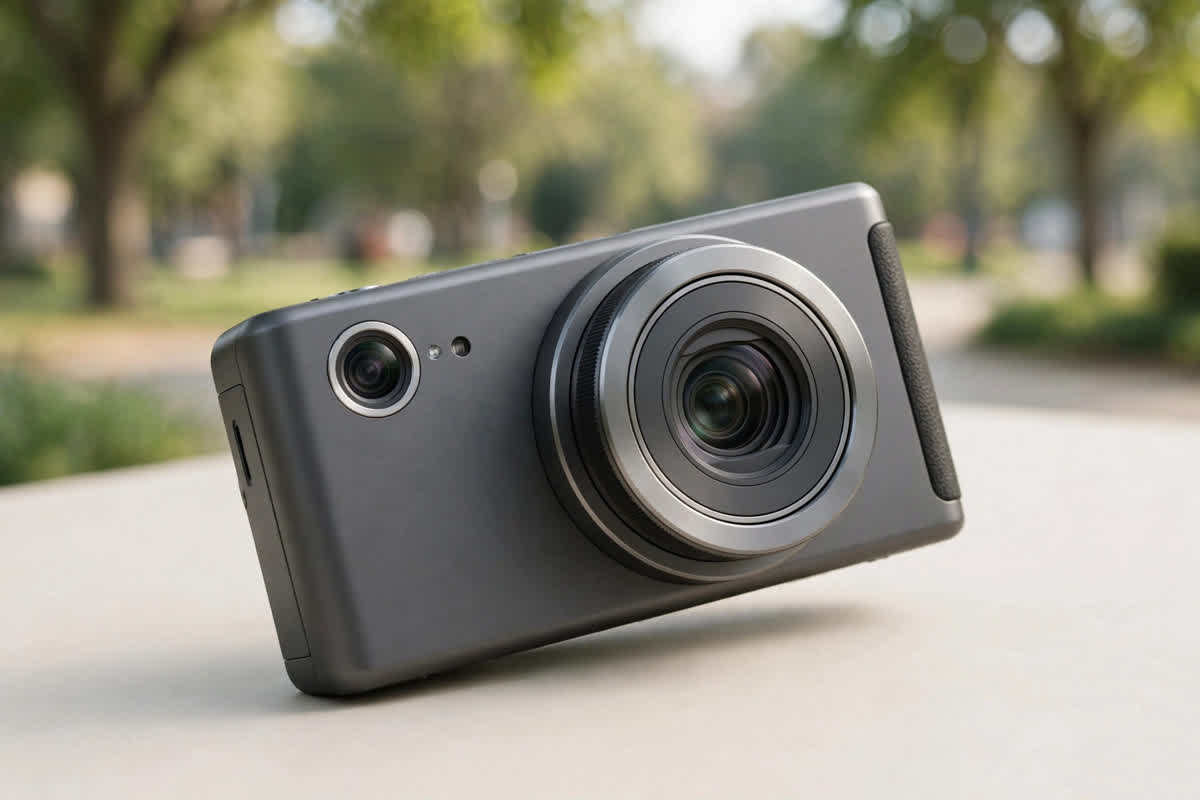
This is a class guide, not a single model. Dual lens cameras carry two lenses, usually one facing forward and one facing you, with a button that switches between them. The appeal for creators is obvious: frame a selfie style shot, then flip to the rear lens for whatever you are looking at, without turning the camera around or guessing your framing. This class leans toward photography first, with video as a strong second act, which suits creators who shoot thumbnails, stills, and video on the same device and want one tool for the whole job, which makes this class a dark horse in any best camera for youtube roundup.
What to look for begins with a question many listings gloss over: do both lenses actually record video, or is the second lens stills only. On some designs the front lens exists mainly for selfies and the rear lens does the serious work, so compare the two honestly instead of assuming they match. Check the screen, because you need to see yourself clearly when the front lens is active. And read resolution claims with extra care, since budget dual lens models are exactly where inflated megapixel numbers cluster. Real sample photos and videos from owners tell you more than any specification sheet.
Who it suits: beginners who want one inexpensive device for photos and video, travel creators who hate swapping gear, and anyone whose channel mixes stills with vlogs. The trade off is that splitting the budget across two lenses means neither lens is exceptional, so set image quality expectations at solid rather than stunning. If video is ninety percent of what you do, the video first dual lens class later in this list may fit your channel better.
5. XNSIAKXA Dual-Lens
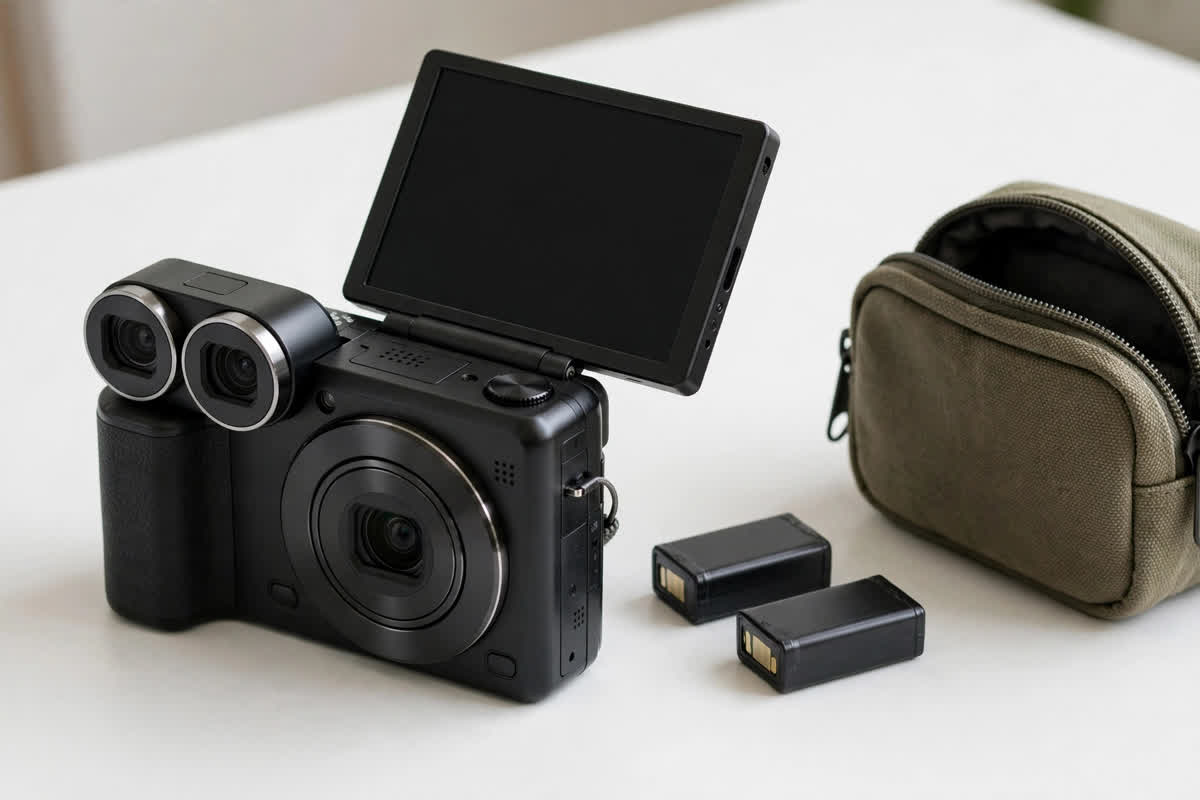
XNSIAKXA is a real brand, which is worth stating plainly because the name looks like a keyboard scramble. We verified it through live Amazon listings under its own brand name, including a dual lens digital camera line with model numbers such as DC226, plus an instruction manual trail through third party manual sites. It sits squarely in the budget marketplace tier: inexpensive cameras sold online with long feature lists and modest prices. That verification matters, because an odd looking name with real listings behind it is very different from an odd looking name with nothing at all.
What the listings describe, in their own words, is a dual lens vlogging camera with one button switching between front and rear lenses for selfies and vlogs, a 3.2 inch IPS touchscreen, stabilization, and Wi-Fi for moving files to a phone. Kits typically bundle two batteries, a memory card, and accessories such as a lens hood and carrying bag. Treat the headline resolution figures as marketing rather than measured performance; that skepticism applies to the entire budget tier, not just this brand. What actually decides whether this camera pleases you is simpler: whether the screen is usable in practice, whether the lenses switch cleanly, and whether the stabilization smooths real walking footage.
Who it suits, with honest caveats attached. This is a pick for beginners on a tight budget who want maximum features per dollar and understand they are buying a starter tool, not a lifetime camera. Marketplace brands have thinner service histories than established names, so buy where returns are easy and test everything in the first week: both lenses, the touchscreen, the Wi-Fi transfer, and a full battery cycle. For the price tier, a verified real brand with genuine listings beats a mystery name every time, and that is exactly what XNSIAKXA turned out to be: a legitimate best camera for youtube budget contender with real listings behind the name.
6. Vlogging Digital Camera
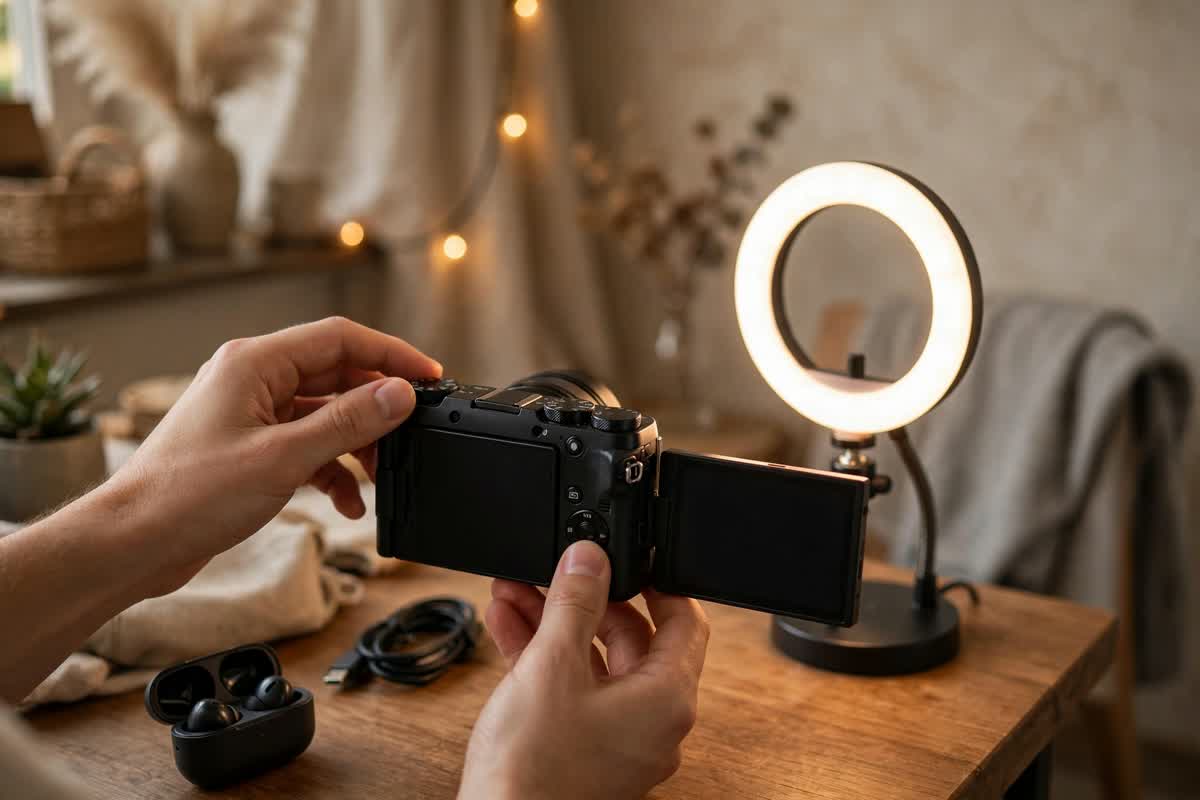
This is a class guide, not a single model. This is the compact camera class built specifically for creators: pocketable bodies, flip forward screens, and creator friendly modes such as background defocus and product showcase autofocus that keeps objects held up to the lens sharp. Where camcorders feel like tiny video cameras, these feel like still cameras that learned video, and for many YouTubers that is the sweeter combination. If your channel mixes vlogs with photography, or you simply prefer a camera that fits in a jacket pocket, this class deserves your attention in the race for the best camera for youtube.
What to look for starts, as always, with audio. A microphone input is the single most valuable port on a vlogging camera, with a cold shoe for mounting the mic running a close second. Check 4K for heavy cropping, since some models narrow your framing sharply at higher resolutions and ruin the wide selfie shot you bought the camera for. USB webcam functionality is a quiet bonus that turns the camera into a streaming and video call tool, extending its value beyond YouTube uploads. Battery life is the perennial weakness of small bodies, so price in at least one spare battery and a charging routine before you buy.
The trade offs are straightforward. Against camcorders, these cameras usually win on image character and lose on recording stamina and zoom range. Against phones, they win on ergonomics, real optical zoom, and audio expandability. Choose this class if your channel is personality driven, you film in varied locations, and you want one device that also takes genuinely good stills for thumbnails and social posts. It is the most versatile shape on this list, which is why so many creators land here and stay.
7. Stabilizer Camcorder
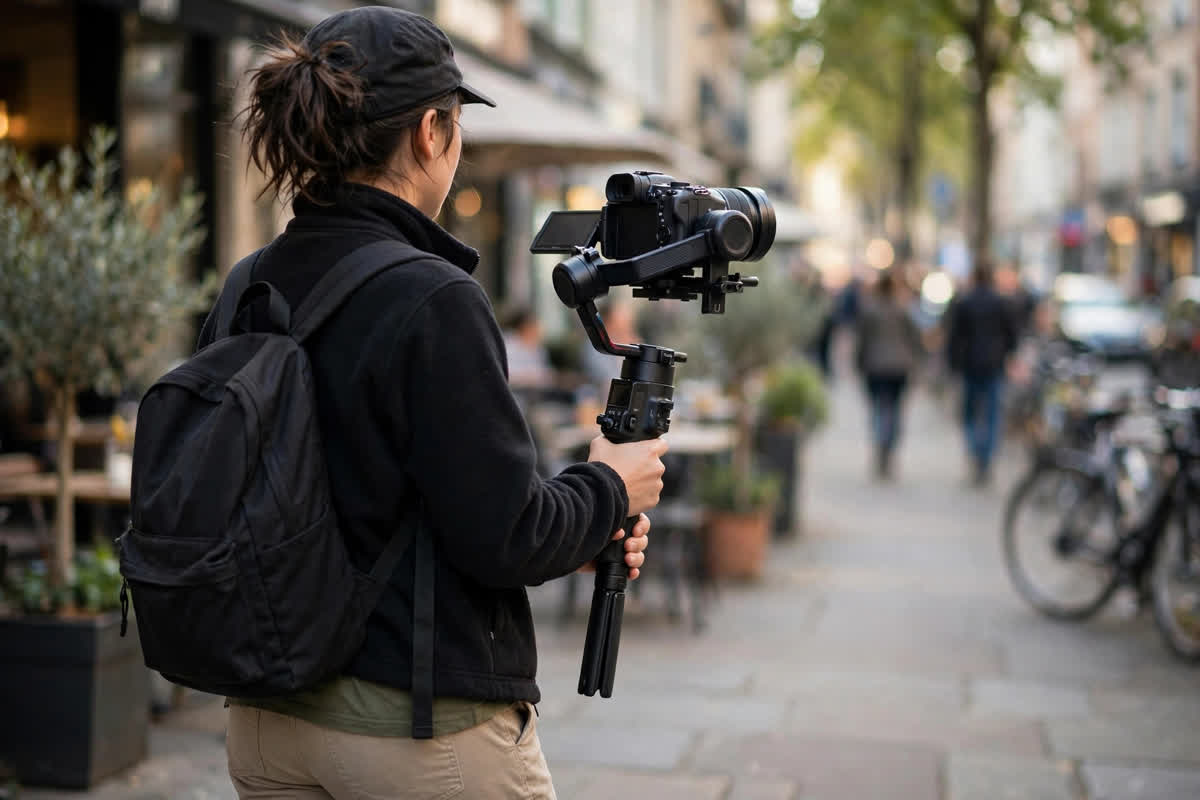
This is a class guide, not a single model. Where the anti shake class promises steadier footage, the stabilizer class is built around movement as a filming style. Think gimbal like handling, advanced electronic stabilization, or bodies designed to pair with handheld stabilizer rigs. This is the territory of travel films, fitness content, real estate walkthroughs, and any channel where the camera is constantly in motion and shaky footage would sink the whole concept.
What to look for starts with a fork in the road: stabilization built into the body, or a separate handheld gimbal. Built in is simpler, always ready, and adds no extra gear to carry. A separate rig is steadier but adds weight, cost, and setup time to every shoot. Check how stabilization affects battery life, because it is power hungry and long filming days get shorter fast. Confirm the camera balances well with accessories attached, since a microphone and a light can upset a small rig. And be honest about the learning curve: smooth stabilized footage is a skill, and the first week of practice looks rough for everyone.
A few honest notes before you spend. Stabilization improves footage but cannot replace deliberate movement; walk heel to toe, keep your elbows tucked, and plan your moves instead of improvising. If most of your content is filmed seated, this class is overkill, and your budget works harder in audio and lighting. Buy for the channel you actually run, not the cinematic travel films you might make someday. For the right creator, though, nothing else on this list delivers motion this smooth.
8. 4K Camcorder Mic
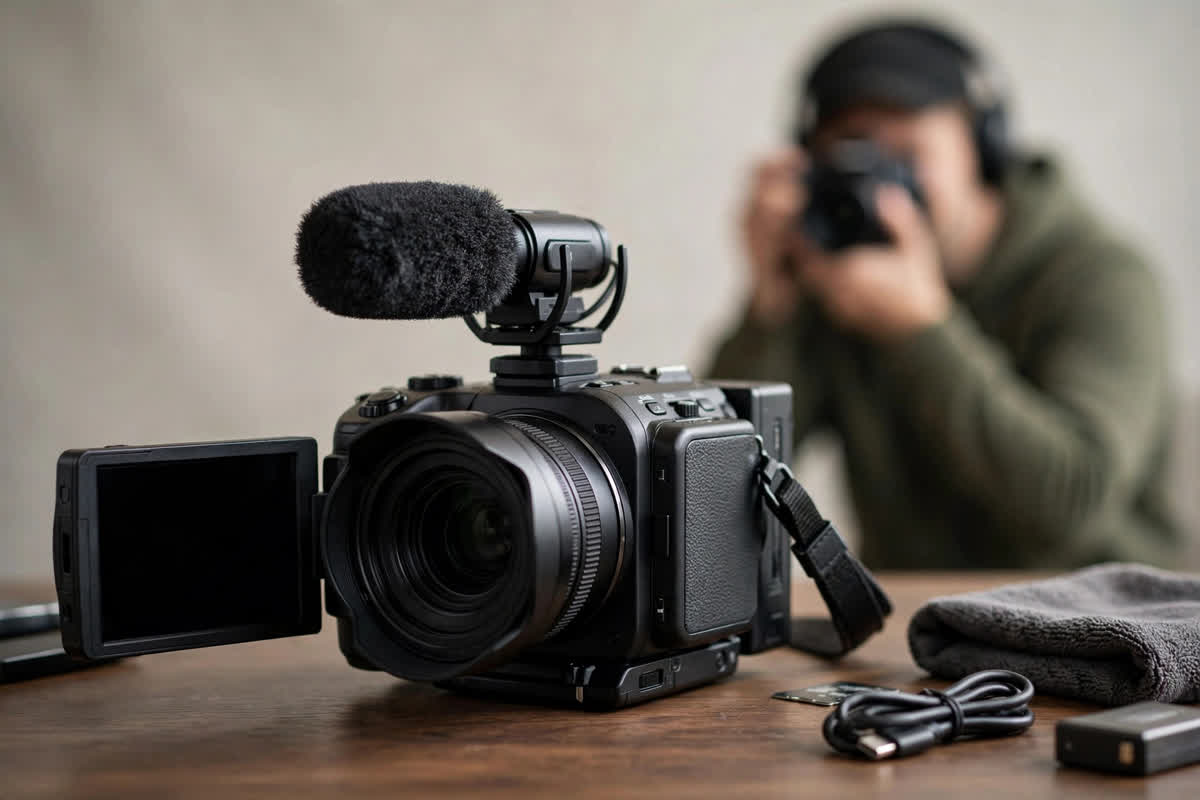
This is a class guide, not a single model. Viewers forgive imperfect video far sooner than imperfect audio, which makes this class quietly important: 4K camcorders sold with, or designed around, better microphone setups. The concept is simple. Pair the convenience of a camcorder with audio that does not sound recorded inside a tin can, whether through a bundled external microphone or proper support for adding your own. For interviewers, teachers, and tutorial makers, this combination matters more than any resolution badge, and the reason this class keeps appearing in best camera for youtube guides.
What to look for is mostly about sound. A dedicated microphone input is non negotiable, plus a shoe mount to hold the mic and manual audio level control so loud moments do not distort. Headphone monitoring, even through an adapter, lets you catch problems during the take instead of discovering them in editing. On the video side, read the 4K badge honestly: sensor size and lens quality shape the image more than the resolution label, and clean 1080p from a good sensor beats mushy 4K from a poor one every time. Check whether stabilization and 4K can run together, since some budget models force you to choose.
Who it suits: interviewers, tutorial makers, event videographers, and anyone whose content stands or falls on spoken words. The bundled microphone on budget kits is a starting point, not a destination; plan to upgrade it as your channel grows. If your videos use voiceover recorded separately in a quiet room, a simpler camera plus a dedicated audio recorder may serve you better and cost less than chasing this class.
9. Dual-Lens Digital
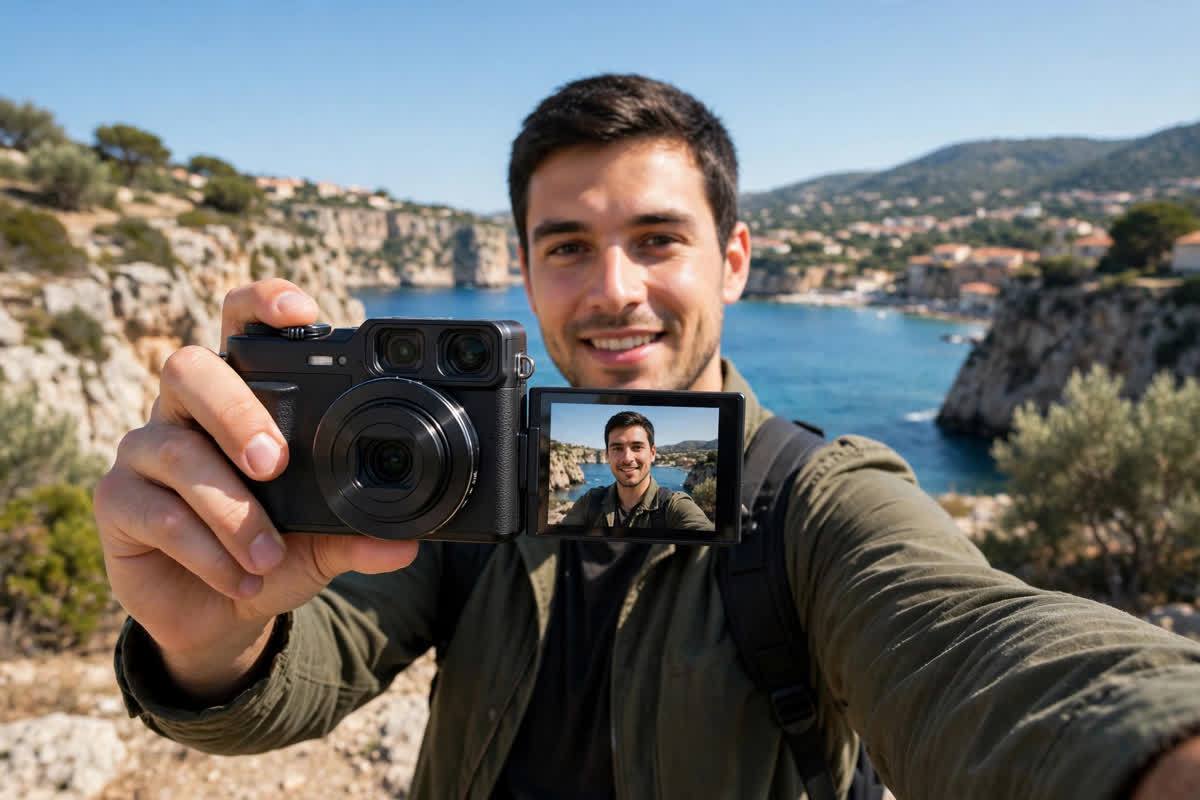
This is a class guide, not a single model. This is the video first sibling of the dual lens photography class: digital cameras with front and rear lenses aimed squarely at vloggers rather than photographers. The pitch is the same one button lens switching, but the design priorities tilt toward recording: longer video takes, video friendly screens, and handling that favors holding the camera at arm’s length for extended selfie segments. If the earlier dual lens entry felt photo leaning, this is its video leaning counterpart.
What to look for shifts toward video fundamentals. Available frame rates matter more here than still photo specifications, as does how long the camera records before stopping or overheating on a warm day. Confirm which lens serves which purpose, because the rear lens typically delivers the better image while the front lens delivers the convenience of seeing yourself. Check that the screen articulates fully for selfie framing at arm’s length. And as with every budget dual lens design, treat headline resolution numbers as optimistic until real footage proves otherwise.
Choosing between the two dual lens classes comes down to your ratio of video to stills. Pick this one if video dominates your channel and the camera will spend its life recording. Pick the photography leaning class if you shoot as many stills as clips. Either way, you are buying versatility and convenience at a budget price, so set image quality expectations at solid rather than stunning, and spend the savings on light and sound, where viewers actually notice the difference.
10. ZYDIIE Touchscreen
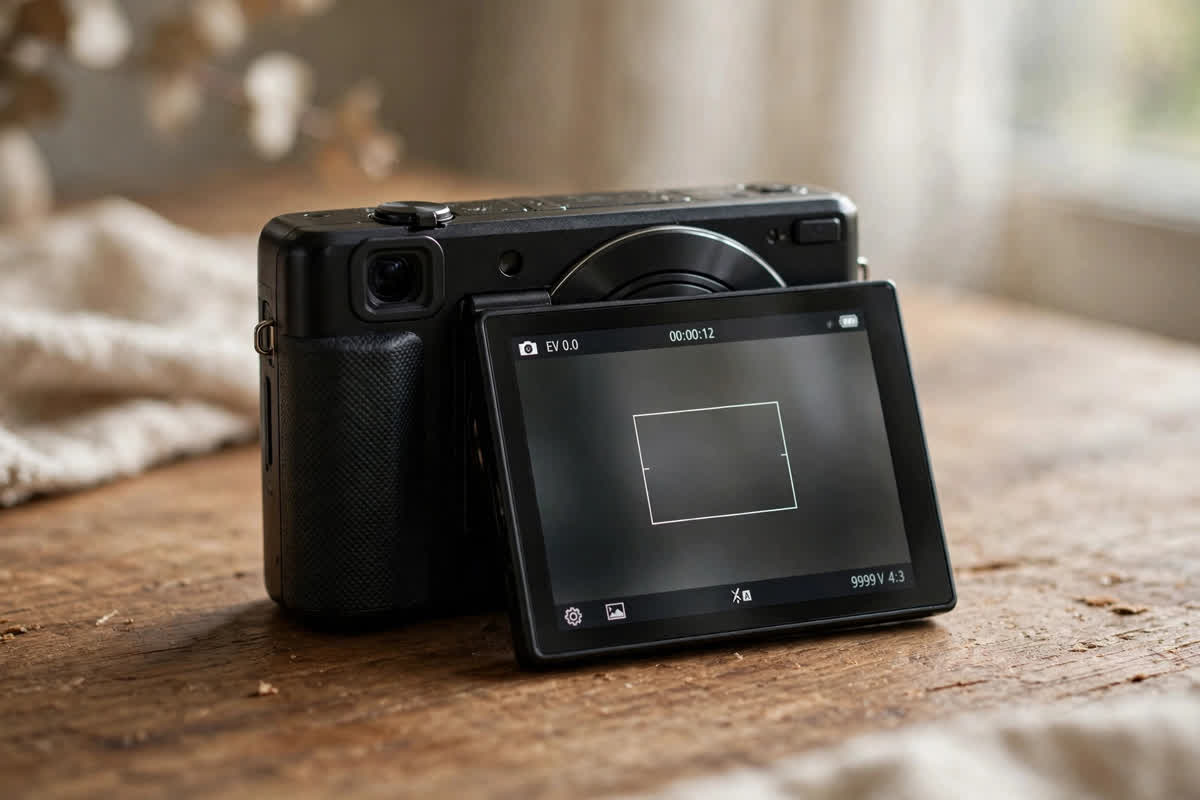
Like XNSIAKXA, ZYDIIE is a genuine marketplace brand despite the Scrabble tile name. We verified it through live Amazon listings under its own brand name and an instruction manual hosted on a third party manual site. Its catalog centers on affordable digital cameras and camcorders, and the touchscreen is the through line: these are cameras designed to be operated by tapping a screen rather than digging through button menus. For beginners intimidated by traditional camera controls, that design choice is a genuine selling point.
What the listings describe, in their own words, includes 4K camcorder models with a 3 inch IPS touchscreen that rotates for selfie framing, infrared night vision, webcam mode over USB, and a wireless remote, with two batteries and a memory card in the box. Separate dual camera models advertise front and rear lenses with anti shake and their own touchscreens. As with all budget listings, read the headline numbers as marketing claims and judge by real sample footage and the return window, not the specification sheet. The touchscreen experience itself, responsiveness and menu logic, is the thing to evaluate in owner reviews.
Who it suits, with honest caveats. Beginners who want a friendly touchscreen interface, a rotating selfie screen, and a complete kit in one box will find a lot to like at this tier. The same marketplace brand caveats apply as with XNSIAKXA: thinner service history than legacy brands, so buy from a seller with easy returns and test every feature promptly, from the touchscreen to the night vision to a full battery cycle. Among budget touchscreen options, a verified real brand is a meaningful trust signal, and ZYDIIE cleared that bar as a best camera for youtube budget pick.
Final Pick
If this list had to collapse to one recommendation for the best camera for youtube for most beginners, it would be a choice between two classes rather than one winner. The vlogging digital camera suits personality driven channels that mix photos and video, while the 4K camcorder with microphone support suits creators whose content stands on spoken words. Both remove the real bottlenecks, which are framing yourself easily and sounding clear. On a tight budget, the two verified brands on this list are honest starting points with real listings behind them: XNSIAKXA for dual lens versatility and ZYDIIE for touchscreen friendliness. Neither pretends to be something it is not, which is precisely the point.
Whatever you choose, decide your format first and buy for it. A desk bound educator and a travel vlogger need different tools, and no camera fixes a channel with no upload schedule. Put any leftover budget into a basic light and a decent microphone before chasing a pricier body, because those two upgrades show up in every video you publish. For more buying guides built the same careful way, explore the full collection of top 10 lists at DixTrick and compare categories side by side.
FAQ
What is the best camera for youtube for starting a YouTube channel?
For most beginners, the best camera for youtube is a vlogging style camcorder or compact digital camera with a flip forward screen. It lets you frame yourself without help, records long takes without overheating, and stays simple enough that you actually use it. Match the class to your format: talking head and daily vlogs favor camcorders, while mixed photo and video channels favor compact digital cameras. Prioritize a microphone input and dependable autofocus over headline resolution numbers when choosing the best camera for youtube.
Do I need 4K, or is 1080p enough for YouTube?
1080p remains perfectly fine for most channels, and clean 1080p from a decent sensor beats soft, noisy 4K from a poor one every time. 4K earns its keep when you crop into footage in editing or want extra sharpness on large screens, but it also demands more storage, more processing power, and sometimes disables stabilization on budget models. Buy the better sensor and lens first, and treat 4K as a bonus rather than a requirement.
Is a dedicated camera the best camera for youtube, better than a phone for YouTube?
Phones are excellent and remain the right choice for many beginners. Dedicated cameras pull ahead in specific areas: comfortable handheld ergonomics for long takes, real optical zoom, flip out screens visible in bright light, microphone inputs, and bodies built to record for hours without overheating. If your phone already covers your needs, spend on audio and lighting first and revisit a dedicated camera when a concrete limitation starts frustrating you.
Why does autofocus matter so much for YouTube videos?
Most YouTubers film alone, which makes autofocus the stand in for a camera operator. Good video autofocus with face or eye detection keeps you sharp while you move and gesture; weak autofocus hunts and drifts to the background, which distracts viewers even when they cannot name the problem. Judge autofocus during video specifically, not still photos, and test it in the lighting you actually film in rather than a bright store.
Do I need an external microphone for YouTube?
If your videos feature your voice, an external microphone is the highest impact upgrade you can make. Built in camera mics sit far from your mouth and capture room echo and handling noise, while even an inexpensive external mic placed closer transforms clarity. Look for a camera with a microphone input and a mount for the mic, and learn basic level setting so loud moments do not distort. Viewers forgive average video; they abandon bad audio.
What should beginners check before buying the best camera for youtube on a budget?
Verify the brand is real by finding live listings and, ideally, an instruction manual or established seller history, exactly as we did for the two named brands on this list. Then check the practical things: does the screen flip fully forward, does stabilization work while walking, does autofocus hold during video, is there a microphone input, and how long do batteries last while recording. Buy where returns are easy and test every feature in the first week.
The Bottom Line
The best camera for youtube is not the most expensive one or the one with the boldest specification sheet. It is the camera that matches how you actually film: flip screens for solo creators, real stabilization for movers, honest autofocus for anyone without a camera operator, and clean audio paths for everyone. The classes and verified budget brands above cover that whole map of the best camera for youtube without asking you to overspend on features your channel will never use.
Start where you are, prioritize sound and light alongside the body, and upgrade when your channel’s needs outgrow your gear rather than before. Consistency beats equipment every time; the camera just makes consistency easier. Pick the class that fits your format, verify the listing before you buy, and get back to the part that actually grows a channel: publishing the next video with the best camera for youtube for your needs.
Pingback: 10 Best Video Cameras for Creators in 2026 - DixTrick