
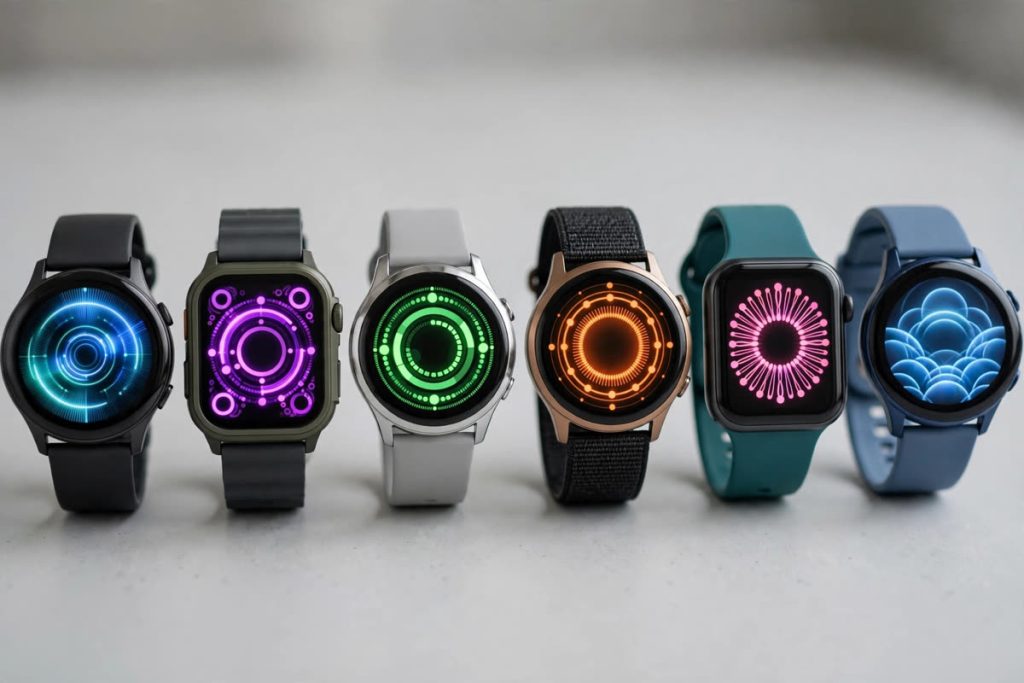
10 Best Smart Watches for Fitness and Daily Use
Why the Best Smart Watches Depend on Your Phone and Your Wrist
Shopping for the best smart watches in 2026 is less about finding one perfect watch and more about matching a watch to your phone, your training habits, and how often you are willing to charge. An Apple Watch is unbeatable for an iPhone owner and useless for someone on Android, while a Garmin that a marathon runner swears by might feel sparse to someone who wants rich apps and voice assistants on their wrist.
That is why this guide exists. At DixTrick we rounded up ten of the best smart watches across every major smartwatch ecosystem, from flagship do everything watches to focused running watches with week plus battery, so you can compare them side by side and choose with confidence.
What makes the best smart watches question tricky is that no single watch wins every category. Battery life, health sensors, app support, display quality, and phone compatibility rarely peak in the same device. The most advanced health features often live in watches with the weakest app stores. Long battery life usually comes from simpler platforms that skip apps entirely. The honest answer is that the right pick depends on what you will actually use every day, not on which spec sheet looks longest.
Below you will find the ten watches we consider the strongest choices right now, each with its real strengths and its honest caveats. This is a review roundup, not a store: product names link out to official brand pages for reference, and there are no sponsored placements or inflated claims here. Note that our owner’s list includes two entries each for the Apple Watch Series 10 and the Garmin vivoactive 5; those are color and variant entries kept in the original order, and each section explains exactly what the difference is. Read each mini review, note which caveats matter to you, and the best smart watches pick for your wrist will be the one you choose for the right reasons.
How We Chose the 10 Best Smart Watches
Every watch on this list earned its place by doing at least one thing genuinely well in real daily use. We weighed the factors that matter on the wrist rather than launch day hype, and we kept the platform realities front and center, because ecosystem lock in is the single biggest regret buyers report when shopping for the best smart watches.
- Real world battery behavior: we favor watches whose battery claims hold up under normal use with notifications, workouts, and sleep tracking turned on.
- Phone compatibility: an Apple Watch only works with iPhones, Samsung and Google watches skip iPhones, and that shapes every recommendation below.
- Health and fitness depth: heart rate accuracy, sleep insights, SpO2, ECG availability, and GPS quality all count more than the raw number of sport modes.
- Training guidance: suggested workouts, coaching plans, recovery metrics, and readiness scores matter enormously to runners and lifters.
- Software maturity: full smart platforms get credit for app support, while simpler platforms earn points for stability and longevity.
- Build and comfort: case materials, water resistance ratings, weight, and how the watch feels after twelve hours on the wrist.
- Long term value: update support, how well older models hold up, and whether a previous generation or color variant is now the smarter buy.
One note on scope: this list covers full smartwatches with touchscreens, notifications, and real workout software, not analog hybrids. Here, we compare wrist computers honestly, charging cables and all.
Table of Contents
1. Apple Watch Series 10 (Black)
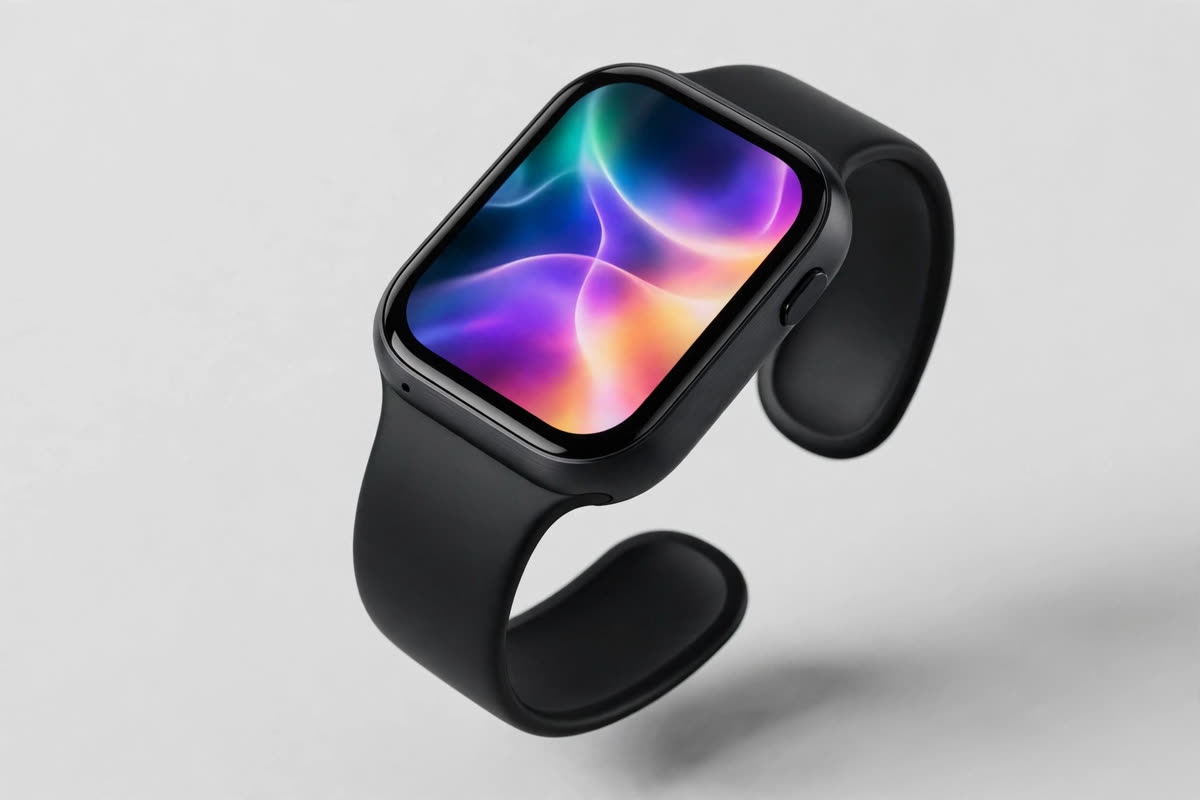
The Apple Watch Series 10 in Black is the flagship Apple Watch in its most popular finish, and it remains the default answer for iPhone owners. Apple made it the thinnest Apple Watch ever at 9.7mm, gave it the largest display in the line’s history with a wide-angle LTPO3 OLED panel reaching up to 2000 nits, and powered it with the S10 SiP. Health hardware covers ECG, blood oxygen sensing, sleep apnea notifications, and wrist temperature, and it pairs with the most mature smartwatch software anywhere: rich notifications, Apple Pay, double tap gesture, and a huge app ecosystem.
In daily use this is the most polished wrist computer you can buy, full stop. Everything feels instant, watch faces are gorgeous, and the fitness tracking has quietly become excellent, with training load insights and accurate heart rate data that rivals dedicated sport watches. Fast charging gets you to about 80 percent in around 30 minutes, which softens the blow of the one real weakness: battery life. Apple rates it at up to 18 hours of normal use, stretching to 36 hours in Low Power Mode, which means nightly charging is part of the routine.
The honest caveats are the familiar Apple ones. This watch only works with an iPhone, full stop, so Android users should stop reading here. It is also now a previous generation device, since Apple has moved its lineup forward, so check Apple’s current lineup page to see what is on sale and at what price before paying full price for old stock. But if you own an iPhone and want the deepest app support and the most seamless pairing of any watch on this list, the Series 10 in Black is still a superb buy at the right price.
- Best for: iPhone owners who want the most polished smartwatch experience with top tier apps.
- Look for: discounted pricing now that it is a previous generation model; the 46mm size for the biggest display.
- Keep in mind: iPhone only, plan on nightly charging, and confirm current availability with Apple.
2. Apple Watch Series 10 (Starlight)
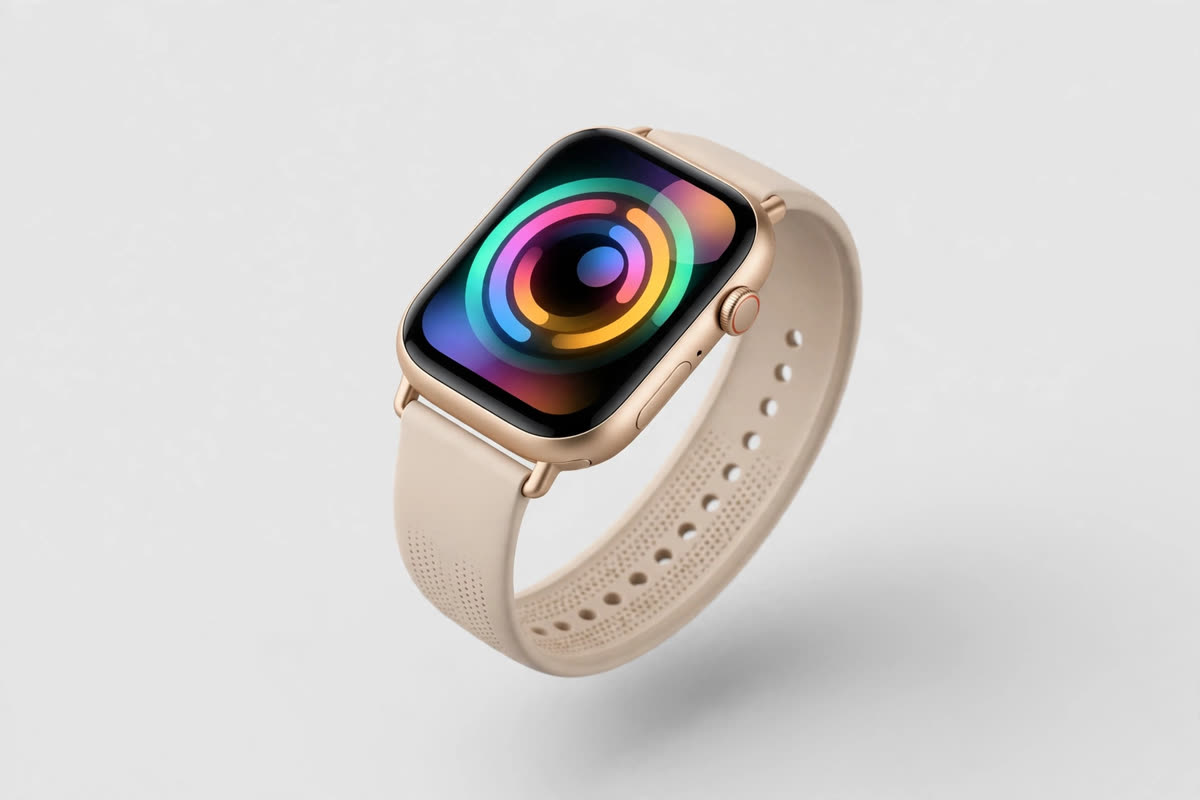
The Apple Watch Series 10 in Starlight is the second Apple Watch Series 10 entry on our owner’s list, kept here as a color variant rather than a different watch. An honest note is in order: Starlight is the variant name recorded in the sheet, and the watch itself is identical to the Black model above in every technical respect. Same S10 chip, same 42mm and 46mm case options, same 2000-nit wide-angle OLED display, same up to 18 hours of battery life with 36 hours in Low Power Mode, and the same iPhone-only pairing.
Choosing between the two entries on this list comes down purely to looks and price, not capability. Software, health sensors, battery behavior, and the watchOS app ecosystem are exactly the same on both, because they are the same watch.
Shop accordingly: buy whichever variant is cheaper or matches your taste, and treat the decision as a style choice. The same caveats apply as the Black model: iPhone required, nightly charging is the norm, and since the Series 10 is now previous generation, a meaningful discount is what makes it worth buying over newer models. If one variant is on clearance while the other sits at full price, the cheaper one is the better watch by definition.
- Best for: iPhone owners choosing the Series 10 who prefer a light neutral finish or find it discounted.
- Look for: price differences between color variants; buy the cheaper one with confidence.
- Keep in mind: identical hardware to the Black model, same iPhone-only pairing and daily charging.
3. Amazfit Balance
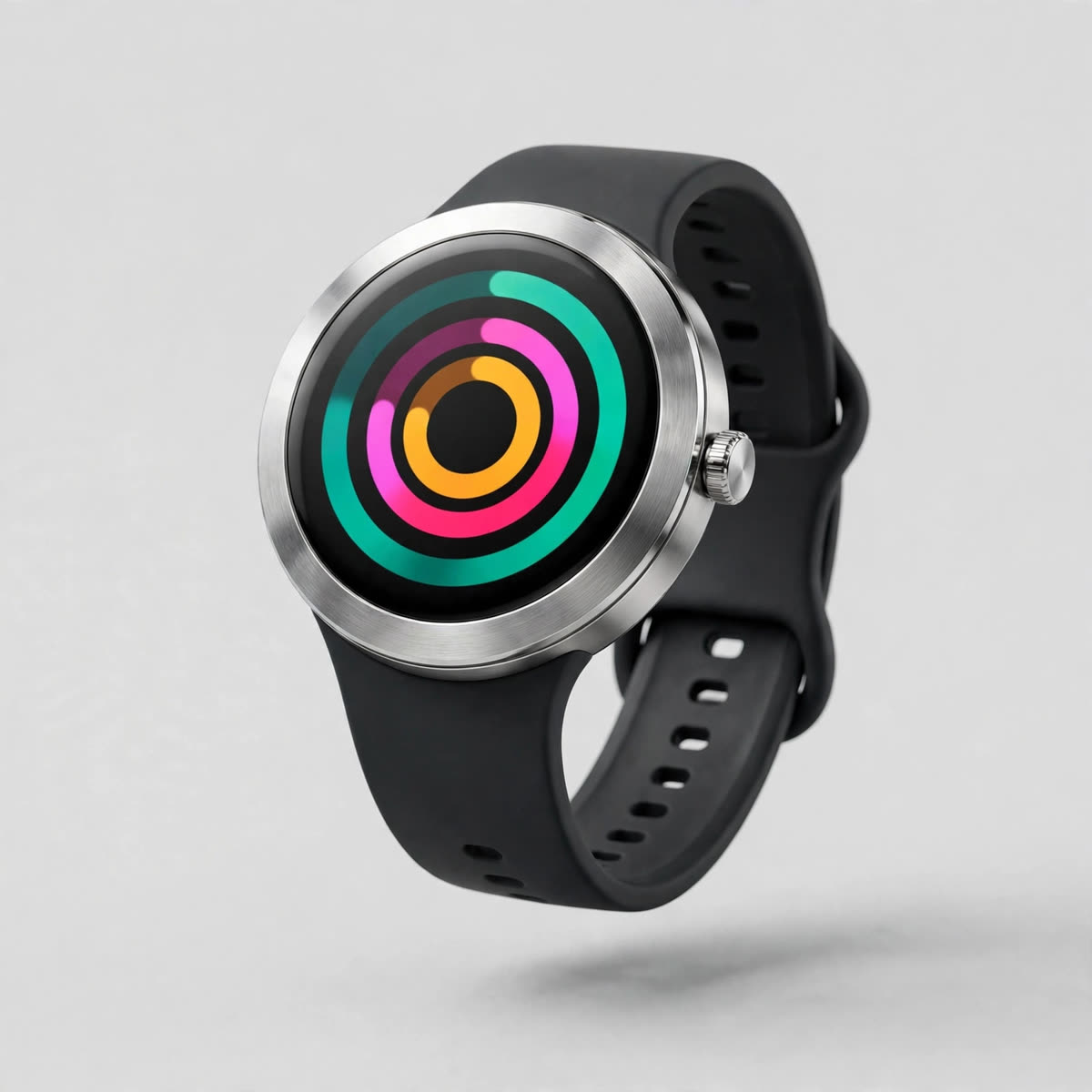
The Amazfit Balance is the battery life champion among full smartwatches in this roundup. Amazfit rates the 475mAh battery at up to 14 days of typical use and up to 25 days in battery saver mode, numbers that come from the efficient Zepp OS platform rather than marketing optimism. Around that you get a 1.5 inch AMOLED display at 480 by 480 resolution, dual-band GPS across six satellite systems, a BioTracker 5.0 optical sensor, body composition measurement, Bluetooth calling, and offline music storage, all in a 46mm aluminum case that weighs just 35 grams without the strap.
This is the pick for people who want a real smartwatch experience without the charger anxiety of Apple and Samsung flagships. The Zepp app delivers readiness scores, AI generated training plans through Zepp Coach, detailed sleep analysis, and stress tracking, while the watch syncs with both Android and iOS, so it is genuinely phone agnostic. Bluetooth calls work well, the display is bright enough for sunny runs, and the dual-band GPS tracks routes accurately in cities where single-band watches wander.
The tradeoffs are software depth and brand maturity. Zepp OS has a growing mini app library but nothing close to Wear OS or watchOS, and some voice features like Zepp Flow are limited by region. There is no ECG or medical grade sensing here, and contactless payment support depends on your region and bank. If you can live with a simpler smart platform, this is one of the best values among the best smart watches you can buy.
- Best for: buyers who want full smartwatch features with two-week battery life and phone freedom.
- Look for: the colorway you like; specs are identical across them, and it is frequently discounted.
- Keep in mind: limited app ecosystem, no ECG, and regional limits on payments and voice features.
4. Fitbit Versa 4
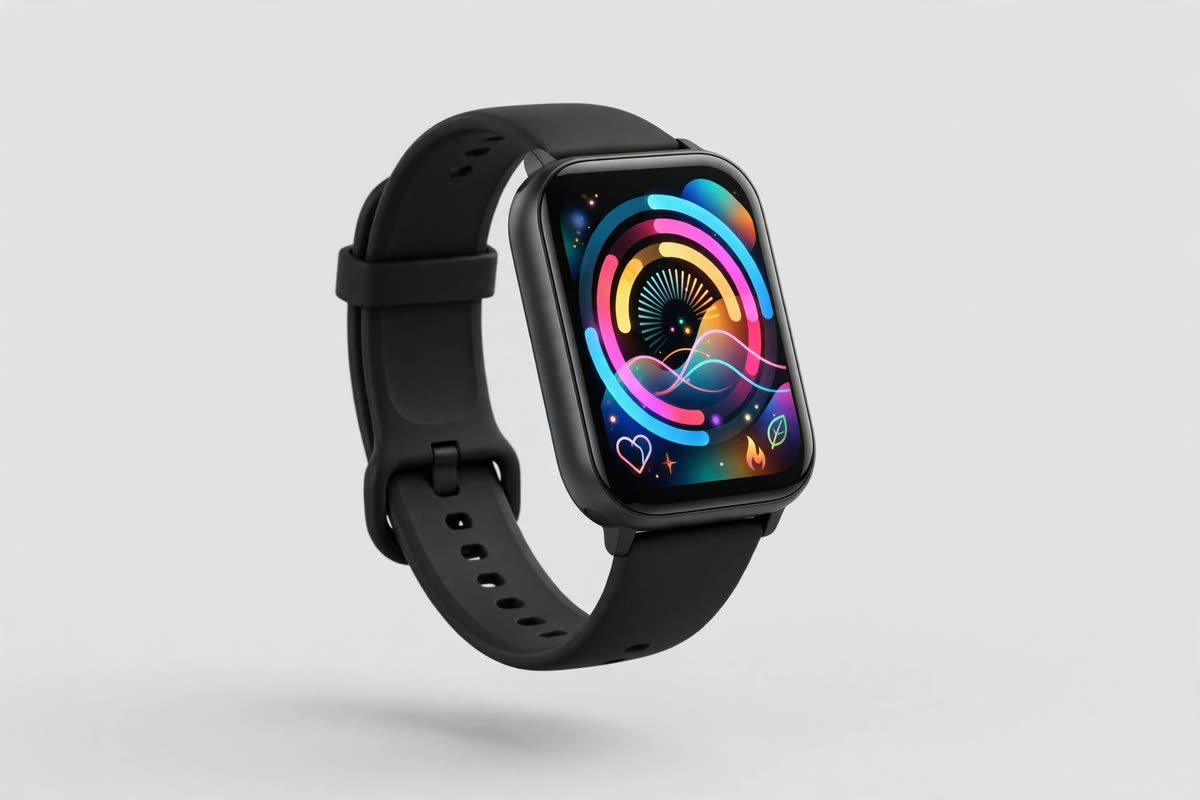
The Fitbit Versa 4 is the fitness first smartwatch for people who live in Fitbit’s health ecosystem. Google rates the battery at 6 or more days, and the square 40.5mm case packs built-in GPS with GLONASS, a multipath optical heart rate sensor, SpO2, an altimeter, NFC for payments, and a speaker and microphone for on wrist Bluetooth calls. The Fitbit app remains one of the clearest health dashboards anywhere: sleep scores, Daily Readiness, Active Zone Minutes, stress management scores, and more than 40 exercise modes, all presented without jargon.
It works with both iPhones and Android phones, which makes it one of the most flexible watches here for mixed device households. Setup and daily use are refreshingly simple: the interface is minimal, tracking is automatic, and the six-day battery means you can wear it every night for sleep tracking without ever thinking about a charger. Google Wallet payments and Google Maps turn by turn directions add genuine smartwatch convenience, and Alexa is built in for voice commands.
There is one non negotiable requirement to know before buying: you need a Google account to set up and use the Versa 4, and your data flows through Google’s systems. Some of the deepest insights sit behind a Fitbit Premium subscription, the Wi-Fi radio is deactivated and cannot be turned on, and there is no app store in the Wear OS sense, so third party apps are essentially absent. Buy it for Fitbit’s health tracking and week long battery, not as a mini smartphone.
- Best for: fitness focused buyers who want Fitbit’s health dashboard with multi-day battery on either phone platform.
- Look for: bundle deals that include a Fitbit Premium trial to test whether the paid insights matter to you.
- Keep in mind: a Google account is mandatory, Wi-Fi is disabled, and advanced insights need Premium.
5. Garmin Forerunner 55
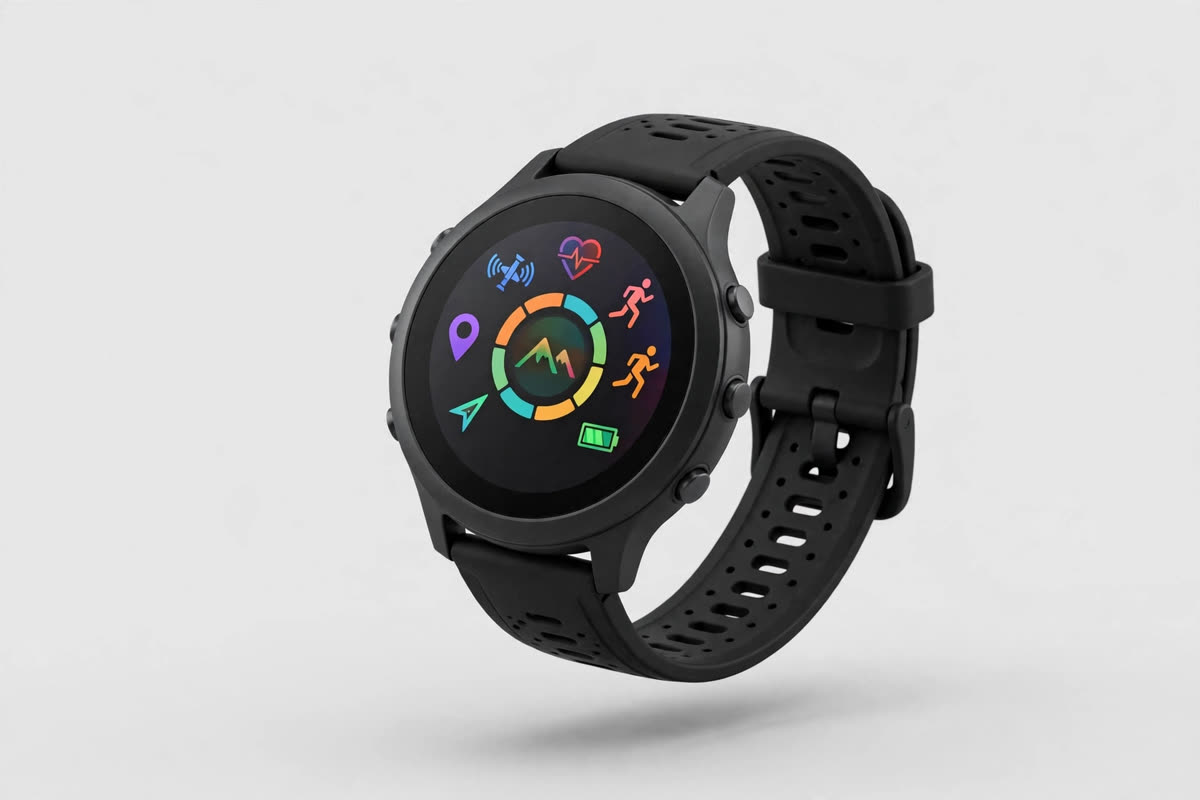
The Garmin Forerunner 55 is the classic entry level running watch, and it remains one of the smartest buys in wearables. Garmin rates it at up to two weeks of battery in smartwatch mode and up to 20 hours in GPS mode, numbers that still embarrass flagship smartwatches. The 1.04 inch sunlight-visible memory-in-pixel display will never win a beauty contest, but it is readable in direct sun and sips power. Running features punch well above the price: PacePro pacing guidance, daily suggested workouts, Garmin Coach training plans, race time predictions, cadence alerts, and incident detection, all syncing to the excellent Garmin Connect app on iPhone and Android.
Beginner and intermediate runners are the natural audience. The five button interface is dead simple, the watch is feather light at 37 grams, and it tracks the essentials with Garmin’s reliable accuracy: GPS pace and distance, wrist heart rate, sleep, stress, Body Battery energy, and respiration. It handles swimming, cycling, HIIT, and Pilates profiles too, so it is more than a one sport tool, and text response features work when paired with an Android phone.
Honest caveats reflect its age and its price tier. This is an older model with a dim, low resolution display, no touchscreen, no onboard music storage, no Pulse Ox, and no contactless payments. If you want a bright AMOLED screen and modern smart features, the Forerunner 165 below costs more but feels like a different century. Buy the Forerunner 55 for what it is: a simple, long lasting running coach that costs less than most fitness bands with half its ability.
- Best for: new runners who want real training guidance and two-week battery at a budget price.
- Look for: sale pricing, since it is an older model; at full price the newer Garmins make more sense.
- Keep in mind: basic display, no music storage, no Pulse Ox, and no contactless payments.
6. Samsung Galaxy Watch 6
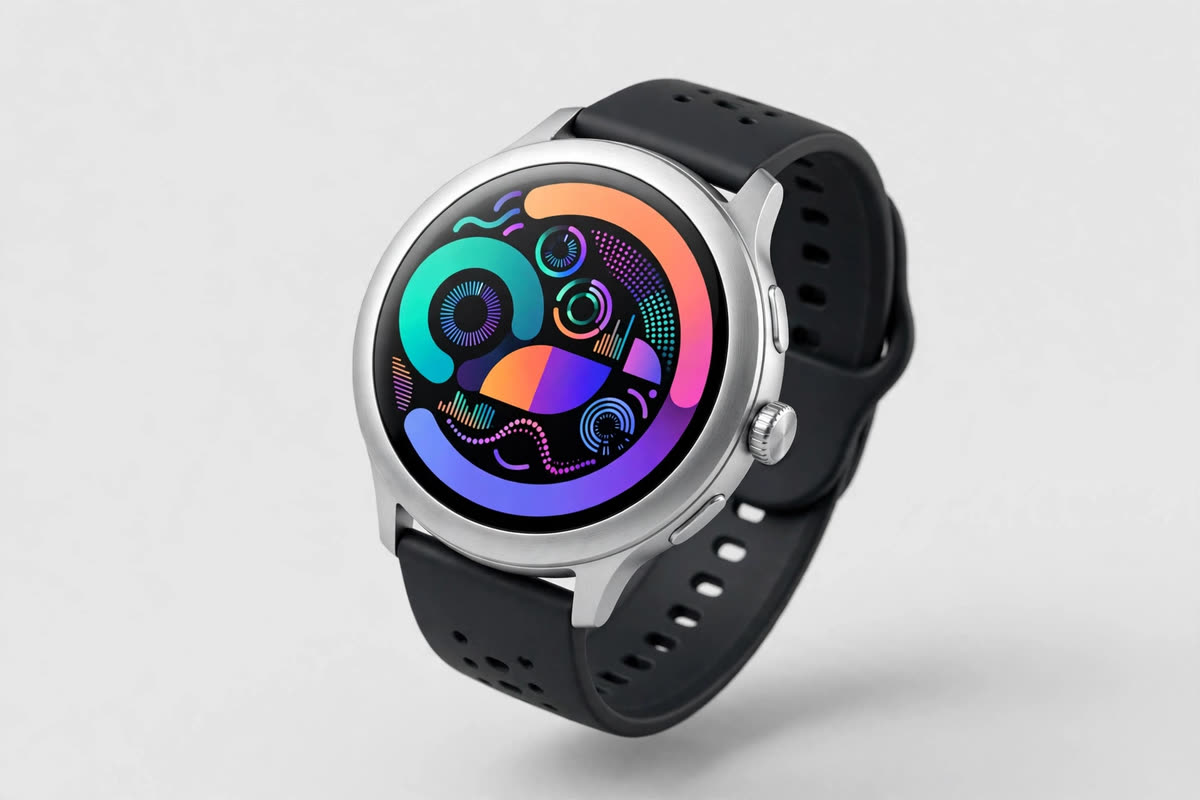
The Samsung Galaxy Watch 6 is the value hunter’s Galaxy Watch. As the previous generation Wear OS flagship it keeps everything that matters: Samsung’s polished One UI Watch software, sleep coaching with sleep stage analysis, personalized heart rate zones, body composition measurement, ECG, irregular heart rhythm notifications, and fall detection. Samsung rated the battery at up to 40 hours with the always-on display off and up to 30 hours with it on, from 300mAh and 425mAh batteries in the 40mm and 44mm sizes.
This pick makes sense when the price is right, and it often is. The newer Galaxy Watches refine rather than reinvent this formula, so a discounted Watch 6 delivers the great majority of the current experience for well under current flagship money. It pairs with Android phones running Android 10 or newer, and Samsung Health remains one of the most polished fitness platforms on Android. The sapphire crystal display is bright and crisp, and the Classic variant with its physical rotating bezel remains a favorite for buyers who miss tactile controls.
The caveats are the natural cost of buying last generation. Software support will end sooner than on newer models, battery life follows the same daily-ish charging pattern as its successor, and there is no iPhone compatibility at all. ECG and blood pressure features also require a Samsung Galaxy phone with the Samsung Health Monitor app, so Pixel and other Android users get a great watch but not the complete feature set. None of that matters much at a deep discount.
- Best for: Android users who want the Galaxy Watch experience without paying flagship prices.
- Look for: the Classic variant if you love the rotating bezel; otherwise buy purely on price.
- Keep in mind: shorter support runway ahead, no iPhone pairing, and some health features need a Galaxy phone.
7. Garmin vivoactive 5
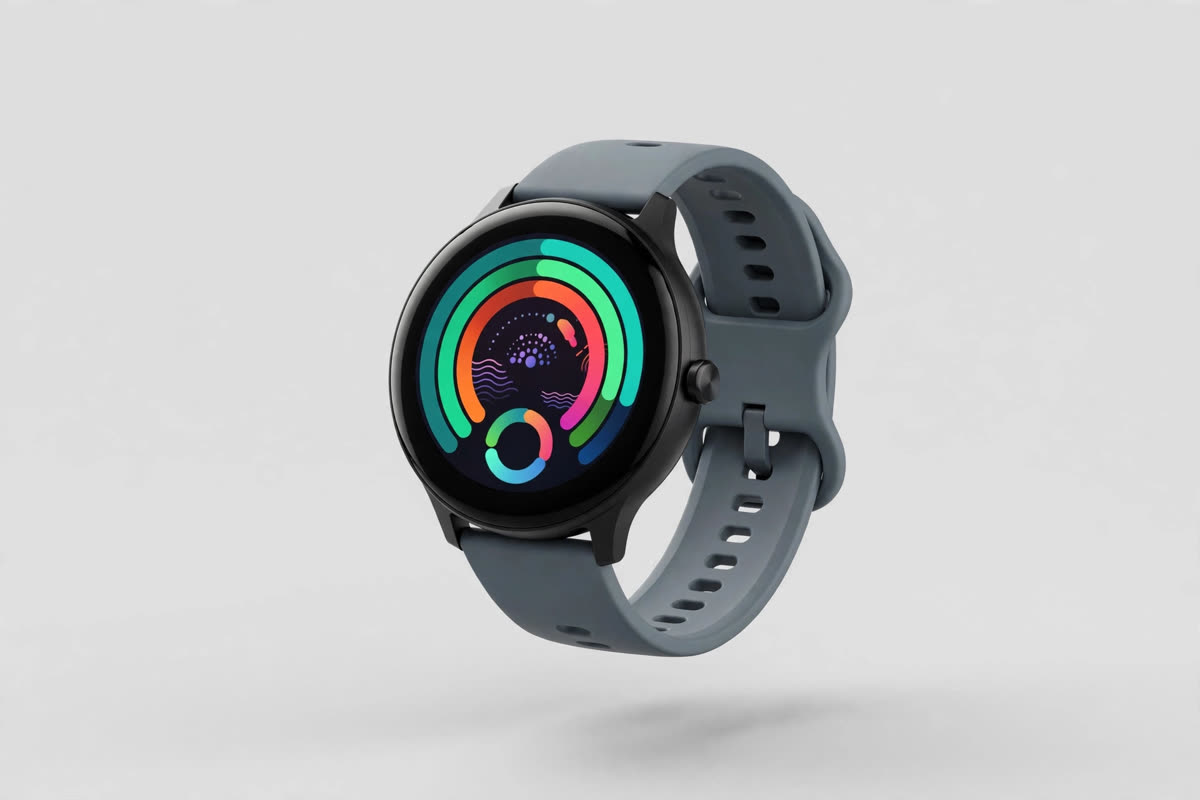
The Garmin vivoactive 5 is the sweet spot Garmin for people who want smartwatch style with sport watch stamina. The 42mm case carries a 1.2 inch AMOLED touchscreen at 390 by 390 pixels, a huge step up from the dim displays of older Garmins, and Garmin rates the battery at up to 11 days in smartwatch mode, up to 5 days with the always-on display enabled, and up to 21 hours of GPS tracking. Health features run deep: Body Battery energy monitoring, sleep coaching with nap detection, HRV status, stress tracking, Pulse Ox, and more than 30 sport profiles, plus Garmin Pay contactless payments and 4GB of onboard music storage.
This is the pick for active buyers who find the Apple Watch too needy and the Forerunner line too plain. It looks like a modern smartwatch, handles notifications and calendar well, and still tracks like a Garmin when you train, with accurate GPS, training effect metrics, and recovery guidance. It pairs with both iPhones and Android phones through Garmin Connect, and text replies work when paired with Android. At 36 grams it is light enough to wear around the clock, which is when the sleep and recovery data gets most useful.
The tradeoffs are smart features and size range. There is no voice assistant to speak of, third party app support through Connect IQ is modest compared to Wear OS, and the single 42mm case size can feel small on large wrists or large on very small ones. It also lacks the multiband GPS of pricier Garmins, so track level precision is good rather than perfect. For the large middle of buyers who want one watch for workouts and daily life with week plus battery, it is one of the strongest entries among the best smart watches.
- Best for: active buyers who want AMOLED style, deep health tracking, and 11-day battery in one watch.
- Look for: the colorway you like; features are identical across them, and discounts appear regularly.
- Keep in mind: limited voice and app support, one case size, and good rather than elite GPS precision.
8. Garmin Forerunner 165
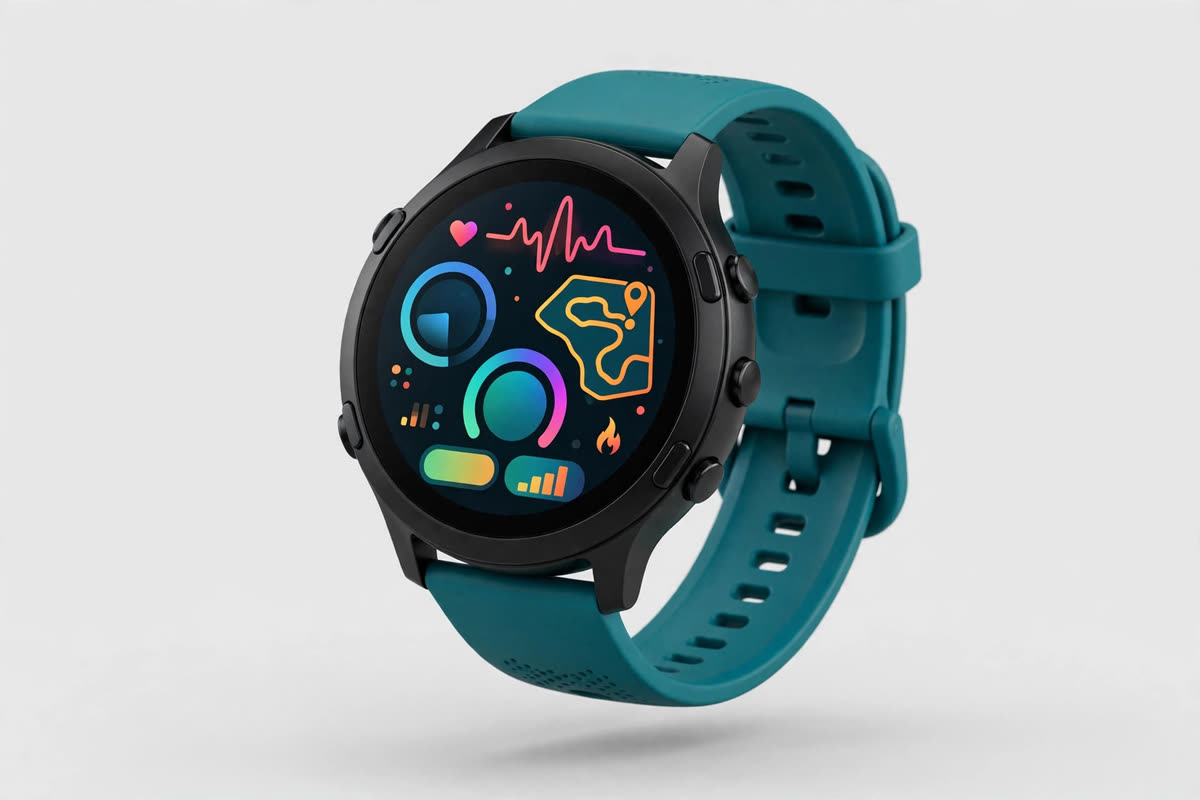
The Garmin Forerunner 165 is the running watch most people should actually buy. It takes the Forerunner 55’s winning formula and modernizes it: a bright 1.2 inch AMOLED touchscreen, the same 43mm lightweight case at just 39 grams, and Garmin’s full training brain, including daily suggested workouts, Garmin Coach plans, race adaptive training, morning report, training effect, recovery time, and wrist-based running dynamics. Garmin rates it at up to 11 days of battery in smartwatch mode and up to 19 hours of GPS tracking, with more than 25 activity profiles covering running, cycling, swimming, strength, HIIT, yoga, and more.
Runners from first 5K to marathon are the core audience, and the 165 treats them seriously. The morning report summarizes sleep, HRV status, training outlook, and weather before you even get out of bed, Body Battery tells you whether today is a training day or a rest day, and PacePro plus incident detection keep you guided and safe on the road. It pairs with iPhone and Android, supports Garmin Pay, and the Music variant adds Wi-Fi and 4GB of onboard music storage for phone-free runs with wireless headphones.
Caveats are modest but worth stating. The standard model has no music storage, so confirm which variant you are buying if phone-free music matters. There is no multiband GPS or triathlon mode, which keeps it a step below the Forerunner 265 for advanced athletes, and the screen, while lovely, is smaller than the vivoactive 5’s for the same money. Smart features stay Garmin simple: notifications yes, rich apps no. For pure running value with a modern display, little else touches it.
- Best for: runners who want modern AMOLED, serious training guidance, and 11-day battery at a midrange price.
- Look for: the Music variant only if you need onboard music; otherwise the standard model is the value pick.
- Keep in mind: no music on the standard model, no multiband GPS, and modest smart features.
9. Garmin vivoactive 5 (Model F38GK1QZ)
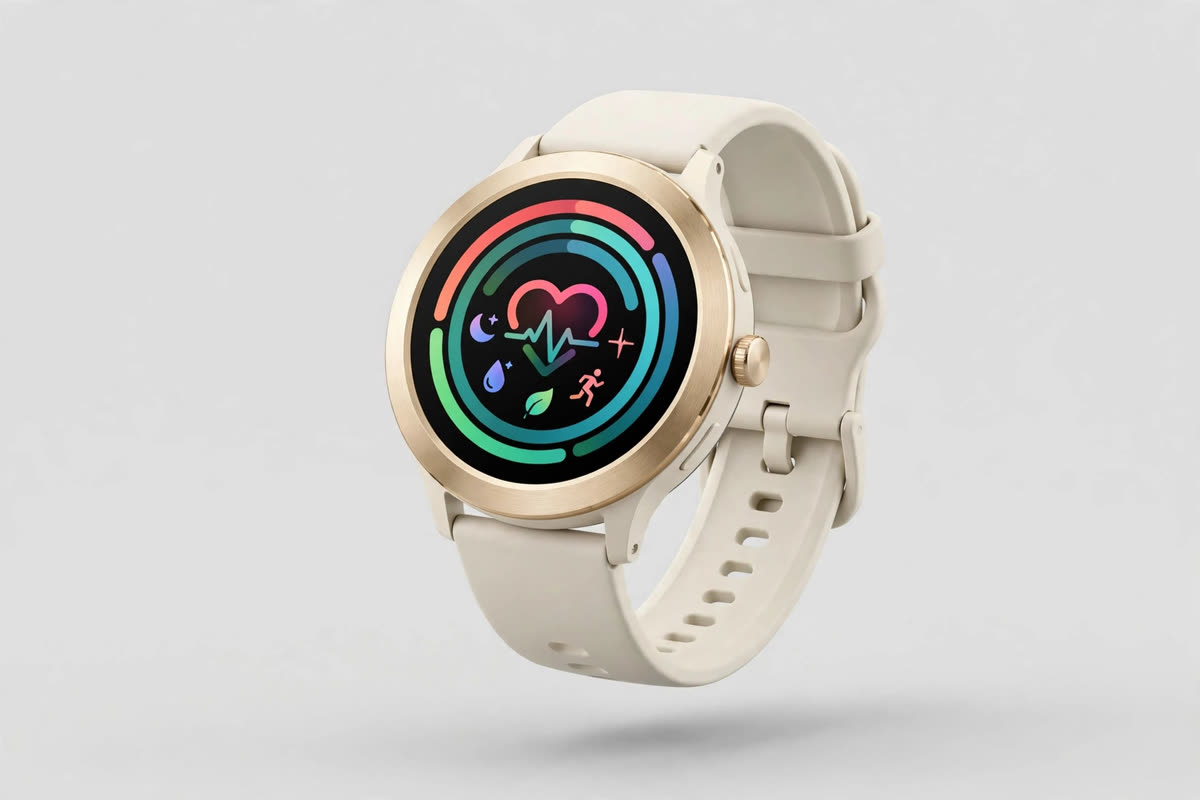
The Garmin vivoactive 5 appears a second time on our owner’s list with the model code F38GK1QZ, and honesty requires a clear explanation of what this entry is. This is a variant listing of the same vivoactive 5 covered in section 7, not a different watch. The F38GK1QZ code is a retail or regional stock identifier for this particular listing, and the hardware underneath is the identical device.
Because the hardware is the same, every strength and caveat from section 7 applies here unchanged. The practical difference between the two entries comes down to availability and price: variant listings like this one sometimes surface at different retailers, in different colorways, or at different discounts than the standard listing. If you find the F38GK1QZ variant cheaper than the standard vivoactive 5 listing, it is the better buy, and vice versa. There is no feature reason to prefer one listing over the other.
One caution for shoppers: when buying by model code rather than by the familiar product name, double check the listing details, colorway, and seller before ordering, since variant codes can occasionally be attached to bundles or regional packaging that differs in the box contents. The watch itself, its battery ratings, and its compatibility with iPhone and Android through Garmin Connect are identical. Treat this entry as a second chance to catch the vivoactive 5 at a better price, not as a second watch to agonize over.
- Best for: shoppers who find this variant listing cheaper than the standard vivoactive 5 entry.
- Look for: price and seller differences between the two listings; buy whichever is the better deal.
- Keep in mind: identical watch to section 7, so verify colorway and box contents on variant listings.
10. Samsung Galaxy Watch 7
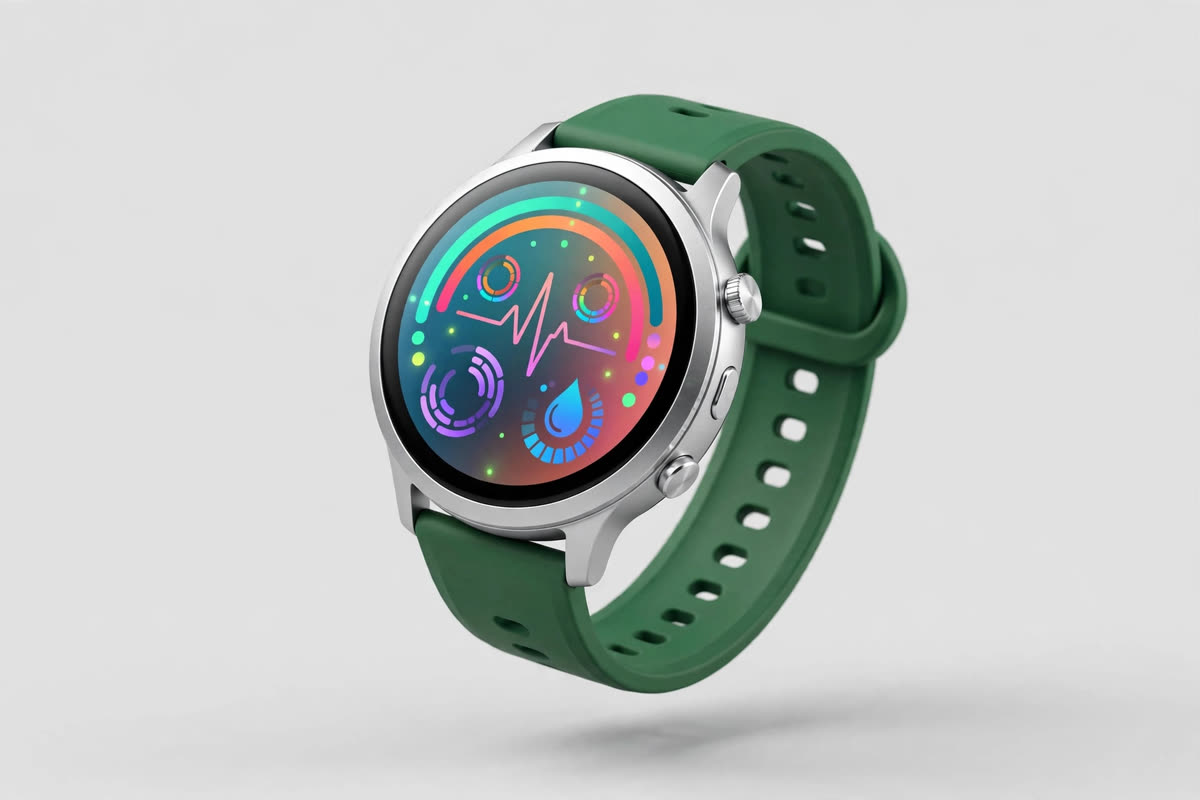
The Samsung Galaxy Watch 7 is Samsung’s mainstream Wear OS flagship and the safest all round pick for most Android users. It runs Wear OS 5 with Samsung’s One UI Watch on the 3nm Exynos W1000 chip, in 40mm and 44mm aluminum cases with a bright AMOLED display. The headline upgrades are health focused: an improved BioActive sensor array, Galaxy AI driven Energy Score and Wellness Tips, sleep coaching with sleep apnea detection, and the familiar suite of ECG, blood pressure, and body composition readings.
In daily use this is the watch that does the least wrong for Android owners. Notifications are rich and actionable, Samsung Health is one of the most polished fitness platforms on Android, and the watch handles calls, music, Samsung Wallet payments, and turn by turn navigation without fuss. It pairs with any phone running Android 11 or newer with at least 1.5GB of RAM, so you are not forced into a Samsung phone for the basics.
The honest caveats start with the battery. With the always-on display enabled and regular workouts tracked, this is a charge every night watch, and heavy GPS days can leave it gasping by evening. The ECG and blood pressure features require a Samsung Galaxy phone plus the Samsung Health Monitor app, which is a real limitation if you use a Pixel or another brand. And there is no iPhone support at all, so Apple users should look elsewhere entirely. If the price gap to the Watch 6 is small, though, the newer chip and sensors are worth it.
- Best for: Android users who want the most complete Wear OS package with top tier health tracking.
- Look for: the 44mm size for the bigger battery and display; buy the Watch 6 instead if the discount is deep.
- Keep in mind: nightly charging, no iPhone pairing, and some health features stay exclusive to Samsung phones.
Final Pick: Which of These Best Smart Watches Should You Buy?
After comparing all ten, there is no single winner, because the right answer depends entirely on your phone. If you carry an iPhone, the choice is simple: get the Apple Watch Series 10 in whichever variant, Black or Starlight, is cheaper, and buy it at a discount now that it is previous generation. Nothing else on this list comes close to its app ecosystem and iPhone integration. If you carry an Android phone, the Samsung Galaxy Watch 7 is the most complete smartwatch package, with the Galaxy Watch 6 as the smarter buy whenever its discount is deep enough.
Battery life changes the calculus for a lot of buyers. If you would rather charge weekly than nightly, the Amazfit Balance is the standout with up to 14 days of typical use, and the Garmin vivoactive 5 gives you 11 days with a brighter, more premium feel; remember the F38GK1QZ variant entry is the same watch, so buy whichever listing is cheaper. Runners should shortlist the Garmin Forerunner 165 for the best balance of modern display and training guidance, or the Forerunner 55 if budget matters most and a basic screen is acceptable. Fitbit loyalists get the Versa 4’s excellent health dashboard with 6 plus days of battery on either phone platform.
Whatever you choose, match the watch to your phone first, be honest about your charging tolerance second, and let price decide between the variant entries. That is the entire buying logic in one line, and it will steer you right every time. You can find more thoroughly researched roundups like this one on DixTrick, where every list is built to help you buy once and buy right.
Frequently Asked Questions
Do I need an iPhone to use an Apple Watch?
Yes. The Apple Watch Series 10, in Black or Starlight, only pairs with an iPhone, and there is no Android or other workaround. If you use an Android phone, every other watch on this list is available to you except the Apple Watches, and the Samsung Galaxy Watch 7 is the closest equivalent in polish.
Which watch on this list has the best battery life?
The Amazfit Balance leads among full smartwatches at up to 14 days of typical use, followed by the Garmin Forerunner 55 at up to 2 weeks and the Garmin vivoactive 5 and Forerunner 165 at up to 11 days each. The Fitbit Versa 4 manages 6 plus days. The Apple Watch Series 10 and Samsung Galaxy Watches sit at the other end: roughly a day of real use, so they need nightly charging.
Can I pair a Samsung Galaxy Watch with an iPhone?
No. The Galaxy Watch 6 and Galaxy Watch 7 require an Android phone running Android 10 or 11 respectively, and Samsung offers no iPhone compatibility. The reverse is also true: Apple Watches will not pair with Android. The brand agnostic options here are the Amazfit Balance, Fitbit Versa 4, and all four Garmin entries, which work with both iPhone and Android.
Why does the Apple Watch Series 10 appear twice on this list?
Our owner’s list includes the Series 10 in two color variants, Black and Starlight, and we kept the original order rather than merging them. The hardware, software, battery life, and features are identical between the two entries, so the decision is purely about which finish you prefer and which variant is priced lower when you shop.
What is the difference between the two Garmin vivoactive 5 entries?
The second entry, labeled with model code F38GK1QZ, is a variant listing of the same vivoactive 5 watch covered earlier in the list, not a different device. All specs, battery ratings, and features are identical. The only practical difference is availability and price across retailers, so compare the two listings and buy whichever is the better deal.
Which watch is best for a beginner runner?
The Garmin Forerunner 165 is our top recommendation for new runners: it combines a bright AMOLED display with Garmin Coach training plans, daily suggested workouts, race adaptive training, and 11-day battery life. If budget is tight, the older Forerunner 55 delivers the core training guidance with up to two weeks of battery for less money, at the cost of a basic non-touch display.
The Bottom Line
There is no single winner for everyone, but there is a right one for you. iPhone owners should get the Apple Watch Series 10 at a discount in whichever finish costs less. Android owners get the most complete package from the Samsung Galaxy Watch 7, or the Galaxy Watch 6 when the price is right. Runners and battery-first buyers should look hard at the Garmins and the Amazfit Balance, and Fitbit users get a dependable health companion in the Versa 4. Match the watch to your phone, be honest about charging, and you will end up with a watch you actually enjoy wearing every day.