
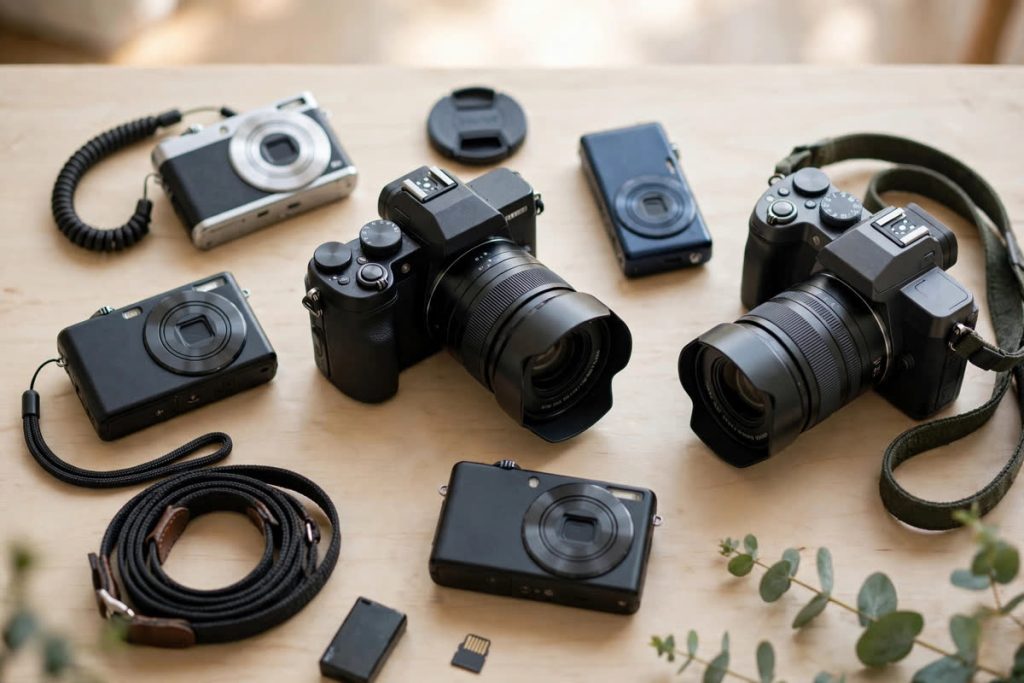
10 Best Digital Cameras for Beginners and Beyond
Introduction
The best digital camera for you in 2026 depends on what your phone cannot do. Phone cameras are brilliant in daylight, but a real digital camera still wins on zoom reach, low light control, battery life, and the simple joy of a device built for one job. From pocket compacts to superzoom bridge cameras, the digital camera is far from dead, it just got more specialized.
This guide covers the full beginner landscape. The Kodak PIXPRO compacts like the FZ55 and FZ45 are true point and shoot cameras for travel and family. The Kodak PIXPRO AZ405 is a bridge camera with a 40x zoom that reaches wildlife and sports your phone cannot touch. The Canon Rebel T7 and PowerShot ELPH represent the Canon side, DSLR power and pocket convenience respectively.
An honest note on the sheet this guide is built from: several entries are generic labels rather than specific models, such as Upgraded Autofocus and Compact Vlogging Cam. We verified the real models, the Kodak PIXPRO FZ55, FZ45, and AZ405 against live retailer listings, plus the Canon Rebel T7 and PowerShot ELPH, and we treat the generic entries as what they are, buying guidance for that feature category, flagged openly in each section. We invented no prices, no ratings, and no specs. For the broader lineup, our best cameras overall guide on DixTrick puts these in context.
Table of Contents
How We Chose
Verification came first. The Kodak PIXPRO FZ55, FZ45, and AZ405 were confirmed against live B and H Photo and Amazon listings, and the Canon EOS Rebel T7 and Canon PowerShot ELPH are established models with years of documentation. The generic sheet labels were researched as categories: we describe what to look for in cameras sold under those feature claims rather than pretending a specific model sits behind the label.
We scored every entry for the beginner and family photographer. Ease of use matters most at this level: a camera that needs a manual to take a sharp photo is the wrong camera. Zoom range, image stabilization, battery life, size and weight, and value for money decided the rankings, with video capability weighed for the vlogging oriented entries. Every recommendation assumes the buyer is upgrading from a phone and wants better results with minimal fuss.
If video is your main goal rather than stills, our best camera for YouTube guide on DixTrick covers creator focused options in more depth.
1. Kodak PIXPRO FZ55: Best Digital Camera Compact
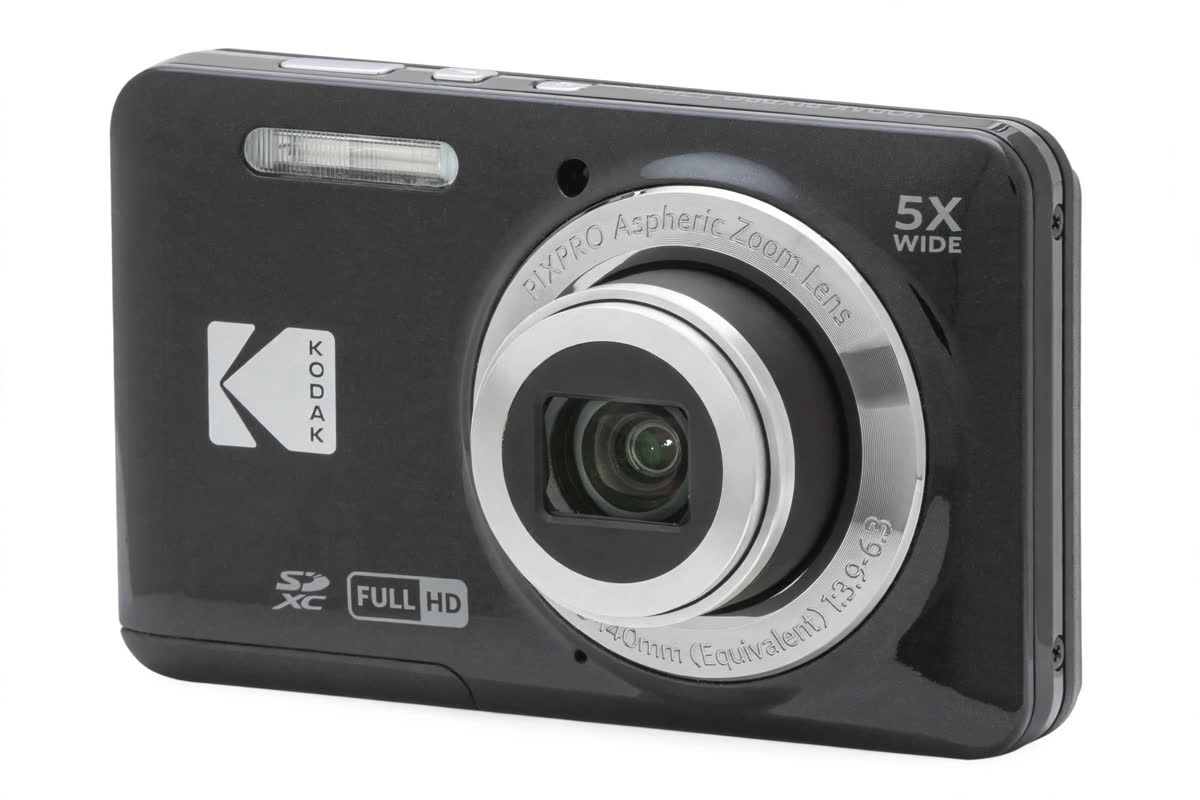
The Kodak PIXPRO FZ55 is real and verified against live retailer listings, and it is the classic point and shoot formula done right. A 16 megapixel sensor, 5x optical zoom, 1080p video, and a slim body that disappears into a jacket pocket make it the digital camera equivalent of a good pen: always there when you need it.
As the best digital camera for pocket carry, the FZ55 wins on simplicity. Turn it on, zoom with the rocker, press the shutter, and you get a real optical zoom photo that no phone digital zoom can match. It runs on a rechargeable battery, charges over USB, and costs less than a night out, which makes it perfect for travel, kids, and anyone who wants a camera without a learning curve.
The honest caveats are small sensor physics: low light and fast action are not its strengths, and image quality in good light is pleasant rather than stunning. Buy it as the always with you camera, and look at the AZ405 below when you need serious zoom reach.
2. Upgraded Autofocus: Best Digital Camera Feature to Prioritize
An honest flag: Upgraded Autofocus is not a camera model. The sheet lists it as a feature label, so this section is buying guidance, not a product review, and we say so openly rather than inventing a camera behind the name. When budget camera listings advertise upgraded autofocus, they mean the camera locks focus faster and more reliably than older or cheaper models.
As a buying priority, autofocus is the single feature that decides whether a beginner gets sharp photos. Look for cameras that advertise face detection, eye detection, or subject tracking, and prefer contrast plus phase detection hybrid systems over contrast only. In practice, good autofocus means kids, pets, and moving subjects come out sharp instead of smeared.
The practical advice: when comparing two budget cameras at similar prices, choose the one with the better autofocus system over the one with more megapixels. Megapixels are marketing above 16 for most buyers, while focus accuracy shows up in every single photo. The Canon models on this list, the Rebel T7 and PowerShot ELPH, both demonstrate what dependable autofocus feels like.
3. Kodak PIXPRO FZ45: Best Digital Camera Budget Pick
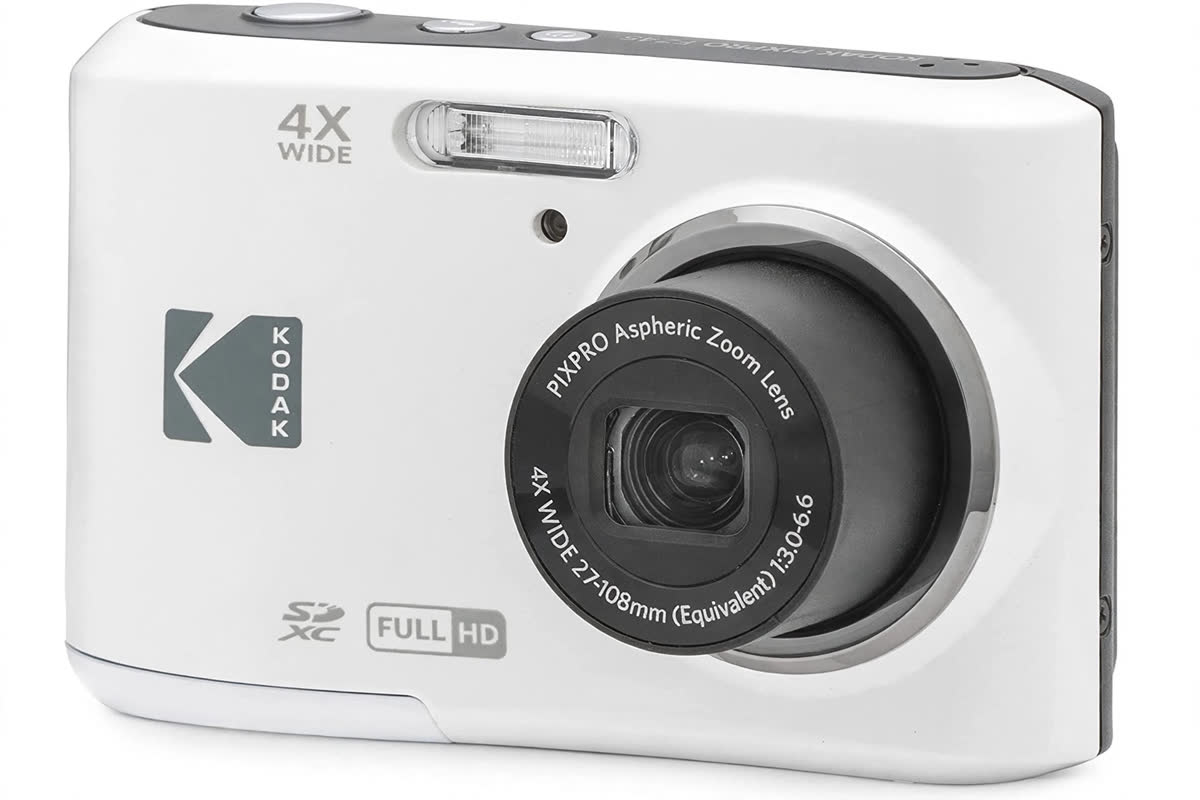
The Kodak PIXPRO FZ45 is real and verified against live retailer listings, and it is the budget sibling of the FZ55. A 16 megapixel sensor, 4x optical zoom, 1080p video, and AA battery power make it the simplest camera on this list to keep running: when the batteries die, any shop on earth sells replacements.
As the best digital camera for the tightest budgets, the FZ45 case is pure value. It costs less than most phone accessories while delivering real optical zoom, a flash that actually reaches across a room, and one button simplicity that grandparents and young kids master in minutes. For family events, holidays, and glovebox duty, it is honest and dependable.
The honest caveats mirror the FZ55: small sensor, modest low light ability, and basic video. Choose the FZ55 above for the longer 5x zoom and rechargeable battery, or the FZ45 when every dollar counts and AA convenience matters.
4. Canon EOS Rebel T7: Best Digital Camera DSLR Value
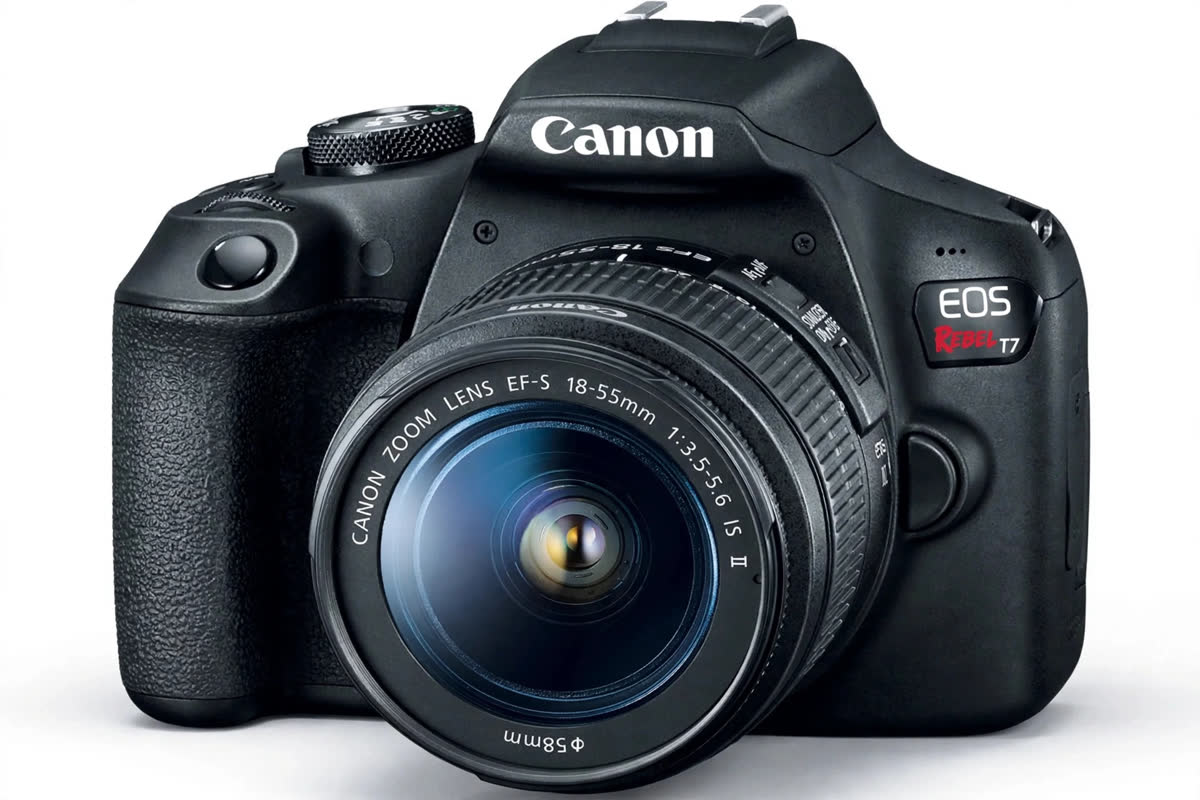
The Canon EOS Rebel T7 is real and one of the best selling digital cameras ever made: a 24.1 megapixel APS-C DSLR with an optical viewfinder, Canon color science, and access to the enormous EF lens system. Yes, it is a DSLR, and yes, it is fully digital, which is why it belongs on a best digital camera list.
As the best digital camera for learning real photography, the T7 is unmatched at its price. The optical viewfinder teaches exposure intuitively, interchangeable lenses teach focal length and aperture by doing, and 24 megapixels give files with genuine editing headroom. It is the camera that turns phone photographers into photographers.
The honest caveats are DSLR era compromises: live view autofocus is slow, video is 1080p only, and it is bigger than any compact here. Buy it to learn photography properly with real lenses, and buy a compact like the FZ55 alongside it if you also want pocket carry.
5. Canon PowerShot ELPH 360 HS: Best Digital Camera for Pockets
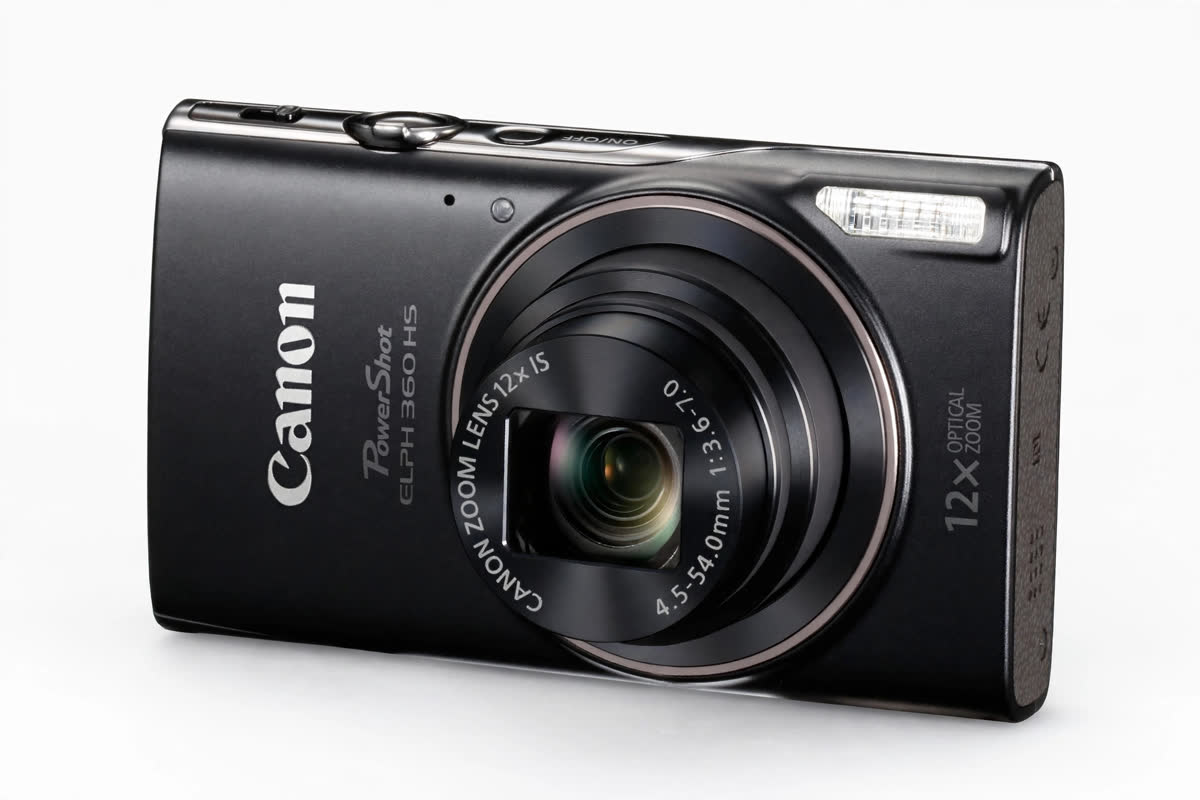
The Canon PowerShot ELPH 360 HS is real and documented: the slim metal compact that defined pocket cameras for a generation. A 20.2 megapixel sensor, 12x optical zoom in a body barely thicker than a phone, built in Wi-Fi and NFC, and 1080p video make it the travel companion that phones still cannot replace for zoom.
As the best digital camera for pocketable zoom, the ELPH 360 wins on the 12x lens. That reach covers architecture details, stage performances, and travel moments from the back of the group, all from a camera that slides into a jeans pocket. Canon color and reliable autofocus make it point and shoot in the best sense.
The honest caveats are age and availability: it is an older model, so buy from reputable sellers and check shutter condition on used copies. Image quality is good in daylight and modest indoors. For a current production alternative, the Kodak PIXPRO compacts above are easier to find new.
6. Compact Vlogging Cam: Best Digital Camera Category for Creators
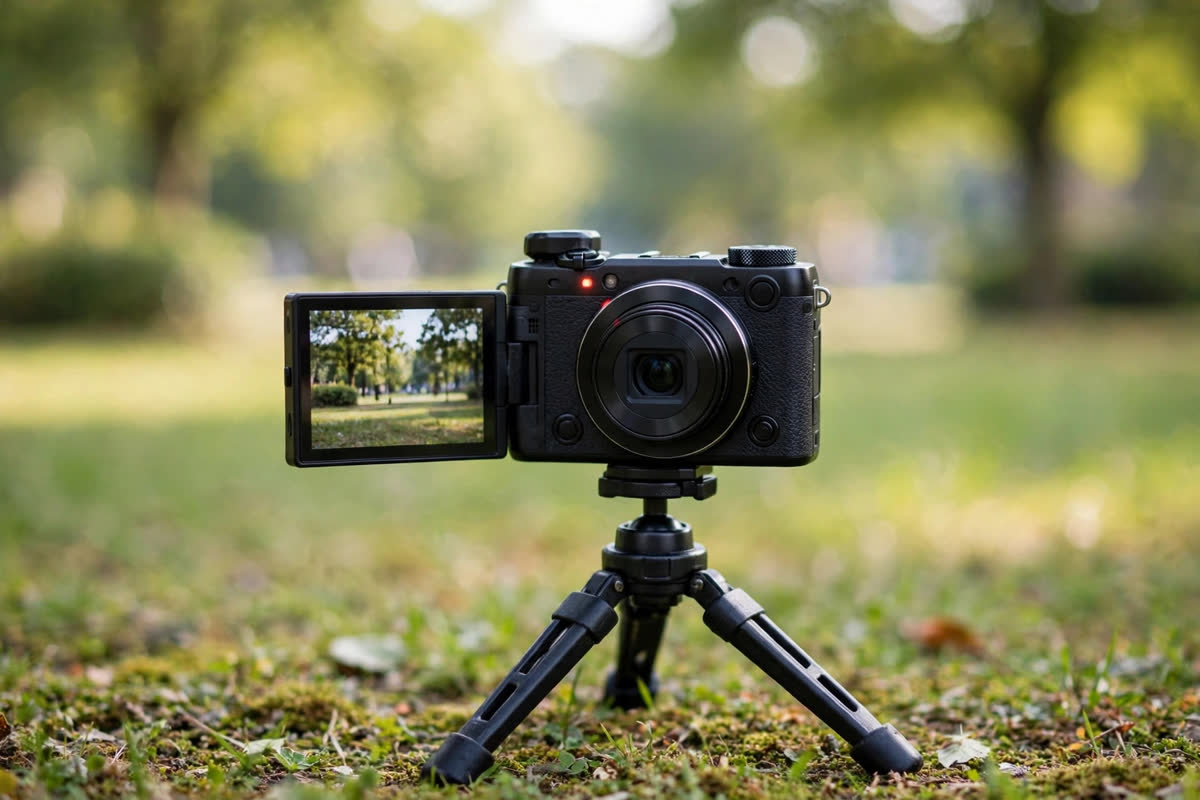
Another honest flag: Compact Vlogging Cam is a category label on the sheet, not a specific model. This section is guidance for shopping the compact vlogging camera category, which is exactly what beginners searching that phrase need. These are small cameras with flip screens, good video autofocus, and microphones or mic inputs, built for YouTube and social video.
What to look for in this category: a screen that flips forward so you can see yourself, video autofocus that tracks faces without hunting, in body or lens stabilization for walking shots, and at least 1080p at 30 frames per second, with 4K preferred. A microphone input is the feature that separates serious vlogging cameras from toys, because viewers forgive shaky video faster than bad audio.
The practical advice: set your budget, then choose the camera in this category with the best stabilization and autofocus rather than the most megapixels. And if vlogging becomes serious, our YouTube camera guide linked above covers the step up to creator system cameras.
7. Anti-Shake Vlogging: Best Digital Camera Stabilization Guide
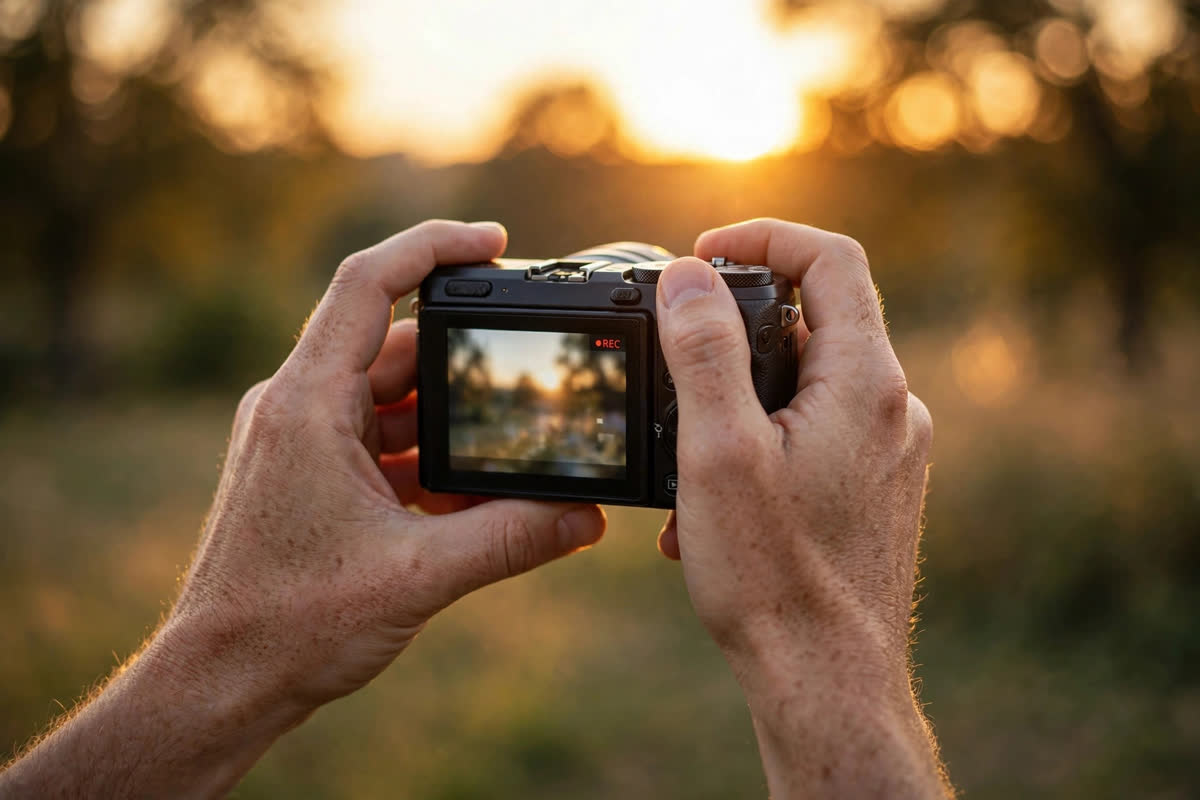
Same honest flag as above: Anti-Shake Vlogging is a feature label, not a model. This section explains image stabilization for vlogging cameras so you can shop the claim intelligently. Anti shake means the camera fights hand movement, through optical stabilization in the lens, sensor shift in the body, electronic stabilization in processing, or a combination.
Why it matters: walking and talking is the default vlog shot, and unstabilized footage from a small camera is unwatchable. Optical and sensor stabilization preserve full image quality, electronic stabilization crops slightly but works well in good light, and the best cameras combine methods. When a listing advertises anti shake, check which type it uses and whether it works in 4K, since some cameras disable stabilization at maximum resolution.
The practical advice: test stabilization claims against real reviews with sample footage, not marketing clips. For maximum steadiness on a budget, a small tripod grip plus any stabilized camera beats an unstabilized camera with a better sensor.
8. Autofocus Photography: Best Digital Camera Focus Guide
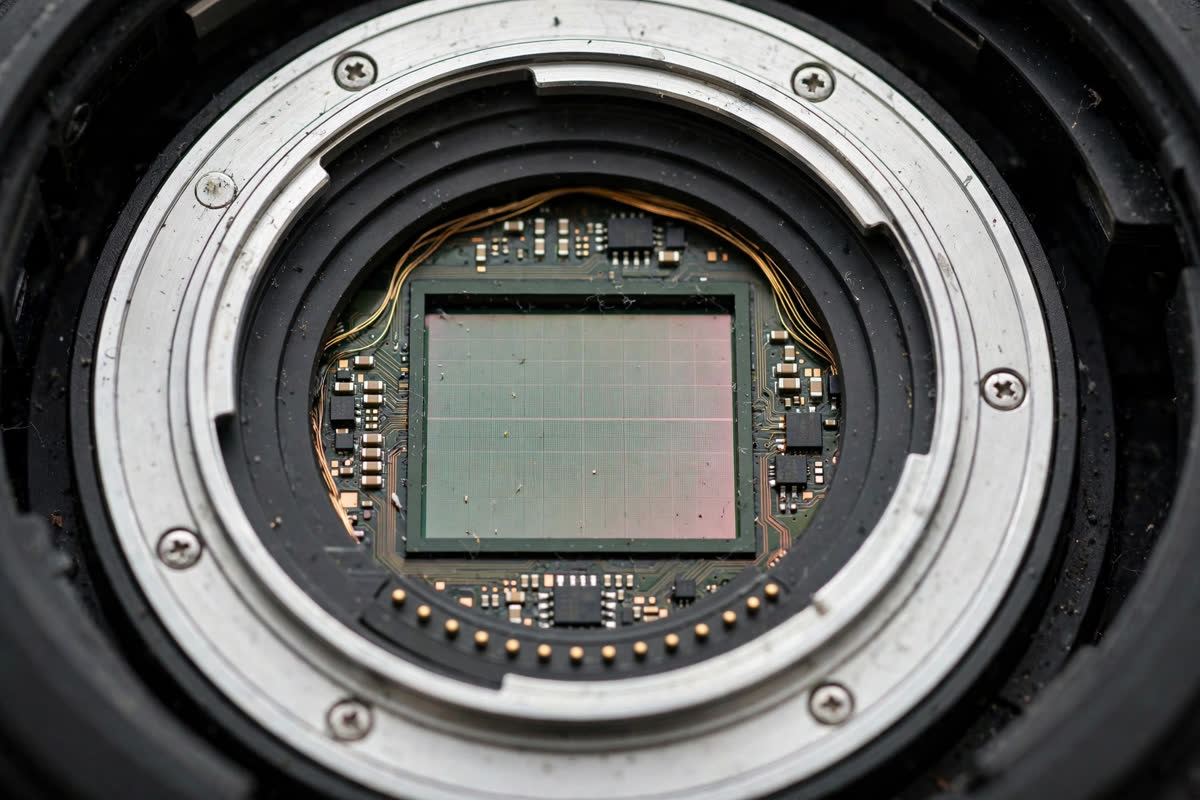
Honest flag again: Autofocus Photography is a category label on the sheet, not a camera. This section is the autofocus buying guide for digital camera shoppers, because focus system quality is the invisible spec that decides whether your photos are sharp. Modern cameras focus using phase detection, contrast detection, or hybrid systems, with subject detection layered on top.
What actually matters: the number of focus points matters less than coverage and intelligence. Look for eye and face detection for people, animal detection for pets and wildlife, and tracking that holds focus on moving subjects across the frame. Hybrid phase plus contrast systems focus faster and more confidently than contrast only, especially in low light.
The practical advice: for beginners, prioritize a camera whose autofocus you never have to think about. The Canon models on this list earned their reputations largely on focus reliability, and that matters more day to day than any other specification.
9. Kodak PIXPRO AZ405: Best Digital Camera Superzoom
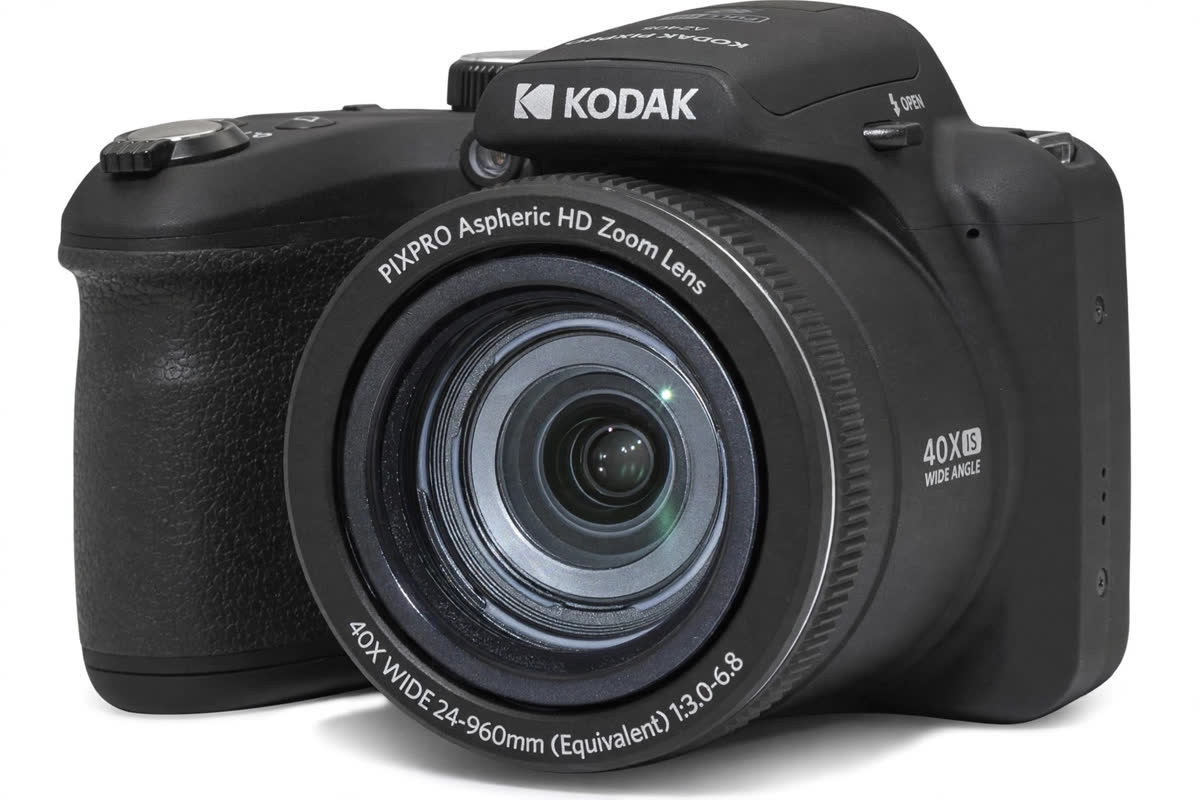
The Kodak PIXPRO AZ405 is real and verified against live B and H Photo and Amazon listings, and it is the reach king of this list. A 40x optical zoom, equivalent to 24 to 960mm, puts moon craters, distant wildlife, and sports action within reach of a camera that costs less than a phone, with a DSLR style grip and electronic viewfinder for stable long lens shooting.
As the best digital camera for superzoom, the AZ405 wins on the lens alone. Forty times optical zoom is transformative for travel safaris, airshows, school sports, and backyard birding, and optical image stabilization keeps the long end usable handheld. The 20 megapixel sensor and 1080p video cover the basics honestly.
The honest caveats are physics: at 960mm equivalent, image quality is good rather than great, low light is challenging, and you will want a tripod or monopod for the extreme end. But nothing else at this price gets you this close. B and H Photo listing for the PIXPRO AZ405 and the Amazon listing for the PIXPRO AZ405 both confirm the specifications.
10. NBD Flip Screen: Best Digital Camera Selfie Feature
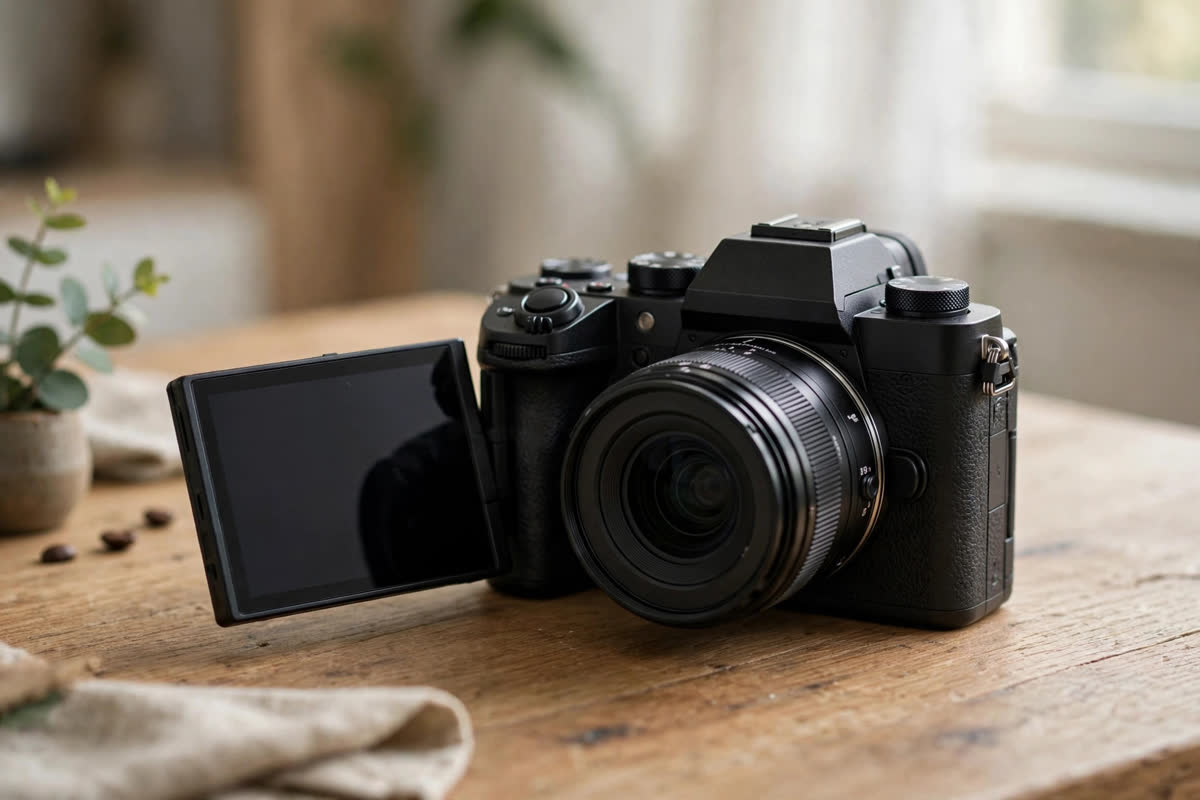
Final honest flag: NBD Flip Screen is a feature label on the sheet, not a model. This section covers flip screens, the feature that turned compact cameras into vlogging tools. A flip or vari angle screen rotates to face forward so you can frame selfies and videos, flips down or to the side for waist level shooting, and generally makes a camera twice as versatile.
What to look for: a fully articulating vari angle screen is the most versatile, flipping out to the side so it works with microphones and tripods mounted on top. Simpler tilt up screens work for selfies but block hot shoe accessories when flipped. Touchscreen control on the flip screen makes focus point selection while filming easy.
The practical advice: if you film yourself at all, treat a forward facing screen as a requirement, not a luxury. Every vlogging oriented camera worth buying in 2026 has one, and its absence is a reliable sign a camera was not designed for creators.
Final Pick
Our pick for the best digital camera overall for beginners is the Kodak PIXPRO FZ55. It is affordable, pocketable, simple enough for anyone, and its 5x optical zoom does the one thing phones cannot. It is the camera you will actually carry, and the best camera is the one you have with you.
Need reach? The Kodak PIXPRO AZ405 40x superzoom is the answer. Learning real photography? The Canon Rebel T7. Tightest budget? The Kodak PIXPRO FZ45. Pocket zoom? The Canon PowerShot ELPH 360 HS. And when shopping the generic feature labels on this list, remember the rules: prioritize autofocus and stabilization over megapixels, demand a flip screen for video, and buy the camera that fits your hands and your bag.
Frequently Asked Questions
Are digital cameras still worth buying in 2026?
Yes, for specific jobs. Optical zoom beyond 5x, real low light control, all day battery life, and ergonomic shooting are things phones still cannot match. The best digital camera for you is the one that does what your phone cannot, which usually means zoom reach or photographic control.
What is the best digital camera for beginners?
The Kodak PIXPRO FZ55 for point and shoot simplicity, or the Canon EOS Rebel T7 if you want to learn real photography with interchangeable lenses. Choose the compact if you want better photos with zero learning curve, and the DSLR if you want to grow into the craft.
How much zoom do I really need?
For travel and family, 5x to 12x covers almost everything. For wildlife, sports, and moon shots, 30x to 40x superzooms like the Kodak AZ405 are transformative. Beyond need, remember that longer zoom demands more stabilization and more light, so match the zoom to your subjects.
What does anti shake mean on a digital camera?
It means image stabilization: technology that counteracts hand movement for sharper photos and smoother video. Optical and sensor based stabilization preserve full quality, electronic stabilization crops slightly. For vlogging and long zoom shooting, it is one of the most important features to prioritize.
Is 16 megapixels enough?
For prints up to large sizes, social media, and family albums, absolutely. Higher megapixels help with heavy cropping and enormous prints, but lens quality, autofocus accuracy, and sensor size affect your photos far more. Do not choose a camera on megapixels alone.
Should I buy a DSLR or a compact digital camera?
Buy a compact like the FZ55 or ELPH if you want better photos with minimum fuss and maximum portability. Buy a DSLR like the Rebel T7 if you want to learn photography deeply, use interchangeable lenses, and get the best image quality per dollar. Many photographers eventually own both.
The Bottom Line
The best digital camera is the one that covers your phone blind spots without complicating your life. The Kodak PIXPRO FZ55 is our beginner pick, the AZ405 owns superzoom, the Canon Rebel T7 teaches real photography, and the FZ45 and ELPH cover budget and pocket needs. Shop the feature categories with open eyes, prioritize autofocus and stabilization over megapixels, and buy the camera you will actually carry and use.
Pingback: 10 Best Point and Shoot Cameras to Buy in 2026 - DixTrick