
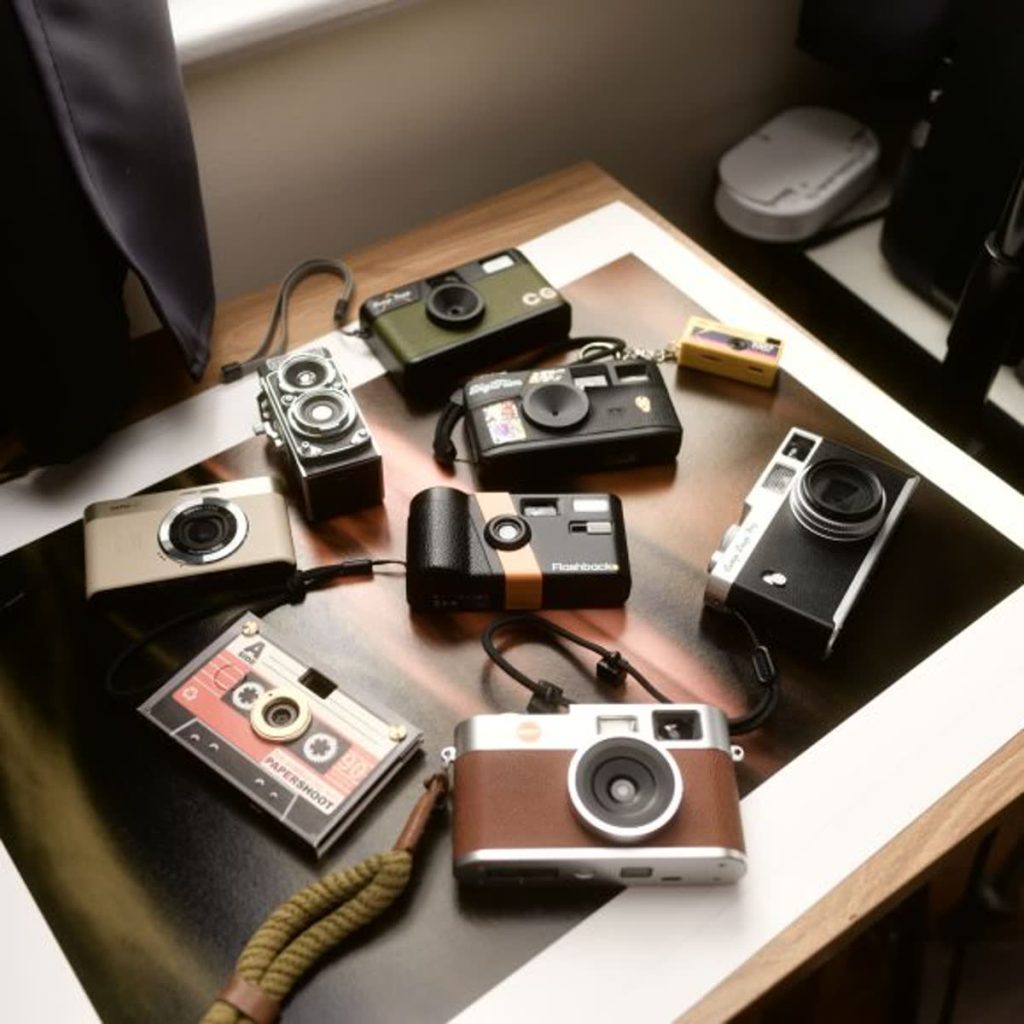
10 Best Point and Shoot Cameras to Buy in 2026
Introduction
The search for the best point and shoot camera in 2026 looks nothing like the old days of the pocket zoom. The classic point and shoot is back in fashion, but the category has split into very different tribes: premium fixed-lens compacts with large sensors, long travel zooms, rugged adventure cameras, and vlogging hybrids that happen to fit in a jacket pocket. This guide covers all of them, honestly, in the order our sheet gave us.
Honesty matters here because this sheet is not a tidy list of lookalike cameras. Some entries are true point and shoot cameras in the classic sense. Others are premium compacts with fixed lenses, or video-first tools that only a generous definition would call a point and shoot. We flag every one of those quirks in its own section instead of pretending the list is more uniform than it is. Every model below is real and verified against current sources.
What has not changed is the appeal of the form itself. A good point and shoot camera is the camera you actually carry: small enough to disappear into a bag, fast enough to catch the moment your phone would fumble, and simple enough that you spend your attention on the scene instead of the settings. Whether you want the best image quality money can buy in a pocketable body, the longest zoom for travel, or a cheap camera you can hand to a kid, there is a real option below.
Table of Contents
How We Chose
We verified every entry on the sheet against manufacturer pages, established retailers, and reputable camera publications before writing a word. No model here is invented, no specification is guessed, and no price is stated, because prices shift constantly and guessing them helps nobody. Where the sheet’s naming was loose, a premium label with no official model behind it, a redundant word in a product name, we say so in the open.
Our judgments weigh the things that matter in a compact camera: sensor size and lens quality first, then autofocus reliability, handling, battery practicality, and whether the camera’s design matches its stated job. A fixed-lens premium compact is judged as a premium compact, not punished for lacking a zoom. A rugged camera is judged on toughness and ease of use in the field. The result is a list that respects what each camera actually is.
1. Fujifilm X100VI Silver: Best Point and Shoot Camera for Image Quality
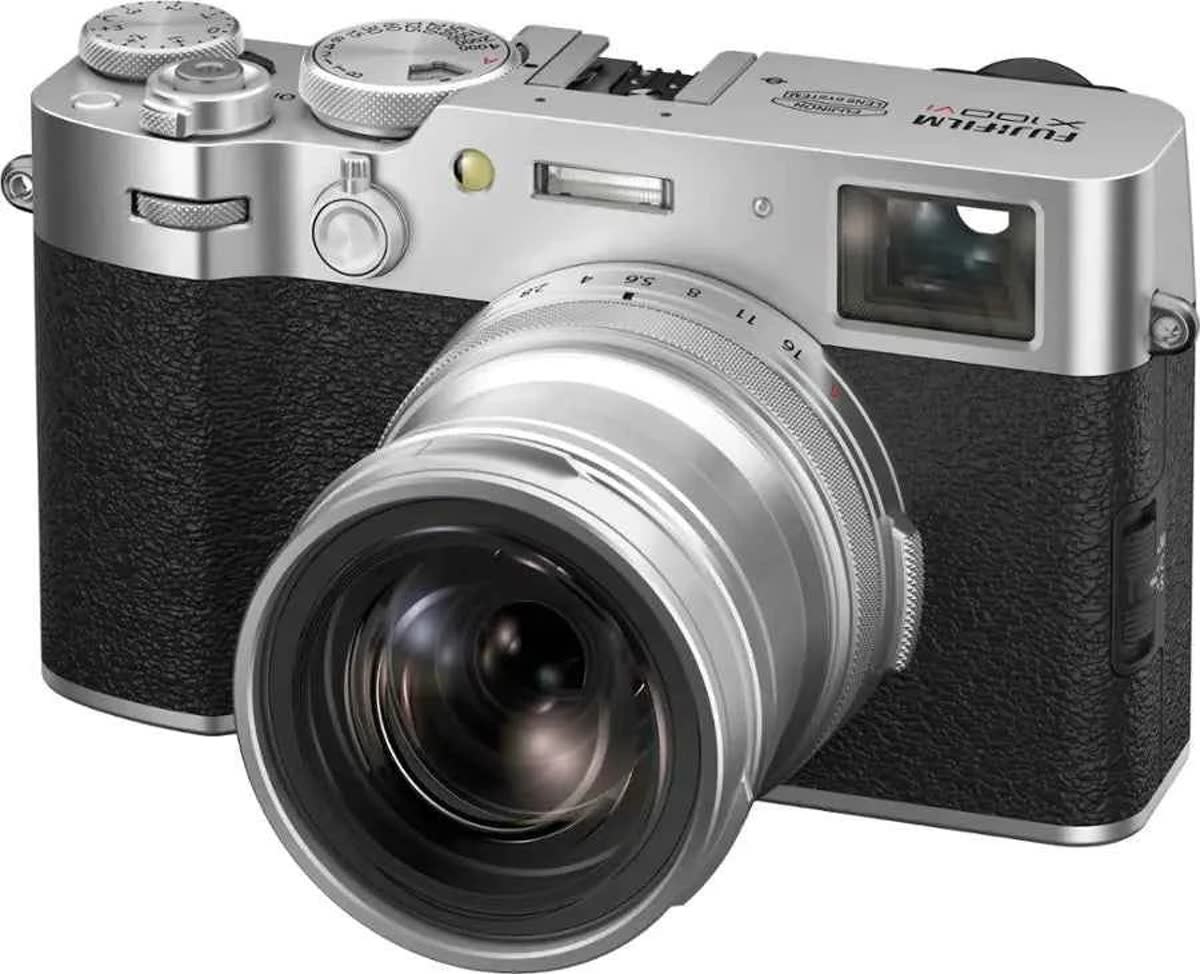
The Fujifilm X100VI in silver is the most sought after compact camera on this list, and it arrives with a flag attached: it is a premium fixed-lens compact, not a classic zoom point and shoot. Its 23mm f/2 lens never zooms, giving a 35mm equivalent field of view that you either love or learn to work around. What you get in exchange is a 40.2 megapixel X-Trans CMOS 5 HR sensor, Fujifilm’s beloved film simulation modes including the newer REALA ACE, and a hybrid viewfinder that switches between optical and electronic viewing.
Its strengths are the reason it sells out everywhere. Image quality from that large sensor and sharp fixed lens embarrasses most zoom compacts, the film simulations produce gorgeous JPEGs straight out of camera, and the dial-driven design makes shooting feel deliberate and fun. In-body stabilization, new to this generation, helps in low light and with video. For the full technical story, Fujifilm’s official X100VI page lays out the sensor, lens, and film simulation details better than any retailer summary: see the Fujifilm X100VI on the official Fujifilm site.
Buy this if you want the best point and shoot camera experience in terms of pure image quality and shooting joy, and you are happy to zoom with your feet. Skip it if you need a versatile zoom for travel, if you shoot a lot of video, or if you want something discreetly cheap: this is a premium, conspicuous, and frequently hard to find camera.
2. Ricoh GR IV Premium: Best Premium Pocket Compact
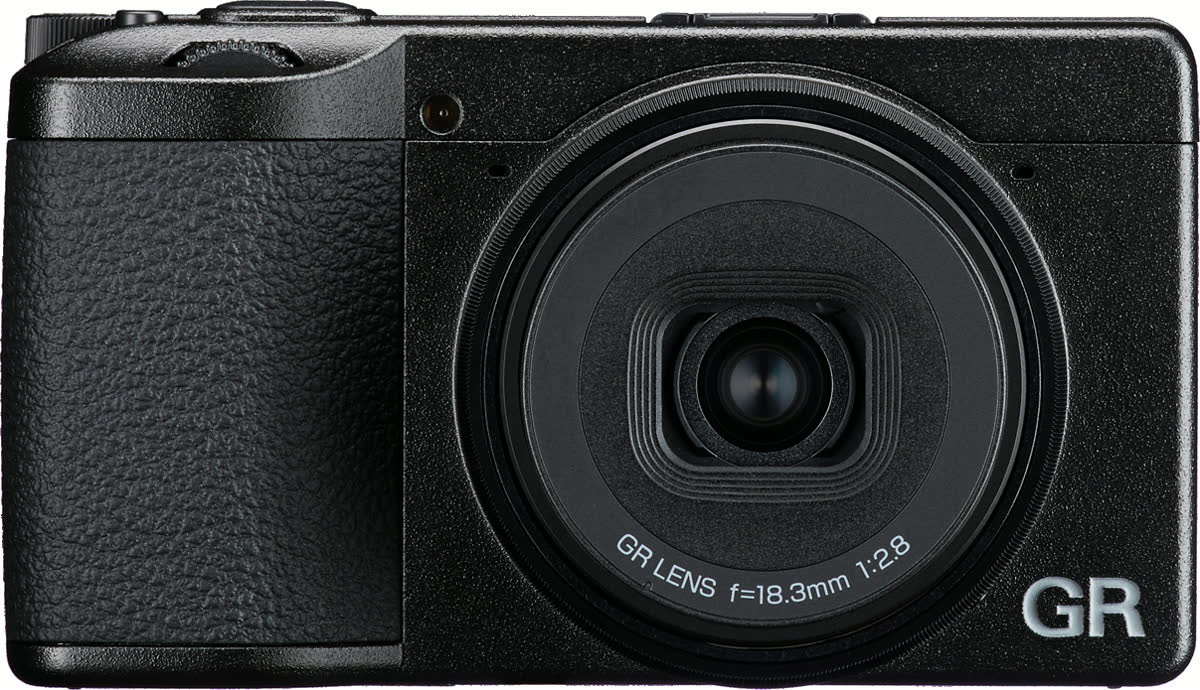
The Ricoh GR IV is real: Ricoh announced it in September 2025 as the latest in the legendary GR line of street photography compacts. The flag here is the word Premium in the sheet name. Ricoh sells no model officially called the GR IV Premium. The camera itself comes in a standard version, and the genuinely premium variants are the GR IV HDF with its highlight diffusion filter, the GR IV Monochrome with a dedicated black and white sensor, and a limited 30th Anniversary Edition kit. Treat Premium as the sheet’s shorthand for the top-tier GR IV experience, not an official model name.
Whatever the name, the GR IV formula is unchanged and beloved: a 25.7 megapixel APS-C sensor behind a fixed 28mm equivalent f/2.8 lens, in a body that genuinely fits in a jeans pocket. It starts fast, focuses fast, and its snap focus mode is a street photographer’s superpower, presetting a focus distance so the shutter fires with zero lag. Image stabilization, new to this generation, steadies handheld shots in dim streets and bars. In its niche, it is the best point and shoot camera money can buy.
Buy this if you shoot street, travel, or daily life and want the smallest serious camera ever made, with image quality that embarrasses phones. Think of it as a specialist: the fixed 28mm lens is perfect for environmental storytelling and terrible for wildlife, sports, or anything far away. If you need zoom versatility, keep scrolling to the Sony and Panasonic entries below.
3. Sony RX100 VII: Best Zoom Point and Shoot Camera
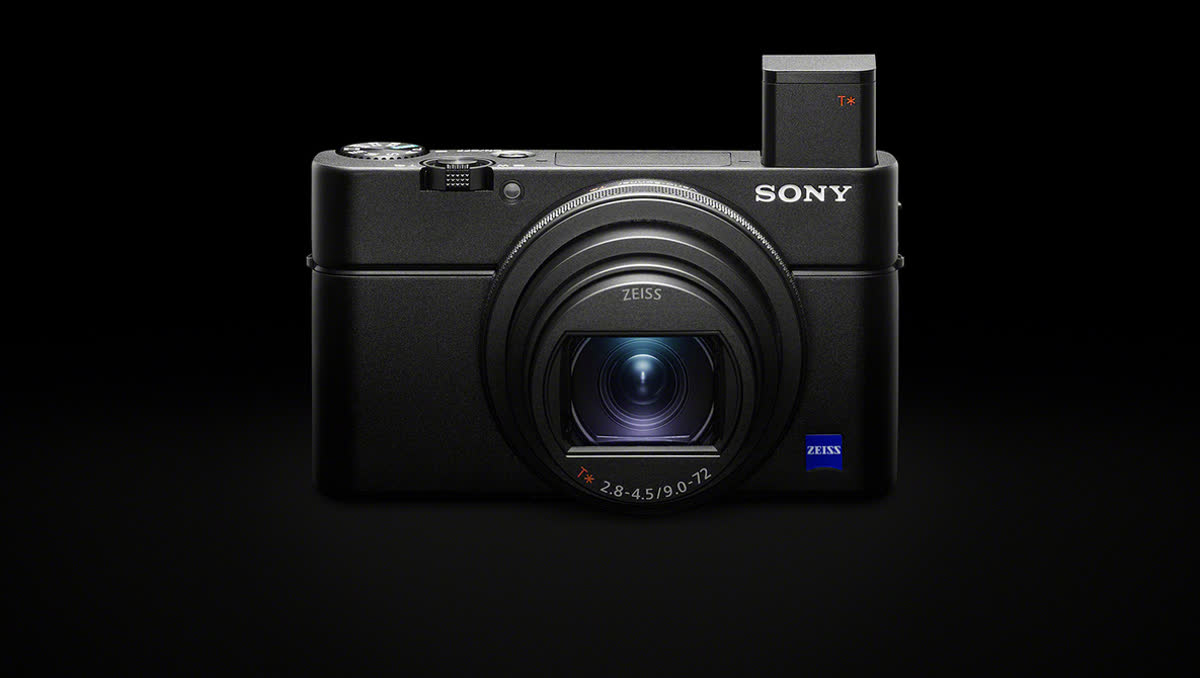
The Sony RX100 VII is the closest thing on this list to the classic point and shoot ideal: a true zoom compact with a 1.0-type 20.1 megapixel stacked sensor and a Zeiss Vario-Sonnar T* 24-200mm equivalent f/2.8-4.5 lens. That range covers wide landscapes to serious telephoto in a body that slides into a jacket pocket, and the pop-up electronic viewfinder means bright sunlight never ruins your framing. No flags needed here: this is exactly what the category promises.
Its strengths go beyond the zoom. Sony’s autofocus is superb, with real-time tracking and eye autofocus that lock onto people and animals, plus blackout-free burst shooting for action. 4K HDR video, a microphone input, and a tilting touchscreen make it a capable hybrid for travelers who shoot both stills and clips. Sony’s official product page details the lens, sensor, and autofocus system: see the RX100 VII on the official Sony site.
Buy this if you want one camera that does everything on a trip: wide to telephoto, stills to video, viewfinder to touchscreen. It is the best point and shoot camera for travelers who refuse to carry interchangeable lenses. The tradeoffs are the small sensor next to the fixed-lens giants above, and a premium price for the privilege of that zoom range.
4. Leica Q3 Digital: Best Full Frame Point and Shoot Camera
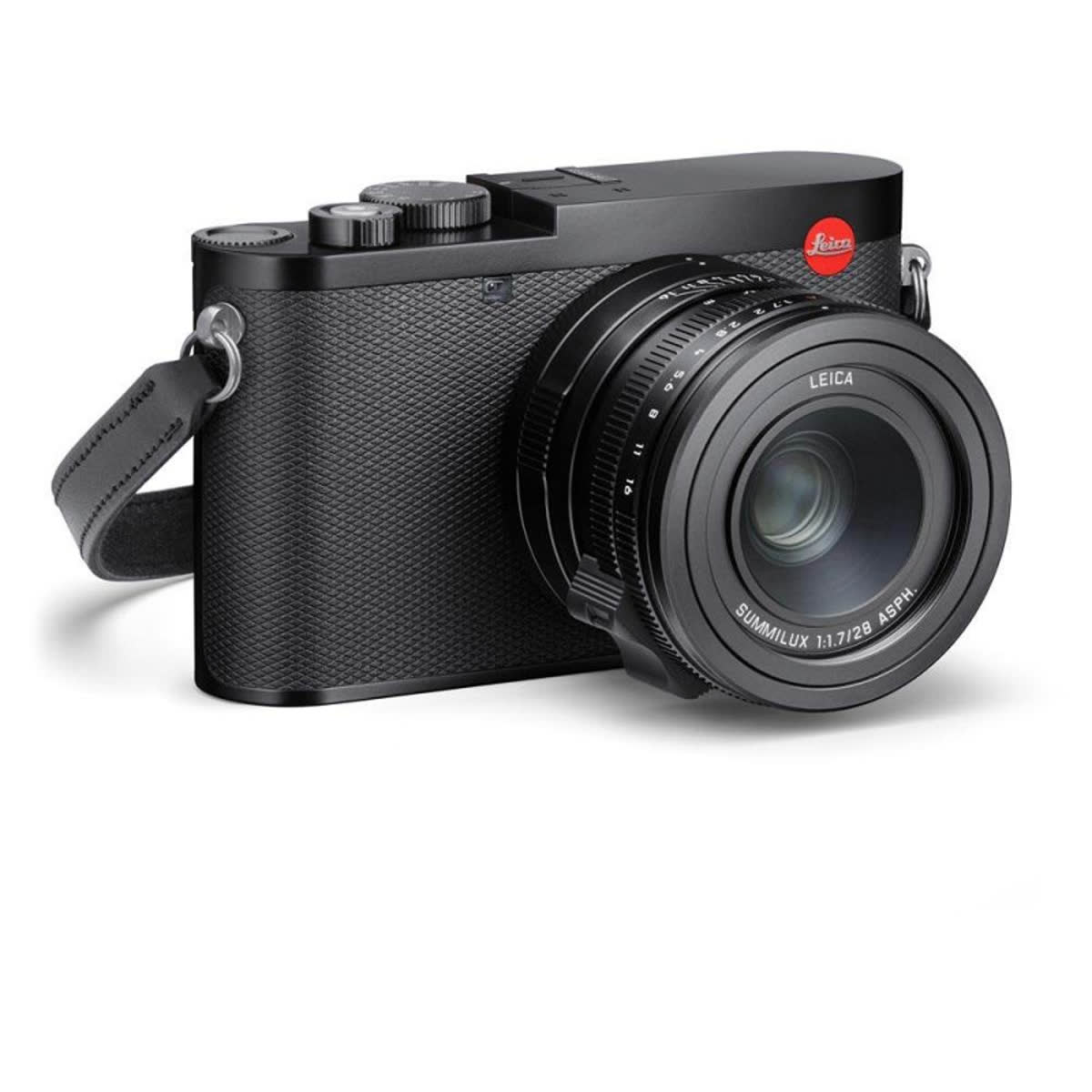
The Leica Q3 is real and magnificent, and the flag is in the sheet name: the word Digital is redundant, because the Q3 is a digital camera by nature and Leica sells no film version of it. Strip away the extra word and you have one of the finest fixed-lens compacts ever made: a full frame sensor behind a fixed Summilux 28mm f/1.7 ASPH lens, with the kind of build quality and tactile controls that make every other camera feel like a toy.
Its strengths are image quality and experience. The full frame sensor and fast 28mm lens deliver shallow depth of field and low light performance no 1-inch compact can touch, and the tilting touchscreen and high resolution viewfinder make composition a pleasure. Like the Fujifilm and Ricoh above, it is a fixed-lens camera: you get one superb focal length and the discipline that comes with it. The files are rich, the colors are classic Leica, and the camera itself is a beautiful object. For well-heeled minimalists, it is the best point and shoot camera on this list.
Buy this if money is no object and you want the ultimate fixed-lens point and shoot camera: a full frame Leica that fits in a coat pocket and needs no lens decisions. This is a luxury purchase, full stop. If the price makes your eyes water, the Fujifilm X100VI above delivers a similar fixed-lens philosophy for far less, and the zoom compacts below deliver far more versatility.
5. Sony ZV-1 II: Best Point and Shoot Camera for Vlogging
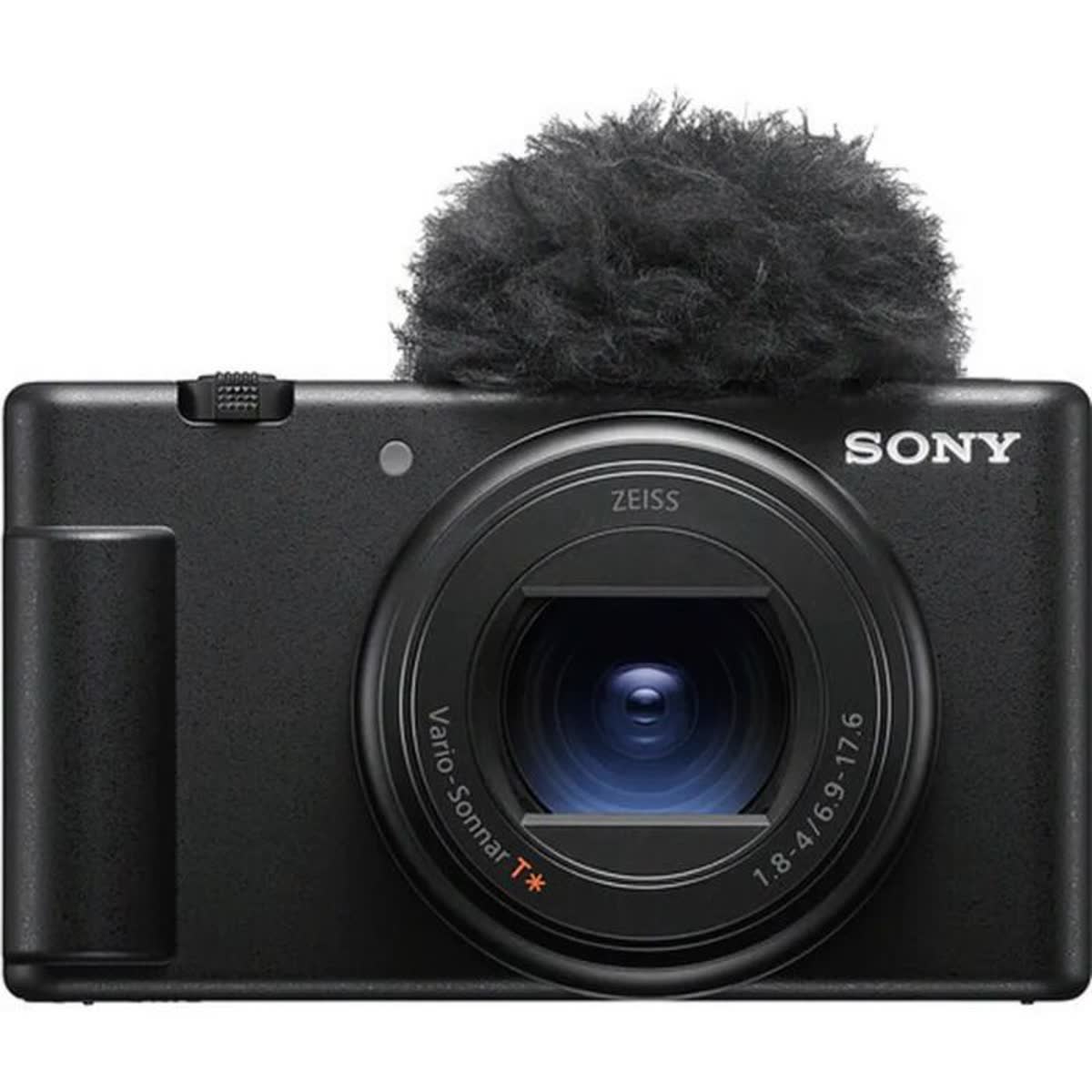
The Sony ZV-1 II is real, and it comes with an honest flag: it is a vlogging-oriented camera built around video creators, not a traditional point and shoot designed for stills first. It pairs a 1-inch-type sensor with a wide 18-50mm equivalent zoom, a fully articulating screen that flips to face you, and a directional microphone tuned for voices. Everything about its design assumes you will be talking to it at arm’s length.
Its strengths are exactly what creators need. The wider-than-usual lens fits more scene at arm’s length, Product Showcase mode snaps focus to objects you hold up, background defocus blurs distractions with one tap, and the video autofocus is reliably sticky on faces. As a stills camera it is perfectly capable, but the modest zoom range and video-first control layout remind you where its heart is.
Buy this if your point and shoot camera is really a YouTube and TikTok machine: vlogs, talking head videos, product demos, and travel clips. It is arguably the best point and shoot camera for anyone whose primary output is video. Buy the RX100 VII instead if stills matter as much as video to you, because its longer zoom and viewfinder serve photographers far better.
6. OM System TG-7: Best Rugged Point and Shoot Camera
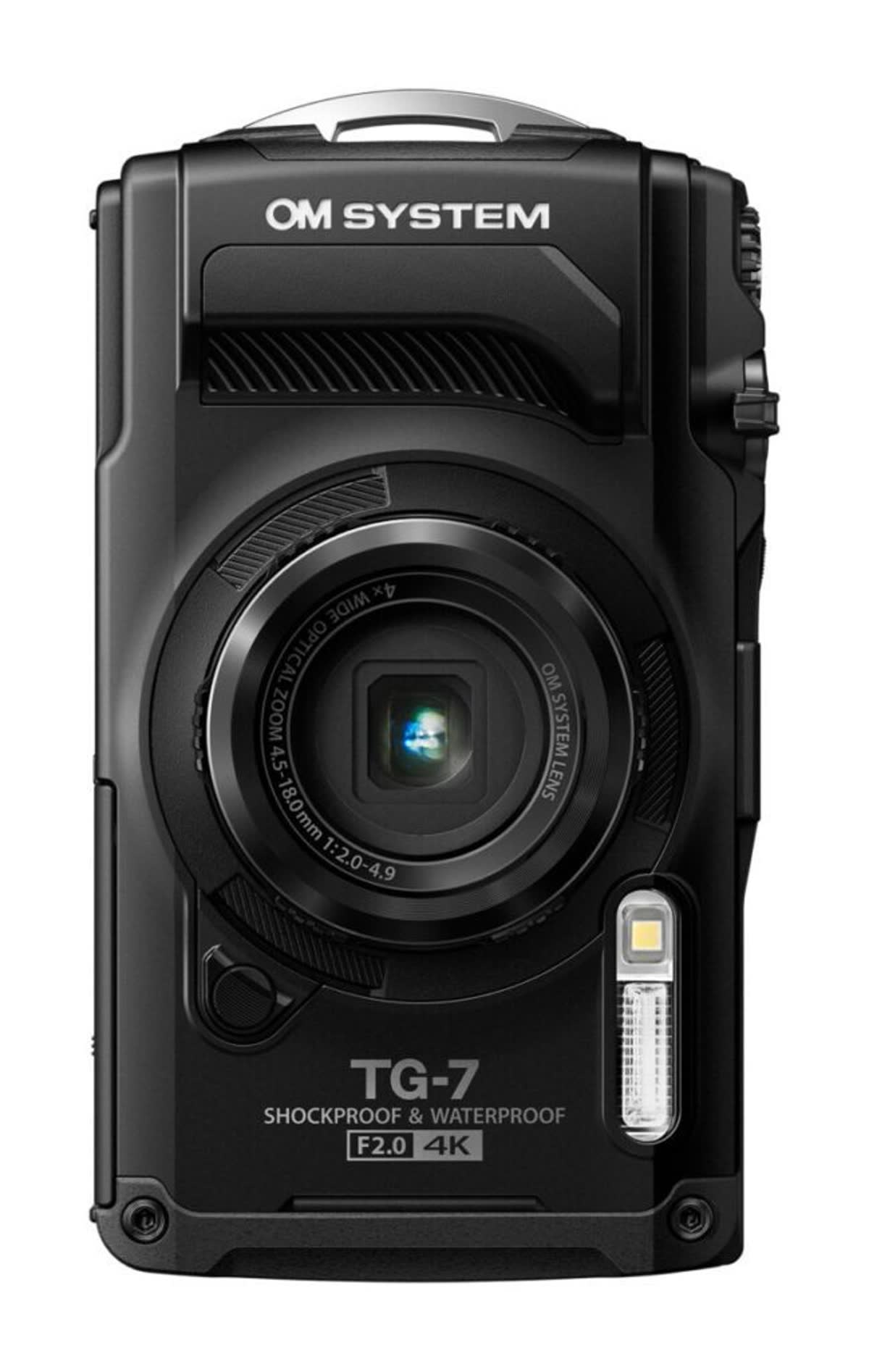
The OM System TG-7 is real, and its flag is a tradeoff rather than a trick: it is a rugged adventure camera first and a point and shoot second, with a limited zoom range. The 25-100mm equivalent 4x zoom is modest next to the travel zooms on this list, and the smaller sensor cannot match the image quality of the premium compacts. What it survives, though, no other camera here will: it is waterproof, shockproof, freezeproof, and crushproof, built for beaches, boats, ski slopes, and construction sites.
Its strengths are toughness and field practicality. You can take it snorkeling, drop it on rocks, shoot in a blizzard, and rinse it under a tap afterward, all without a housing or a second thought. The microscope macro mode focuses astonishingly close for tiny subjects, the controls work with gloves, and the sealed body shrugs off sand and rain that would kill a delicate premium compact in an afternoon.
Buy this as your second camera for the rough stuff, or your only camera if your life happens outdoors and underwater. It is the best point and shoot camera for kayakers, divers, skiers, parents of destructive toddlers, and anyone whose last camera died of adventure. Pair it with one of the image quality picks above for everything else, and check our best digital camera guide on DixTrick if you want a larger rugged system.
7. Panasonic ZS200D: Best Travel Zoom Point and Shoot Camera
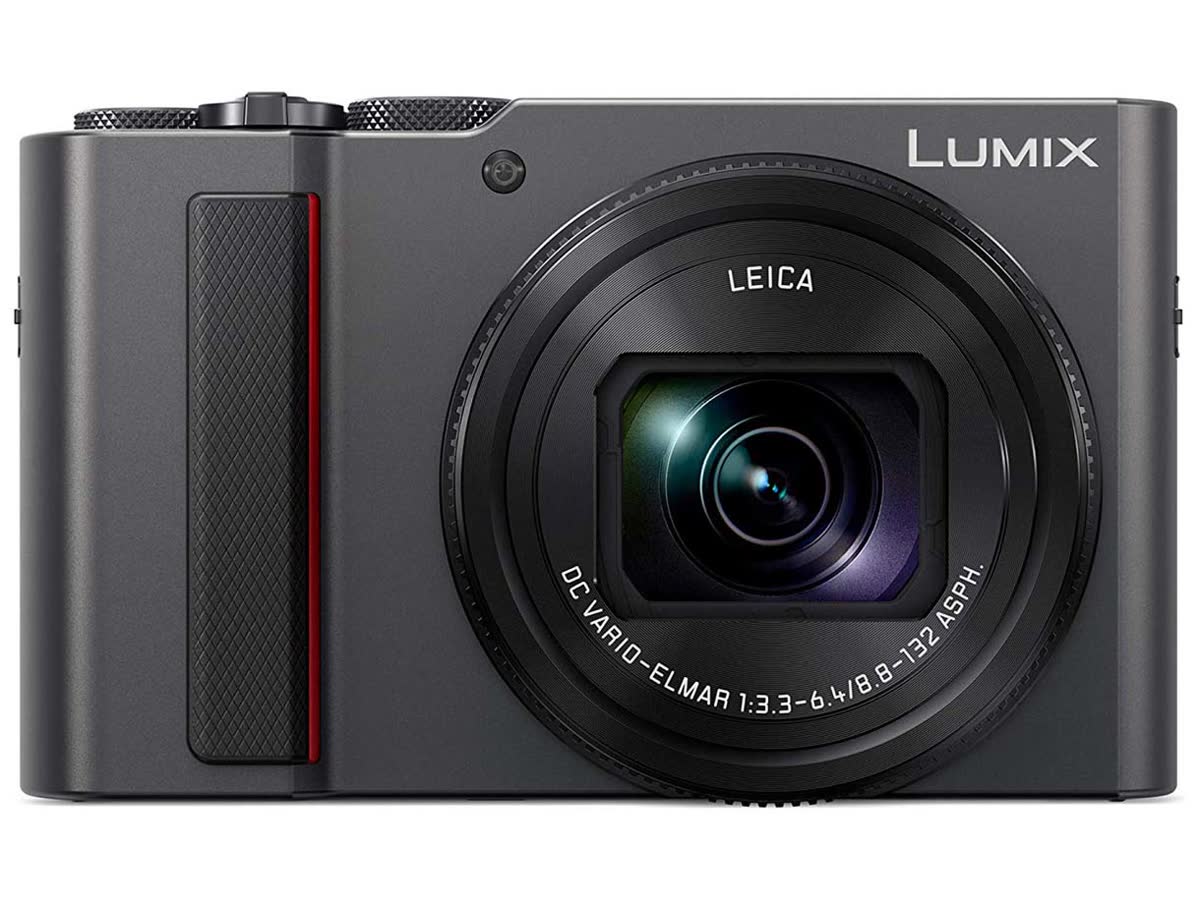
The Panasonic ZS200D is real, and we verified the D suffix rather than flagging it: the ZS200D is a genuine variant of the respected ZS200 travel zoom, identical except for an upgraded OLED rear screen. Underneath it is the classic travel zoom formula done right: a 1-inch 20.1 megapixel sensor paired with a Leica-badged 15x zoom covering 24-360mm equivalent, plus a built-in electronic viewfinder, 5-axis stabilization, and 4K video and 4K Photo modes.
Its strengths are range and portability in perfect balance. No other camera here packs a 24-360mm zoom into a body this small: wide enough for architecture, long enough for distant wildlife and candid street portraits, all without changing lenses or carrying a bag of glass. The 1-inch sensor keeps image quality a clear step above phones and tiny-sensor compacts, and the viewfinder is a genuine asset in harsh sunlight.
Buy this if your dream is one tiny camera for an entire vacation, from cathedral interiors to safari sightlines. It is the best point and shoot camera for travelers who want maximum zoom range in minimum space. Accept the tradeoff with open eyes: the slow aperture at the long end means the premium fixed-lens cameras above will beat it after dark.
8. Canon G7 X Mark III: Best Point and Shoot Camera for Content Creators
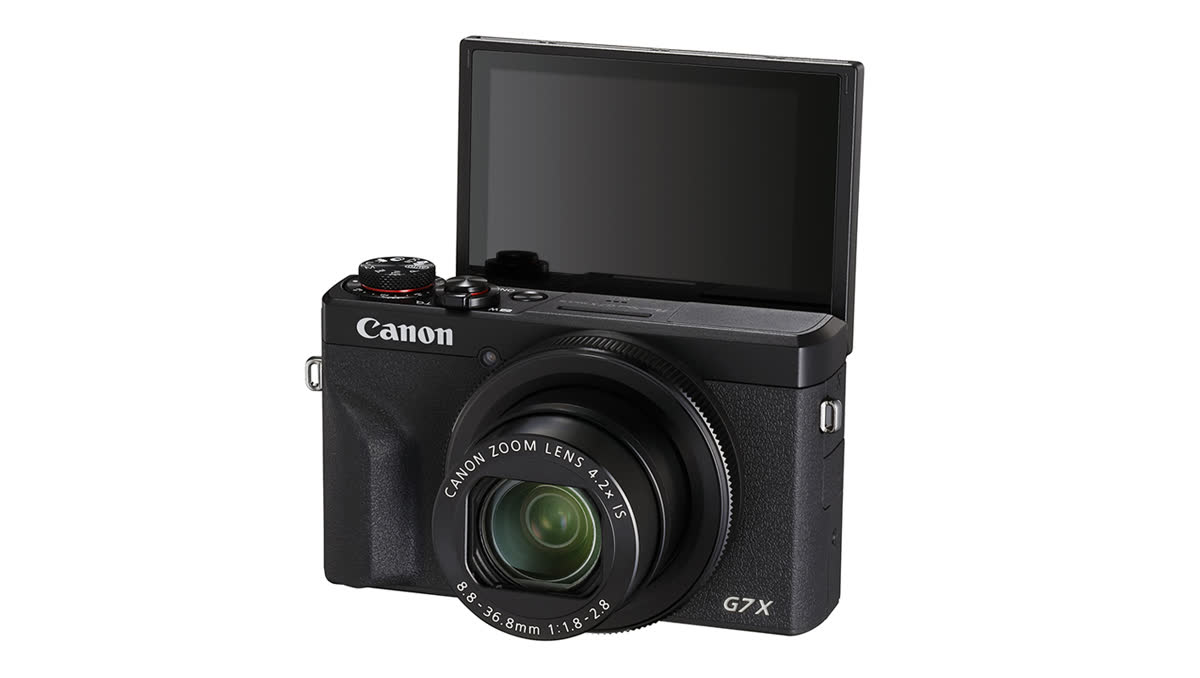
The Canon PowerShot G7 X Mark III is real and needs no flag: it is a classic enthusiast point and shoot that found a second life as a creator favorite. The formula is a 1-inch 20.1 megapixel stacked sensor with a bright 24-100mm equivalent f/1.8-2.8 lens, a flip-up touchscreen for selfies and vlogging, and 4K video without the heavy crop that plagued its predecessor. It is the camera that launched a thousand YouTube channels.
Its strengths are the fast lens and Canon’s famously pleasant color science. That f/1.8-2.8 aperture gathers far more light than the travel zooms, which means cleaner indoor shots, softer backgrounds for portraits, and genuinely usable low light performance. Skin tones look great straight out of camera, the touchscreen interface is friendly for beginners, and the whole package is small enough to live in a purse or jacket pocket.
Buy this if you want a stills-first camera that also handles YouTube duty: the fast lens serves photographers better than the Sony ZV-1 II’s wider but slower zoom, while the flip screen keeps creators happy. It is the best point and shoot camera for the hybrid shooter who splits time between photos and video. If you need serious telephoto reach, the Sony RX100 VII or Panasonic ZS200D above are the better call.
9. Kodak Pixpro FZ55: Best Budget Point and Shoot Camera
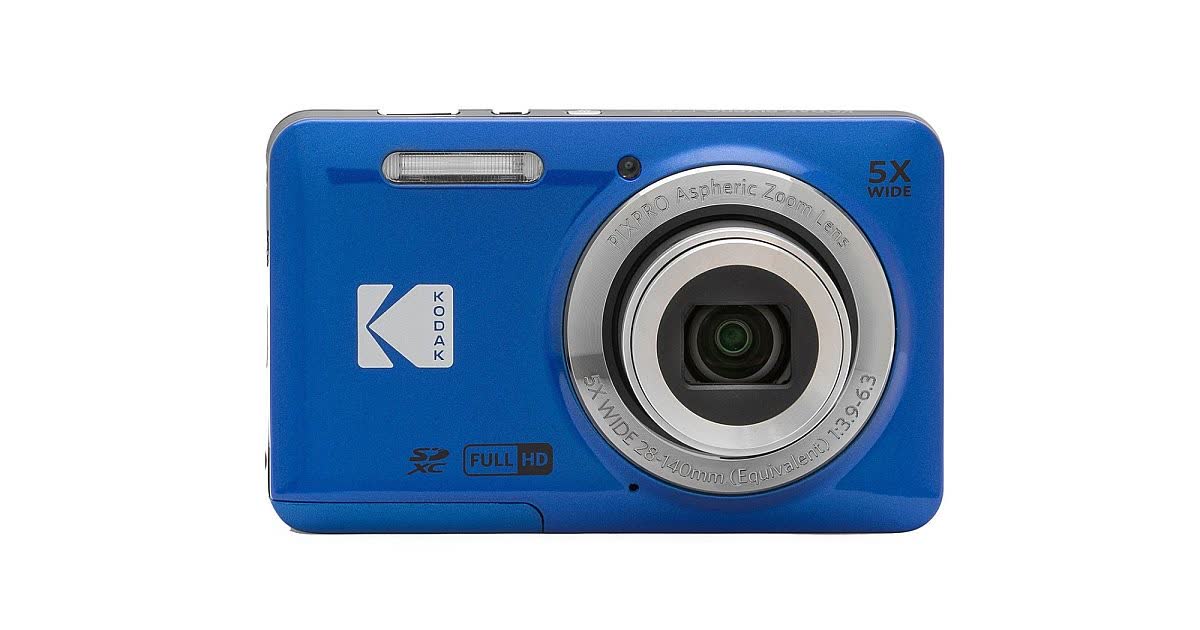
The Kodak PIXPRO FZ55 is real, made by JK Imaging under license from Kodak, and it is the most affordable camera on this list by a wide margin. No flags, no fine print: this is a simple 16 megapixel point and shoot with a 5x optical zoom, straightforward automatic modes, and a price that makes it nearly disposable. It is the spiritual successor to the drugstore digital cameras of the 2000s, rebuilt for the retro compact craze.
Its strengths are simplicity and freedom from anxiety. You can hand it to a child, toss it in a beach bag, or take it to a concert without the dread that follows a two thousand dollar Leica. The 5x zoom covers everyday framing, the controls need no manual, and there is a genuine charm to its unpretentious images: a little soft, a little nostalgic, completely free of the overprocessed phone look. For parties, road trips, and kids’ first camera, that is a feature, not a bug.
Buy this if you want the best point and shoot camera under a tight budget, a beater camera for risky situations, or a gift that introduces someone to photography without intimidation. Do not buy it expecting the image quality of the 1-inch sensor cameras above: the small sensor shows its limits in low light and fine detail. It is honest, cheap fun, and sometimes that is exactly right.
10. Leica D-Lux 8: Best Premium Everyday Carry Compact
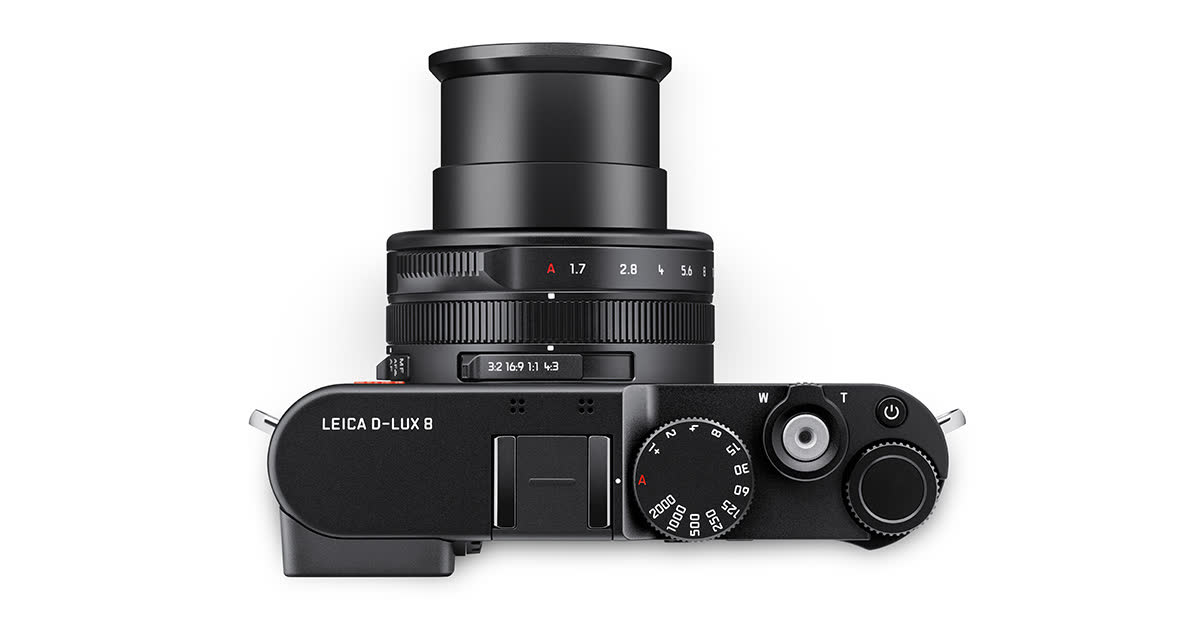
The Leica D-Lux 8 is real and closes our list with quiet confidence: a premium zoom compact built around a Micro Four Thirds sensor and a fast 24-75mm equivalent f/1.7-2.8 Vario-Summilux lens. It is Leica’s answer for photographers who want the red dot experience with a versatile zoom instead of a fixed lens, and its redesigned interface borrows the cleaner control logic of Leica’s Q series.
Its strengths are the bright lens and the shooting experience. That f/1.7-2.8 aperture is the fastest zoom on this list, giving real low light ability and subject separation that slower travel zooms cannot match, while the larger Micro Four Thirds sensor outresolves every 1-inch compact here. The mechanical controls, crisp viewfinder, and understated design make it a camera you reach for daily rather than admire on a shelf.
Buy this if you want one premium camera that does everything well: a fast zoom for real-world versatility, a large sensor for image quality, and Leica handling without Leica Q3 money. It is the best point and shoot camera for the enthusiast who finds fixed lenses limiting but still demands a superb lens and sensor. For broader photography reading, our best camera for photography guide on DixTrick covers larger systems when you outgrow compacts.
Final Pick
If we had to name one winner, the Sony RX100 VII takes the crown as the best point and shoot camera for most people: a genuine pocketable zoom from 24 to 200mm, a 1-inch sensor, superb autofocus, and video chops, all in a body you will actually carry. It is the least compromised all-rounder on the sheet.
But the honest answer is that the best point and shoot camera depends on your job. Image quality purists should chase the Fujifilm X100VI or Leica Q3 and embrace the fixed lens. Street shooters should grab the Ricoh GR IV and never look back. Travelers who live at the long end of the zoom belong with the Panasonic ZS200D. Creators should choose between the Canon G7 X Mark III for stills and the Sony ZV-1 II for video. Adventurers need the OM System TG-7, and bargain hunters cannot go wrong with the Kodak PIXPRO FZ55. Match the camera to the mission, and you cannot miss.
Frequently Asked Questions
What is the best point and shoot camera in 2026?
For most buyers, the best point and shoot camera is the Sony RX100 VII: a true pocket zoom with a 1-inch sensor, 24-200mm range, and excellent autofocus. If image quality is your top priority, the Fujifilm X100VI and Leica Q3 beat it with larger sensors and fixed lenses, but you give up zoom versatility. There is no single winner, only the best match for how you shoot.
Are point and shoot cameras still worth buying when phones are so good?
Yes, for three reasons: sensor size, zoom range, and handling. Every 1-inch sensor camera on this list outresolves a phone in low light, optical zooms like the 24-360mm Panasonic reach subjects no phone can touch, and a real grip, viewfinder, and shutter button make photography more deliberate and more fun. Phones win on convenience; dedicated cameras win on image quality and intent.
Which point and shoot camera has the best zoom?
The Panasonic ZS200D, with its 24-360mm equivalent 15x zoom, the longest on this list by far. The Sony RX100 VII’s 24-200mm is the runner-up and pairs its zoom with better autofocus and video. The fixed-lens cameras here, the Fujifilm, Ricoh, and Leica entries, have no zoom at all, so choose your priority before you buy.
What is the difference between a fixed-lens compact and a zoom point and shoot?
A fixed-lens compact like the X100VI or GR IV has one prime lens and a larger sensor, delivering the best image quality in the smallest body, at the cost of zooming with your feet. A zoom point and shoot like the RX100 VII or ZS200D trades some image quality for a versatile zoom range in one pocketable body. Neither is better in the abstract; they serve different photographers.
Is the Fujifilm X100VI a true point and shoot camera?
Strictly speaking, no, and we flag that in its section. It is a premium fixed-lens compact with no zoom, closer in spirit to a classic rangefinder than to a pocket zoom. People call it a point and shoot because it is small, simple to operate in auto, and easy to carry everywhere. If you want the classic zoom experience, look at the Sony, Panasonic, or Canon entries instead.
What is the best budget point and shoot camera?
The Kodak PIXPRO FZ55: a simple 16 megapixel camera with a 5x zoom that costs a fraction of everything else here. It will not match the 1-inch sensor cameras for image quality, especially in low light, but it is perfect as a first camera, a party camera, or a beater you can take anywhere without worry. For a meaningful step up in quality, the Canon G7 X Mark III is the next rung on the ladder.
The Bottom Line
The best point and shoot camera is the one that matches your mission. The Sony RX100 VII is our all-round pick, the Fujifilm X100VI and Leica Q3 serve image quality purists, the Ricoh GR IV owns street photography, the Panasonic ZS200D rules travel zoom, the Canon G7 X Mark III and Sony ZV-1 II split creator duties between stills and video, the OM System TG-7 survives anything, the Kodak PIXPRO FZ55 costs almost nothing, and the Leica D-Lux 8 is the premium zoom for enthusiasts. We verified every model and flagged every naming quirk on the sheet, so buy with confidence and go shoot.