
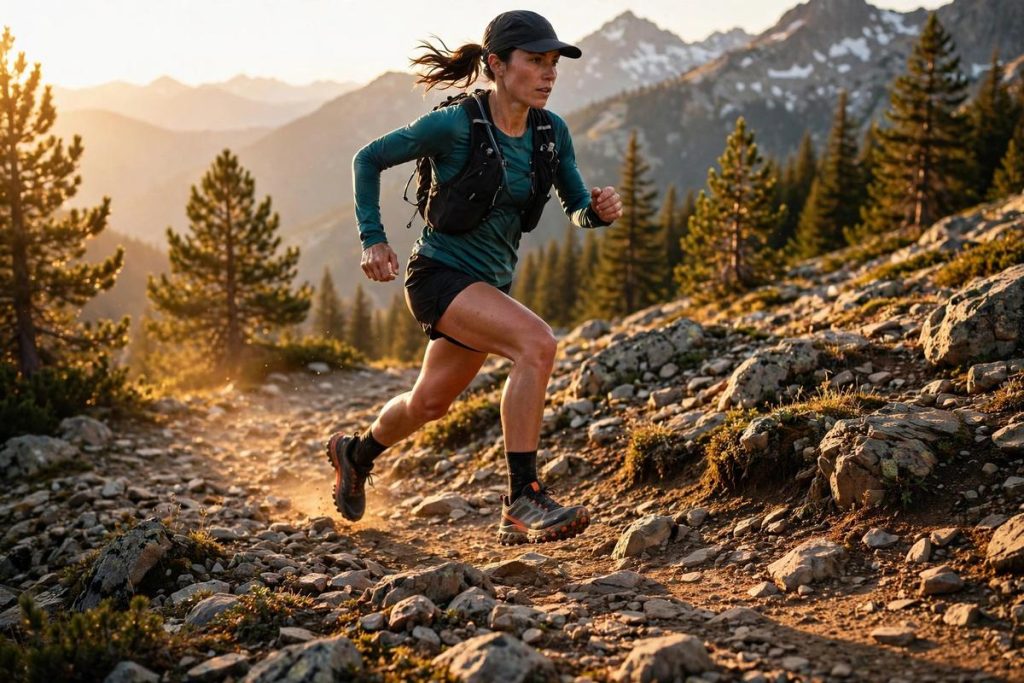
10 Best Trail Running Shoes for 2026 Adventures
Introduction to Our Best Trail Running Shoes Rankings for 2026
Choosing the best trail running shoes in 2026 is the difference between floating over singletrack and fighting your feet on every descent. Roads forgive a lot. Trails do not.
Loose gravel, wet roots, sharp rocks, and muddy climbs punish the wrong shoe fast, which is why trail runners are built so differently from road trainers: deeper lugs for grip, tougher uppers for protection, and stiffer platforms that stay stable when the ground tilts. This guide cuts through the marketing and names ten trail shoes we would genuinely recommend to a friend heading for the hills.
We picked the best trail running shoes the way runners actually buy them. Traction came first, because grip is the whole point of leaving the road. Then we weighed protection against ground feel, since a shoe that blocks every rock can also feel dead underfoot. Cushioning mattered for long days, fit mattered for blister free descents, and value mattered because the best trail running shoes are the ones you can afford to replace when the lugs wear smooth. No brand paid for placement.
Whether you are tackling your first forest loop or training for a 50K ultra, these are the shoes we trust on real dirt.
Table of Contents
How We Chose the Best Trail Running Shoes
Every shoe on this list earned its spot through the same honest filter: real trail performance, not catalog claims. We favored models with proven outsoles that bite on loose terrain, uppers that survive rock strikes and brush, and fits that lock the heel on steep downhills. We also made sure the list covers the full spread of trail runners, from protective mountain workhorses and waterproof winter options to nimble low drop shoes and a budget minimalist pick. If a shoe only looks the part but slips on wet roots, it did not make the cut. The ten best trail running shoes below did.
1. Brooks Men’s Cascadia 17 Mountain Trail Running Shoe
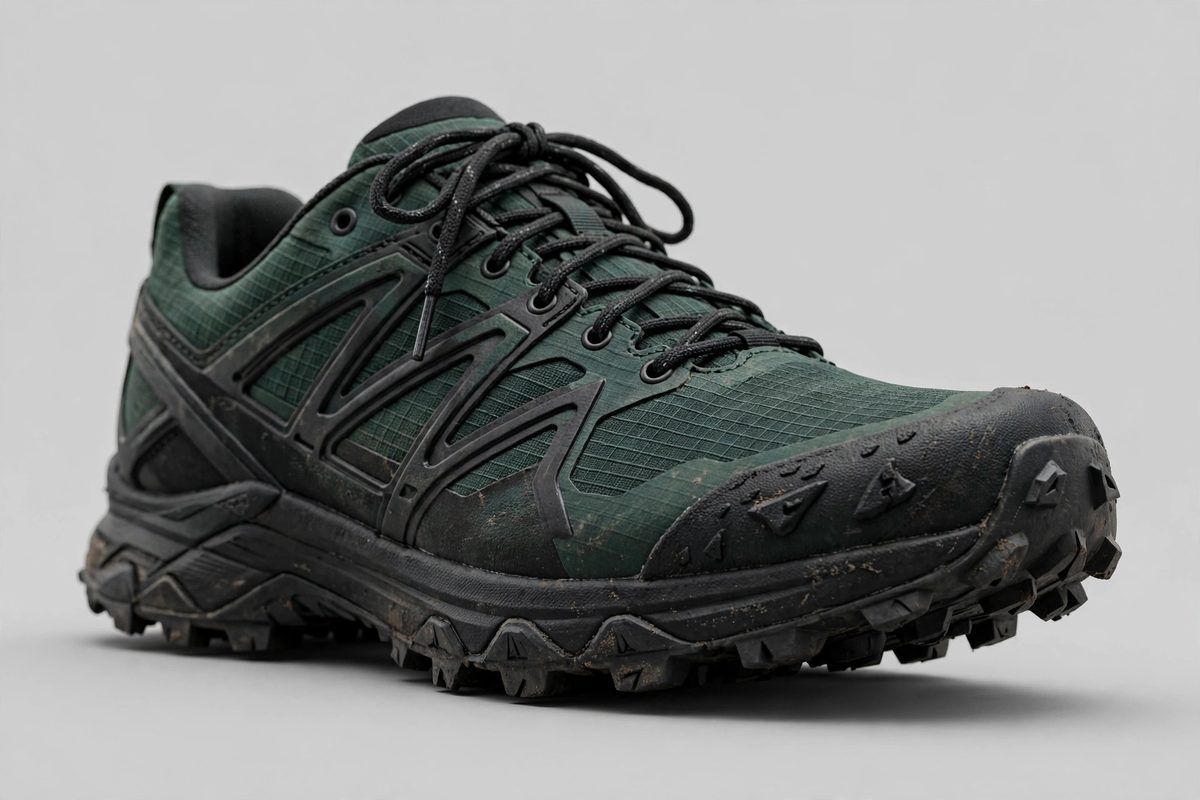
The Cascadia 17 is the mountain goat of this list: a protective, sure footed trail shoe built for rough, rocky, high consequence terrain. Seventeen generations of refinement show in the details that matter off road. The outsole uses a tacky trail rubber with multidirectional lugs that grip confidently on loose dirt, wet rock, and sketchy traverses, while a rock plate underfoot shields your soles from sharp stones on long descents. The upper wraps the midfoot securely so your foot stays planted when the trail tilts sideways, which is exactly the kind of boring reliability you want miles from the trailhead.
Comfort on long days is a genuine strength. The midsole foam delivers a balanced ride that is cushioned enough for ultradistance efforts without feeling mushy on technical ground, and the padded collar and tongue keep hot spots away when grit works its way in. Fit runs true to size with a medium width that suits most feet, and the heel counter holds well on steep downhills where lesser shoes let your toes slam the front. If your trails look like mountains rather than manicured park paths, this is one of the best trail running shoes you can lace up.
The honest trade off is weight and nimbleness. The Cascadia 17 is built like armor, and you feel that protection on smooth, fast, nontechnical trails where a lighter shoe would dance. Runners who stick to gravel paths and fire roads are carrying more shoe than they need. It is also not the most breathable option in warm weather, since the protective overlays that shrug off rocks also trap some heat. Buy it for the job it was designed for: rugged mountain miles where protection beats lightness every time.
- Best for: Rocky mountain trails, technical descents, ultradistance efforts, runners who want maximum protection.
- Fit note: True to size with a secure midfoot and heel; medium width fits most feet comfortably.
- Keep in mind: Heavier than speed oriented trail shoes; overkill for smooth gravel paths.
2. ALTRA Men’s Lone Peak 8 Trail Running Shoe
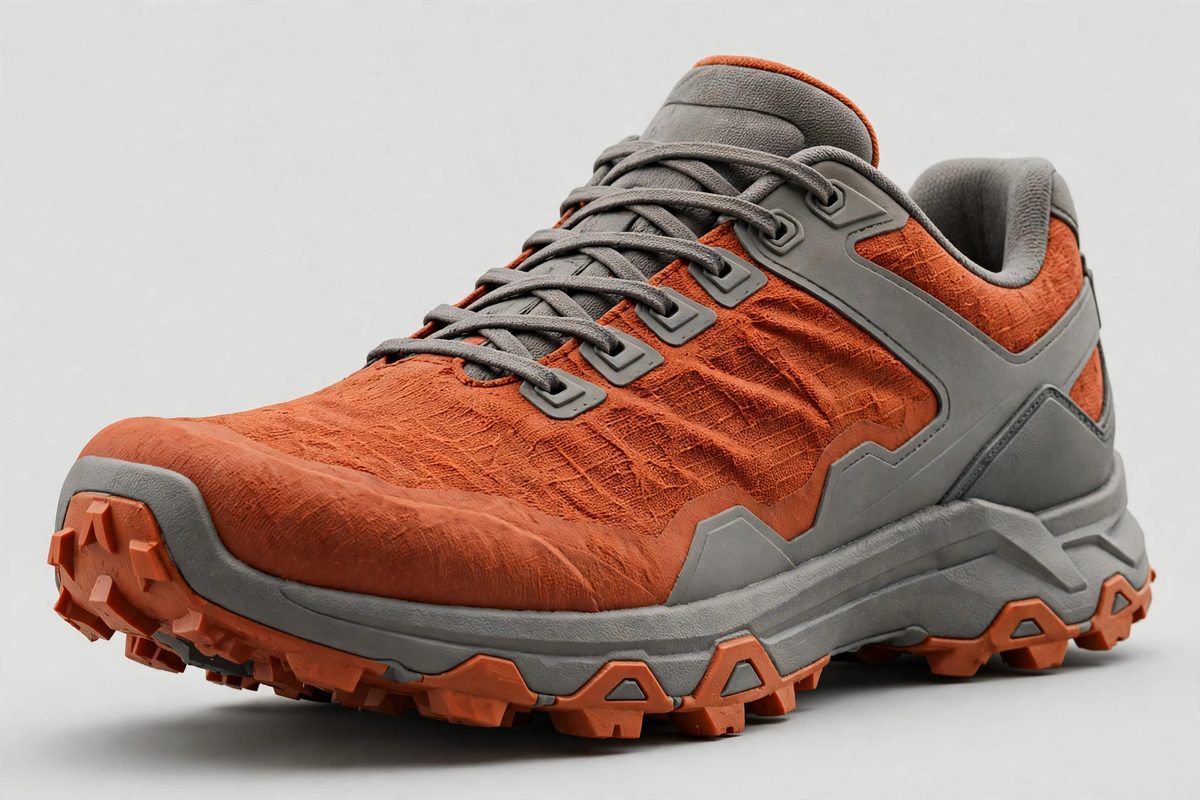
The Lone Peak 8 is the cult classic of the trail world, and its fame rests on two design choices that set it apart from nearly every shoe on this list. First, the zero drop platform keeps heel and forefoot at the same height, encouraging a natural midfoot strike that many trail runners swear by on uneven ground. Second, the famously roomy FootShape toe box lets your toes splay and grip the way they do barefoot, which pays real dividends on long descents when swollen feet need space. The MaxTrac outsole grips well on varied surfaces, and the whole package feels light and agile underfoot.
Fit is the headline feature and it is genuinely different. If you have wide feet, bunions, or toes that feel cramped in conventional shoes, the Lone Peak 8 can feel like a revelation. The ride is moderately cushioned rather than maximal, so you stay connected to the trail without getting beaten up, and the shoe disappears on your foot during all day efforts. Thru hikers love it for the same reason: when your feet swell after eight hours, a generous toe box is worth more than any foam technology.
The honest limitation is the zero drop learning curve. If you have run your whole life in traditional shoes with a raised heel, switching straight to zero drop can overload your calves and Achilles, so a gradual transition over several weeks is nonnegotiable. The Lone Peak is also less cushioned than the max stack options on this list, so runners who want pillowy protection for ultra distances may prefer the Caldera 7 below. Among the best trail running shoes for natural stride runners, though, the Lone Peak 8 remains the benchmark.
- Best for: Wide feet, thru hiking, natural midfoot strikers, runners who want toe splay on long descents.
- Fit note: Very roomy toe box; size up a half size if between sizes for swollen feet comfort.
- Keep in mind: Zero drop demands a gradual transition; moderate rather than maximal cushioning.
3. Brooks Men’s Caldera 7 Ultra Trail Running Shoe
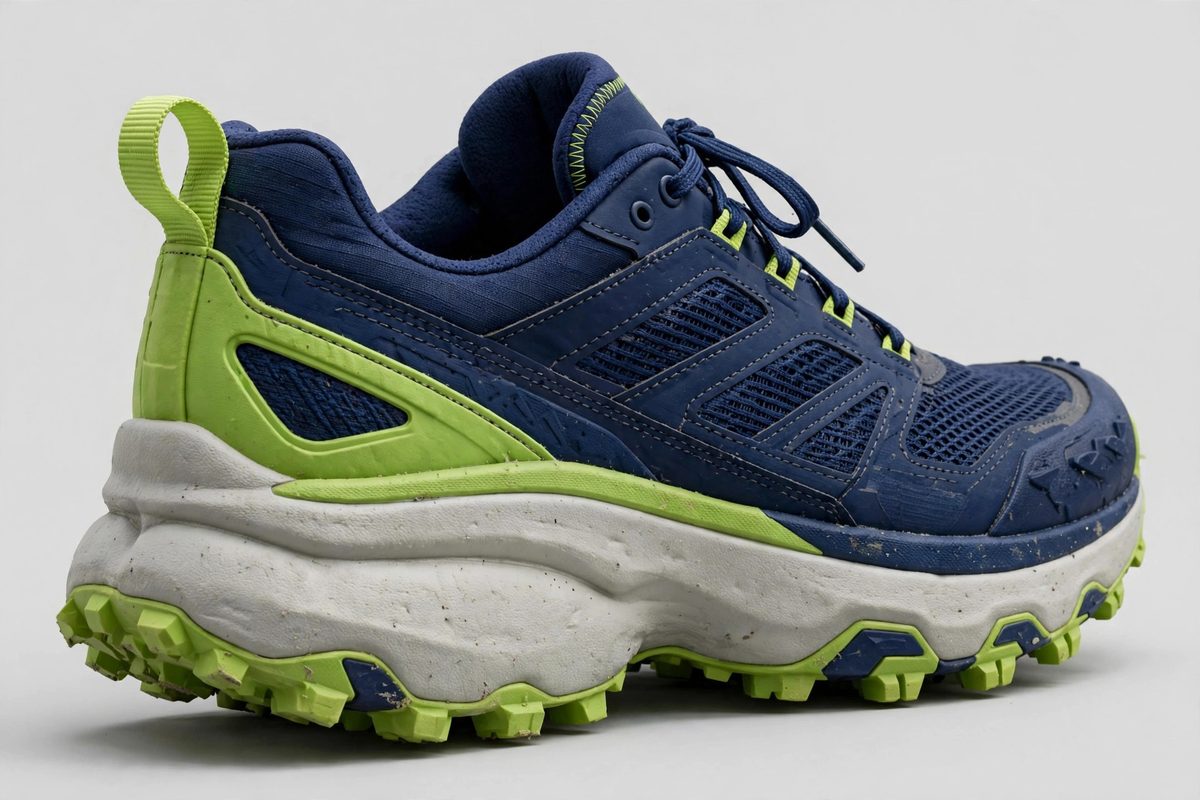
The Caldera 7 is Brooks’s answer to the longest days on trail: a maximally cushioned ultra shoe that keeps your legs fresh when the miles stretch past marathon distance. The tall stack of nitrogen infused foam absorbs pounding on hardpacked trails and rocky descents alike, and the ride has a gentle rocker that keeps you rolling forward when fatigue sets in. For 50K and 100K efforts, or simply for runners whose joints appreciate extra protection, this is the most forgiving shoe in the Brooks trail lineup.
What keeps the Caldera from feeling like a marshmallow is the tuning. The foam is soft on landing but stable enough that you do not wobble on uneven ground, and the wide platform adds confidence on cambered singletrack. The upper is plush and accommodating, with enough structure to hold the foot on descents despite the tall stack. Fit runs true to size, and the overall feel is protective and unhurried, exactly what you want when you are eight hours deep and still have ridgelines to cross.
Maximal cushioning always costs something, and here it is precision. The tall stack dulls ground feel, so on highly technical rock scrambles a lower, firmer shoe gives better feedback. It is also a heavier shoe, and fast runners on smooth trails will find it sluggish compared to nimbler options. Among the best trail running shoes for ultra distances, the Caldera 7 is the comfort king, but choose it for long slow miles rather than short fast ones.
- Best for: Ultramarathons, 50K and 100K training, runners who want maximum cushioning on trail.
- Fit note: True to size with a plush, accommodating upper; wide platform adds stability.
- Keep in mind: Tall stack dulls ground feel on technical rock; heavier than nimble trail racers.
4. Salomon Men’s Speedcross 6 GORE-TEX Trail Running Shoe
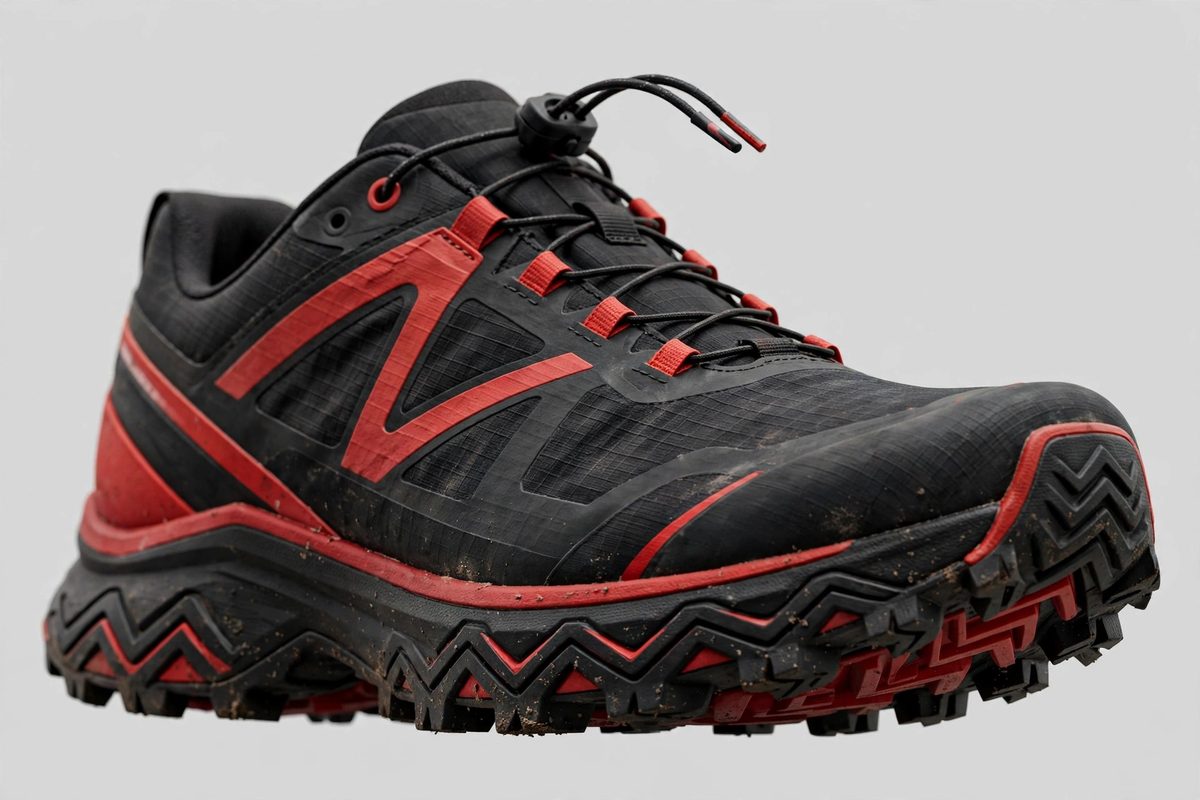
The Speedcross 6 GORE-TEX is the mud specialist of this list, the shoe you reach for when the forecast is grim and the trails are slop. Its deep, widely spaced chevron lugs are legendary for biting into soft ground, snow, and loose mud, shedding debris instead of packing it in. The GORE-TEX membrane keeps rain and puddle splash out while the Quicklace system cinches the whole shoe down in one pull and tucks away into its little pocket, so there are no laces to snag on brush or come undone mid run. For wet shoulder seasons and winter trail running, few shoes inspire this much confidence.
Fit is precise and glove like, which matters when sloppy ground tries to twist your foot inside the shoe. The Sensifit style wrap holds the midfoot firmly, and the GORE-TEX bootie keeps feet dry through stream crossings and sustained drizzle. On soft, wet, or snowy terrain the grip is simply outstanding: climbs that would have you slipping in other shoes feel secure, and descents stay controlled. If your local trails spend half the year wet, this is one of the best trail running shoes for staying upright through all of it.
The honest limitations come with the territory. Waterproof membranes keep water out but also trap heat, so on warm days your feet will run hot and sweaty. The aggressive lugs that devour mud feel awkward and wear quickly on hardpack and pavement, so this is not a road to trail hybrid. And the fit runs narrow, which wide footed runners should know before ordering. Among the best trail running shoes for mud and foul weather, the Speedcross 6 GORE-TEX is the specialist; just respect its specialty.
- Best for: Muddy and wet trails, winter running, soft ground, runners in rainy climates.
- Fit note: Precise, snug, and slightly narrow; Quicklace gives a fast locked down fit.
- Keep in mind: Runs warm in summer; deep lugs wear fast on hard surfaces; narrow fit.
5. Brooks Men’s Cascadia 17 Trail Running Shoe (Citadel)
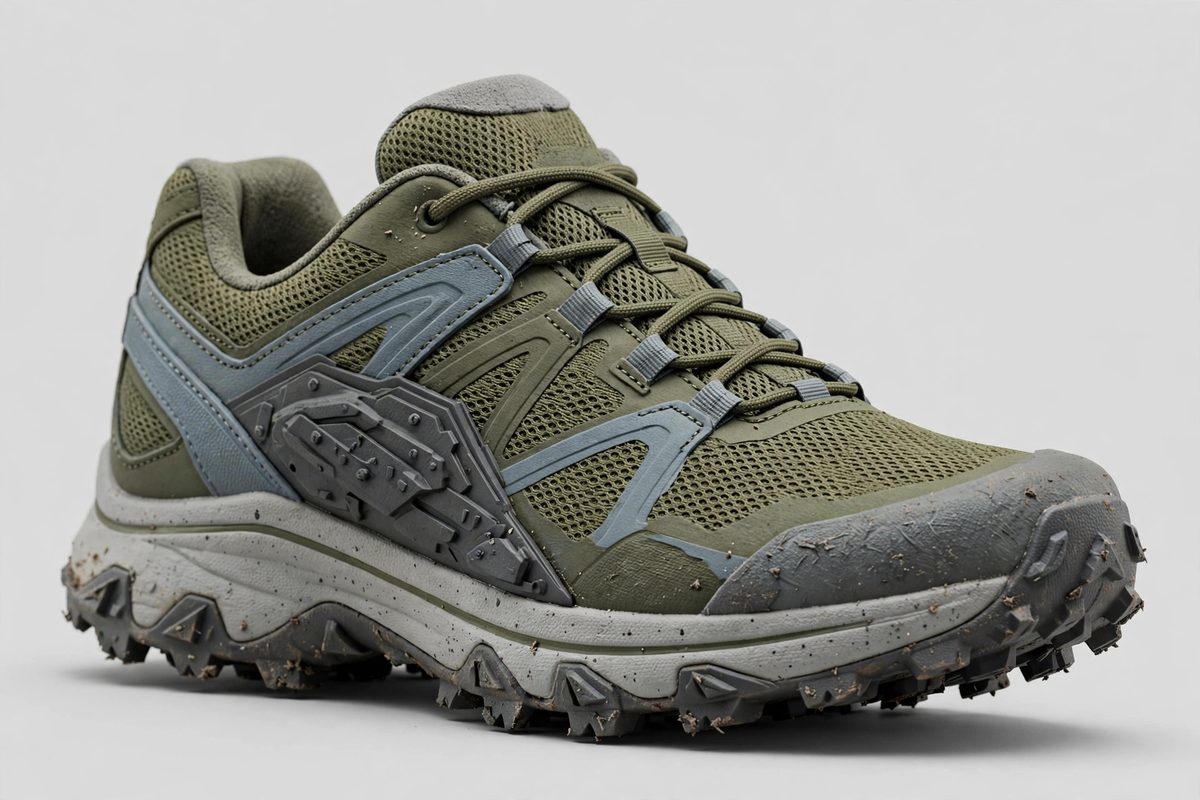
This is the same proven Cascadia 17 platform as our number one pick, wearing the Citadel colorway, and that sameness is exactly the point of including it. Everything that makes the Cascadia great on technical terrain is here: the tacky lugged outsole, the protective rock plate, the secure midfoot wrap, the balanced cushioning for long days. What the Citadel colorway adds is versatility off the trail. The muted olive and grey tones look at home with everyday clothes in a way that loud neon trail colorways never do, so one pair can credibly cover your weekend mountain run and your Monday errands.
Think of this pick as the lifestyle friendly twin of the mountain workhorse above. If you run trails a few times a week but also want a rugged shoe for hiking, travel, and daily wear, the Citadel colorway removes the visual penalty that keeps trail shoes in the closet. The performance is identical, which means the same honest comfort on rocky descents and the same protection from sharp stones. For runners who want one rugged shoe that does everything without screaming “trail runner” at the grocery store, it is a smart, stylish choice.
The practical advice is simple: since this is the same shoe as number one in a different colorway, buy whichever version is cheaper or in stock in your size. There is no performance reason to prefer one over the other. And the same limitations apply: it is heavier than nimble trail racers and overkill for smooth gravel paths. Among the best trail running shoes for runners who value understated style alongside mountain ready protection, the Citadel colorway earns its own spot.
- Best for: Runners who want trail performance plus everyday style, hiking, travel, one shoe versatility.
- Fit note: Identical fit to the standard Cascadia 17; true to size, secure midfoot.
- Keep in mind: Same shoe as pick one, so shop on price and availability; still heavy for fast smooth trails.
6. Under Armour Men’s Charged Bandit Trail 2 Hiking Shoe
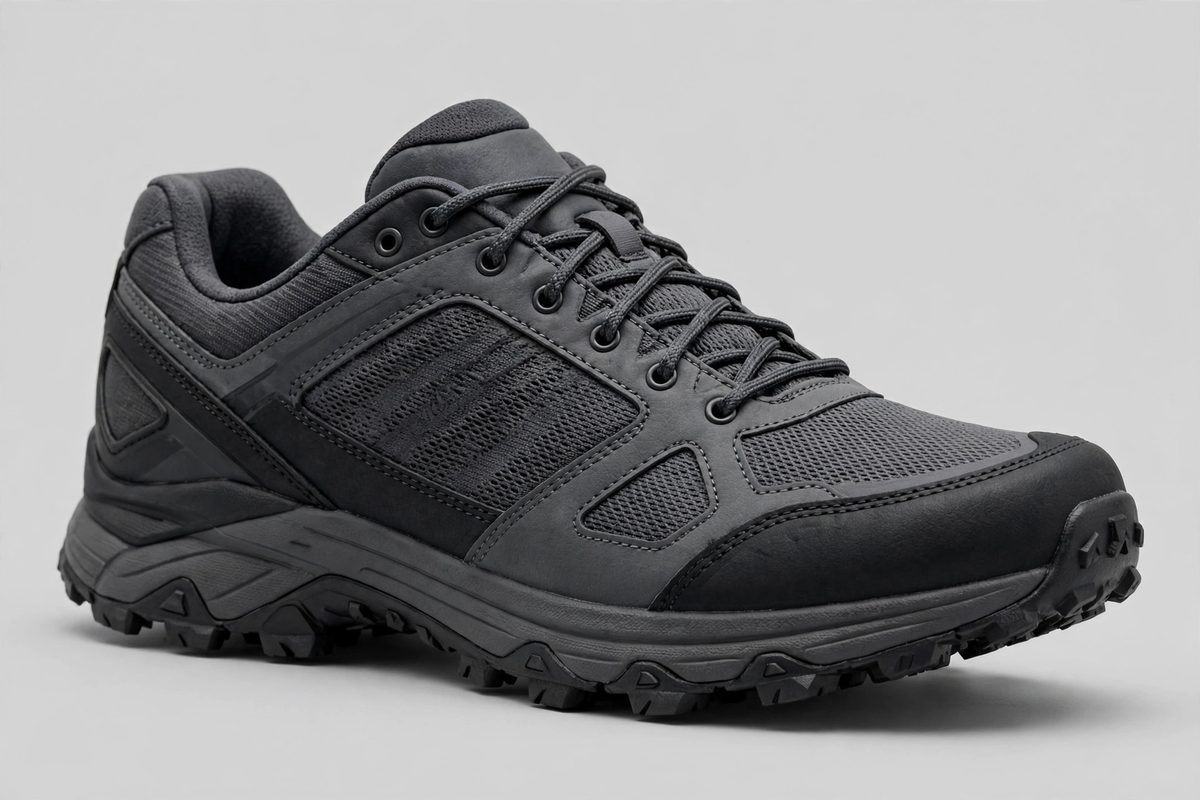
The Charged Bandit Trail 2 is the honest value hybrid of this list: part trail runner, part hiker, priced for runners who do not want to overthink it. The Charged Cushioning midsole gives a comfortable, responsive ride that handles gravel paths, park trails, and packed dirt with ease, while the rugged synthetic upper and toe protection shrug off the scrapes of light trail duty. It is the kind of shoe that lives by the door and gets grabbed for everything from morning jogs to weekend hikes, and it does both jobs competently.
Fit and comfort are straightforward wins. The shoe runs true to size with a comfortable medium width, the collar is padded enough for sockless style comfort, and the ride is stable and predictable on moderate terrain. For beginners who split their time between roads, treadmills, and easy trails, this one pair genuinely covers all of it without the awkward lug feel of aggressive trail shoes on pavement. It is also one of the easiest shoes on this list to find at a friendly price.
The limitation is ceiling, not quality. The lugs are shallow and the platform is tuned for moderate terrain, so this shoe is out of its depth on steep muddy climbs and technical rock gardens where the Speedcross or Cascadia shine. Heavier runners logging serious trail mileage will also want more underfoot protection. Among the best trail running shoes for beginners and budget conscious runners who mix surfaces, the Bandit Trail 2 is the practical pick that proves you do not need a specialist to start.
- Best for: Beginners, light trails, gravel paths, runners who mix road, trail, and hiking in one shoe.
- Fit note: True to size with a comfortable medium width; easy out of the box fit.
- Keep in mind: Shallow lugs limit it on mud and technical rock; not an ultra distance shoe.
7. New Balance Men’s Fresh Foam X Hierro V7 Trail Running Shoe
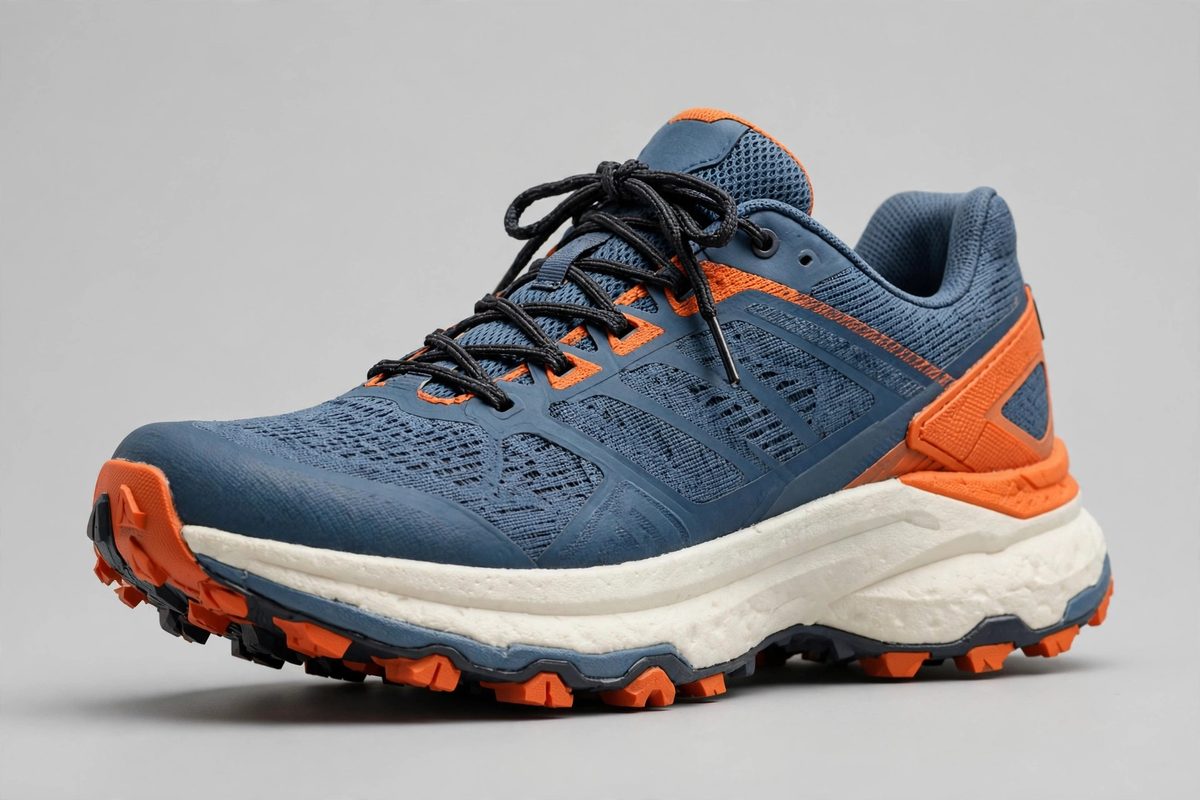
The Hierro v7 pairs plush Fresh Foam X cushioning with one of the grippiest outsoles in trail running: Vibram Megagrip rubber with multidirectional lugs that stay tacky on wet rock where lesser compounds skate. That combination makes it a rare all conditions shoe. The cushioning keeps legs happy on long, hardpacked efforts, while the outsole gives you the confidence to push on slick granite and damp roots. Runners who train in variable weather and mixed terrain often land on the Hierro as their one shoe solution.
Comfort is generous in every direction. The Fresh Foam X midsole is soft but not sloppy, absorbing impact without bottoming out, and the upper is accommodating with a roomy toe box that suits wider feet well. The rocker geometry rolls you through the stride smoothly, which tired legs appreciate late in a long run. Fit runs true to size, and the overall ride is protective and confidence inspiring, the kind of shoe that makes a rainy 20 miler feel like a reasonable idea.
The honest trade off is weight and bulk. The Hierro v7 is a substantial shoe, and runners who prioritize nimble ground feel on technical terrain will find it a bit much. It is also not the most breathable option, and the plush build takes longer to dry after stream crossings. Among the best trail running shoes for cushioned all weather grip, the Hierro v7 is the dependable workhorse that asks for little and delivers a lot.
- Best for: Wet and variable conditions, long trail runs, wider feet, runners wanting cushion plus grip.
- Fit note: Roomy toe box suits wider feet; true to size with a secure heel.
- Keep in mind: Hefty and not the nimblest on technical rock; slower to dry after water crossings.
8. Brooks Women’s Cascadia 17 Mountain Trail Running Shoe
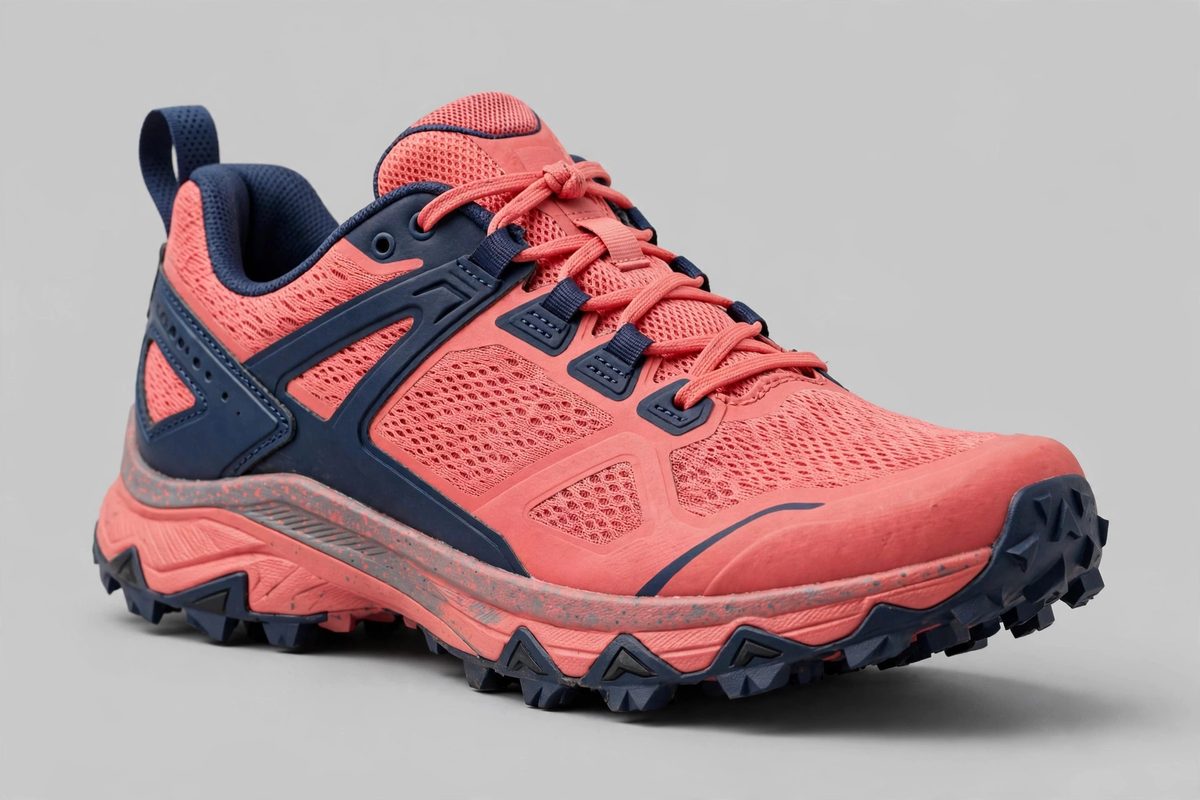
The women’s Cascadia 17 is not simply the men’s shoe in smaller sizes, and that distinction matters. Brooks builds it on a women’s specific last with a narrower heel and a forefoot shaped for women’s feet, which solves the most common complaint women have about unisex trail shoes: a heel that slips on descents and a forefoot that never quite locks down. Underneath that fit, you get the full Cascadia package: protective rock plate, tacky lugged outsole, and balanced cushioning for long mountain days.
On the trail, the fit difference is immediately noticeable. The narrower heel cup keeps the rearfoot planted on steep downhills, so your toes are not jamming into the front of the shoe by mile fifteen. The midfoot wrap feels secure without pressure points, and the cushioning hits the same protective sweet spot as the men’s version: enough for ultradistance efforts, firm enough for technical ground. For women who have been sizing down in men’s trail shoes and living with sloppy heels, this is a genuine upgrade, not a marketing one.
The same honest limitations as the men’s version apply: it is heavier than nimble trail racers and overbuilt for smooth gravel paths. Women with wider feet should try it on first, since the women’s specific last runs narrower than the men’s by design. Among the best trail running shoes for women tackling technical mountain terrain, the women’s Cascadia 17 is the pick that respects the differences in women’s feet instead of ignoring them.
- Best for: Women running technical mountain trails, long trail days, runners needing a secure narrow heel.
- Fit note: Women’s specific last; narrower heel and tailored forefoot, true to size.
- Keep in mind: Runs narrower than the men’s version; same weight trade off as the men’s Cascadia.
9. WHITIN Men’s Trail Running Minimalist Barefoot Shoe
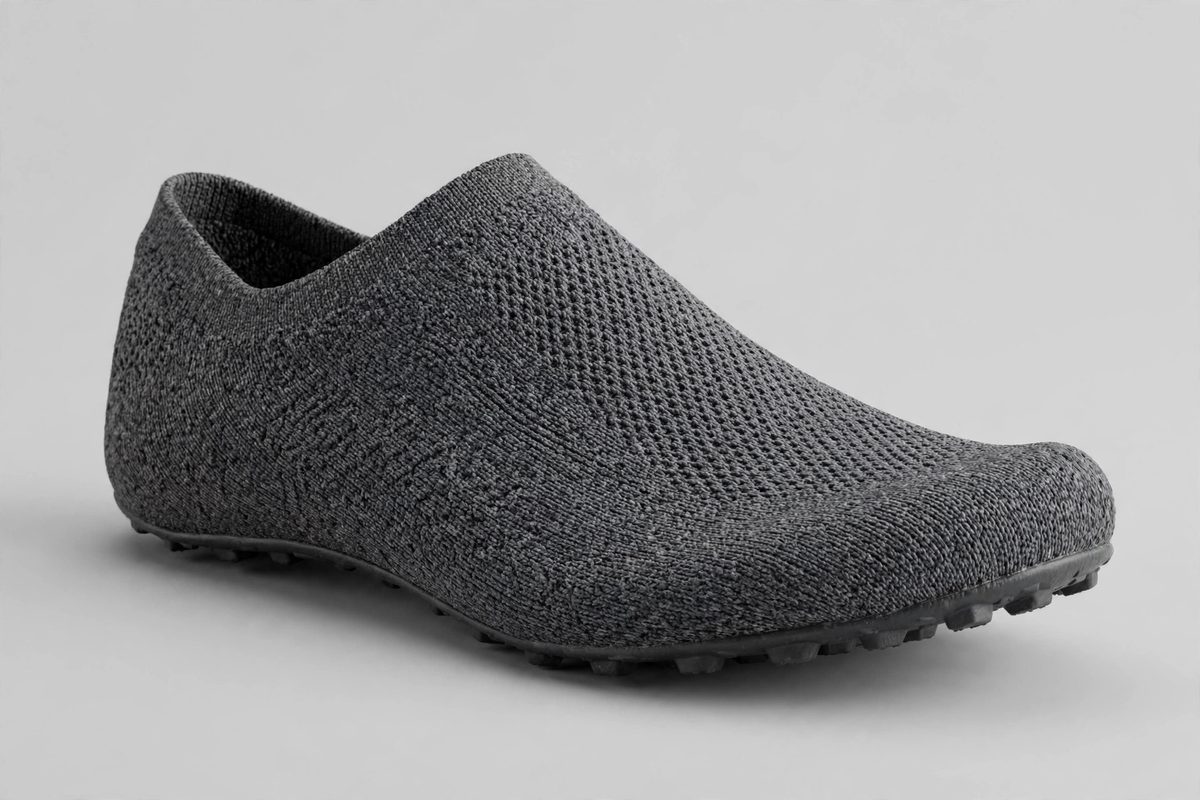
The WHITIN minimalist shoe is the outlier of this list, and it belongs here because it answers a real question: what if you want maximum ground feel for minimum money? This is a true barefoot style shoe with a thin, flexible sole, zero drop, and a wide toe box that lets your feet work the way evolution designed them. On smooth dirt trails and grass, the sensory feedback is remarkable. You feel every contour of the ground, your feet and lower legs strengthen with the work, and the lightweight build makes running feel playful again.
Fit is simple and forgiving. The knit style upper stretches to accommodate a wide range of foot shapes, the wide toe box gives toes full freedom, and the zero drop platform encourages the natural forefoot strike that barefoot runners seek. For experienced minimalist runners, or for use as a second shoe for short form focused runs, it is astonishing value. It also doubles nicely as a travel and gym shoe, since it packs flat and weighs almost nothing.
The honest warnings are serious and nonnegotiable. There is almost no underfoot protection, so sharp rocks and gravel will be felt fully, and transitioning too fast to barefoot style running is a classic recipe for stress injuries. Start with very short runs and build over months, not weeks. Durability is also modest compared to premium trail shoes. Among the best trail running shoes for minimalist converts on a budget, the WHITIN is the low risk experiment, but treat the transition with real respect.
- Best for: Experienced minimalist runners, smooth dirt trails, form work, budget barefoot experiments.
- Fit note: Wide toe box with a stretchy, forgiving upper; true to size.
- Keep in mind: Almost no rock protection; transition very slowly to avoid injury; modest durability.
10. ALTRA Men’s Experience Wild Trail Running Shoe
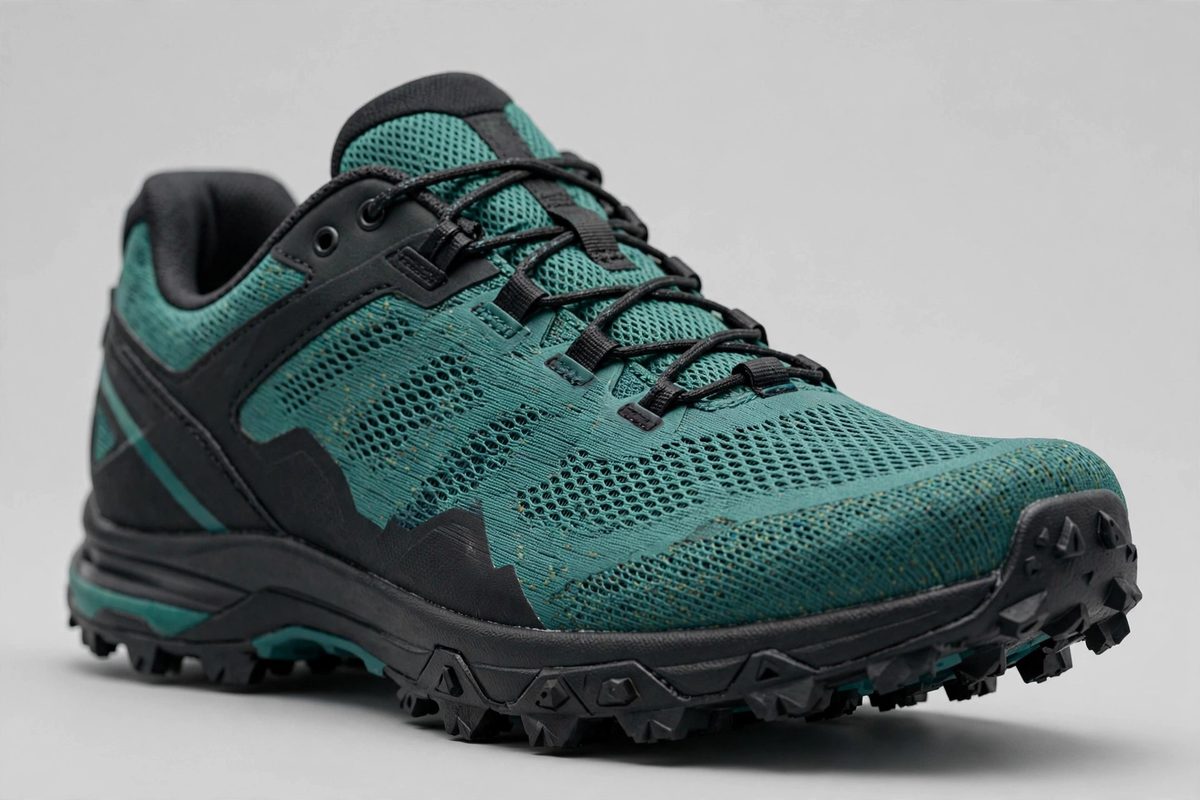
The Experience Wild is Altra’s answer for runners who love the brand’s roomy toe box but are not ready to commit to zero drop. It keeps the signature wide FootShape forefoot that lets toes splay on descents, but pairs it with a low, traditional style drop that feels familiar to runners coming from conventional trainers. The result is a friendly crossover shoe: natural feeling up front, conventional under the heel, with an outsole grippy enough for real trails but smooth enough for the road miles that connect them.
This is the most versatile Altra on the list for runners who mix surfaces. The cushioning is moderately plush without the tall stack of a maximal shoe, so it handles daily training miles comfortably while staying stable on moderate trails. The wide toe box remains the star: toes spread, hot spots fade, and long runs end with happier feet. Fit runs true to size, and the overall feel is approachable, which makes it a strong first Altra for curious runners. On’s practical guide to choosing trail running shoes explains how drop affects your stride if you want to understand what the low drop platform is doing for your form.
The honest limitation is specialization. The lugs are moderate rather than aggressive, so deep mud and steep technical terrain will overwhelm it; the Speedcross 6 is the tool for those days. It is also less cushioned than maximal options for true ultra distances. Among the best trail running shoes for road to trail runners and Altra curious beginners, the Experience Wild is the gentle on ramp that keeps the toe box freedom without the zero drop leap.
- Best for: Road to trail crossover, Altra curious runners, mixed surface training, moderate trails.
- Fit note: Wide FootShape toe box with a familiar low drop feel; true to size.
- Keep in mind: Moderate lugs struggle in deep mud; not a maximal cushion ultra shoe.
How to Choose the Best Trail Running Shoes
The best trail running shoes for you are the ones matched to your terrain, not the ones with the loudest marketing. Start by honestly assessing where you run. Smooth fire roads and gravel paths need only light trail shoes with shallow lugs and flexible rides, while rocky mountain singletrack demands protection: rock plates, reinforced uppers, and aggressive outsoles. REI’s trail running shoe buying guide breaks terrain into light, rugged, and off trail categories, and that framework is the fastest way to narrow a wall of options to the few shoes built for your dirt.
Next, study the outsole, because lugs are the whole point. Shallow, tightly spaced lugs grip hardpacked dirt and roll fine on short road sections, while deep, widely spaced lugs bite into mud and shed it instead of packing in. Rubber compound matters too: softer, tackier compounds grip wet rock far better than hard carbon rubber.
Then get the fit right. Leave a thumb’s width in front of your longest toe, because feet swell and slide forward on descents. Lock the heel down so it does not lift, and make sure the forefoot gives your toes room to splay. The best trail running shoes fit perfectly in the store and treat you well at mile twenty; a pair that almost fits will find new ways to hurt you.
Then balance cushion against drop and ground feel. Thick, soft midsoles protect joints on long hardpacked runs but feel tippy on technical rock, while low, firm platforms give precise feedback but punish tired legs. Heel to toe drop shapes your stride: higher drops favor heel strikers, while low and zero drop designs encourage a midfoot landing that many trail runners prefer on uneven ground. If you are switching drop significantly, transition gradually over weeks so your calves and Achilles adapt. The best trail running shoes are the ones whose cushioning and drop disappear under you, letting you think about the trail instead of your feet.
Finally, decide on waterproofing and plan for replacement. Waterproof membranes like GORE-TEX are wonderful in cold, wet conditions but run hot in summer, when breathable mesh dries faster and feels better. Most trail shoes last 300 to 500 miles, and the lugs tell the truth: when they round off, traction is gone even if the upper looks fine. Track your mileage with a trail GPS app on one of the best smartphones of 2026 so you retire shoes on schedule, and if you are planning a trail trip to a national park, our guide to the best places to visit in the USA is full of destinations where the right trail shoes turn a good trip into a great one.
Frequently Asked Questions
Can I run trails in regular road running shoes?
On smooth, dry, nontechnical paths like fire roads and park trails, yes, for a while. But road shoes lack the lugged outsoles, rock protection, and durable uppers that define the best trail running shoes, so they slip on wet roots, let sharp rocks bruise your soles, and wear out faster off road. If you run trails more than occasionally, or if your trails are rocky, muddy, or steep, dedicated trail shoes are safer and more comfortable. Think of road shoes on trails like sneakers on a hike: fine for a stroll, wrong for the real thing.
How much room should trail running shoes have?
More than you think. Leave a thumb’s width of space between your longest toe and the front of the shoe, because your feet swell during runs and slide forward on descents. Toes jamming the front on downhills is the fastest route to black toenails, the classic trail runner badge of a poor fit. Try shoes on in the afternoon when your feet are at their largest, wear your trail socks, and walk downhill in the store if you can. The best trail running shoes feel slightly roomy standing still and perfect at mile ten.
What lug depth do I need for muddy versus dry trails?
Match the lugs to the ground. Shallow lugs around 2 to 4 mm grip hardpacked dirt and gravel well and roll acceptably on short road sections. Deeper lugs of 5 mm or more bite into mud, loose soil, and snow, with widely spaced patterns that shed debris instead of packing it in. Rubber compound matters as much as depth: tacky compounds grip wet rock dramatically better than hard rubber. If you run one pair across mixed conditions, choose moderate 4 to 5 mm lugs as the versatile middle ground.
Are waterproof trail running shoes worth it?
It depends on your climate and season. Waterproof shoes like the Salomon Speedcross 6 GORE-TEX on this list are excellent for cold, wet, and snowy running, keeping feet dry through drizzle and stream crossings. But waterproof membranes also trap heat and sweat, so in warm weather they feel swampy and take longer to dry once water gets in over the collar. Many experienced trail runners prefer breathable mesh for three seasons and save waterproof shoes for winter. If your trails are wet year round, waterproof is worth it; otherwise, breathable mesh is the more versatile choice.
How long do trail running shoes last?
Most trail running shoes last 300 to 500 miles, with rough rocky terrain wearing them faster than smooth dirt. The outsole tells the truth first: when lugs round off and lose their edges, traction fades even if the upper looks new. Midsole foam also compacts over time, so a shoe that once felt springy starts feeling flat and harsh. Track your mileage and inspect the lugs regularly. Rotating two pairs extends each pair’s life, since foam recovers between runs, and it lets you match the shoe to the day’s terrain.
Should beginners start with zero drop shoes like the Lone Peak?
Beginners can, but they should transition carefully. Zero drop shoes encourage a natural midfoot strike that many trail runners love, but calves and Achilles tendons accustomed to raised heels need weeks to adapt, so start with short runs and build gradually. If that sounds like a project, a low drop shoe like the Altra Experience Wild or a moderate drop option like the Cascadia 17 is a friendlier starting point. The best trail running shoes for a beginner are the ones that feel comfortable immediately and do not demand a form overhaul on day one.
The Bottom Line
Our Final Pick for most trail runners is the Brooks Cascadia 17: it protects on technical terrain, grips on loose descents, and stays comfortable deep into long days, which covers what the majority of trail runners actually need. Wide footed runners and thru hikers should look hard at the Altra Lone Peak 8, mud and winter specialists belong in the Salomon Speedcross 6 GORE-TEX, and ultra runners will love the cushioned Caldera 7. Whatever you choose, match the shoe to your terrain, respect the break in, and the best trail running shoes will do their quiet job: getting you to the trailhead and back, mile after mile.