
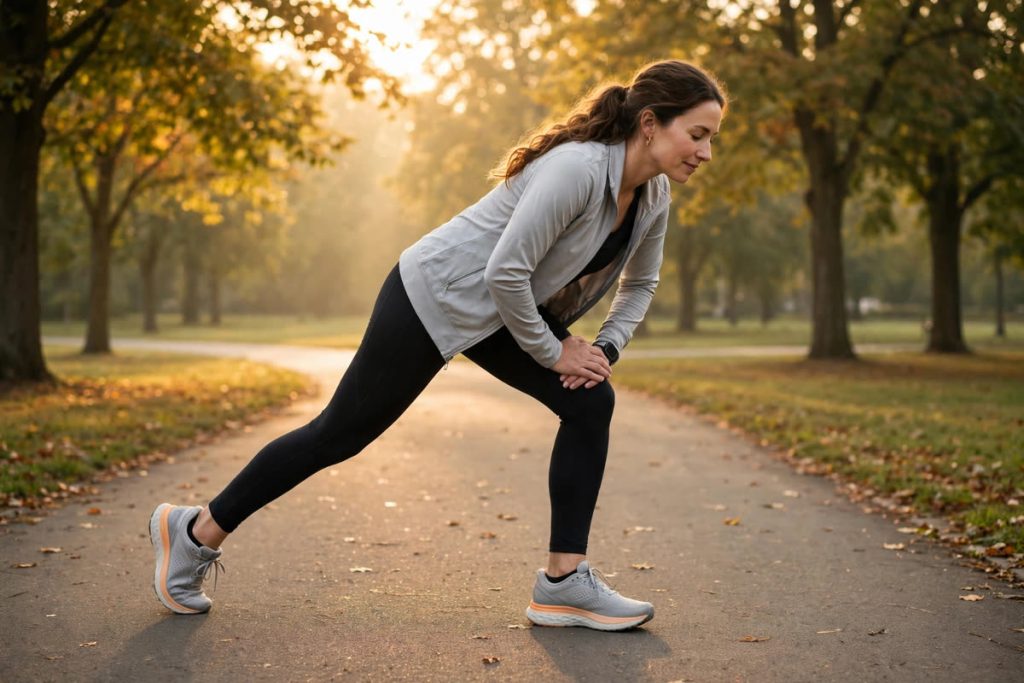
10 Best Shoes for Plantar Fasciitis Pain in 2026
Introduction to Our Best Shoes for Plantar Fasciitis Rankings for 2026
Plantar fasciitis has a way of humbling people who thought their feet were fine. One morning the first steps out of bed feel like walking on a bruise, and suddenly every shoe in the closet gets an audit. That sharp heel pain comes from irritation of the thick band of tissue along the bottom of the foot, and the wrong shoe can keep it angry for months. The right shoe will not cure the condition on its own, but it can take real stress off the plantar fascia every single day. That is what this guide is about: the best shoes for plantar fasciitis we would genuinely recommend to a friend who asked what to buy right now.
We looked at arch support first, because a shoe that lets the arch collapse forces the plantar fascia to do work it should not have to do. Then we judged heel cushioning, since sore heels need protection at impact without the mushy instability that overstretches the tissue. A firm heel counter, a stable midfoot, and enough room for orthotics rounded out the criteria. One honest note before we start: this is general information, not medical advice, and persistent heel pain deserves a proper podiatrist visit. The ten shoes below are the best shoes for plantar fasciitis we trust, from max cushion daily trainers to supportive walkers.
Table of Contents
1. Hoka Bondi 8 Running Shoe (Men’s)
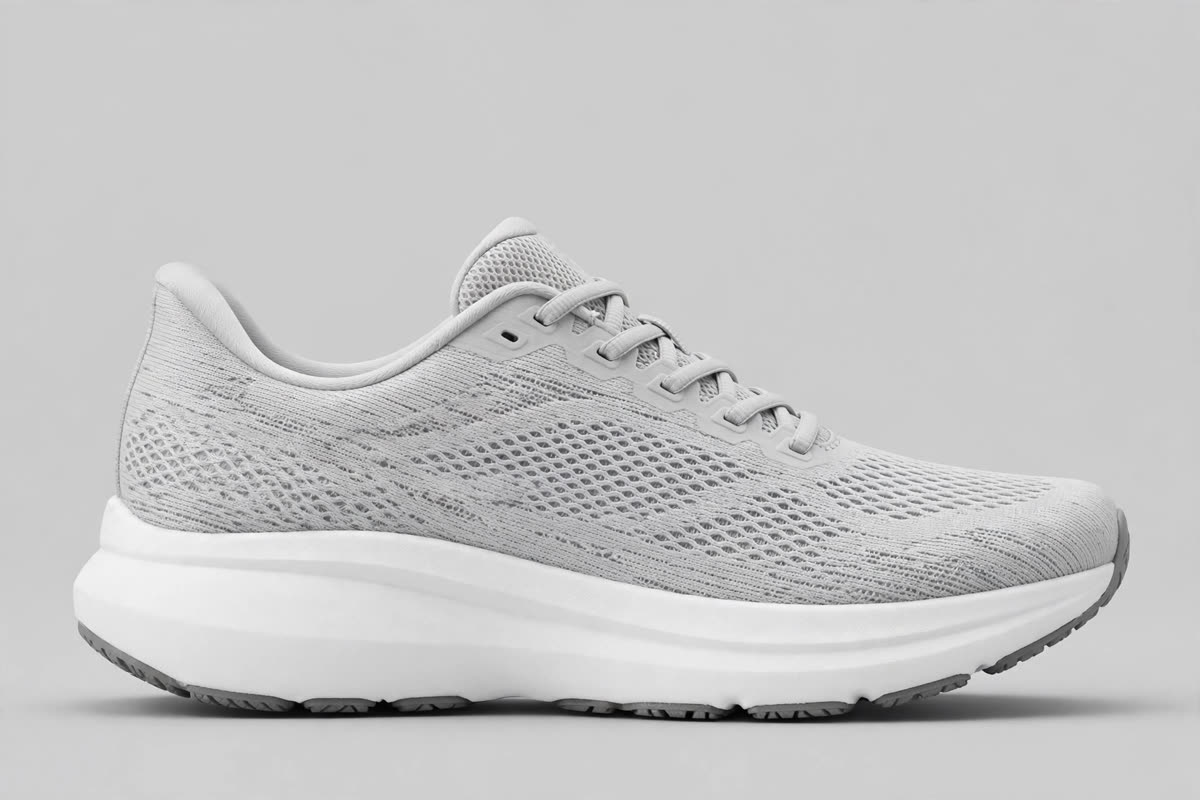
The Bondi 8 is the first shoe most plantar fasciitis sufferers reach for, and there is a good reason the pattern repeats. It stacks an enormous amount of foam under the foot, and that thick midsole turns hard pavement into something your heels can tolerate. On concrete all day or long standing shifts, the cushioning absorbs impact that would otherwise travel straight into the irritated fascia.
The geometry is gently rockered, so the foot rolls through each step instead of bending hard at the forefoot, which reduces the stretch load on the band during push off. Hoka describes this model as an option for foot conditions including plantar fasciitis thanks to its plush cushioning and supportive neutral platform, and real world wear matches that claim.
Support here is real even though the foam feels soft. The base underfoot is wide and the heel counter is firm enough to hold the rearfoot upright, so the arch gets a stable platform instead of a wobbly marshmallow. The upper is an engineered mesh that gives where it should while locking the midfoot down, and the sizing runs true with wide options for feet that need more room. For anyone whose first symptom is that miserable morning first step, this is one of the best shoes for plantar fasciitis to start with.
The trade offs are honest ones. All that foam adds weight, so faster runners will find it slow on tempo days. It is also a premium priced shoe. But judged on the job that matters here, absorbing punishment so the plantar fascia can calm down, the Bondi 8 earns its reputation. Healthline’s footwear guidance for plantar fasciitis recommends a cushioned but rigid midsole paired with good arch support, and the Bondi 8 is the textbook example of that formula working in practice.
- Best for: Heel pain sufferers, all day standing and walking, runners needing max cushion protection.
- Fit note: True to size with wide options; firm heel counter locks the rearfoot in.
- Keep in mind: Heavy and slow for fast workouts; tall stack needs stable ankles.
2. Brooks Ghost 16 Neutral Running Shoe (Men’s)
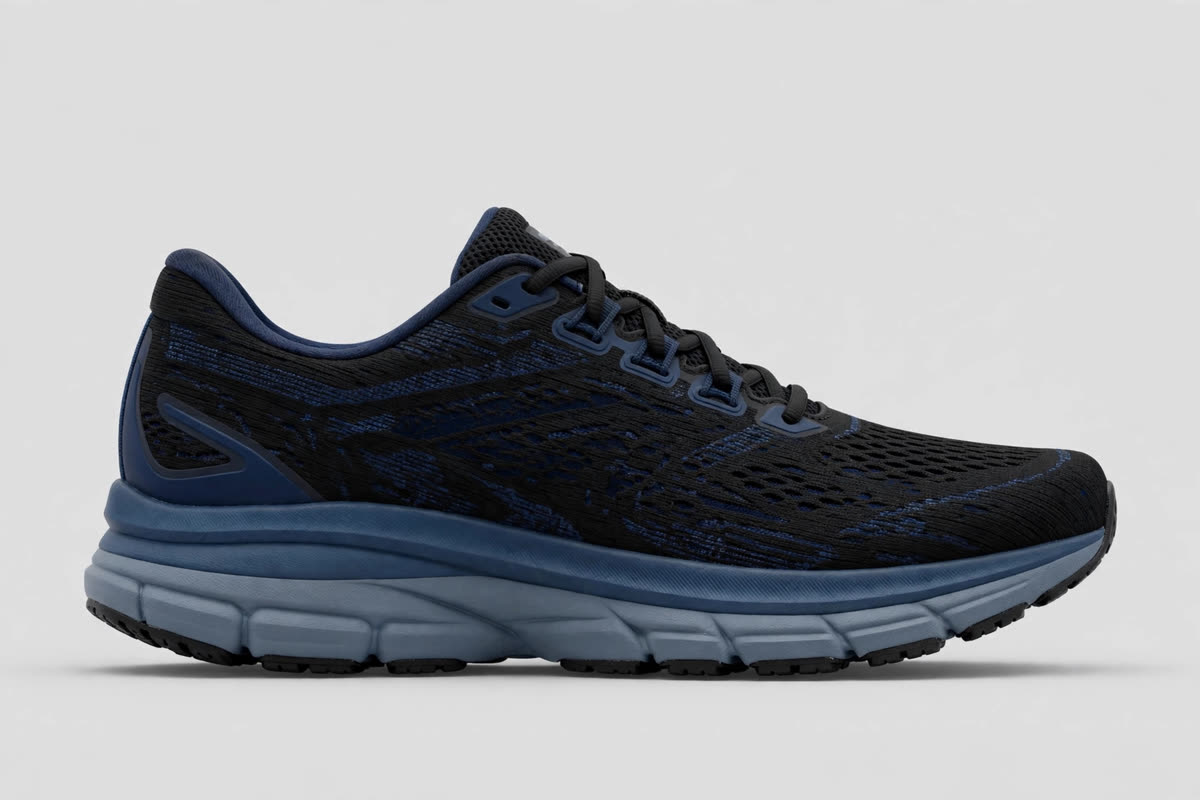
The Ghost 16 is the sensible default of the running world, and sensible defaults happen to be excellent for plantar fasciitis. Sixteen generations of refinement have produced a shoe that cushions the heel softly, transitions smoothly, and never does anything surprising. For an irritated plantar fascia, no surprises is exactly the brief. The nitrogen infused midsole softens landings without bottoming out, and the balanced platform keeps the arch from collapsing inward or riding too high.
Fit is a genuine strength. The engineered mesh upper holds the midfoot securely while the forefoot stays relaxed, and the heel collar is padded in a way that prevents the heel slip that can aggravate sore heels. The ride is famously smooth: heel strike flows into toe off with no harsh edges, so the fascia never gets a sudden tug mid stride. Durability is another quiet virtue: the Ghost holds its cushioning character deep into its lifespan.
What it will not do is coach your gait. Neutral runners get a smooth protective ride, but overpronators whose arches collapse badly may need a guidance shoe instead, like the Adrenaline GTS 23 further down this list. The cushioning is balanced rather than maximal, so severe heel pain may respond better to the thicker protection of the Bondi 8 or the Fresh Foam X More V4. But for the wide middle of runners dealing with plantar fasciitis, the Ghost 16 is one of the safest buys on this list: proven, honest, and comfortable from the first wear.
- Best for: Neutral runners and walkers with plantar fasciitis, daily training, smooth long runs.
- Fit note: Accommodating fit that suits most foot shapes; true to size.
- Keep in mind: Neutral only; overpronators should choose a stability model instead.
3. VIONIC Walk Max Lace Up Sneaker (Men’s)
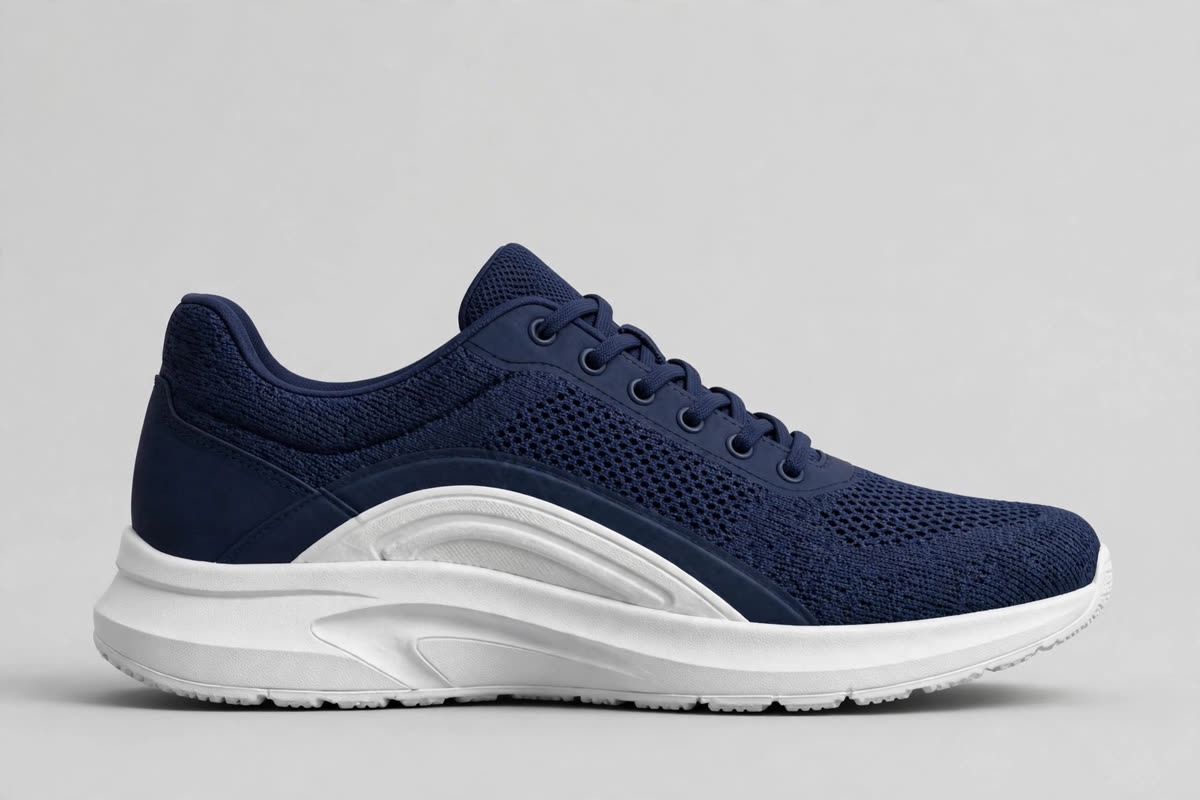
VIONIC builds its whole brand around arch support, and the Walk Max is the model that turns that philosophy into a shoe people actually wear all day. The footbed is podiatrist designed with a pronounced arch contour that cradles the midfoot, which means the plantar fascia gets structural help instead of relying on foam alone. For walkers and people on their feet at work, that contour makes a noticeable difference by lunch. The midsole is a firm but cushioned EVA that keeps its shape, and the lace up closure locks the heel firmly in the counter.
This is the shoe for people who want support first and running performance second. Vionic’s site describes its footwear as designed with supportive arch support technology to relieve aching feet, and the Walk Max carries that promise without looking like a medical device.
The honest limit is athletic use. This is a walking shoe, and runners will find the ride too firm and flat for training miles. The arch contour that helps most feet can feel aggressive for very flat feet on day one, so break it in gradually rather than doing a full shift on the first wear. Runners should pick the Bondi 8 or Ghost 16 instead. But for walkers, workers, and anyone who needs the best shoes for plantar fasciitis in a daily wear package, the Walk Max is one of the most targeted picks on this list.
- Best for: Daily walking, all day standing jobs, people who want built in arch support.
- Fit note: Supportive contour footbed; lace up fit locks the heel securely.
- Keep in mind: Walking focused, not a running shoe; break in the arch contour gradually.
4. Spesoul Adjustable Diabetic Walking Shoes (Women’s)
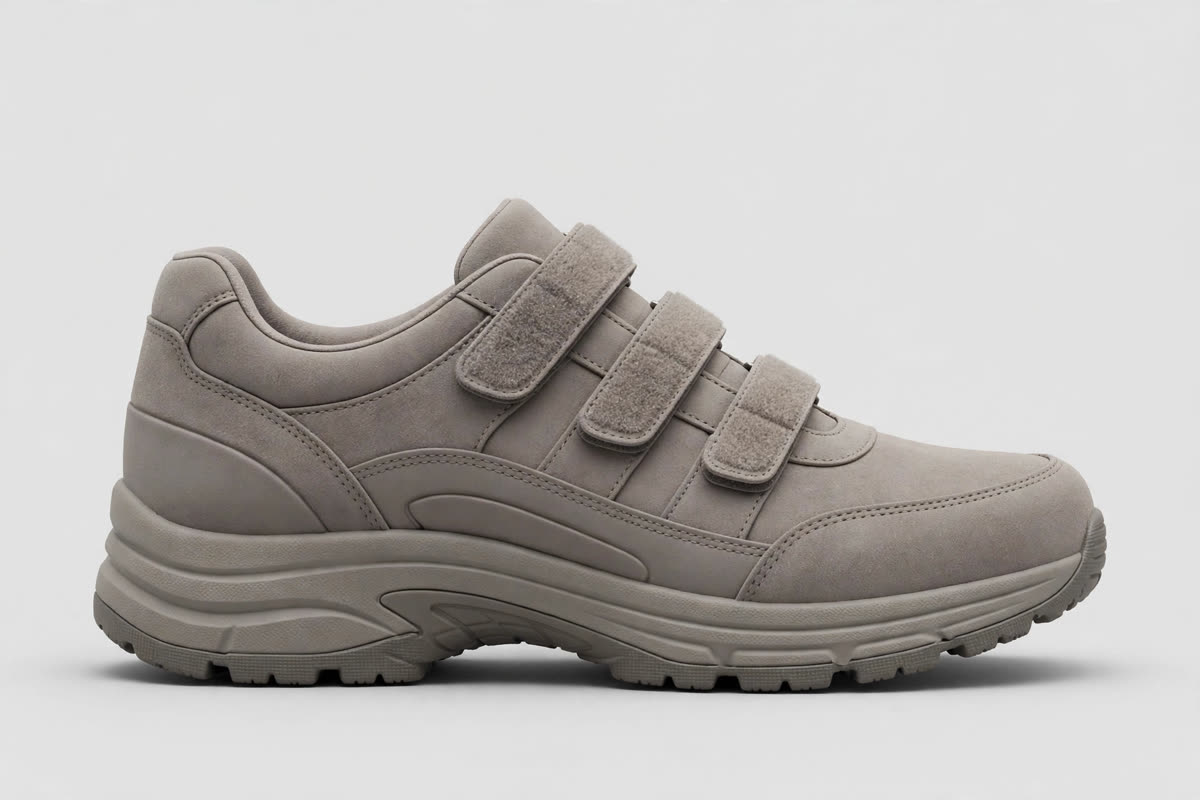
Spesoul does not market to runners, and that is exactly its value here. These are therapeutic style walking shoes built for feet that need accommodation: the velcro straps adjust in seconds for swelling, the toe box is deep and roomy so nothing presses on sore tissue, and the footbed is thick, cushioned, and removable. That last detail matters more than it sounds. A removable insole means you can drop in your own orthotics, which makes these some of the best shoes for plantar fasciitis for anyone whose podiatrist has prescribed custom inserts.
The walking experience is gentle and stable. The midsole is soft under the heel with a mild rocker that rolls you through each step, reducing the stretch on the fascia at push off. The heel counter is padded and firm enough to keep the rearfoot aligned.
Be honest about what these are not. They are not stylish, and they are not running shoes. The support is comfort based rather than biomechanically precise, so active walkers with serious overpronation will get better guidance from the Adrenaline GTS 23 or Gel-Kayano 30 below. But for daily walking, errands, and recovery days when the goal is simply pain free steps, these earn their place. Among the best shoes for plantar fasciitis for comfort first wearers, Spesoul is the specialist that does one job quietly well.
- Best for: Daily walking, swollen or sensitive feet, orthotic users who need a removable insole.
- Fit note: Adjustable velcro straps and deep toe box; removable cushioned footbed.
- Keep in mind: Comfort focused, not a performance shoe; plain styling.
5. WHITIN Wide Barefoot Running Shoes (Men’s)
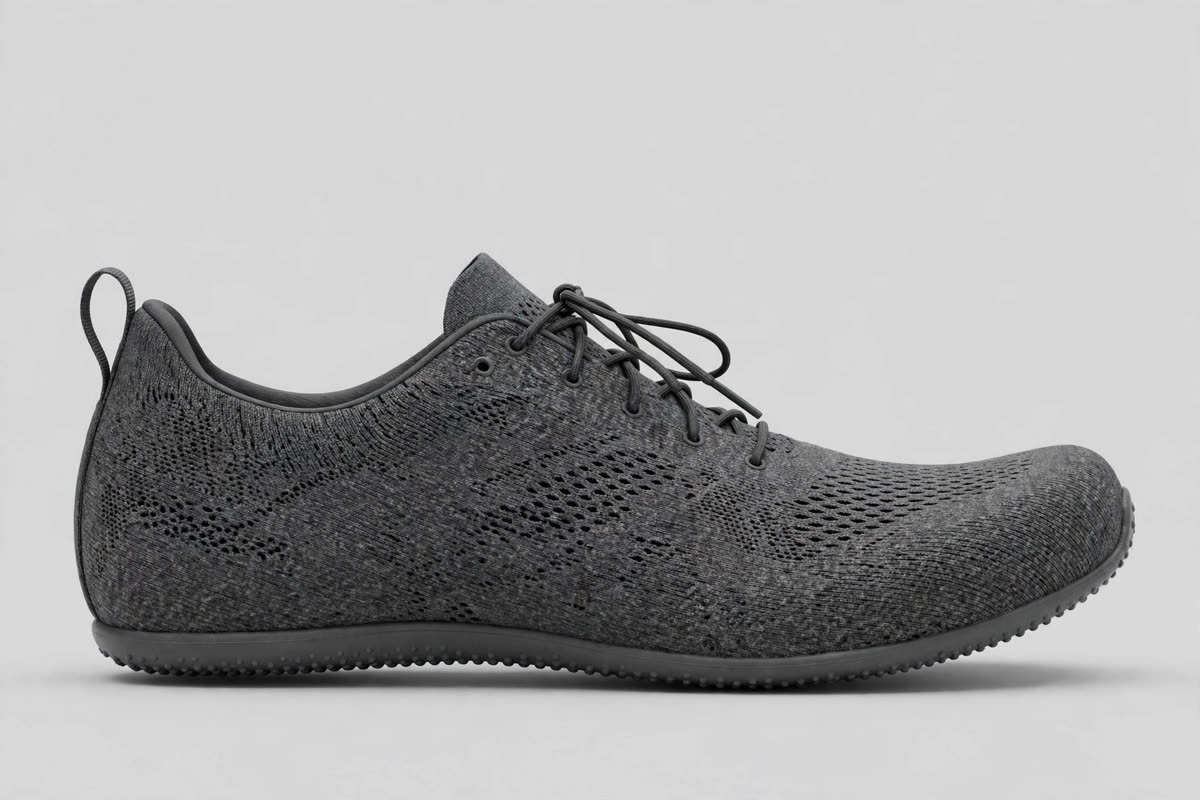
This is the contrarian pick on the list, and it earns its place with an honest caveat. Barefoot style shoes do almost none of what the rest of this guide recommends: no thick heel cushioning, no arch contour, no firm midsole. What WHITIN offers instead is a genuinely wide toe box that lets the toes spread and the foot function naturally, which some people find reduces the cramped mechanics that feed plantar fasciitis.
The honest medical reality is that minimalist shoes are not the first choice during an active flare up. If your heel is screaming today, you want cushioning and support, not less of it. Think of these as a long term foot strength tool rather than a pain relief shoe: short walks on soft surfaces, gradual buildup, never the first shoe during a bad week. The build quality is impressive for the price, with a grippy sole and a comfortable knit style upper.
So who buys this for plantar fasciitis? People whose acute phase is behind them and who want to strengthen their feet, plus wide footed walkers who cannot find room in conventional trainers. Everyone else should start with the cushioned picks at the top of this list and revisit barefoot style only when a podiatrist agrees the timing is right. It is the most affordable way to experiment with foot strengthening, and the best shoes for plantar fasciitis are not always the softest ones, but timing is everything with this approach.
- Best for: Wide feet, foot strengthening walks, people past the acute pain phase.
- Fit note: Very roomy toe box; zero drop, so calves adjust to a new stride.
- Keep in mind: Not for active flare ups; transition gradually and consult a podiatrist first.
6. ALLSWIFIT ActiveCushion Walking Running Shoes (Men’s)
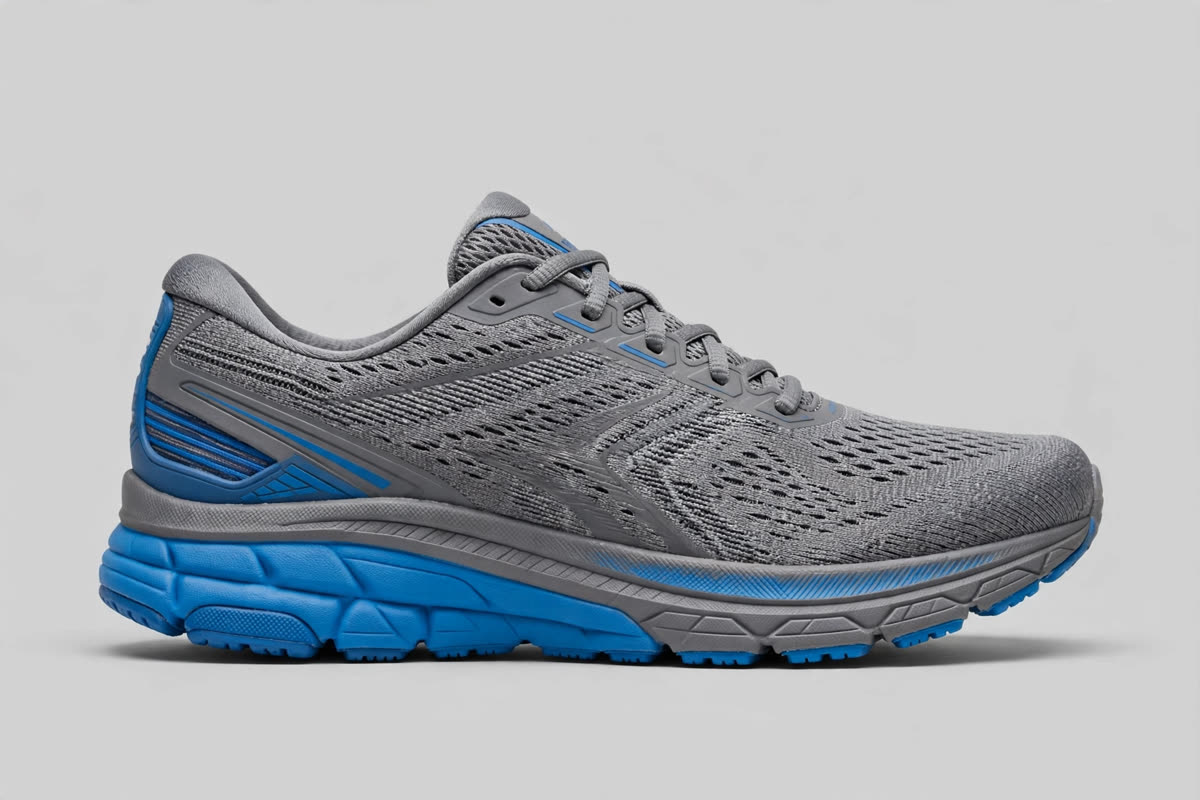
ALLSWIFIT is the budget surprise of this list. It delivers the core things a plantar fasciitis sufferer needs: a cushioned heel, a reasonably supportive midfoot, and a comfortable roomy upper, at a fraction of the premium price. The ActiveCushion midsole is soft underfoot with decent shock absorption for walking and light running, and the heel collar is padded to reduce the friction that bothers sore heels. For someone testing whether a supportive shoe actually helps their heel pain, this is a low cost experiment worth running.
Daily wear is where it shines. The mesh upper breathes well, the fit is forgiving for slightly wide feet, and the outsole gives reliable traction for everyday routes. If you are on your feet all day and need one of the best shoes for plantar fasciitis that does not wreck the budget, this is the honest value answer. The cushioning is softer than most shoes at this price, which is exactly the quality heel pain sufferers shop for.
The compromise is durability and refinement. Budget foams pack out faster than the premium midsoles in the Bondi 8 or Ghost 16, so plan a replacement sooner. Heavier runners and people with serious overpronation will find the guidance minimal compared to real stability shoes. But judged on its job, affordable daily cushioning for sore feet, ALLSWIFIT overdelivers. Among the best shoes for plantar fasciitis for tight budgets, this is the pick that proves relief does not have to be expensive.
- Best for: Budget buyers, daily walking, light running, testing what helps heel pain.
- Fit note: Forgiving roomy fit; padded heel collar is kind to sore heels.
- Keep in mind: Foam packs out faster than premium models; minimal guidance for overpronators.
7. New Balance Fresh Foam X More V4 Running Shoe (Women’s)
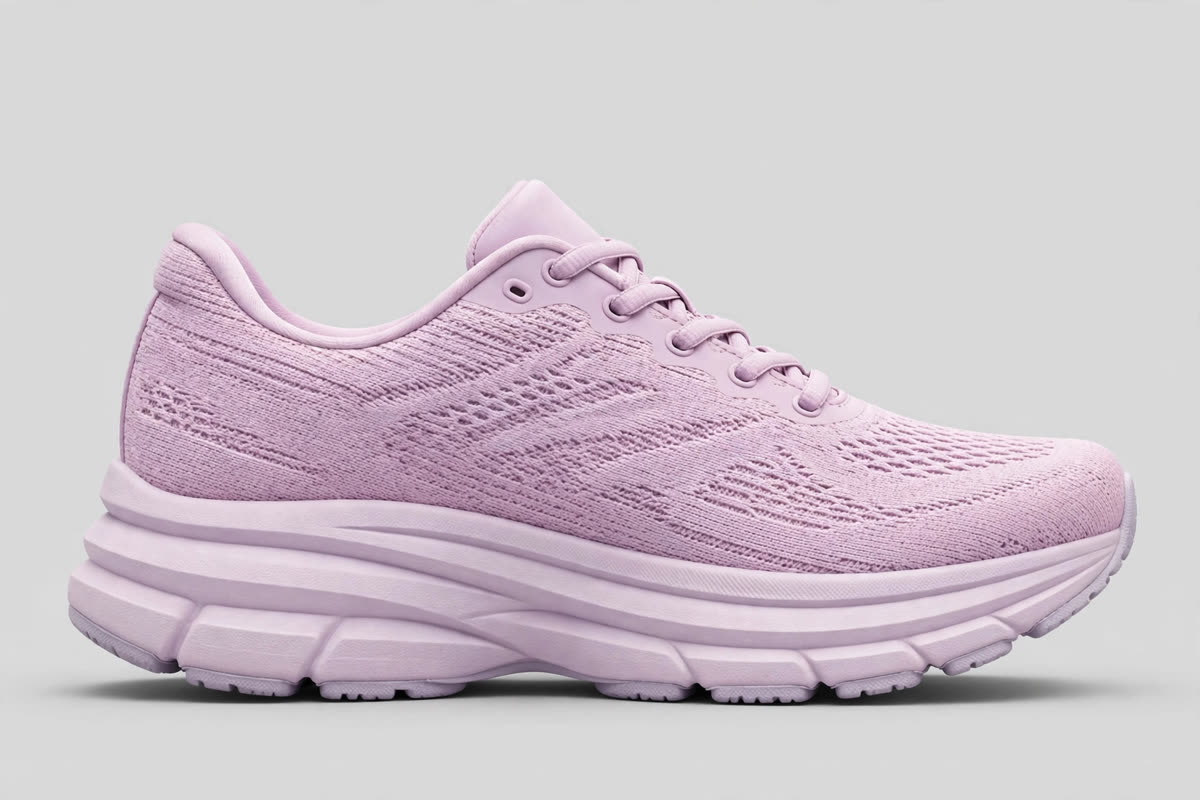
The Fresh Foam X More V4 is New Balance’s answer to the max cushion question, and women with plantar fasciitis should put it near the top of their shortlist. The Fresh Foam X midsole is the softest compound the brand makes, and there is a lot of it underfoot. Heel strikers feel the landing dissolve into the foam instead of jarring up the leg, and the wide platform keeps that softness stable rather than wobbly. The rockered shape rolls the foot through the stride, which matters because it limits how hard the plantar fascia gets tugged at toe off, one of the mechanics that keeps heel pain lingering.
The women’s specific fit is well executed. The last is shaped for a narrower heel and a forefoot that gives toes room, the upper is a breathable engineered knit without pressure points, and the shoe runs true to size.
The trade off is the same one every max cushion shoe carries: weight and ground feel. This is not a fast shoe, and runners who want responsiveness on workout days will find it muted. Very flat footed runners may also want more arch structure than a neutral max cushion platform provides; in that case the stability options below are the better call. But for women looking for the best shoes for plantar fasciitis with the deepest available cushioning, the More V4 is the New Balance flagship for a reason, and it competes head to head with the Bondi 8 for the softest ride on this list.
- Best for: Women needing max cushion, heel strikers, walkers and runners easing back into miles.
- Fit note: Women’s specific last with secure heel and roomy forefoot; true to size.
- Keep in mind: Soft and heavy, not built for speed; neutral platform, not a guidance shoe.
8. ASICS Gel-Kayano 30 Running Shoes (Men’s)
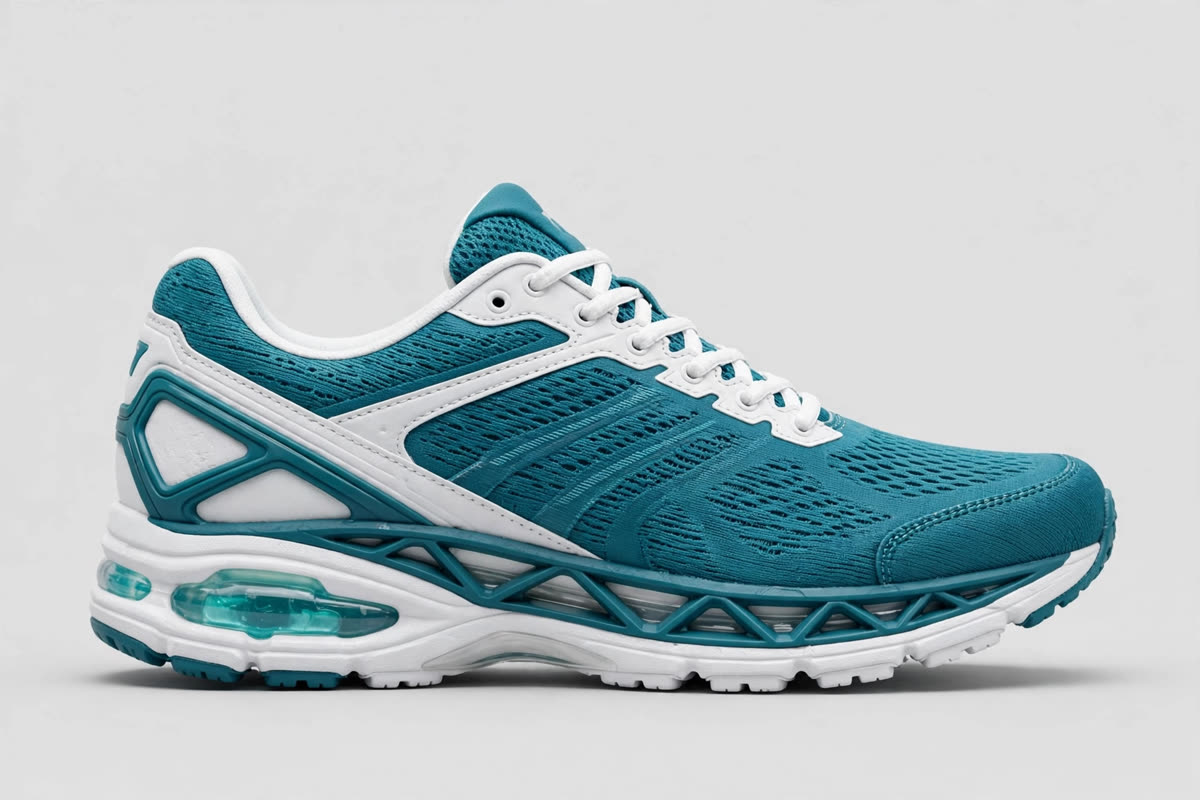
The Gel-Kayano 30 is the stability legend, and overpronation is one of the most common drivers of plantar fasciitis. When the foot rolls inward excessively, the arch collapses and the plantar fascia gets yanked with every step. The Kayano’s guidance system gently resists that inward roll, holding the foot in a neutral position so the fascia can work within its comfortable range. The GEL units in the heel and forefoot still provide real shock absorption, so this is guidance without the wooden feel that old stability shoes were famous for. For overpronators with heel pain, this is one of the best shoes for plantar fasciitis you can buy.
The ride is firmer and more structured than the neutral ASICS models, which is exactly what a guidance shoe should be. The midsole gives a trustworthy platform under tired legs, the heel counter is rock solid, and the upper is durable with excellent midfoot lockdown.
Neutral runners should skip it, since the guidance features will feel intrusive and unnecessary if your stride is already straight. It is also firmer than the plush neutral options, so cushioning purists will prefer the Bondi 8 or the Ghost 16. Planning a walking heavy vacation to test your new shoes? Our guide to the best places to visit in the USA has cities built for long comfortable days on foot, and broken in stability shoes like these are the smartest thing you can pack. For its audience, the Kayano 30 remains the proven tool for guided, protected miles.
- Best for: Overpronators with heel pain, runners with knee or shin complaints, guided daily training.
- Fit note: Structured and secure; exceptional heel lockdown.
- Keep in mind: Firmer than neutral cushioned options; neutral runners will find it intrusive.
9. Brooks Adrenaline GTS 23 Supportive Running Shoe (Men’s)
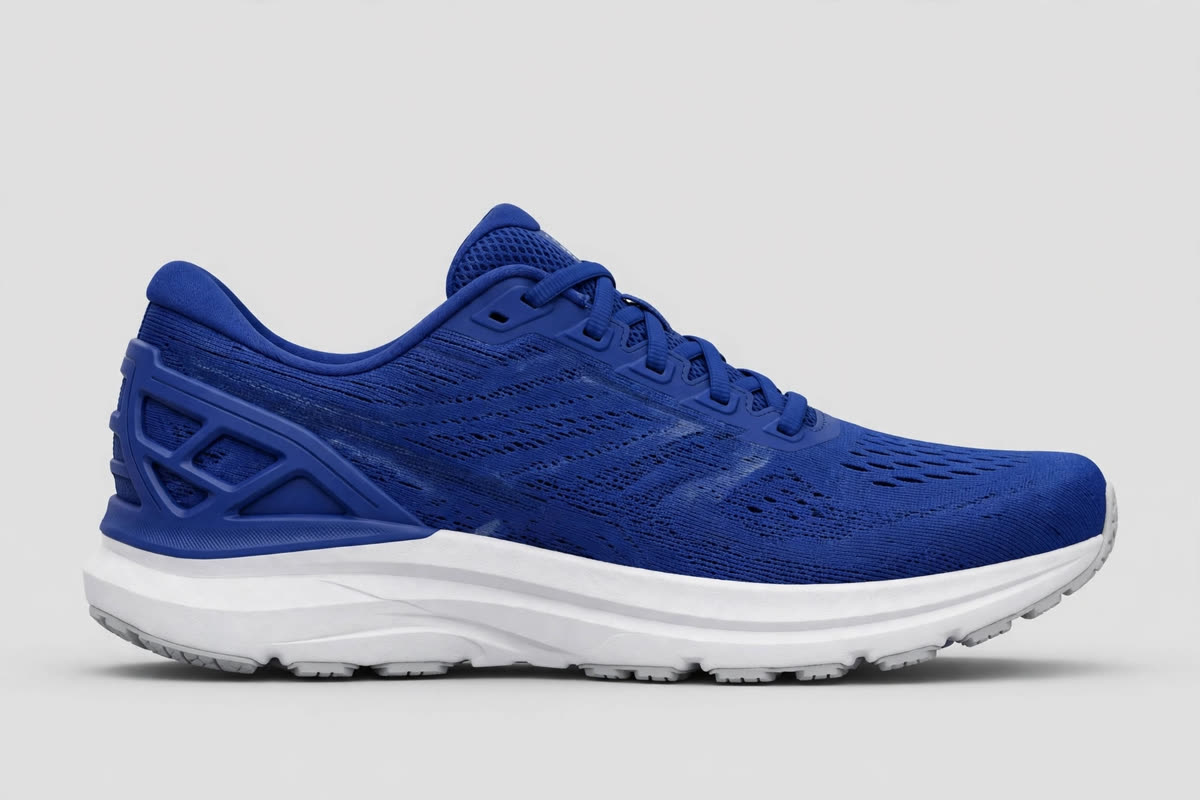
The Adrenaline GTS 23 is Brooks’s answer to the same question the Kayano answers: how do you support an overpronating foot without making the shoe feel like a cast? The GuideRails system only intervenes when the foot strays out of its natural path, which keeps the ride smooth and natural instead of rigidly corrected. For plantar fasciitis sufferers whose arches collapse under load, this targeted support keeps the fascia from overstretching on every step. It is the most holistic stability shoe in the Brooks line, and one of the best shoes for plantar fasciitis for runners who need guidance but hate clunky shoes.
The cushioning is softer and more forgiving than the Kayano’s, which makes the Adrenaline the friendlier choice for people whose main complaint is heel pain rather than pure overpronation. The DNA LOFT foam softens landings nicely, the upper is comfortable and breathable, and the fit accommodates a wide range of foot shapes.
The limitation is that support only goes so far. Severe overpronators with significant arch collapse may still need the stronger guidance of the Kayano 30 or even a motion control shoe. And like every stability shoe, it asks for a little more weight than a neutral trainer. But for the huge middle ground of runners and walkers whose feet need gentle coaching and whose heels need real cushioning, the Adrenaline GTS 23 is one of the best shoes for plantar fasciitis with support, and it has carried that reputation for more than two decades of updates.
- Best for: Mild to moderate overpronators, runners wanting guidance without rigidity, daily training.
- Fit note: Accommodating fit; GuideRails support feels natural, not forced.
- Keep in mind: Heavier than neutral trainers; severe overpronation needs a stronger shoe.
10. Dr. Scholl’s Beyond Comfort Feel Good Support Sneaker (Women’s)
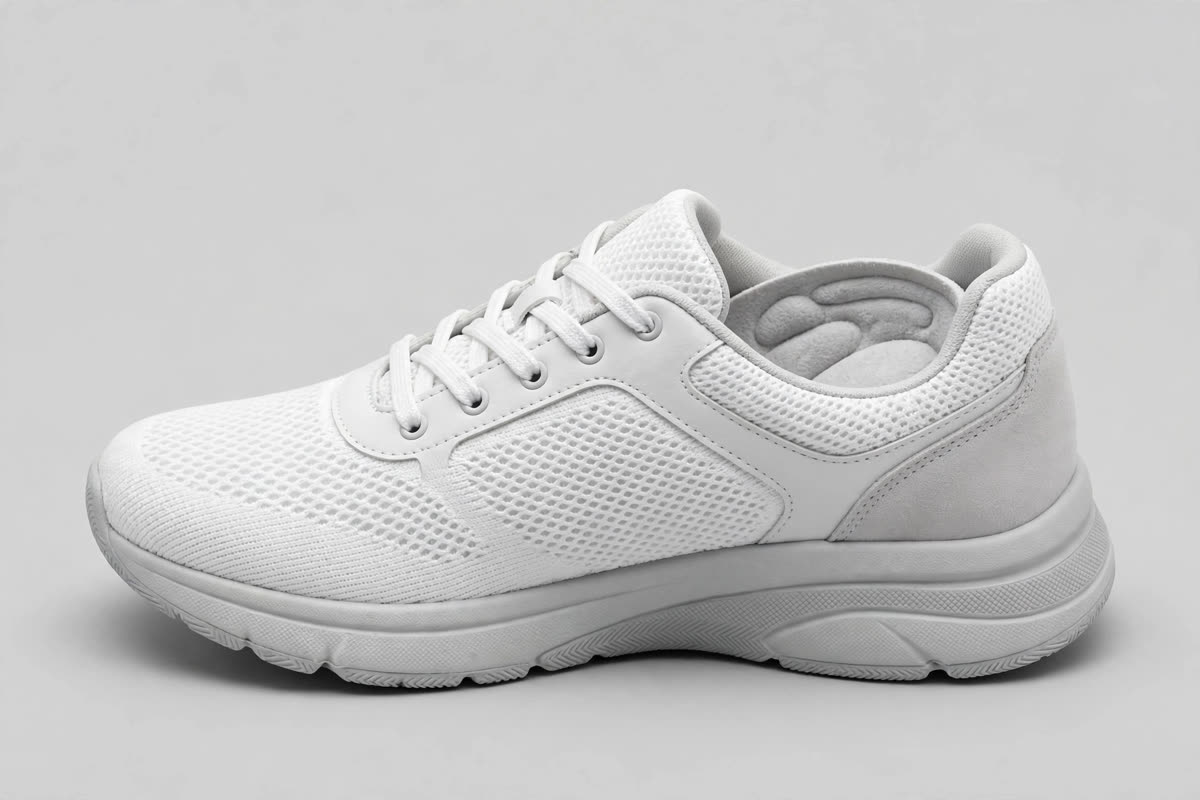
Dr. Scholl’s has spent decades thinking about foot comfort, and the Beyond Comfort sneaker brings that expertise into an everyday package women can wear anywhere. The insole is the star: a cushioned, arch supporting footbed designed with the brand’s comfort science, giving the midfoot a gentle lift that takes pressure off the plantar fascia during long days.
This is the casual everyday slot on the list. It looks like a clean white sneaker, not a therapeutic device, so it works for the office, errands, travel days, and anywhere else a running shoe would feel out of place. For women who need one of the best shoes for plantar fasciitis that doubles as a daily lifestyle shoe, this is the most wearable option here.
Honest expectations matter. This is not a running shoe and not a serious stability shoe; active runners and significant overpronators should choose from the performance picks above. The support is comfort grade, and the cushioning will pack out sooner than premium trainer foams. But for daily wear, workdays, and the millions of steps that happen outside of workouts, the Beyond Comfort sneaker closes this list with exactly what its name promises: feel good support for the feet that carry you through real life.
- Best for: Daily lifestyle wear, office and errands, women wanting subtle support.
- Fit note: Easy comfortable fit; supportive insole with gentle arch lift.
- Keep in mind: Not a running or serious stability shoe; comfort grade support only.
Buying Guide: How to Choose the Best Shoes for Plantar Fasciitis in 2026
Start with arch support, because it is the single most important feature. The plantar fascia is the band of tissue that holds your arch up, and when the shoe does that job for it, the tissue gets to rest. Look for a shoe with a contoured midfoot that you can feel gently cradling the arch, not a flat insole that lets the foot collapse. Models like the VIONIC Walk Max build this in by design, while neutral trainers like the Ghost 16 support the arch with a stable platform.
Either approach works as long as the arch is not left to fend for itself. Healthline’s plantar fasciitis footwear guidance recommends a cushioned but rigid midsole paired with good arch support, and that formula remains the best starting point when you shop.
Next, judge heel cushioning the way your heel would. Plantar fasciitis pain concentrates at the heel, so the rearfoot needs thick, quality cushioning that absorbs impact without feeling like a wobble board. Here is the nuance most shoppers miss: too soft is as bad as too hard. A shoe that is mushy lets the heel sink and the fascia overstretch, which can make symptoms worse. The sweet spot is a cushioned but stable landing, which is exactly what the best shoes for plantar fasciitis like the Bondi 8 and Fresh Foam X More V4 deliver. Press the heel with your thumb in the store: it should give, then push back.
Check the heel counter by squeezing it. A firm heel counter, the cup of material that wraps the back of the heel, keeps the rearfoot upright and prevents the rolling motion that tugs the fascia. Cheap flexible counters collapse under load and quietly undo everything the cushioning was doing. The Gel-Kayano 30 and Adrenaline GTS 23 both excel here, with rigid counters that lock the heel in place. Also look at the midfoot: grab the shoe at both ends and twist. A good plantar fasciitis shoe resists twisting through the middle, because a rigid midsole stops the foot from bending in ways that strain the fascia.
Think about orthotics before you buy. Many podiatrists prescribe over the counter or custom orthotics for plantar fasciitis, and the shoe you choose has to work with them, not against them. Pick shoes with removable insoles, like the Spesoul walking shoes, so you can swap in your orthotic without cramping the fit. Max cushion shoes like the Bondi 8 also accept orthotics well because the wide platform keeps the insert stable. Try the shoe on with your orthotic in the store rather than guessing at home.
Finally, know when shoes are not enough. Footwear is one of the best tools for managing plantar fasciitis, but it is not the whole treatment. If heel pain persists after several weeks in supportive shoes, or if it gets worse, book a podiatrist. A specialist can confirm the diagnosis, rule out lookalike problems like stress fractures or nerve issues, and add treatments like targeted stretching, night splints, or physical therapy to the plan.
One more practical habit: rotate two supportive pairs so the foam gets rest days, and retire shoes before the cushioning dies. Most trainers lose their protective character between 300 and 500 miles, and a dead shoe quietly becomes part of the problem. If you want to compare the broader trainer landscape first, our roundup of the best running shoes of 2026 covers many of these same models from a pure running perspective.
Frequently Asked Questions
What type of shoe is best for plantar fasciitis?
The best shoes for plantar fasciitis combine structured arch support, thick heel cushioning, a firm heel counter, and a stable midsole that resists twisting. Max cushion neutral shoes like the Hoka Bondi 8 suit most people, while overpronators often do better in guidance shoes like the Brooks Adrenaline GTS 23 or ASICS Gel-Kayano 30. Avoid flat shoes, worn out sneakers, and very soft unsupportive footwear, since all three let the plantar fascia overstretch.
Should I wear shoes with arch support or cushioning for heel pain?
You need both. Arch support takes load off the plantar fascia by holding the arch up, while heel cushioning absorbs the impact that aggravates sore heels. The winning combination is a cushioned but stable midsole with a contoured arch, which is why the best shoes for plantar fasciitis feel supportive and protective at the same time. If you can only prioritize one, start with arch support, because a supported arch changes the mechanics that cause the pain.
Can the wrong shoes cause plantar fasciitis?
Research suggests improper footwear can contribute to it. Shoes with minimal arch support, worn out midsoles, very high heels, or completely flat unsupportive soles increase stress on the plantar fascia, especially if you stand or walk for long hours. Replacing dead shoes on schedule and choosing supportive footwear for daily wear is one of the simplest preventive steps you can take.
How long does it take for new shoes to help plantar fasciitis?
Many people notice less morning heel pain within one to two weeks of switching to supportive shoes, but full recovery typically takes several months of consistent use combined with stretching and rest from aggravating activities. Shoes reduce the daily stress on the fascia so it can heal, but they do not speed up the tissue’s own timeline. If pain has not improved after several weeks in the best shoes for plantar fasciitis, see a podiatrist for a proper evaluation.
Are expensive shoes always better for plantar fasciitis?
Not necessarily. Premium shoes like the Bondi 8 use better foams that protect longer, which can be worth the money for all day wearers. But the ALLSWIFIT ActiveCushion proves that affordable shoes can deliver the core features, cushioning, support, and a stable platform, that matter for heel pain. Spend more when you need maximum cushioning for high mileage days; save when the shoe’s job is basic daily support.
Can I put orthotics in these shoes?
Most of them, yes. Shoes with removable insoles, like the Spesoul walking shoes, the Bondi 8, and the Ghost 16, accept over the counter and custom orthotics easily. Just make sure to try the shoe on with your orthotic inside before buying, since the insert changes the internal volume. A podiatrist can tell you whether you need orthotics at all; many people get meaningful relief from supportive shoes alone.
The Bottom Line
The best shoes for plantar fasciitis share one trait: they take work away from the irritated tissue instead of adding to it. For most people that means starting with max cushion and real arch support, which is why the Hoka Bondi 8 and Brooks Ghost 16 sit at the top of this list. Overpronators should steer toward the guidance of the Adrenaline GTS 23 or Gel-Kayano 30, and anyone spending all day on their feet will get honest relief from the VIONIC Walk Max or the Spesoul walking shoes.
Hoka notes on its own Bondi page that the line’s plush cushioning and supportive design are an option for foot conditions like plantar fasciitis, and Vionic builds its entire lineup around the arch support technology that sore feet respond to.
No shoe cures plantar fasciitis on its own, but the right pair turns every step from an aggravation into a recovery aid. Replace worn out shoes before they die, rotate two pairs when you can, and give the new shoes a few weeks of consistent wear alongside daily calf stretching. And if the pain persists despite doing everything right, that is your signal, not a failure. Persistent heel pain deserves a podiatrist, who can confirm the diagnosis and add the treatments that shoes alone cannot provide. Start with support, stay patient, and let your feet heal.