

10 Best Countries to Visit in 2026 for Your Next Trip
Every January, travel publications release their lists of where to go, and every January, millions of travelers face the same problem: too many options, too little trustworthy guidance. So we did the homework for you. After cross-referencing the World Economic Forum’s Travel and Tourism Development Index, Lonely Planet’s “Best in Travel 2026” picks, flight price trends, and safety data, we’ve narrowed the entire planet down to the 10 best countries to visit in 2026.
These aren’t just the usual suspects. Yes, Japan and Italy made the cut, because some classics earn their reputation every single year. But you’ll also find underrated gems like Portugal and Vietnam, where your travel budget stretches dramatically further. For each destination, you’ll find the best time to visit, what a day actually costs, the unmissable highlights, and one practical tip that most guides skip.
One thing these 10 countries share: they all reward travelers who plan just a little bit ahead. Shoulder-season timing, which we flag for every destination, routinely cuts costs by 30 to 40 percent while delivering better weather and thinner crowds. If you’re dreaming in pictures first, our guide to the 10 Best Places to Visit in the USA pairs perfectly with this list.
Quick answer: If you visit only one country in 2026, make it Japan — the weak yen, world-class rail system and unmatched blend of tradition and modernity make it the standout pick. For the best value, Vietnam delivers world-class experiences at $40-$70 per day, while Portugal is Europe’s greatest bargain at 60-70% of Spain or Italy’s cost.
Table of Contents
The 10 Best Countries to Visit in 2026 at a Glance
| # | Country | Best Time to Visit | Daily Budget (Mid-Range) | Don’t Miss |
|---|---|---|---|---|
| 1 | Japan | Mar-May, Oct-Nov | $120-$180 | Kyoto temples, cherry blossoms |
| 2 | Italy | Apr-Jun, Sep-Oct | $130-$190 | Rome, Amalfi Coast |
| 3 | France | Apr-Jun, Sep | $140-$200 | Paris, Provence lavender |
| 4 | Mexico | Nov-Apr | $70-$110 | Chichen Itza, Oaxaca |
| 5 | Thailand | Nov-Feb | $50-$90 | Bangkok temples, islands |
| 6 | Spain | Apr-Jun, Sep-Oct | $100-$150 | Barcelona, Andalusia |
| 7 | Portugal | May-Jun, Sep | $80-$120 | Lisbon, Douro Valley |
| 8 | Greece | May-Jun, Sep | $90-$140 | Santorini, Athens |
| 9 | Peru | May-Sep | $60-$100 | Machu Picchu, Cusco |
| 10 | Vietnam | Feb-Apr, Oct-Dec | $40-$70 | Ha Long Bay, Hoi An |
1. Japan – The Land That Perfected Travel

If you visit only one country in 2026, make it Japan. The weak yen continues to make this famously expensive destination surprisingly affordable, with mid-range travelers spending $120 to $180 per day, less than a weekend in Paris costs. Add the 2026 cherry blossom season, which forecasters predict will be one of the best in a decade, and you have a once-in-a-generation window.

Start in Tokyo, where neon-drenched Shinjuku and the serene Meiji Shrine coexist within a single subway ride. Then take the shinkansen to Kyoto, the cultural heart of the country. The zen garden at Ginkaku-ji (the Silver Pavilion) distills 500 years of Japanese aesthetics into a single raked-gravel landscape, and arriving before 9 AM means you’ll share it with monks rather than tour groups.
Best time to visit: Late March to May for cherry blossoms, or October to November for autumn foliage. Avoid Golden Week (late April to early May) when domestic travel peaks.
Daily budget: $120-$180 mid-range (business hotel, rail pass amortized, restaurant meals).
Unmissable: Fushimi Inari’s thousand torii gates at dawn, a kaiseki dinner in Kyoto, the teamLab digital art museums in Tokyo.
Practical tip: Buy the regional JR rail passes, not the nationwide one. Most itineraries only need the Kansai or Kanto area pass, saving you over $100.
2. Italy – La Dolce Vita, Perfected

Italy is the country travelers return to more than any other, and 2026 is an especially good year to join them. Rome’s ongoing post-Jubilee restorations mean the Eternal City’s monuments are looking their best in decades, while new high-speed rail links have cut Naples to Bari to under three hours, opening up the wonders of Puglia to easy day trips.
The classic Rome-Florence-Venice triangle remains unbeatable for first-timers: the Colosseum at opening time, Michelangelo’s David before the crowds, and a spritz in St. Mark’s Square at sunset. But 2026 belongs to the second cities. Bologna’s food scene now rivals anywhere in Europe, Matera’s cave hotels are fully booked months ahead for good reason, and Sicily’s Valley of the Temples sees a fraction of Rome’s crowds.
Best time to visit: April to June and September to October. August brings heat and closures as Italians take their own holidays.
Daily budget: $130-$190 mid-range. Southern Italy runs 30 percent cheaper than the north.
Unmissable: The Uffizi Gallery in Florence, the Amalfi Coast by ferry (not bus), truffle hunting in Piedmont in autumn.
Practical tip: Book museum tickets directly on official sites 30 days ahead. Third-party resellers routinely charge triple the face value.
3. France – Beyond the Paris Postcard

France welcomed nearly 100 million visitors last year, and 2026 gives you fresh reasons to be among them. Paris has emerged from its Olympic glow-up with new green spaces along the Seine and a fully renovated Grand Palais hosting blockbuster exhibitions. But the real story of France in 2026 is what lies beyond the capital.
Provence in June is a sensory overload: lavender fields in full bloom, village markets overflowing with melons and olives, and long dinners that stretch past 10 PM in the lingering light. The Loire Valley’s chateaux are at their greenest in spring, and Normandy’s D-Day beaches carry a weight no history book can convey. Wine lovers should note that 2026 follows an excellent Bordeaux vintage, and vineyard tastings remain remarkably affordable outside the famous names.
Best time to visit: April to June for the countryside, September for harvest season and thinner Paris crowds.
Daily budget: $140-$200 mid-range. Paris runs higher; rural France can drop to $100.
Unmissable: The Louvre on Wednesday late openings, lavender routes around Sault, Mont Saint-Michel at high tide.
Practical tip: The France rail pass system rewards early booking. TGV tickets bought 90 days out cost half the walk-up price.
4. Mexico – Ancient Wonders, Modern Energy

Mexico offers the best value proposition in North American travel: world-class archaeology, a food scene that UNESCO deemed world heritage, and Caribbean beaches, all at prices 40 to 60 percent below comparable US destinations. The new Maya Train now connects Cancun to Palenque, making the Yucatan’s ruins accessible without renting a car.
Chichen Itza’s El Castillo remains the headline act. Arrive when the gates open at 8 AM and you’ll have the great pyramid nearly to yourself, plus a chance to hear the famous “quetzal chirp” echo off its steps before the crowds arrive. Pair it with the colonial streets of Merida or the food markets of Oaxaca, where $3 tlayudas outshine most $30 restaurant meals back home.
Best time to visit: November to April (dry season). Avoid hurricane season on the coasts from August to October.
Daily budget: $70-$110 mid-range. Street food and local buses cut this dramatically.
Unmissable: Chichen Itza at opening, swimming in a Yucatan cenote, Oaxaca’s Day of the Dead (Nov 1-2).
Practical tip: The ADO bus network is first-class and cheap. Skip domestic flights under 500 km and take the bus instead.
5. Thailand – The Tropical Benchmark

Thailand remains the measuring stick against which all tropical destinations are judged, and in 2026 it keeps raising the bar. Bangkok’s temple complex at Wat Arun, newly illuminated for evening visits, is worth the trip alone. The islands, from Phuket’s developed beaches to Koh Kood’s untouched coves, offer a spectrum no other country matches at these prices.
What sets Thailand apart is the infrastructure of hospitality. Nowhere else can a mid-range budget buy this much comfort: $50-a-night boutique hotels with pools, $2 Michelin-recognized street meals, and $30 full-day island tours. Chiang Mai in the north offers a completely different Thailand of mountain temples and night markets, and pairing it with three island days makes the perfect 10-day itinerary.
Best time to visit: November to February (cool, dry). March to May brings intense heat; June to October is rainy but cheaper.
Daily budget: $50-$90 mid-range. Backpackers manage on $30; luxury starts around $150.
Unmissable: Wat Arun at sunset, an ethical elephant sanctuary near Chiang Mai, Railay Beach accessible only by boat.
Practical tip: Book domestic flights on Thai VietJet or Nok Air months ahead. Fares under $30 are common on advance purchase. This keeps Thailand among the most affordable of the best countries to visit in 2026.
6. Spain – Europe’s Liveliest Corner
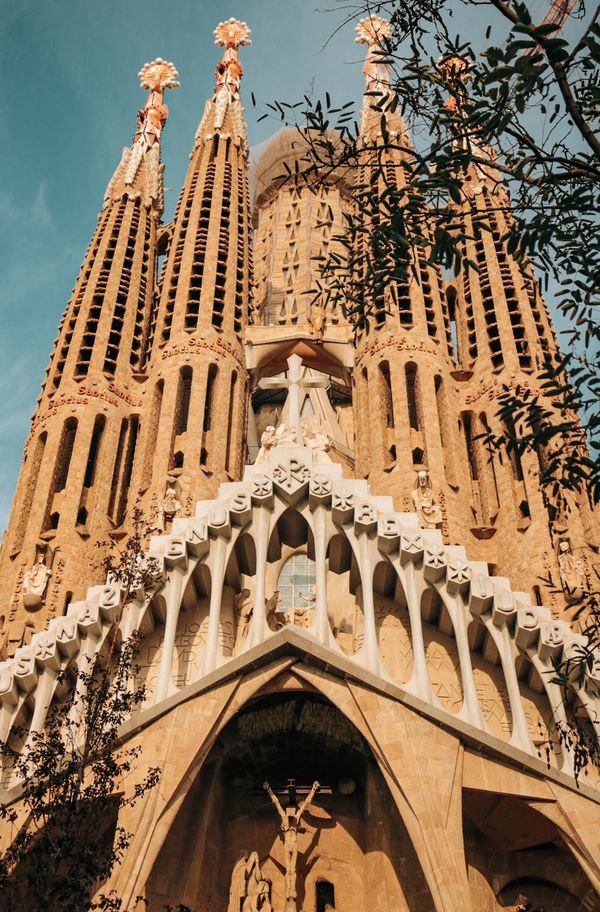
Spain in 2026 is riding a wave: Barcelona’s Sagrada Familia enters its final construction phase with the Tower of Jesus Christ nearing completion, and Andalusia’s cities, Seville, Granada, Cordoba, are having a moment as travelers discover Europe’s most atmospheric region. Spanish cities stay up later, eat better, and celebrate harder than anywhere else on the continent.
Gaudi’s Barcelona alone justifies the trip. The Sagrada Familia’s forest of stone columns, Park Guell’s mosaic terraces, and the undulating Casa Batllo form an architectural ensemble with no equal. Then head south: the Alhambra in Granada is the single most beautiful building in Spain, and Seville’s Plaza de Espana at golden hour is pure cinema.
Best time to visit: April to June and September to October. Interior cities bake in July and August.
Daily budget: $100-$150 mid-range. Tapas culture keeps food costs low if you eat like a local.
Unmissable: Sagrada Familia’s Passion facade in morning light, the Alhambra’s Nasrid Palaces, flamenco in a Seville cave bar.
Practical tip: Alhambra tickets sell out weeks ahead. Book the moment your dates are fixed, no exceptions.
7. Portugal – Europe’s Best Value

Portugal is Western Europe’s greatest bargain: all the charm of Spain or Italy at 60 to 70 percent of the price. Lisbon’s vintage yellow trams still rattle through Alfama’s medieval lanes, the Douro Valley produces world-class wine at village prices, and the Algarve’s golden cliffs rival anything in the Mediterranean.
Lisbon deserves three full days minimum. Ride tram 28 end to end, get lost in Alfama’s alleys, and take the ferry across the Tagus for the best sunset view of the city. Then rent a car for the Douro Valley, where terraced vineyards plunge to the river and quintas offer tastings for a few euros. End on the Algarve coast, kayaking into sea caves at Benagil before the tour boats arrive.
Best time to visit: May to June and September. July and August bring crowds to the Algarve.
Daily budget: $80-$120 mid-range, the lowest in Western Europe.
Unmissable: Tram 28 in Lisbon, Douro Valley wine tasting, Benagil sea cave at 8 AM.
Practical tip: The Lisboa Card pays for itself in one busy sightseeing day. Do the math on your itinerary before buying.
8. Greece – Ancient History, Island Dreams

Greece pairs the deepest history in Europe with its most photogenic islands, and 2026 brings a quieter, better version of both. The new timed-entry system at the Acropolis has tamed the worst crowds, and lesser-known islands like Naxos and Milos are stepping out of Santorini’s shadow with better beaches at half the price.
Athens deserves more than the layover most travelers give it. The Acropolis Museum is one of the world’s great museums, the Plaka district rewards wandering, and the food scene, from souvlaki stands to modern Greek tasting menus, punches far above its price. Then island-hop: Santorini for the caldera views (stay in Imerovigli, not Oia, for fewer crowds), Naxos for beaches, and Delos for archaeology that rivals Pompeii.
Best time to visit: May to June and September. The famous meltemi winds calm, the sea is warm, and prices drop.
Daily budget: $90-$140 mid-range. Athens is cheap; Santorini runs double.
Unmissable: The Acropolis at 8 AM opening, sunset from Imerovigli, the ancient ruins of Delos.
Practical tip: Book ferries directly with the operators. Aggregator sites add fees and complicate changes. It’s a useful rule across the best countries to visit in 2026.
9. Peru – South America’s Crown Jewel

Machu Picchu is one of the New Seven Wonders of the World for a reason, and 2026’s new visitor circuit system actually improves the experience: timed routes spread crowds across the citadel, and the classic postcard view from the Guardhouse is now easier to enjoy without a sea of selfie sticks. Peru beyond Machu Picchu is equally rewarding and far cheaper than travelers expect.
Cusco, the former Inca capital, sits at 3,400 meters and demands two acclimatization days, which you’ll happily fill with its blend of Inca stonework and Spanish colonial churches. The Sacred Valley between Cusco and Machu Picchu holds fortress ruins at Ollantaytambo and the circular terraces of Moray. Food lovers take note: Lima is South America’s culinary capital, and a tasting menu at a top restaurant costs what a mediocre dinner costs in New York.
Best time to visit: May to September (dry season in the Andes). Book the Inca Trail 4 to 6 months ahead.
Daily budget: $60-$100 mid-range. The train to Machu Picchu is the big splurge.
Unmissable: Machu Picchu via the Sun Gate at opening, Cusco’s Plaza de Armas, Lima’s food scene.
Practical tip: Spend two nights in Cusco or the Sacred Valley before Machu Picchu. Altitude sickness ruins more trips than rain does.
10. Vietnam – Asia’s Rising Star
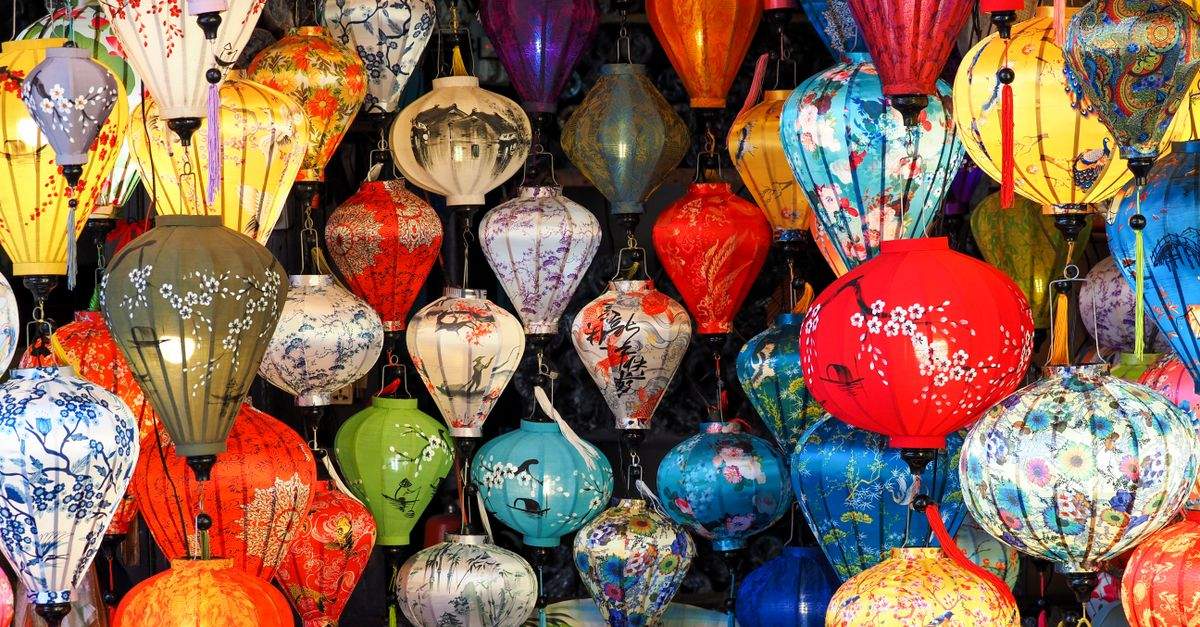
Vietnam is the best-value destination in Asia, full stop. At $40 to $70 a day for comfortable mid-range travel, it undercuts Thailand while offering equally spectacular scenery: Ha Long Bay’s limestone karsts, the terraced rice fields of Sapa, and Hoi An’s lantern-lit old town, a UNESCO-listed trading port frozen in amber.
The classic route runs north to south or reverse: Hanoi’s chaotic old quarter and street-food tours, an overnight cruise in Ha Long Bay (book the 2-night option if you can), the imperial city of Hue, lantern-lit Hoi An for tailoring and beach days, and finally Ho Chi Minh City’s energy and war history museums. The new express railway sections have cut key journey times, and domestic flights remain absurdly cheap.
Best time to visit: February to April and October to December dodge the worst of both monsoons.
Daily budget: $40-$70 mid-range, the lowest on this list.
Unmissable: Ha Long Bay overnight cruise, Hoi An’s old town after dark, the Cu Chi tunnels.
Practical tip: The sleeper buses are genuinely comfortable and cost a fraction of flights. Book the VIP cabin class. Just one reason Vietnam tops the value ranking of the best countries to visit in 2026.
How to Plan Your 2026 Trip
Book flights 2 to 3 months ahead for international routes. Price tracking data consistently shows this window beats both last-minute deals and ultra-early booking for most of the best countries to visit in 2026.
Travel in shoulder season wherever possible. The savings, typically 30 to 40 percent on hotels, compound with better weather and fewer crowds. Every destination above flags its shoulder months. It’s the easiest way to stretch your budget across the best countries to visit in 2026.
Get the right gear. A long travel day is miserable with a dying phone and no good camera. Check our roundup of the 10 best smartphones of 2026 for travel photography before you fly.
Buy travel insurance. For trips involving adventure activities, remote areas (Peru’s Andes, Vietnam’s mountains), or expensive prepaid bookings, a $100 policy is the cheapest peace of mind in travel. Don’t skip it when visiting the best countries to visit in 2026.
Frequently Asked Questions
What is the cheapest country to visit in 2026?
Vietnam is the cheapest of the 10 best countries to visit in 2026, at $40 to $70 per day for comfortable mid-range travel. Thailand ($50-$90) and Peru ($60-$100) are close behind. All three deliver world-class experiences at a fraction of European or Japanese prices.
When is the best time to travel in 2026?
It depends on the destination, but May to June and September to October are the global sweet spots: shoulder season in Europe and Japan, dry season in Peru, and pleasant weather across most of Asia. These months combine the best weather-to-crowd ratios of the year.
How much does a two-week trip cost in 2026?
Using mid-range budgets from the table above: roughly $1,000-$1,400 for Vietnam or Thailand, $1,700-$2,500 for Mexico, Peru or Portugal, and $2,500-$3,500 for Japan, Italy or France. Flights are the wild card, so track fares 2 to 3 months out.
Which country is best for first-time international travelers?
Japan is the best pick for first-time travelers among the 10 best countries to visit in 2026. It’s exceptionally safe, the rail system makes independent travel easy, English signage is widespread, and the weak yen makes it affordable. Portugal is the best first-timer pick in Europe for the same reasons.
Do I need a visa for these countries?
US citizens can visit all 10 countries visa-free or with visa-on-arrival for typical tourist stays (usually 30 to 90 days). Always verify current entry requirements before booking, as policies change. ETIAS authorization for Europe’s Schengen countries is expected to be operational, so check whether it applies to your 2026 travel dates.
Is it safe to travel to these countries in 2026?
All 10 countries on this list are established tourist destinations with well-developed visitor infrastructure. Standard precautions apply everywhere: secure travel p valuables discreet, and check your government’s current travel advisories before departure. Mexico and Peru reward a bit of extra street smarts in major cities, which is normal for the region.
Disclosure: DixTrick is reader-supported. When you buy through links on our site, we may earn a commission. It never affects our rankings or recommendations.
Pingback: 10 Best Smartphones of 2026 - Top Picks by Budget