
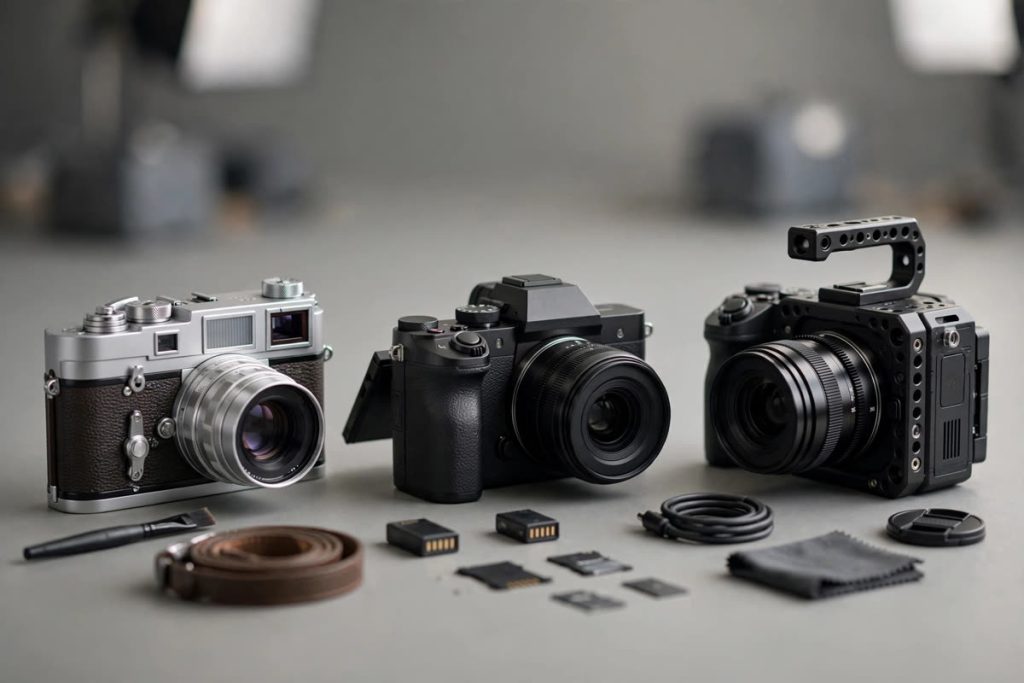
10 Best Cameras for Photography Lovers in 2026
Table of Contents
Introduction
Finding the best camera for photography in 2026 means choosing between more good options than any single photographer can reasonably compare in a weekend. Sensors now range from nimble 24 megapixel full frame chips to a 102 megapixel medium format monster, and the cameras on this list span classic manual focus rangefinders, compact fixed lens street cameras, a flagship sports mirrorless body, and even two video first cinema cameras that can still shoot stills. This guide walks through ten entries in a fixed order, explains what each one actually is, and helps you match the best camera for photography to the way you shoot.
This list of the best camera for photography is deliberately wide, and a little unusual. You will find Leica rangefinders beside Sony and Canon cinema cameras, a medium format fixed lens camera beside its own accessories entry, and a super telephoto lens sitting at the end of a camera list. That mix is honest rather than sloppy, and every oddity is flagged in plain language as you read. If you enjoy this kind of straight talking roundup, you will find more camera buying guides at DixTrick covering gear across every budget.
Before we start, a quick note on how to use this guide. Do not shop by megapixels alone. A 102 megapixel sensor is wonderful for large landscape prints and heavy cropping, but it is the wrong answer for fast action or travel. Think about your subjects first, street, travel, landscape, wildlife, portraits, or hybrid photo and video work, then read the sections that match to find the best camera for photography for your work. Each entry below covers what the product is, what it does well, and who should realistically consider it.
How We Chose
Every product on this list was checked against current manufacturer specification pages and established camera retailers before a word was written. We confirmed sensor sizes, resolutions, ISO ranges, lens mounts, and standout features from sources such as Leica, Sony, Canon, Fujifilm, Nikon, and Ricoh Imaging, and we cross checked details across multiple retailers to catch listing errors. You will not find prices, star ratings, or review counts here, because those change constantly and quoting them would age this guide within weeks. The product links supplied with this topic were blank, so this article contains no external links at all, only two internal links to the DixTrick homepage.
We kept the original product order exactly as supplied, including three anomalies we want you to know about up front. Entries two and four name the same camera, the Sony FX3, so the fourth section says so openly instead of pretending it is a different model. Entry seven is an accessories collection for the Fujifilm GFX100RF, not a camera, and entry ten is the Pentax 150 to 450 millimeter lens, also not a camera. Both are covered in their own clearly labeled sections, because accessories and glass matter as much as bodies when you are choosing the best camera for photography.
Leica M10-R Digital
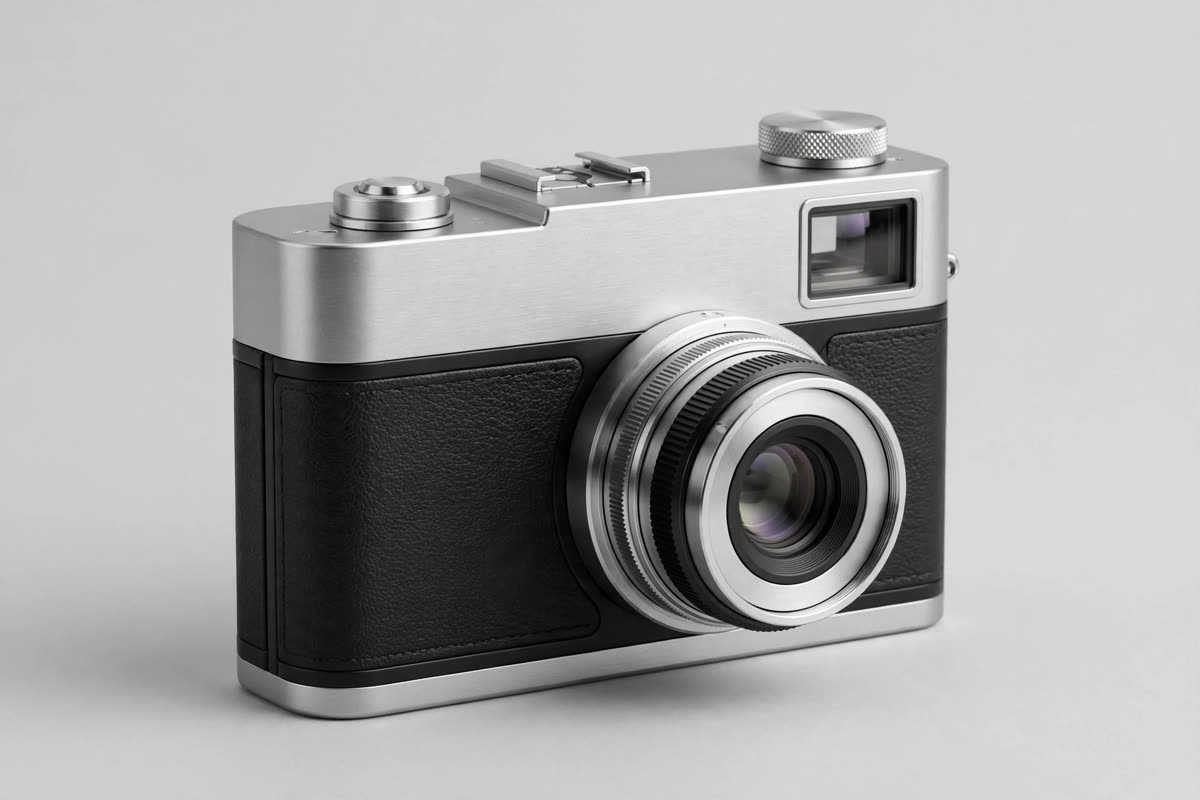
The Leica M10-R Digital is a digital rangefinder built around a 40.89 megapixel full frame CMOS sensor with no optical low pass filter, which means it captures extremely fine detail when paired with good M mount glass. It uses the classic M mount, focuses manually through a bright 0.73x optical rangefinder with automatic parallax compensation, and keeps the slim body profile that has defined the M line since the film era. Leica announced it in July 2020 as the high resolution flagship of the M10 family, and its sensor pairs with the Maestro II image processor for DNG raw and JPEG capture with 14 bit color depth.
In use, the M10-R is a deliberately slow and quiet camera. Its mechanical shutter is notably hushed, inherited from the M10-P lineage, which makes it a natural fit for street photography and discreet documentary work. The sensitivity range runs from ISO 100 to 50,000, long exposures stretch to 16 minutes for night landscapes, and a 3 inch touchscreen plus WiFi with the Leica FOTOS app handles image review and transfer. Note that this is a stills only camera with no video recording at all, and at roughly 660 grams of body weight it stays portable even with a compact prime attached.
Who should consider it? Photographers who love manual focus, the rangefinder viewing experience, and the rendering of Leica M lenses will find the M10-R one of the most refined digital rangefinders ever made. It is a poor choice for sports, wildlife, or anyone who needs autofocus tracking, and newcomers to interchangeable lens cameras may find the manual everything approach demanding. But for deliberate photography, street, travel, portraiture, and landscape, where you compose carefully and focus by hand, it remains a benchmark for the best camera for photography in the rangefinder class.
Sony FX3 Cinema
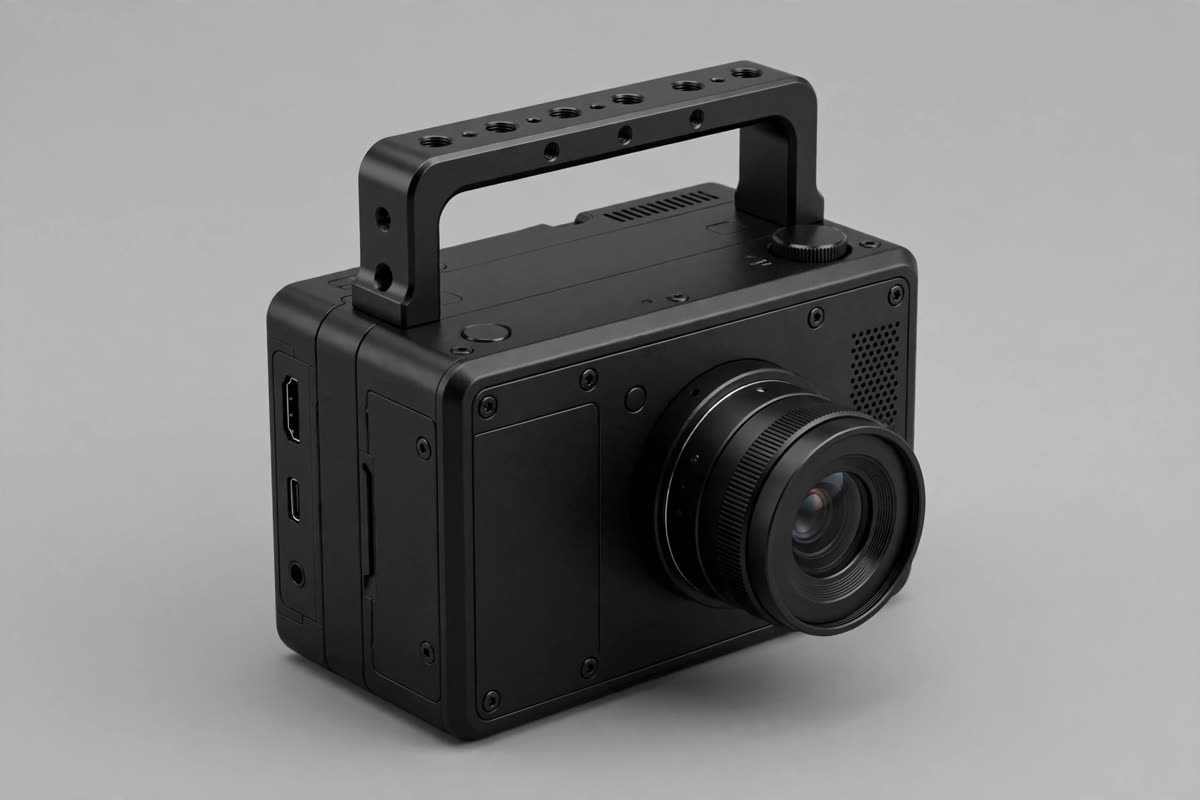
The Sony FX3 Cinema is the first entry on this list that needs a framing note, because it is a video first camera. Built on a 35.6 by 23.8 millimeter full frame Exmor R CMOS sensor with the BIONZ XR processor, the FX3 belongs to Sony’s Cinema Line and is aimed squarely at filmmakers who want big sensor image quality in a compact 715 gram body. It records 4K video at up to 120 frames per second, offers S-Cinetone color science borrowed from Sony’s VENICE cinema cameras, and includes 5 axis in body image stabilization. The E mount opens the door to Sony’s huge native lens lineup.
For stills, the FX3 is capable but modest. It captures still images at about 12.1 effective megapixels with both mechanical and electronic shutter options, and its native ISO range of 80 to 102,400 gives it genuinely excellent low light performance. Autofocus is strong, with 627 phase detection points, and dual CFexpress Type A and SD card slots keep media flexible. The catch is resolution. Twelve megapixels is far below what dedicated stills cameras offer in 2026, so heavy cropping and very large prints are off the table.
Who should consider it? Hybrid creators who shoot mostly video but want a single body that can grab stills without switching systems. If your work is ninety percent stills, the FX3 is the wrong tool, and you should look at Sony’s Alpha stills cameras instead. But as a video first hybrid that still shoots photographs, it earns its place here for the filmmaker who occasionally needs a still frame, and it is a legitimate, if specialized, answer to the best camera for photography when video leads the brief.
Canon EOS C70
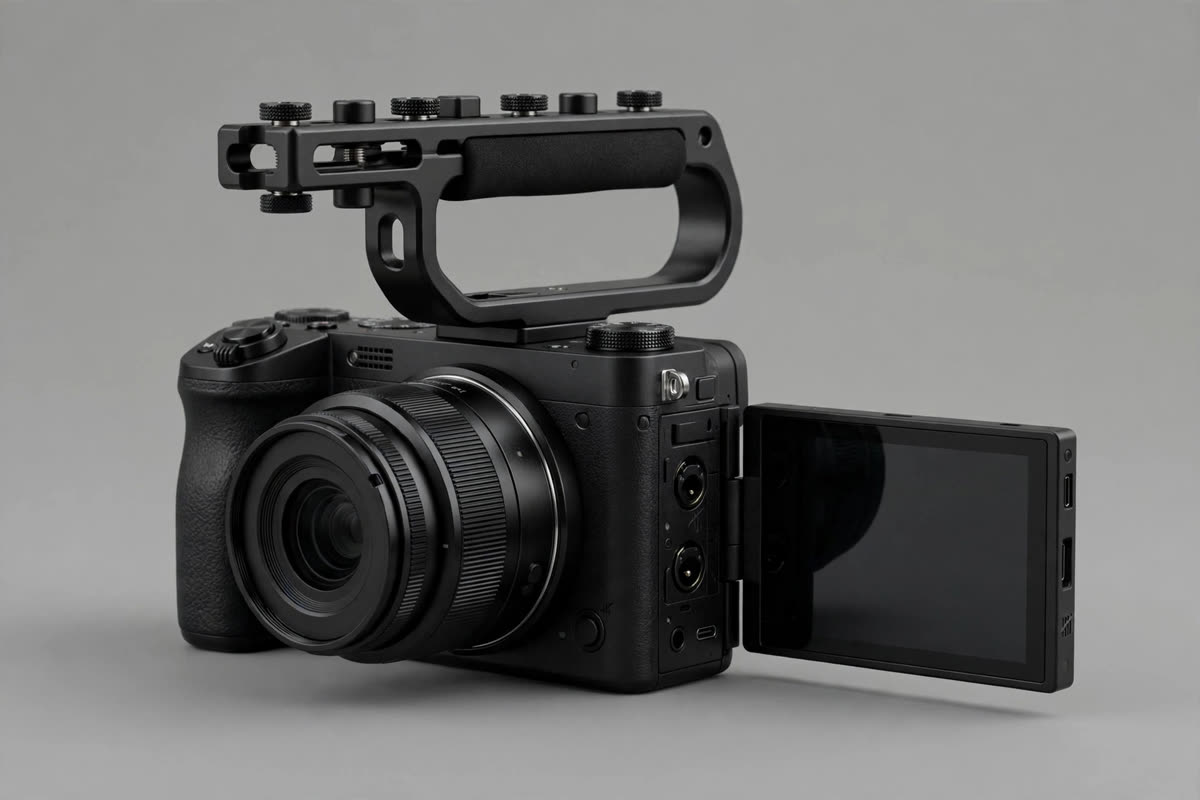
The Canon EOS C70 is the second video first entry, and even more specialized than the FX3. It was the first Cinema EOS camera to use Canon’s RF mount, packing a Super35 Dual Gain Output sensor into a mirrorless style body. That sensor resolves about 9.6 megapixels actual, 8.85 effective, and Canon claims 16 plus stops of dynamic range with Canon Log 2 and Log 3 gamma options. A motorized 10 stop ND filter wheel, Dual Pixel autofocus, and pro audio with mini XLR inputs round out a serious small cinema package.
It does capture stills, the spec sheets list stills and video capture, but a sub 10 megapixel sensor built for 4K video is not a stills photographer’s sensor. There is no electronic viewfinder, the ergonomics favor rigs and monitors over eye level shooting, and the 26.2 by 13.8 millimeter Super35 sensor is smaller than full frame. What you get instead is beautiful video color science, high frame rate 4K, and the ability to use Canon’s excellent RF and EF lens ecosystem.
Who should consider it? Working videographers and filmmakers who want a compact B camera or gimbal camera and occasionally need to pull a still. Photography first buyers should skip it entirely, because there are far better Canon options for stills. We include it because the original list did, and honesty demands we say plainly that the C70 is a cinema camera that happens to take stills, not a contender for the best camera for photography in any stills focused sense.
Sony FX3 Full-Frame
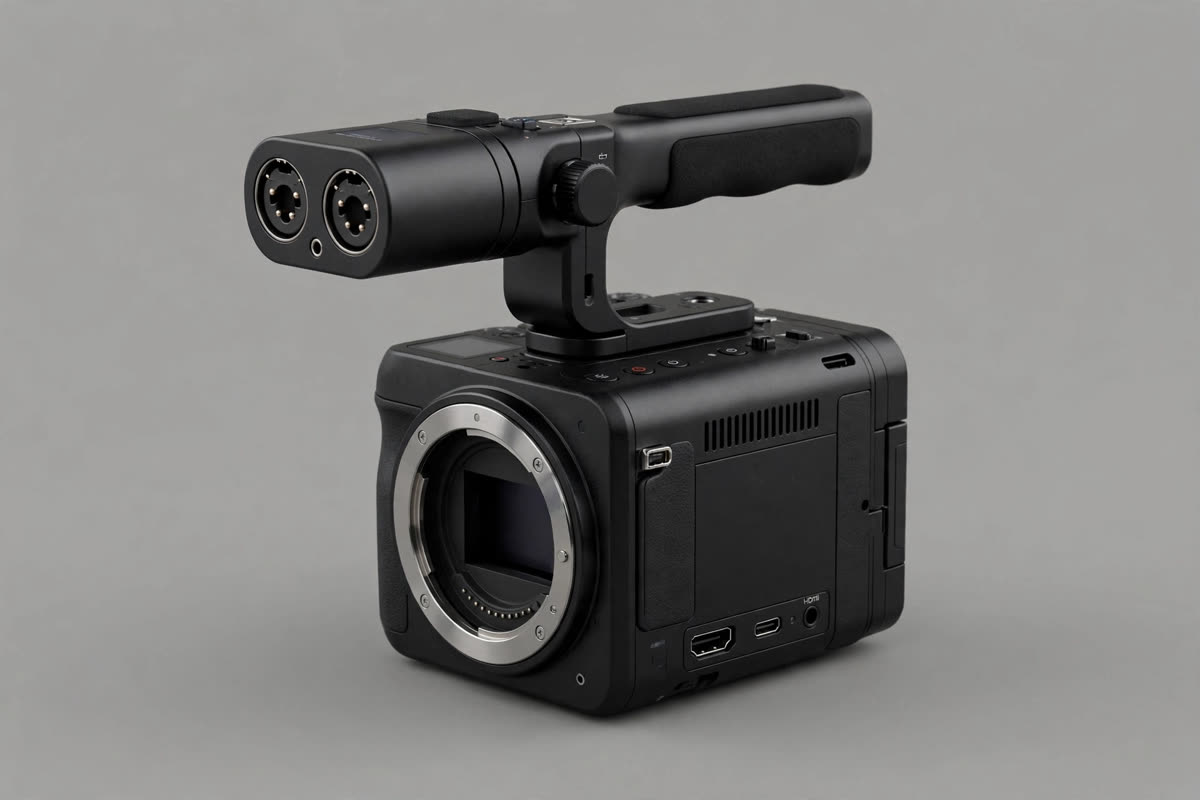
A moment of honesty before we go further. The Sony FX3 Full-Frame listed here is the same camera as entry number two. There is no separate FX3 Full-Frame model. The FX3 is itself a full frame cinema camera, and some retailers list the full product name as the Sony FX3 Full-Frame Cinema Camera. Rather than invent differences that do not exist, this section covers what the full frame designation actually tells you and how to think about the FX3 as a single product.
What full frame means here is the 35.6 by 23.8 millimeter Exmor R CMOS sensor, the same sensor size as 35 millimeter film, which gives the FX3 its shallow depth of field and strong low light behavior. The stills specification is identical to entry two, about 12.1 effective megapixels for still images, ISO 80 to 102,400 native, 5 axis stabilization, and the BIONZ XR processor. If you see the FX3 listed under slightly different names across stores, compare the model code ILME-FX3 and you will find it is one camera.
How should you use this information? Treat entries two and four as one buying decision, not two. What actually varies between listings is the kit, whether the XLR top handle is bundled, which memory cards are included, and which E mount lens you pair it with. For hybrid shooters, the practical question is not which FX3 to buy but whether a 12 megapixel video first body fits your stills needs at all. Our answer from entry two stands. It is a fine companion stills camera for a filmmaker, and a questionable primary camera for a photographer.
Leica M Typ 240
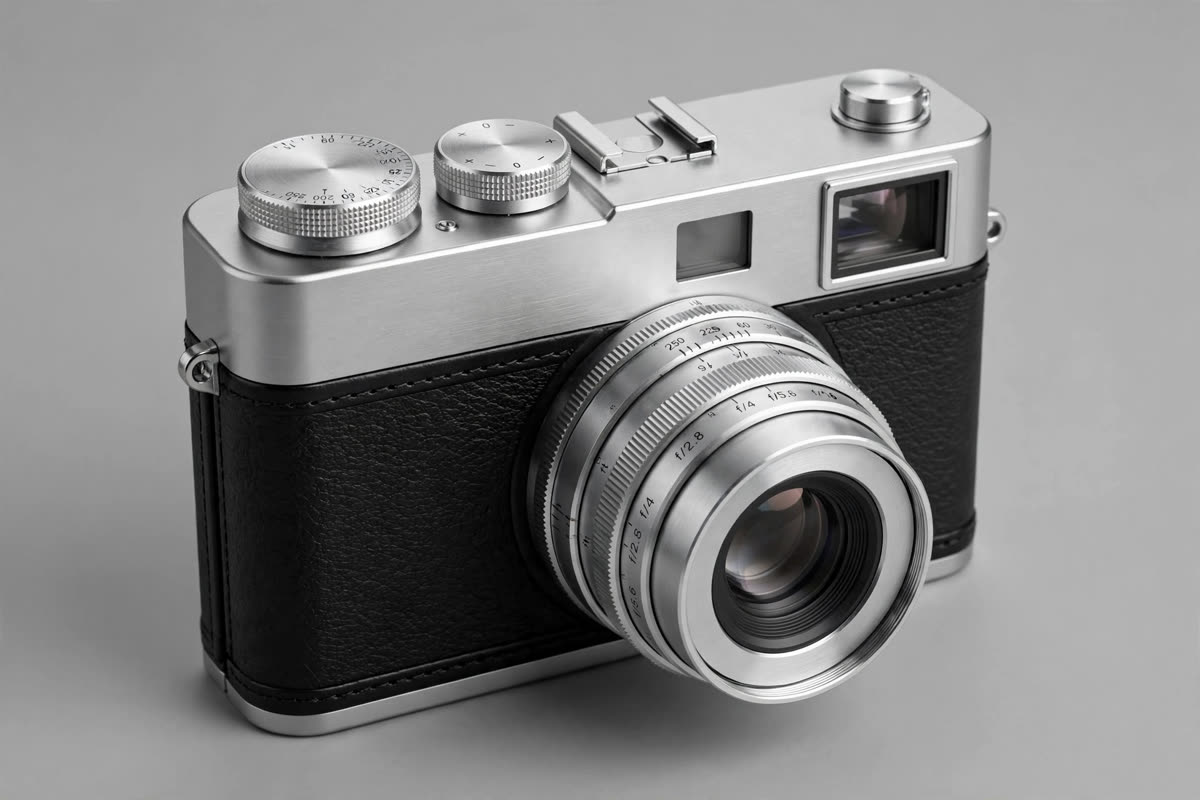
The Leica M Typ 240 is the elder statesman of this list. Introduced in September 2012 as the successor to the M9, it was the first M rangefinder with live view and video recording, built around a 24 megapixel full frame Leica Max CMOS sensor and the Maestro image processor. It keeps the traditional M formula, manual focus through a 0.68x optical rangefinder with automatic parallax correction, and full compatibility with the vast M mount lens system plus R lenses via an adapter.
By 2026 standards the specifications show their age. The native ISO range tops out at 6400 with a pull option down to 100, continuous shooting runs at 3 frames per second, and the 3 inch rear LCD offers 920k dots. Video maxes out at 1080p. These numbers trail every other camera here, but the Typ 240 is no longer sold new. It lives on the used market, where it offers the most affordable path into a full frame digital M rangefinder.
Who should consider it? Rangefinder romantics on a budget, collectors, and photographers who want the M shooting experience without M10 or M11 money. Go in with eyes open. Check shutter count, battery health, and sensor condition before buying used, and budget for a proper M lens, which is where much of the system’s character comes from. It will not win spec comparisons, but for deliberate manual focus photography it can still produce beautiful files, and it remains a charming answer to the best camera for photography for the patient shooter.
Fujifilm GFX100RF
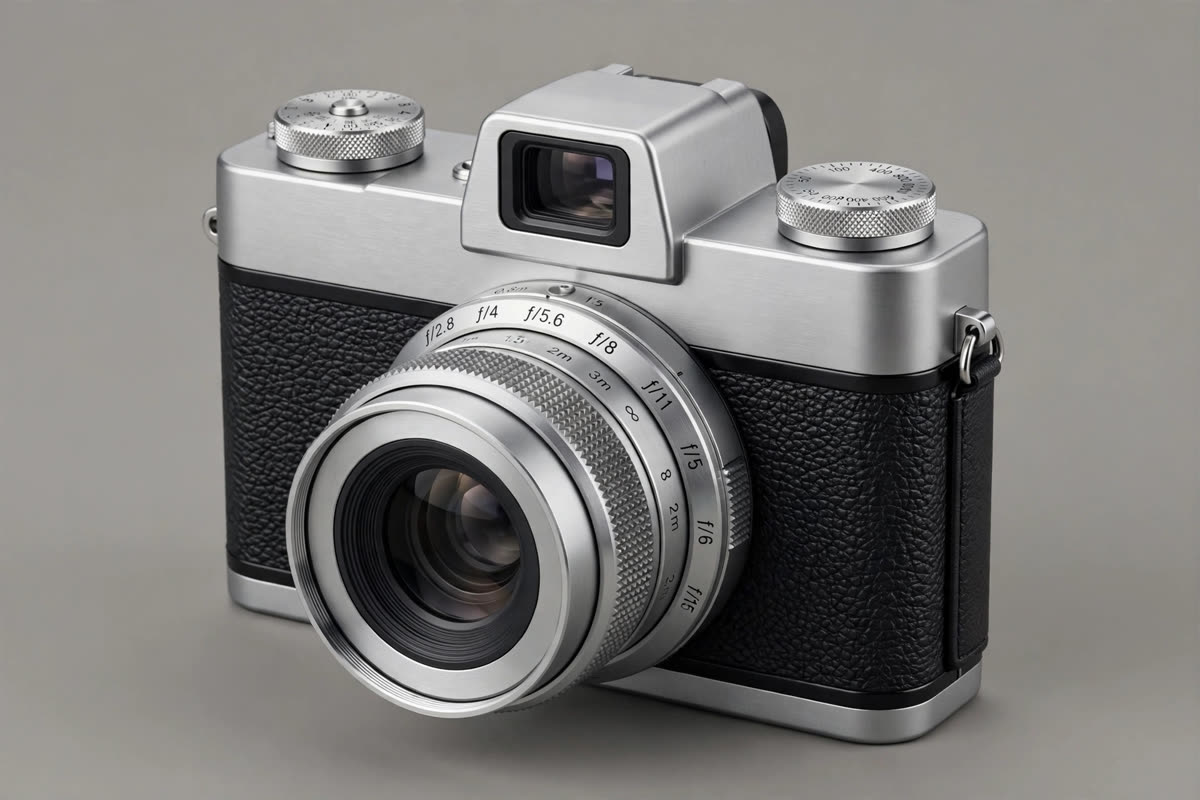
The Fujifilm GFX100RF is the resolution king of this list. Announced in March 2025, it wraps a 102 megapixel medium format BSI CMOS II sensor, measuring 43.8 by 32.9 millimeters, in a fixed lens compact body that weighs only about 735 grams with battery and card. The fixed Fujinon 35 millimeter f/4 lens gives a 28 millimeter full frame equivalent field of view, and the X-Processor 5 engine drives everything from autofocus to Fujifilm’s beloved film simulations.
The feature list reads like a landscape and street photographer’s wish list. A leaf shutter syncs flash up to 1/4000 second, a built in 4 stop ND filter tames bright light without screw in filters, and a dedicated aspect ratio dial offers nine formats including the panoramic 65:24 XPan ratio. Digital teleconverter crops reach 45, 63, and 80 millimeters while retaining more detail than most full frame sensors capture natively. You also get a 5.76 million dot OLED viewfinder, dual UHS-II SD slots, ISO 80 to 12,800, and 4K 10 bit video with F-Log2.
Who should consider it? Landscape, travel, and documentary photographers who want medium format image quality in a carry everywhere body will find little else like it. The tradeoffs are real. The lens is fixed at one focal length, there is no in body stabilization, and f/4 is modest for low light, though the huge sensor compensates with clean high ISO files. If your work lives at 28 millimeters and you print big or crop hard, the GFX100RF is arguably the best camera for photography on this entire list.
GFX100RF Accessories
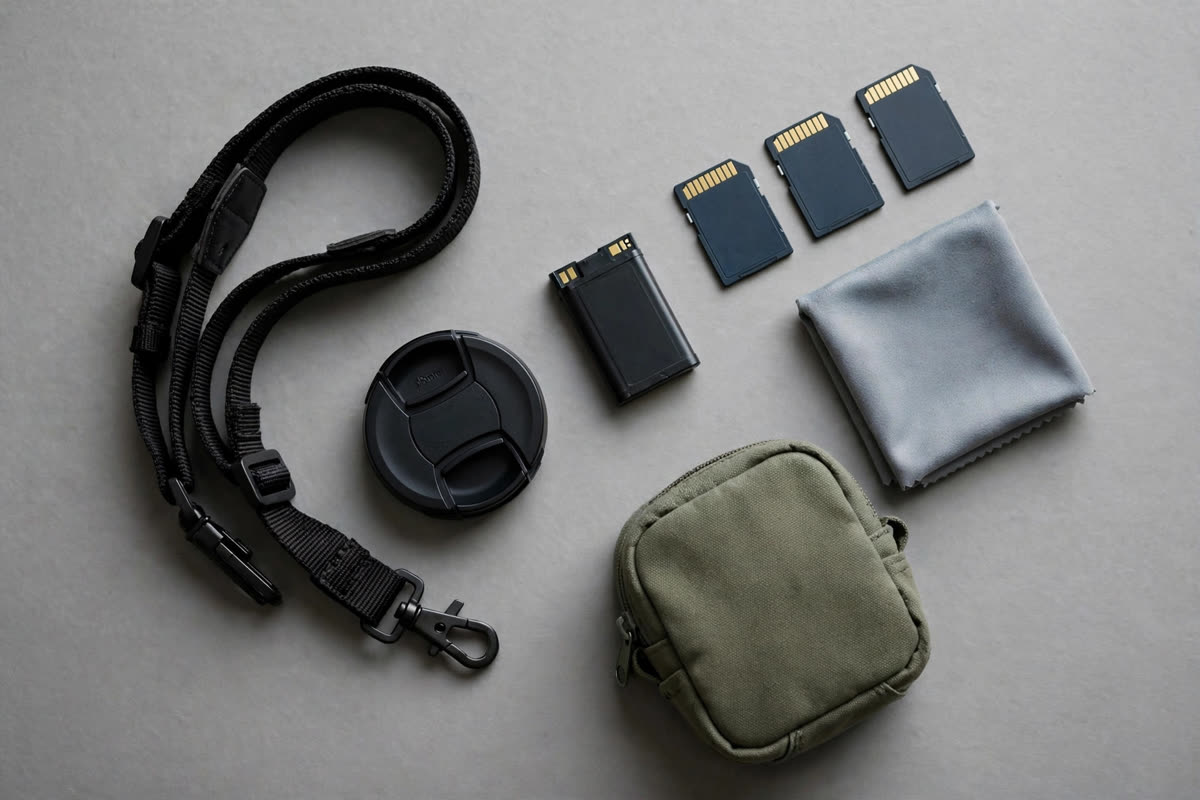
Plain talk, this entry is not a camera. The GFX100RF Accessories listing covers the ecosystem of add ons for the Fujifilm GFX100RF above, and we are labeling it as such rather than reviewing a phantom eleventh camera. Accessories rarely make headlines, but with a 102 megapixel camera that writes enormous files, the right supporting kit genuinely affects what you can shoot.
Start with power and storage. Spare NP-W235 batteries are the single most useful accessory, because high resolution shooting and a bright viewfinder drain cells faster than you expect on a long day. Fast UHS-II SD cards in both slots keep the buffer clear and give you an instant backup workflow. Beyond that, a comfortable strap, a fitted half case or wrap for protection, a lens cap routine you actually follow, and a simple cleaning kit with blower, brush, and microfiber cloths cover daily needs. The built in 4 stop ND filter means you can skip buying ND glass, which is a quiet saving.
Our buying advice is simple. Budget for accessories at purchase time, not after, and prioritize batteries and cards over exotic add ons. A weather resistant camera still benefits from a rain cover in real downpours, and a sturdy compact tripod unlocks the GFX100RF’s long exposure and low ISO strengths. Treat this section as a checklist, not a product review, and you will get more from the camera in entry six than any single accessory could deliver alone.
Leica Q2 Digital
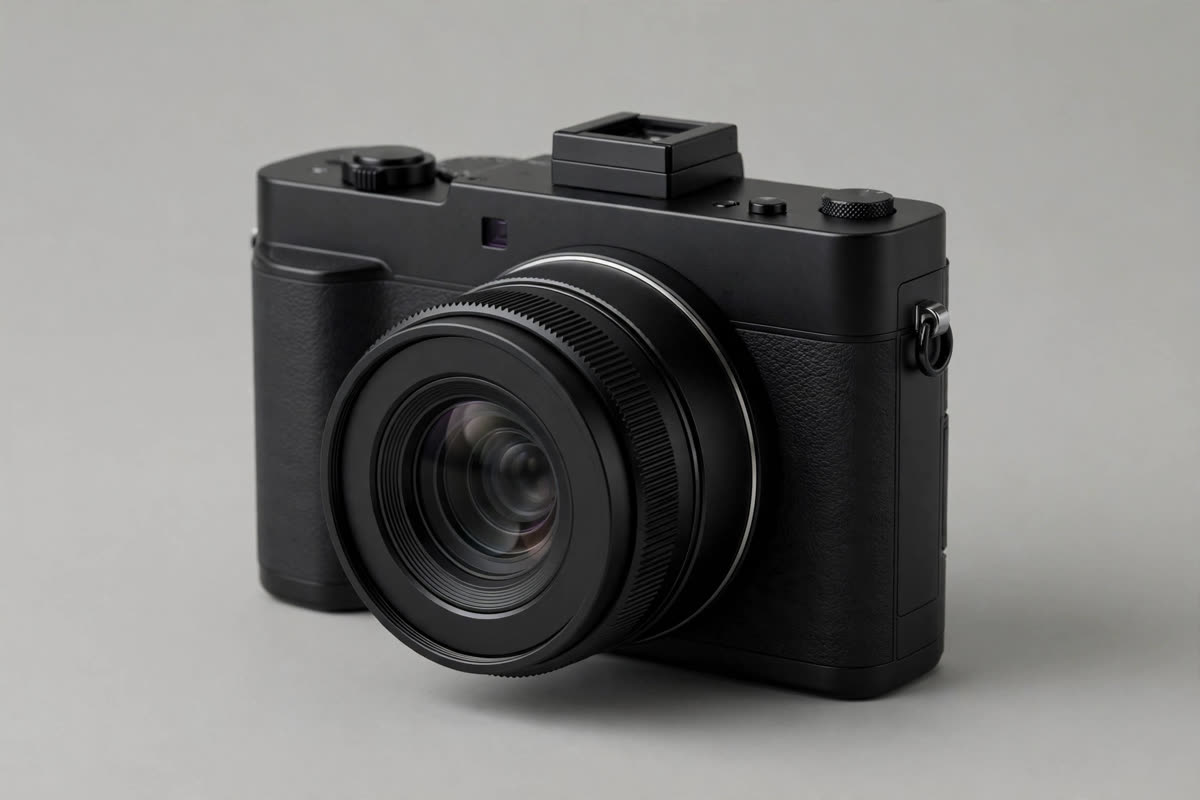
The Leica Q2 Digital is the fixed lens full frame camera that made one camera one lens minimalism fashionable again. Released in March 2019, it pairs a 47.3 megapixel full frame CMOS sensor with a fixed Summilux 28 millimeter f/1.7 ASPH lens with optical image stabilization, a combination that covers street, travel, architecture, and environmental portraiture without ever changing glass. The Maestro II processor, weather sealing to IP52, and a 3.68 million dot OLED viewfinder complete a thoroughly premium package.
Performance is brisk for a compact. Continuous shooting hits 10 frames per second with the mechanical shutter and 20 with the electronic shutter, the native ISO range spans 50 to 50,000, and autofocus is fast and confident in good light. Clever digital crop modes reframe the 28 millimeter view to 35, 50, and 75 millimeter equivalents while keeping generous resolution, and a macro mode focuses close for detail work. Video reaches 4K, which is a bonus rather than the point.
Who should consider it? Photographers who want to carry one camera everywhere and think in wide angle will love the Q2’s simplicity and image quality. The fixed lens is the whole philosophy, liberating if 28 millimeters suits you, limiting if it does not. Note that Leica has since released the Q3, so shop carefully between new old stock, used Q2 bodies, and the newer model. For the photographer who values discretion, build, and files with real presence, the Q2 remains a strong candidate for the best camera for photography in the premium compact class.
Nikon Z9 Body
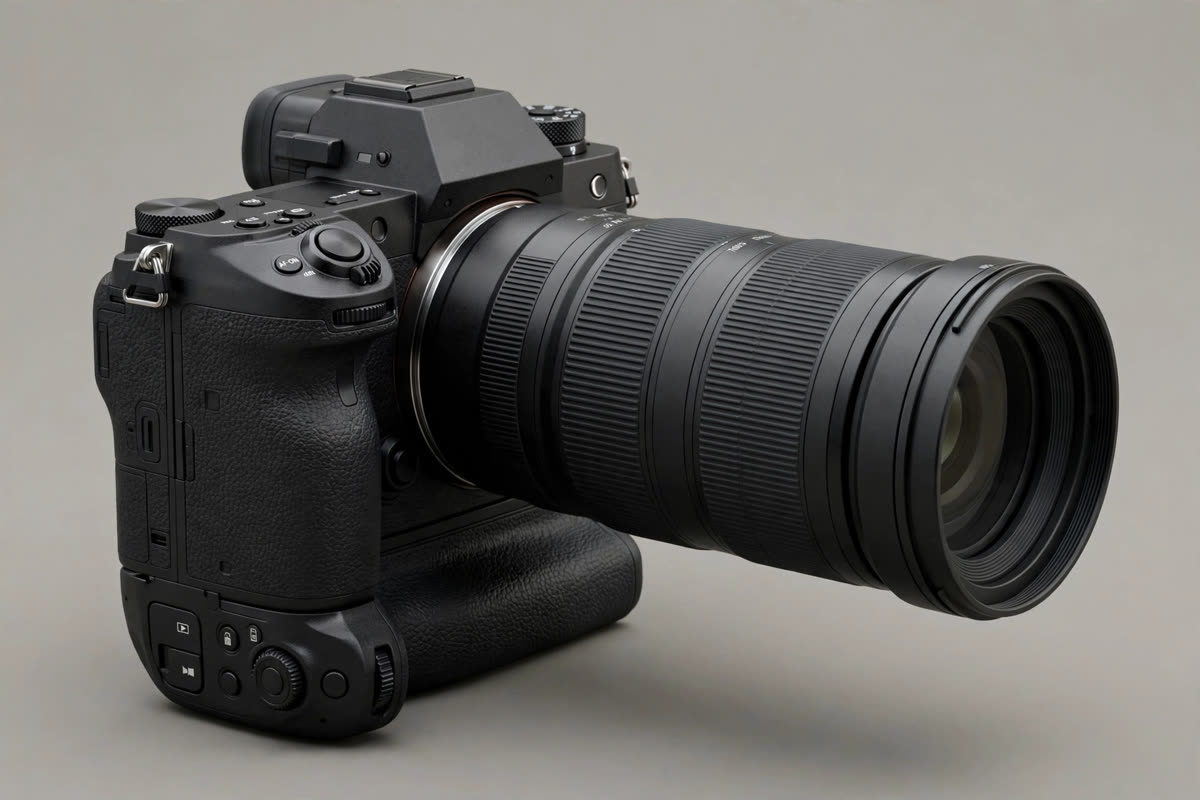
The Nikon Z9 Body is the professional workhorse of this list. Nikon’s mirrorless flagship, released in December 2021, is built around a 45.7 megapixel stacked full frame BSI CMOS sensor and the EXPEED 7 processor, and it made headlines as the first pro camera to drop the mechanical shutter entirely. The electronic shutter alone handles everything up to 1/32,000 second, and the deep grip body with integrated vertical controls is built for long days in harsh weather.
Speed is the story. The Z9 shoots 20 frames per second in raw with full autofocus, 30 frames per second JPEGs at full resolution, and 120 frames per second in an 11 megapixel crop mode, with 493 autofocus points and subject detection for people, animals, and vehicles. The base ISO of 64 is a landscape photographer’s gift, delivering exceptionally clean files, and 5 axis in body stabilization steadies slower shutter speeds. Dual CFexpress Type B slots swallow the data rates, and 8K video makes it a true hybrid flagship.
Who should consider it? Sports, wildlife, and action professionals who need the fastest, most reliable Nikon ever made. At about 1340 grams body only it is a substantial camera, and its capabilities are overkill for casual travel or family photography. But if your subjects move fast and your deadlines are real, the Z9 is the most complete stills machine here, and for many working pros it is simply the best camera for photography, full stop.
Pentax 150-450mm
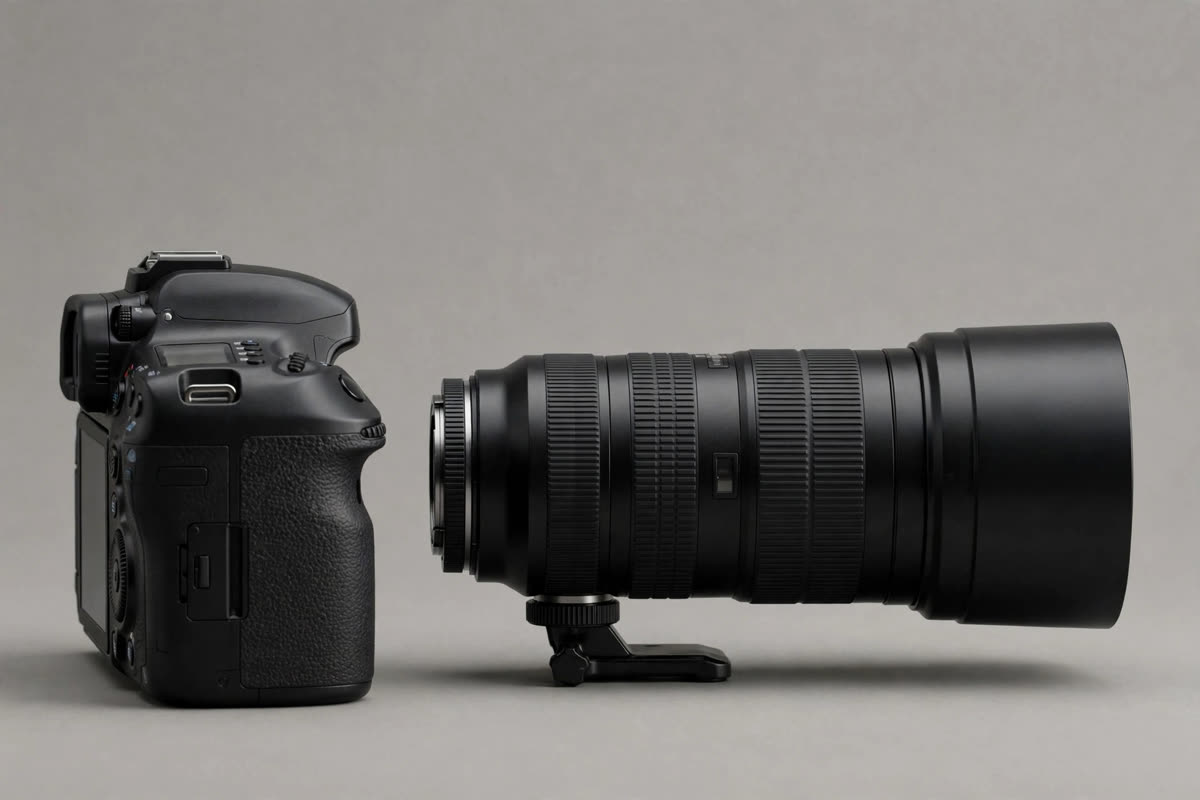
Another honesty flag, the Pentax 150-450mm is a lens, not a camera. Its full name is the HD PENTAX-D FA 150-450 millimeter f/4.5-5.6 ED DC AW, a super telephoto zoom for the Pentax K mount. We keep it in list order because long glass is often the missing piece in a photographer’s kit, and for Pentax shooters this is the native super telephoto to know.
The specifications are serious. The 150 to 450 millimeter range becomes roughly 230 to 690 millimeters equivalent on Pentax APS-C bodies, the optical formula uses 18 elements in 14 groups with extra low dispersion glass, and nine rounded aperture blades keep out of focus areas smooth. Minimum focus is 2 meters, the 86 millimeter front filter thread is large but standard for the class, and the All Weather construction with extensive sealing shrugs off rain and dust. A focus preset button, focus limiter, and rotating tripod collar show it was designed by people who shoot wildlife.
Who should consider it? Pentax K-1 series and K-3 series owners who photograph wildlife, sports, or distant landscapes. At around 2 kilograms it demands a sturdy tripod or monopod and good long lens technique, and it only makes sense inside the Pentax system, because there is no adapting it elsewhere. Pair it with a weather sealed Pentax body and you have an all weather wildlife kit with real character, proof that the best camera for photography is sometimes the lens in front of it.
Final Pick
If we must name names, here is how the list shakes out by shooting style. For maximum image quality in a portable body, the Fujifilm GFX100RF is the standout, with the Leica Q2 right behind it for photographers who prefer 28 millimeters and one camera simplicity. Rangefinder devotees should choose between the refined M10-R and the budget friendlier used M Typ 240.
Action and wildlife professionals need look no further than the Nikon Z9, while Pentax shooters should put the 150 to 450 millimeter lens at the top of their wish list. Hybrid filmmakers can consider the Sony FX3 or Canon EOS C70, with eyes open about their stills limits. For more roundups in this style, browse the photography gear roundups on DixTrick.
One last word on this list’s quirks. Entries two and four are the same Sony FX3, entry seven is accessories rather than a camera, and entry ten is a lens, all flagged honestly above because a buying guide that hides its oddities cannot be trusted. Buy the camera that matches your subjects, verify today’s street prices yourself since we quote none, and remember that the best camera for photography is the one you will actually carry and shoot.
FAQ
What is the best camera for photography in 2026?
There is no single winner for the best camera for photography, because the right camera depends on your subjects. The Fujifilm GFX100RF leads on pure image quality, the Nikon Z9 dominates action and wildlife, the Leica Q2 is the sweet spot for everyday carry, and the Leica M10-R is the rangefinder purist’s choice. Start from what you shoot most, then match the camera to that work rather than chasing the highest specification number.
Is the Sony FX3 the best camera for photography?
It is adequate rather than excellent for stills. The FX3 is a video first cinema camera whose 12.1 megapixel stills are fine for web use and modest prints, and its low light performance is genuinely strong. But photographers who shoot mostly stills will get far more from the best camera for photography at a similar price: more resolution and stills focused ergonomics from a dedicated photo camera.
Why does this list include the Sony FX3 twice?
Because the source list did. Entries two and four describe the same camera, the Sony FX3, which some retailers list under its full name, the Sony FX3 Full-Frame Cinema Camera. We kept both entries in order and said so openly instead of inventing a second model that does not exist.
Can cinema cameras like the Canon EOS C70 take still photos?
Yes, the C70 captures stills as well as video, but its sub 10 megapixel Super35 sensor is built for 4K video, not photography. The stills are usable for reference frames and small reproductions, yet any modern stills camera will outresolve it easily. Buy the C70 for video, not as the best camera for photography.
Is the Pentax 150-450mm a camera?
No, it is a super telephoto zoom lens for Pentax K mount cameras. It needs a Pentax DSLR body such as the K-1 Mark II or K-3 Mark III to function. We included it in list order with a clear label because the right lens often matters more than the body for wildlife and sports photography.
What accessories do I need for the Fujifilm GFX100RF?
Prioritize spare NP-W235 batteries and fast UHS-II SD cards, since 102 megapixel files are large and hungry for power and write speed. Add a comfortable strap, protective case, and a basic cleaning kit. The camera’s built in 4 stop ND filter means you can skip ND filters, and a compact tripod will unlock its landscape potential.
The Bottom Line
The best camera for photography in 2026 is not the one with the biggest number on the box. It is the one that fits your hands, your subjects, and your habits. A 102 megapixel medium format camera rewards the deliberate landscape shooter, a 20 frame per second flagship rewards the sports pro, and a fixed lens compact rewards the photographer who shows up every day. Match the tool to the work and you will rarely go wrong.
Whatever you choose, handle it before you buy if you can, verify current prices from reputable dealers, and invest in lenses and technique alongside the body. Cameras on this list range from modern flagships to a decade old rangefinder and even a lens, which proves the point. Great photographs come from the photographer first and the gear second. Now pick your tool and go shoot.
Pingback: 10 Best DSLR Cameras for Beginners in 2026 - DixTrick