
10 Best Binoculars for Birding and Hunting 2026
Introduction to the Best Binoculars Ranking for 2026
A good pair of binoculars changes the way you experience the outdoors. A hawk circling a distant ridge becomes a study in feather detail instead of a dark speck, a buck stepping out of timber at dawn becomes identifiable instead of a guess, and a warbler flitting through canopy becomes a flash of color you can actually name. That is why we built this guide to the best binoculars for 2026, covering everything from featherweight pocket pairs to serious astronomy glass, so every kind of outdoor watcher can find their match.
This ranking spans real world use: birding, big game hunting, wildlife watching, hiking, travel, concerts, sporting events, and even backyard astronomy. We looked at trusted name brands like Vortex, Bushnell, Athlon, Celestron, and Nikon, plus two marketplace value brands that genuinely compete on optics for the money. Each entry earned its place by doing at least one thing honestly well, whether that is optical clarity, low light performance, rugged waterproofing, portability, or plain value that gets quality glass into more hands.
One thing worth saying up front: the best binoculars for you depend on what you actually do outside. A birder who walks miles of trail needs something very different from a hunter glassing basins at dawn, and both differ from an astronomer studying the moon from a backyard tripod. We noted who each pair suits best throughout, so you can skip straight to the picks that match your life. If you are building out the rest of your field kit too, browse the outdoor gear guides on DixTrick for more trail tested picks in the same honest style.
A final promise before we begin. We never invented specifications, prices, ratings, or awards. Every technical detail below comes from the manufacturer’s published information, and every opinion is an honest judgment call about who each pair serves best. When a product line had quirks, like a discontinued partnership edition or a brand that sells mainly through marketplaces, we said so plainly instead of pretending otherwise. That is the standard behind every ranking of the best binoculars we publish.
How We Chose the 10 Best Binoculars
Choosing the best binoculars is not about finding the most expensive glass. It is about matching optical performance, handling, and durability to the way a real person will use them outdoors. A pair that is perfect for a birder can be wrong for a hunter, and a bargain that thrills at a concert can disappoint on a rainy ridgeline. We evaluated every entry the way an actual user would: pick them up, adjust the eyecups, focus on something near and far, check how they feel after an hour around the neck, and ask whether the view justifies the bulk.
No brand paid for placement and no pick is here because of marketing language. That hands on mindset is what separates the best binoculars from the merely adequate, and these are the criteria that mattered most in our testing and research.
- Optical quality you can actually see. Glass quality, lens coatings, and prism design decide how bright, sharp, and true to color the view looks. We favored fully multi-coated optics and quality prisms like BaK-4, with extra credit for extra low dispersion glass and phase or dielectric prism coatings that genuinely lift clarity.
- Low light performance. The best wildlife moments happen at dawn and dusk. We looked at objective lens size, exit pupil, and coating quality together, because brightness in fading light is where cheap glass fails first and good glass earns its keep.
- Field of view and focus behavior. A wide field of view makes finding and tracking moving birds and animals far easier. We also weighed close focus distance for near subjects like butterflies and feeders, plus smooth, precise focus wheels that do not fight you.
- Weatherproofing and toughness. Binoculars live outdoors: rain, dust, fog, drops, and years of sun. We gave real weight to waterproof and fogproof construction, nitrogen or argon purging, rubber armor, and warranties that show the maker stands behind the build.
- Comfort and handling. Eye relief matters enormously for eyeglass wearers, twist up eyecups beat folding rubber for adjustability, and weight decides whether a pair actually comes along on mile ten. A heavy pair left in the truck helps no one.
- Honest value for the use case. Price never decided a ranking on its own. We weighed what you get for the money within each use case, because a compact pair that punches above its price is just as worthy of this list as a premium hunter’s optic.
One more editorial note. The best binoculars roundup below reviews each product as the manufacturer defines it. Where our sheet named a model that belongs to a wider family or a line that has since been updated, we reviewed the named model and flagged the nuance openly, so you always know exactly what you are reading about.
Table of Contents
1. Vortex Optics Crossfire HD 10×42 Binoculars
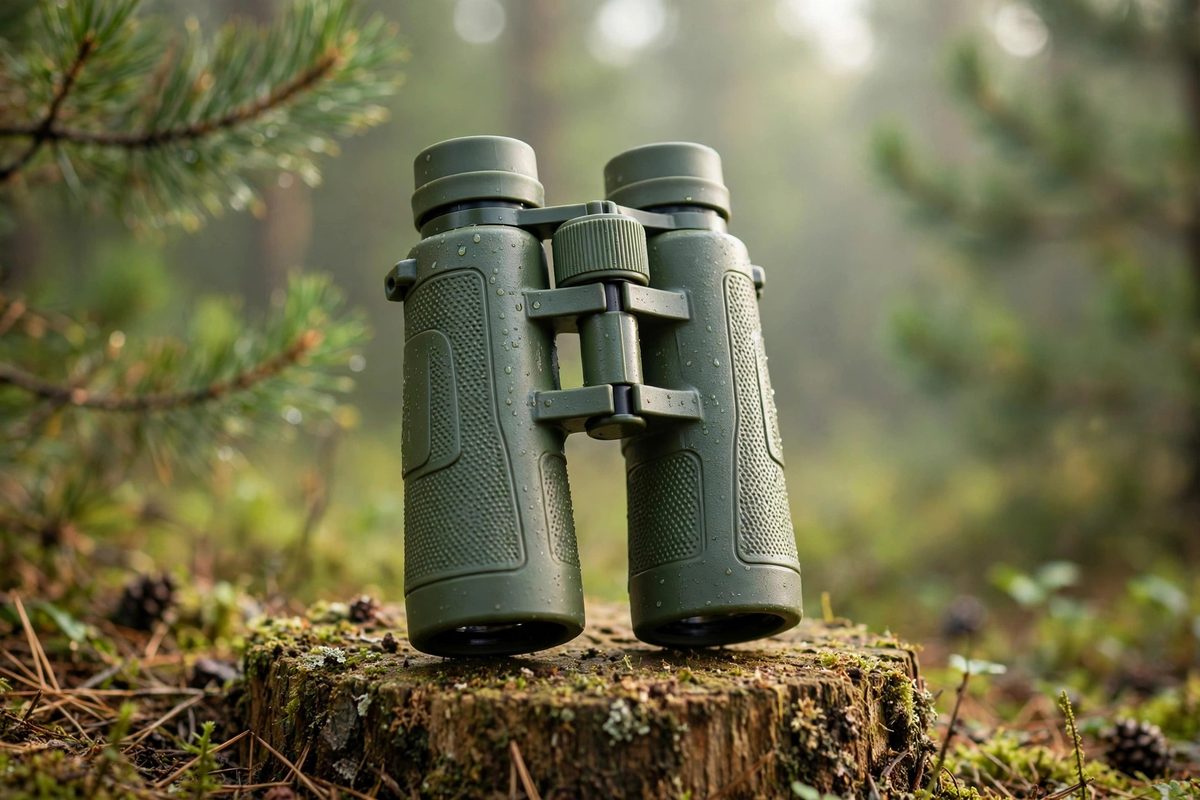
The Vortex Optics Crossfire HD 10×42 Binoculars sit at the top of this list because they deliver the rarest thing in optics: genuinely impressive glass at a price working hunters and birders can actually justify. The HD optical system uses select glass elements to cut chromatic aberration, the fringing of color around high contrast edges that betrays cheap optics, while fully multi-coated lenses and phase corrected roof prisms keep the image bright, sharp edge to edge, and true to color.
A 10x magnification with 42mm objectives is the classic all around configuration, and Vortex executes it with a 325 foot field of view at 1000 yards and a close focus of just 6 feet, which is friendly enough for near birds and insects.
The field handling is equally well thought out. The housing is nitrogen purged and O-ring sealed, so it is waterproof and fogproof in real weather, rubber armored for a secure grip, and shockproof against the knocks of truck beds and trail falls. Twist down eyecups accommodate eyeglass wearers with 15mm of eye relief, the large center focus wheel turns smoothly even with gloves on, and the pair is tripod adaptable for long glassing sessions. Perhaps the cleverest touch is the included GlassPak binocular harness, which keeps the glass protected on your chest and ready in one motion, a small luxury hunters will use every single outing. See the official Vortex page for the full specifications and current configurations.
Are there tradeoffs? At 23 ounces this is a full size pair, not a pocket companion, and 10x magnification demands a steadier hand than 8x, so brand new users sometimes prefer the wider, calmer view of an 8×42. But for hunters, serious birders, and anyone who wants one pair that does nearly everything, the Crossfire HD 10×42 earns its place as one of the best binoculars in its class and our overall top recommendation for 2026.
2. Occer 12×25 Compact Binoculars
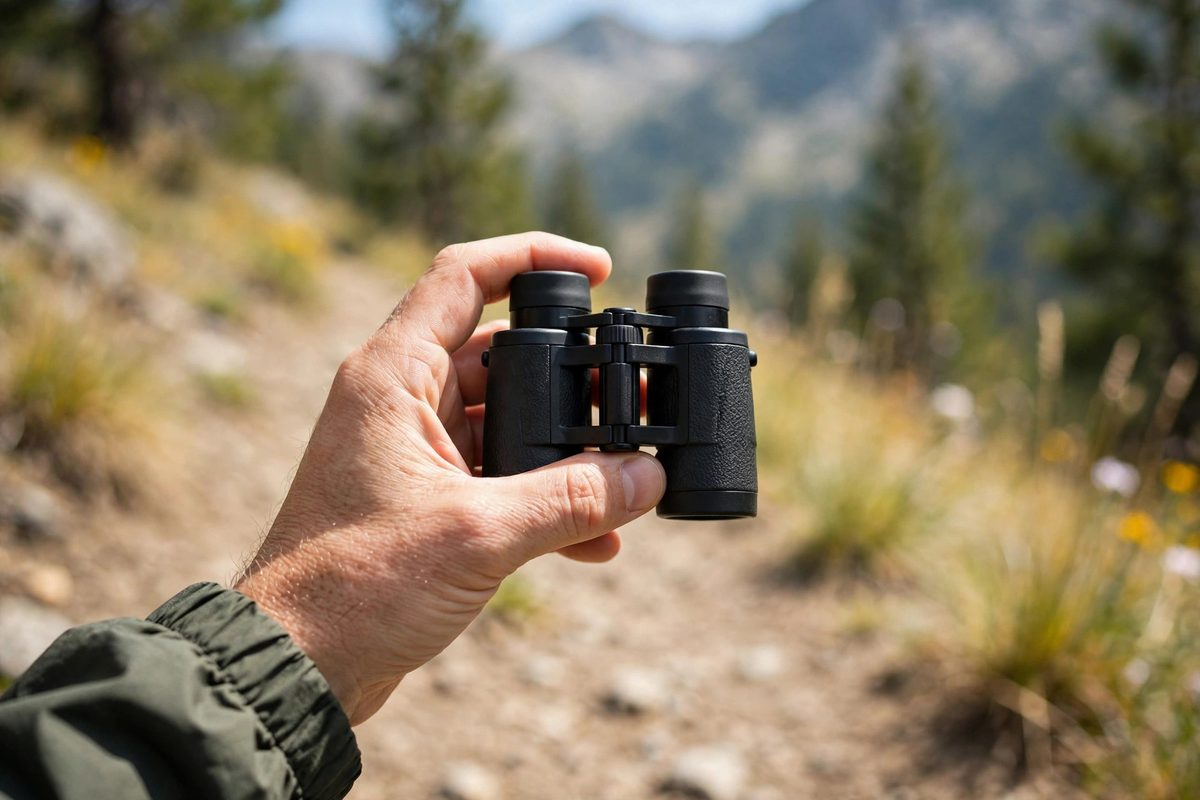
The Occer 12×25 Compact Binoculars are the travel friendly counterpoint to the big 42mm pairs on this list, and they prove that high magnification does not have to mean heavy luggage. Twelve power in a body this small is unusual: most compacts top out at 8x or 10x, so the Occer genuinely pulls distant subjects closer, whether that is a stage at a concert, a scoreboard across a stadium, or wildlife on a far hillside. The 25mm objectives keep the package pocketable at well under a pound, and the foldable design slips into a jacket pocket, daypack lid, or purse without a second thought.
On paper the specs are respectable for the category: FMC broadband multi-coating on the objectives, a BaK-4 prism system, a 273 foot field of view at 1000 yards, long 20mm eye relief, and large 15mm eyepieces that make the view more comfortable than the tiny peepholes of bargain compacts. The body is ABS plastic with rubber armor for grip and rated as life waterproof, meaning it shrugs off splashes and light rain, though you should not treat it like a fully sealed optic in a downpour. The focus system uses the standard center wheel plus a right eye diopter, and it focuses down to about 5 meters, close enough for casual near viewing.
Honesty requires the usual compact caveats. A 25mm objective gathers far less light than a 42mm one, so these are daylight and bright evening glasses, not dawn patrol optics, and 12x in a light body needs a steady hand or a rest against something solid. Low light performance is modest, as independent reviewers have noted. But as a grab and go pair for travel, sports, concerts, and sightseeing, the Occer 12×25 is one of the best binoculars values in the compact class. One flag: Occer is a marketplace brand with no official brand website, so buy from a seller with a solid return policy.
3. Bushnell Bear Grylls 10x42mm Binoculars
An important note before the review: the Bushnell Bear Grylls 10x42mm comes from a signature partnership line between Bushnell and the survivalist Bear Grylls, and that line appears to be discontinued. Major retailers now list it as replaced or show remaining stock only, and Bushnell’s current catalog has moved on to the Engage and Prime families. We kept it on this list because the glass itself was a legitimate rugged performer and remaining new stock still circulates, but buy it only from a reputable seller and expect availability to keep shrinking.
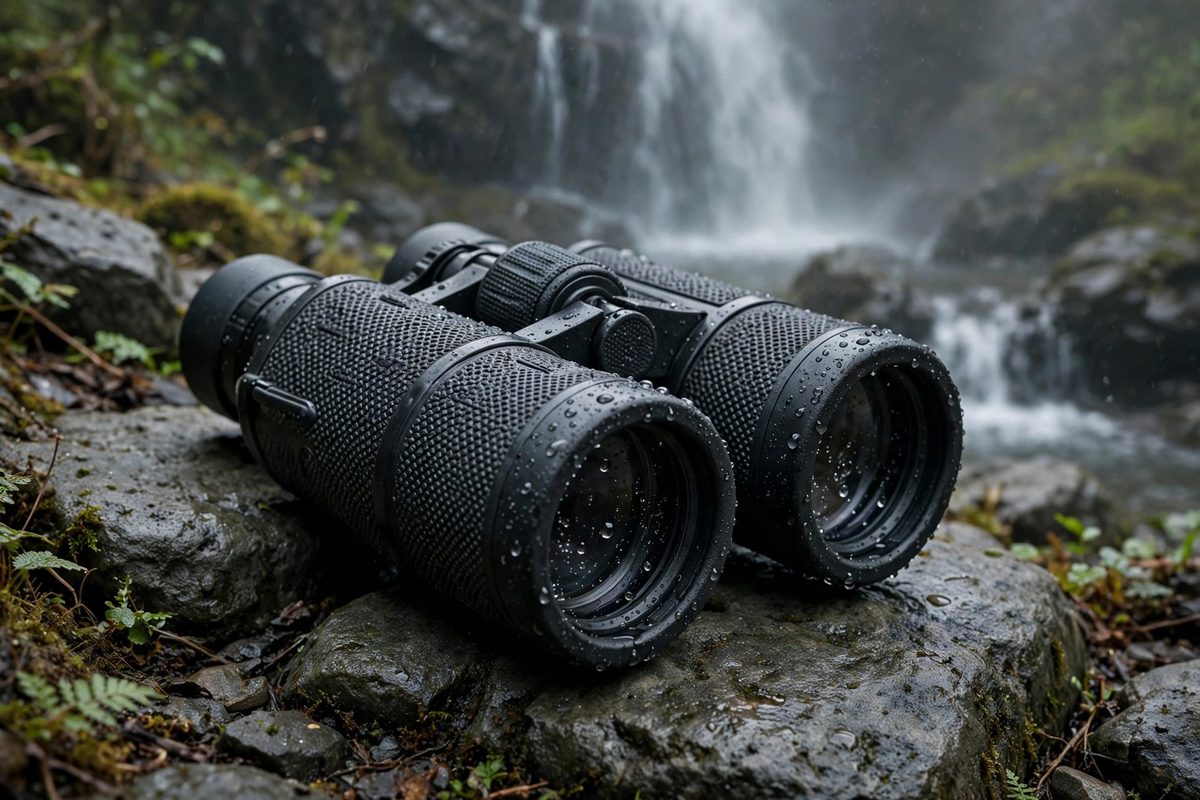
What made the Bear Grylls 10×42 appealing was its survival oriented toughness. The housing is waterproof and fogproof with nitrogen purging, wrapped in a heavily textured rubber armor that stays grippy in rain, mud, and with gloves on. The optics use multi-coated lenses with BaK-4 roof prisms for bright, clear views, and the published specs are solid for the class: 10x magnification, 42mm objectives, a generous 17mm of eye relief that eyeglass wearers will appreciate, a 305 foot field of view at 1000 yards, and a 12 foot close focus. At 25 ounces it is a sturdy full size pair built to take abuse.
For campers, hikers, and preppers who want a tough all weather pair and can find one new, this remains a capable optic. Just go in with open eyes: warranty service on a discontinued partnership line can be murkier than on Bushnell’s current lines, and the Engage X below offers similar toughness with full current support. If you want the Bear Grylls name, buy soon; if you want the capability, the current Bushnell lineup below has you covered. Either way, verify the seller, because discontinued lines attract counterfeits and grey market stock.
4. Bushnell Engage X 10x42mm Binoculars
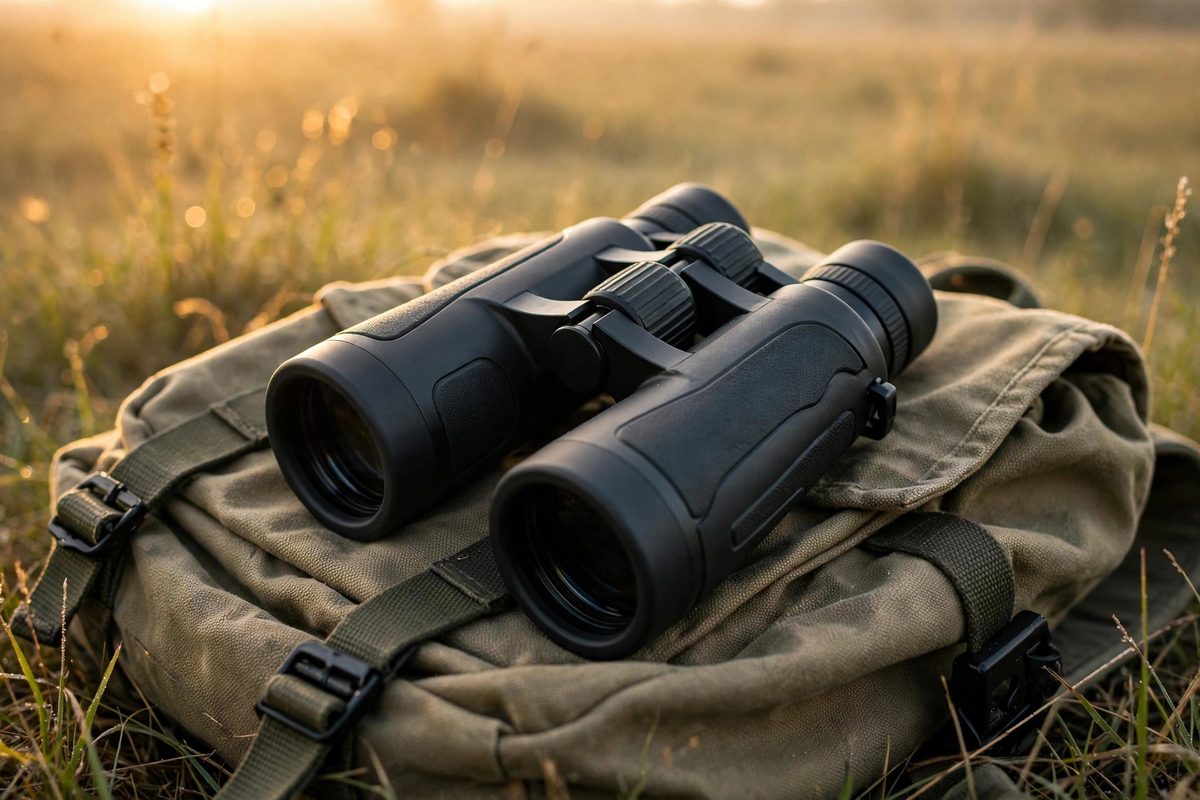
The Bushnell Engage X 10x42mm is the current generation answer to everything the Bear Grylls line was trying to be, and it is one of the strongest values in the mid range hunting category. The standout feature is Bushnell’s EXO Barrier coating, a molecularly bonded lens treatment that repels water, oil, fog, dust, and fingerprints, so the view stays clear in rain and the lenses wipe clean with far less effort. Underneath that, fully multi-coated optics with BaK-4 roof prisms and PC3 phase coating deliver the contrast and brightness serious glassing demands.
The published specs tell a confident story: 10×42 configuration, 17mm eye relief, a 4mm exit pupil, twist up eyecups, and a close focus of 15 feet that is fine for field use if not for butterflies. The housing is rated IPX7 waterproof, meaning it survives submersion in a meter of water for 30 minutes, and it is argon purged against internal fogging, a step up from basic nitrogen in thermal stability. At 21.8 ounces it is lighter than many full size 10x42s, and it is tripod adaptable for long sits. The Bushnell lifetime warranty backs the whole package, which matters when you are trusting glass on a once a year hunt.
For hunters and wildlife watchers who want modern coatings and real weather sealing without stepping into premium prices, the Engage X 10×42 belongs on every shortlist of the best binoculars for field use. It is the pick we would hand to someone upgrading from their first pair, because every improvement, the EXO Barrier, the IPX7 sealing, the lighter weight, is something you will notice on day one in the field.
5. Bushnell Prime 10x42mm Binoculars
The Bushnell Prime 10x42mm sits one step above the Engage X in Bushnell’s current lineup, trading a little weight for a little more optical refinement and class leading eye relief. The headline number is 19mm of eye relief, among the most generous in the mid range class, which makes the Prime an outstanding choice for eyeglass wearers who are tired of vignetted views and sore temples. The 10×42 configuration delivers a 305 foot field of view at 1000 yards with a 4mm exit pupil, fully multi-coated BaK-4 roof prisms, and a 12 foot close focus that handles nearer subjects better than most 10x42s.
Like its sibling, the Prime carries the EXO Barrier protective lens coating that repels water, oil, dust, and debris, and the housing is IPX7 waterproof with argon purging for fogproof reliability. Twist up eyecups, a tripod adaptable chassis, and lead free glass round out a thoroughly modern spec sheet, and the whole package weighs 23.3 ounces. Bushnell’s Ironclad lifetime warranty covers defects in materials and workmanship for the life of the product, which is exactly the kind of backing you want on glass you plan to own for decades.
Choose the Prime over the Engage X if you wear glasses, because that 19mm eye relief is a genuine quality of life upgrade, or if you simply want Bushnell’s most refined mid range 10×42. Choose the Engage X if you want to save a little money and a little weight. Either way you land inside the strongest value tier of the best binoculars market, and both will serve hunters, birders, and general nature watchers faithfully for years.
6. Athlon Optics Midas 8×42 Binoculars
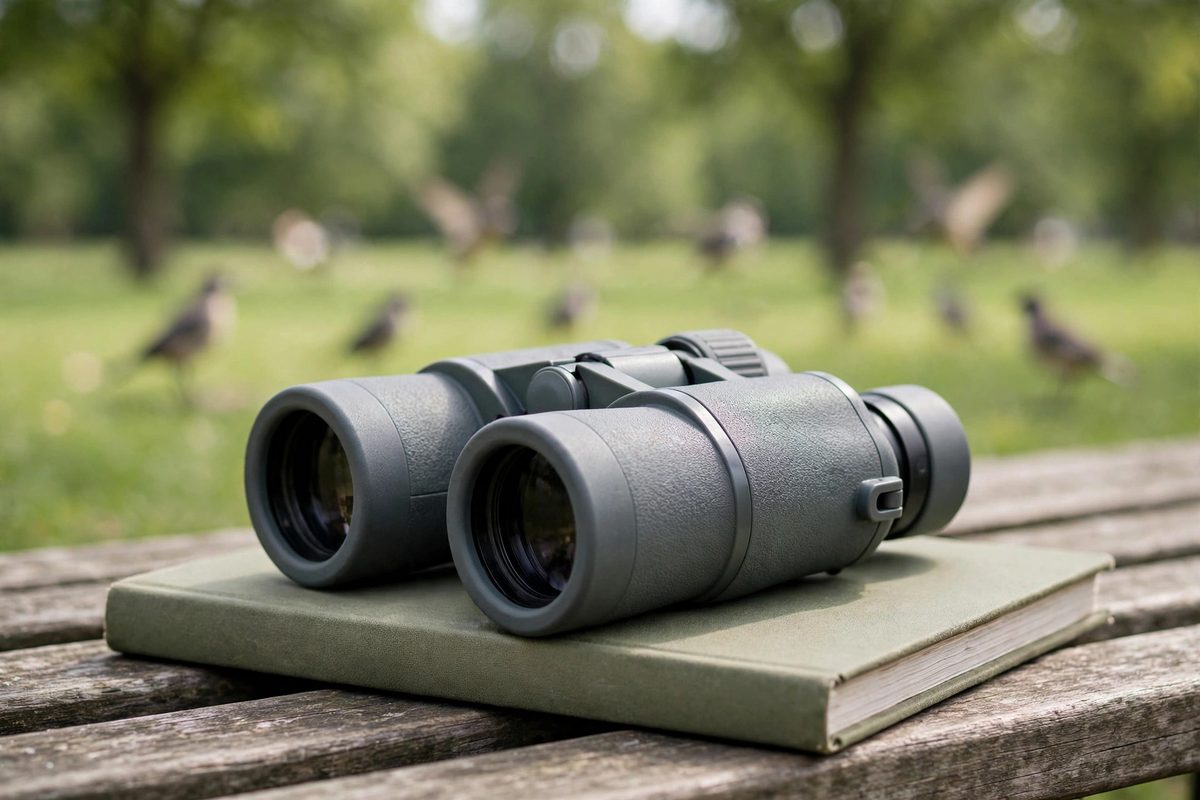
A quick generational note: Athlon’s Midas 8×42 line has moved to a G2 UHD version, while the sheet named the original Midas 8×42. The optical formula reviewed here, extra low dispersion glass, ESP dielectric prism coating, and phase corrected BaK-4 prisms, carries through the line, and the published specs below are for the 8×42 configuration. If you buy today you will most likely receive the current generation, which is a fine thing, since the G2 refines an already strong design.
What makes the Midas 8×42 special is its view. An 8.1 degree angular field, 426 feet at 1000 yards, is among the widest in the 8×42 class, and wide fields make finding birds dramatically easier. Warblers stop being lost the moment you lift the glass. The extra low dispersion glass keeps chromatic aberration in check, the ESP dielectric coating squeezes more light through the prisms for better contrast and color fidelity, and advanced fully multi-coated lenses keep the image bright. Add a 6.5 foot close focus and 17.2mm of eye relief, and you have a birder’s spec sheet: wide, close, comfortable, and color true.
The chassis is magnesium, which keeps the design slim and strong, with rubber armor, waterproof construction, argon purging, and Athlon’s XPL protective exterior lens coating against scratches, dust, and oil. Twist up eyecups finish a thoroughly field ready package at 25 ounces. For birders specifically, the Midas 8×42 is arguably the most purpose built optic on this list and one of the best binoculars for anyone who values a wide immersive view over raw magnification.
7. Celestron Outland X 8×25 Binoculars
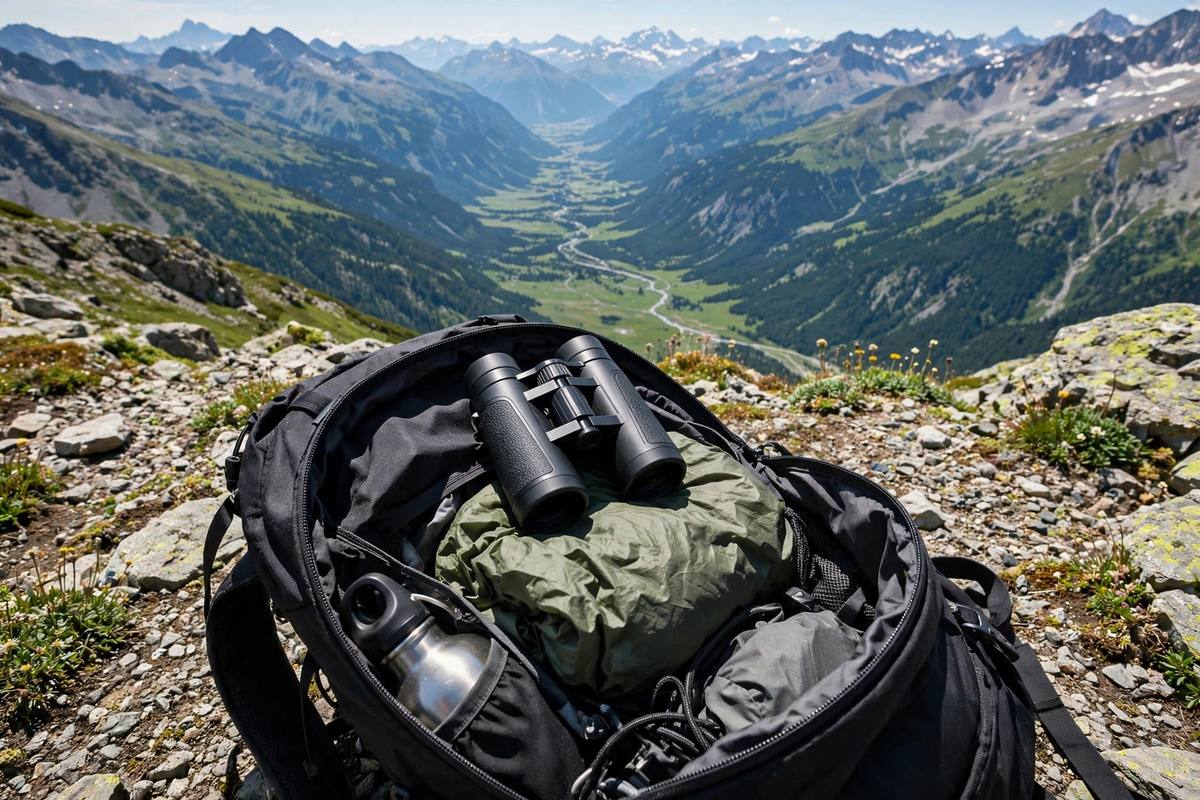
The Celestron Outland X 8×25 is the hiker’s answer to the compact question: small enough to live in a pack lid, tough enough to survive the trail, and optically honest about what a 25mm objective can do. The 8x magnification is the sweet spot for handheld stability, and Celestron pairs it with an impressively wide 8.2 degree field of view, about 430 feet at 1000 yards, which is generous for a pocket pair and makes scanning ridgelines and shorelines genuinely pleasant.
The build punches above the price class. Multi-coated optics with BaK-4 roof prisms deliver high resolution, high contrast views with good color fidelity, and the housing is waterproof, fogproof, and nitrogen purged, a level of sealing many compacts skip. Rubber armor protects against the inevitable drops and scrapes, large focus knobs make focusing easy even with gloves, and twist up eyecups let eyeglass wearers and non wearers alike find the full field of view. At about 10.6 ounces it disappears into a daypack, and a belt attachable carrying case keeps it handy on the trail.
The tradeoffs are the physics of small glass: a 3.1mm exit pupil and 10mm eye relief mean dusk performance is limited and the view is less forgiving of eye position than a full size pair. But as a second pair that is always with you, or a first pair for a young hiker, traveler, or sports fan, the Outland X 8×25 is one of the best binoculars values in the compact category and a proven name brand alternative to marketplace unknowns.
8. Adorrgon 12×42 HD Binoculars
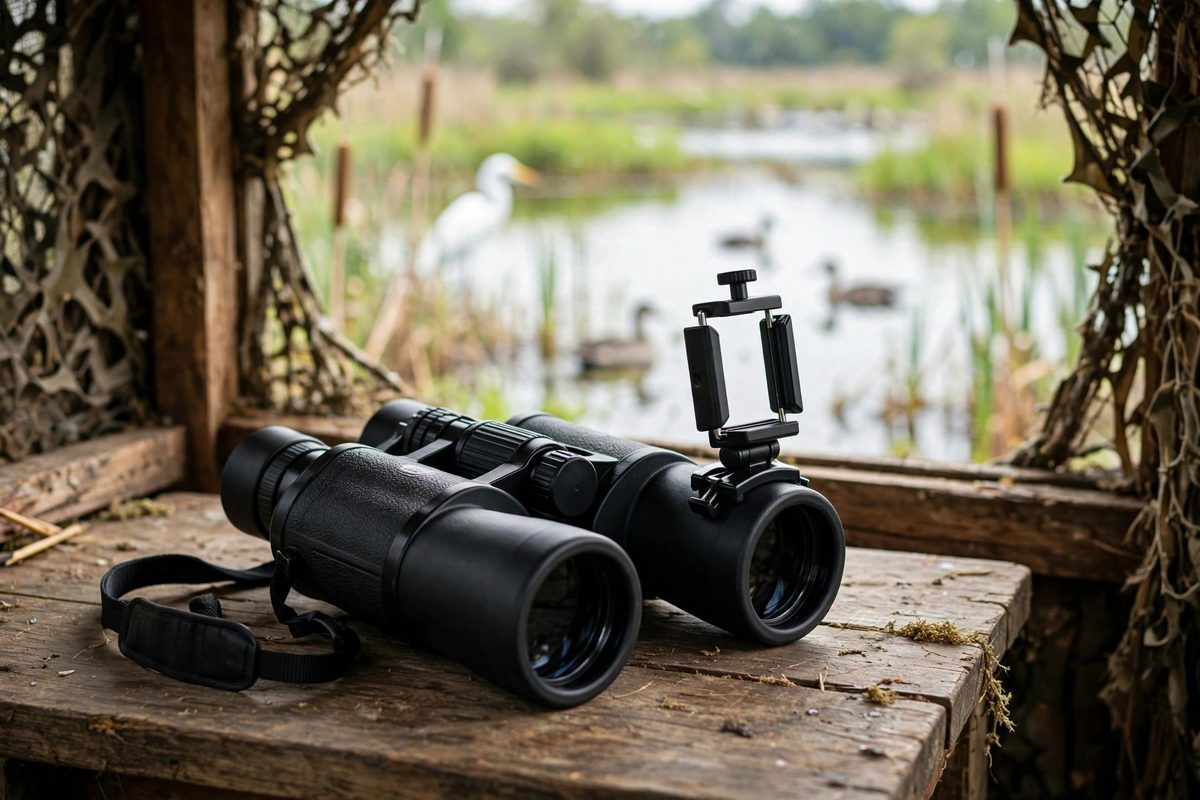
The Adorrgon 12×42 HD is the second marketplace brand on this list, and like the Occer it earns its spot with a spec sheet that overdelivers for the money. The headline is 12x magnification through full size 42mm objectives, a combination that gives you serious reach with enough glass to keep the image bright. A wide 367 foot field of view at 1000 yards is generous for 12x and helps with the tracking challenge that high magnification brings, while the large 18.5mm eyepieces make the view notably comfortable for a budget pair.
The optics use fully multi-coated lenses with BAK4 prisms, the body is waterproof with rubber armor for grip and shock resistance, and eye relief is a usable 10mm. Where Adorrgon really differentiates itself is the bundle: a smartphone adapter and a tripod come in the box, which solves the two biggest problems of 12x glass, handshake and sharing the view, in one stroke. Mount the pair on the included tripod, clip on your phone, and you are digiscoping birds and distant wildlife with gear that costs a fraction of a dedicated setup. A 2 year warranty backs the purchase.
Be realistic about what this is. Fit, finish, and long term durability will not match Vortex or Nikon, low light performance is decent rather than great, and 12x handheld takes practice. But for birders on a budget, concert goers, sports fans, and anyone curious about digiscoping without a big investment, the Adorrgon 12×42 HD is one of the best binoculars bargains going. As with the Occer, Adorrgon sells primarily through marketplaces with no official brand site, so buy from a reputable seller with a clear return policy.
9. Celestron SkyMaster 25×70 Binoculars
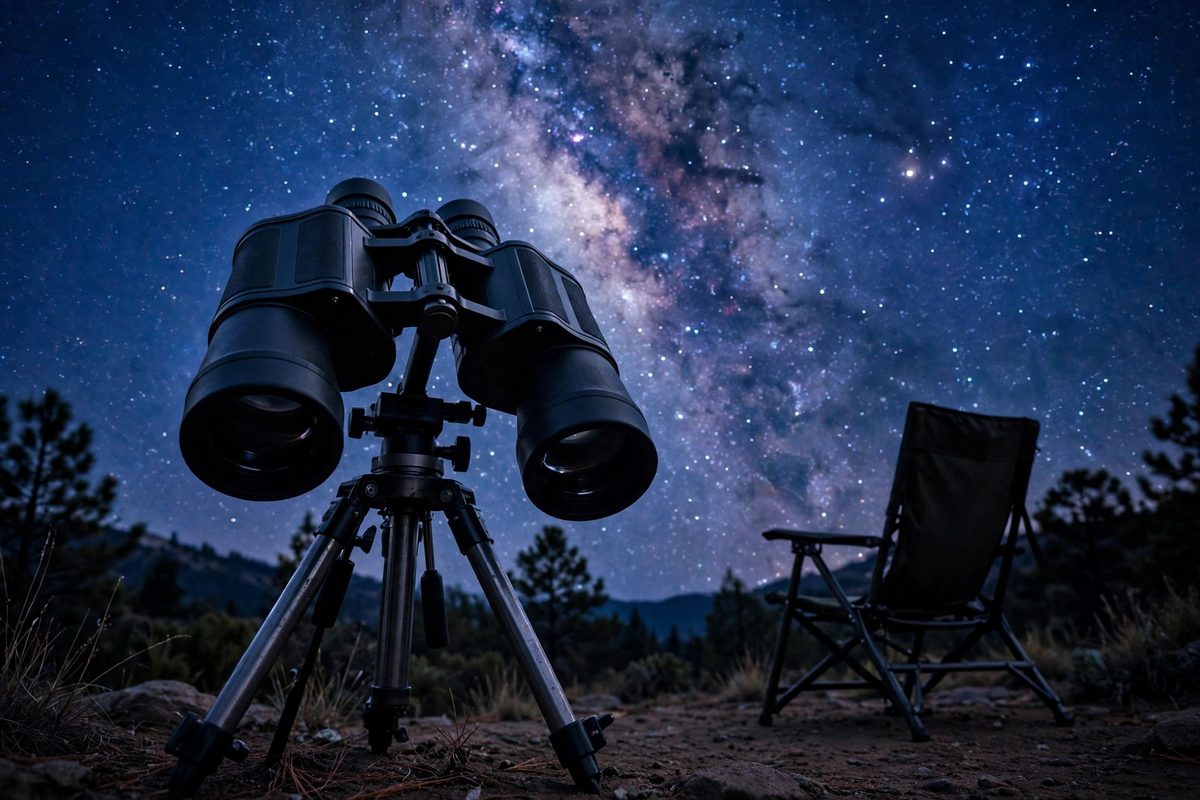
The Celestron SkyMaster 25×70 is the specialist of this list, and it does not pretend otherwise. With 25x magnification and enormous 70mm objectives in a classic porro prism body, this is an astronomy and extreme long range terrestrial optic, the kind of glass that shows you the moons of Jupiter, resolves star clusters, and pulls in mountain ridges from miles away. The multi-coated optics with BaK-4 prisms deliver sharp, high contrast views, and the 70mm objectives gather serious light for low light and night sky work. See the official Celestron page for the full specifications.
The numbers explain both the magic and the demands: a 2.7 degree field, 141 feet at 1000 yards, a 2.8mm exit pupil, 13mm of eye relief that works for eyeglass wearers, and a 75 foot close focus that confirms this is not a near subjects tool. At 52 ounces, nearly three and a quarter pounds, this is emphatically a tripod optic, and Celestron wisely includes a tripod adapter in the box along with a carrying case, rainguard, and lens covers. One honest caveat: the SkyMaster is water resistant, not nitrogen purged and fully waterproof, so treat it as fair weather glass and keep it out of real rain.
For the backyard astronomer or the long range spotter who wants maximum aperture per dollar, the SkyMaster 25×70 remains one of the best binoculars values in high power glass and a beloved classic for good reason. Just understand the assignment: tripod, clear skies, distant targets. Used that way, it delivers views that feel like they should cost far more.
10. Nikon PROSTAFF P3 8×42 Binocular
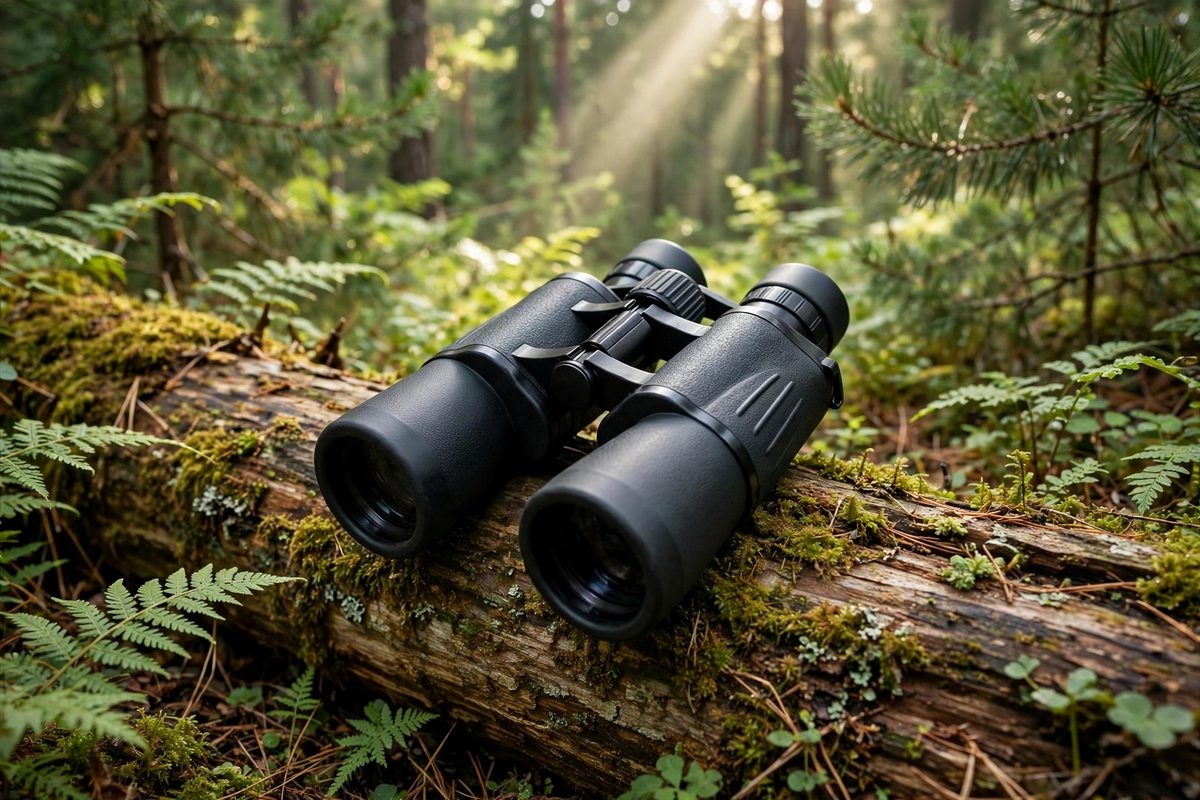
The Nikon PROSTAFF P3 8×42 closes this list as the evolution of Nikon’s award winning PROSTAFF 3S line, refined into one of the most comfortable 8x42s in its price class. The headline specs read like a birder’s wish list: a wide 377 foot field of view at 1000 yards, an extra long 20.2mm of eye relief that is genuinely luxurious for eyeglass wearers, and a 5.3mm exit pupil that keeps the view bright and easy as light fades. At 20.3 ounces it is also one of the lighter full size pairs here, a difference your neck will notice on mile eight.
Nikon’s optical recipe is distinctive: eco friendly lead and arsenic free glass with multilayer coatings that cut glare and lift contrast, plus a highly reflective silver alloy coating on the roof prism mirror surfaces that delivers more of the visible spectrum to your eyes. The housing is waterproof to 3.3 feet and nitrogen purged against fogging, wrapped in slip resistant rubber armor, with a fiberglass reinforced polycarbonate body that keeps weight down without feeling cheap. Adjustable eyecups and a 10 foot minimum focus distance round out a thoroughly modern package.
If your primary love is birding, hiking, or general nature watching rather than long range hunting, the PROSTAFF P3 8×42 may be the single best fitting pair on this list. The wide field finds birds fast, the long eye relief welcomes glasses, and the light weight means it actually comes along. It is a worthy finalist among the best binoculars of 2026 and proof that Nikon still knows exactly what outdoor watchers want.
Our Final Pick
If we had to hand one pair to the widest range of outdoor people, it would be the Vortex Optics Crossfire HD 10×42. It combines genuinely excellent HD glass, full weatherproofing, thoughtful field accessories like the GlassPak harness, and a price that stays within reach of real budgets. Hunters, birders, and general wildlife watchers will all find it capable, and it is the safest single recommendation among the best binoculars on this list.
That said, the right answer is personal. Dedicated birders should look hard at the Athlon Midas 8×42 for its huge field of view or the Nikon PROSTAFF P3 8×42 for its featherweight comfort and long eye relief. Budget hunters who want modern weather sealing should choose between the Bushnell Engage X and Prime 10×42 based on whether they wear glasses. Travelers and concert goers will be happiest with the Occer 12×25 or Celestron Outland X 8×25, stargazers need the Celestron SkyMaster 25×70 on a tripod, and bargain digiscopers should grab the Adorrgon 12×42 HD. Match the glass to the mission and you cannot go far wrong.
Frequently Asked Questions
What do the numbers in binocular specifications mean?
The two numbers, like 10×42, are magnification and objective lens diameter in millimeters. The first number tells you how many times closer a subject appears: 10x makes a deer at 100 yards look like it is at 10. The second is the diameter of the front lenses, which largely decides light gathering: bigger objectives mean brighter views in low light but more weight. The best binoculars balance these two numbers against your actual use, which is why 8×42 and 10×42 dominate outdoor lists.
Is 8x or 10x magnification better for birding?
Most experienced birders prefer 8x for general use. The wider field of view makes finding birds faster, the image is steadier in hand, and the larger exit pupil gives brighter views in dim woods. Ten power shows more feather detail at distance but demands steadier hands and narrows the view. If you are choosing your first serious birding pair from the best binoculars above, the 8×42 options from Athlon and Nikon are the friendlier starting point.
How important is waterproofing in binoculars?
Very, if you use them outdoors in real weather. Waterproof and fogproof construction with nitrogen or argon purging keeps rain out and prevents the internal fogging that ruins a view when temperatures swing. Ratings like IPX7 mean the optic survives real submersion. For fair weather backyard use it matters less, but for hunting, hiking, and boating it is one of the first specs to check.
Do I need a tripod for high magnification binoculars?
Above about 12x, yes, for any serious viewing. Handshake is magnified along with the image, so 15x, 20x, and 25x glass like the SkyMaster needs a tripod to show what it can do. Even 10×42 pairs benefit from a tripod or window mount during long glassing sessions, which is why tripod adaptability is a valued feature. The Adorrgon 12×42 wisely includes a tripod in the box for exactly this reason.
Can I wear eyeglasses while using binoculars?
Absolutely, if you choose a pair with enough eye relief. Look for at least 15mm, and 17mm or more is genuinely comfortable: the Bushnell Prime at 19mm, the Nikon PROSTAFF P3 at 20.2mm, and the Occer at 20mm all welcome glasses. Twist up eyecups let you set the perfect distance, while older folding rubber eyecups are less adjustable. Keep your glasses on and set the eyecups to their lowest position.
What other gear pairs well with binoculars for outdoor trips?
Binoculars shine as part of a complete field kit. A comfortable pack to carry them, a tripod or window mount for long glassing sessions, a lens cloth and rainguard for weather, and a harness instead of a neck strap for all day comfort all make a real difference. For the rest of your kit, the <a href=”https://dixtrick.com/10-best-coolers-2026/”>outdoor gear guides on DixTrick</a> cover camp essentials in the same honest style as this best binoculars ranking.
The Bottom Line
The best binoculars are the ones matched to your mission and tough enough to come along every time. The Vortex Crossfire HD 10×42 is our overall pick for its rare blend of optical quality, weatherproofing, and value, while the Athlon Midas and Nikon PROSTAFF P3 serve dedicated birders, the Bushnell Engage X and Prime serve hunters, the compacts serve travelers, and the SkyMaster serves the night sky. There is no single perfect pair, only the right pair for how you spend your time outside.
Whichever you choose, buy from a reputable seller, verify the exact model number before ordering, and give yourself a few outings to learn the focus and fit. Good glass rewards patience: the more you look, the more the wild shows you. We will keep this ranking updated as manufacturers refresh their lines, so the best binoculars of 2026 stay current all year.