
10 Best Blues Guitars for 2026 – Honest Buying Guide
Introduction
Blues guitar is not about owning the most expensive instrument in the room. It is about touch, phrasing, and a guitar that answers every small movement of your hands with honest tone. A great blues guitar lets you whisper on the neck pickup and snarl on the bridge without touching a knob, holds tuning through an hour of hard bending, and feels like it was built for the slow grind of a twelve bar groove.
This guide ranks the 10 best blues guitars you can buy in 2026, from working player instruments to lifetime dream guitars. Every pick below is a real production model you can walk into a shop and try today. We focused on how each guitar behaves in actual blues playing situations: thick rhythm chords behind a singer, articulate single note leads, and that singing midrange sustain that makes a solo cry instead of shout. There are no sponsored placements here and no made up specs, just the instruments blues players keep coming back to, in the exact order our sheet called for. If you want more gear rankings done the same honest way, you can find them at DixTrick.
Whether you lean toward the fat warmth of a semi hollow, the cutting sparkle of a Strat, or the thick punch of a Les Paul, one of these ten will fit your hands and your budget. Let us get into it.
How We Chose the 10 Best Blues Guitars Options
Picking the best blues guitars means looking past marketing and asking what actually matters when the band starts playing. We judged every guitar against the same practical criteria, then kept only the ones that earn their place through real world blues playing:
- Core blues tone: Does the guitar deliver the warm mids, vocal sustain, and touch sensitivity that define classic blues sounds, both clean and pushed through a tube amp?
- Playability under pressure: Can you bend, vibrate, and slide comfortably for a full set? Neck shape, fretwork, and tuning stability matter more than finish here.
- Versatility across blues styles: Chicago grit, Texas sting, Delta growl, and smooth jazz blues all ask different things. The best picks cover more than one lane.
- Build quality for the money: Every guitar on this list has to justify its price tag with fit, finish, and hardware that hold up over years of playing.
- Honest character: We favored instruments with a recognizable voice and real history in blues, not generic guitars dressed up with a blues label.
Table of Contents
1. Gibson Original ES-335
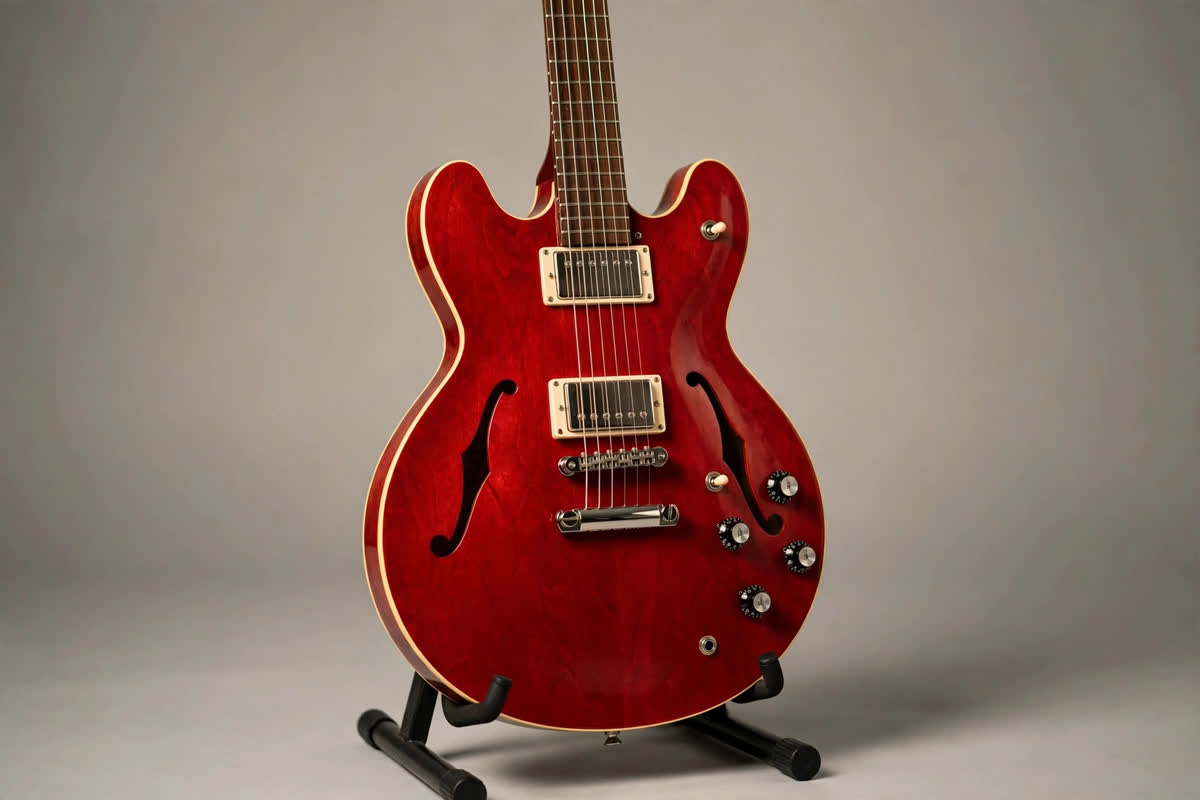
The Gibson Original ES-335 is the definitive semi hollow blues guitar, and it has held that title since 1958. The thin body with a solid maple center block gives you the airy warmth of a hollow body without the feedback problems that plague fully hollow guitars on a loud stage. Current Original Collection models carry calibrated T-Type humbuckers with hand wired controls, and the result is a voice that sits perfectly in a blues mix: fat on the neck pickup for slow ballads, articulate and punchy on the bridge for uptempo shuffles.
This is the guitar for players who want one instrument that covers traditional blues and soul jazz leaning blues with equal ease. The 24.75 inch scale keeps string tension slinky for wide bends, and the double cutaway gives easy access to the upper frets for solos that climb into the high register. If your setlist jumps from a slow minor blues to a funky groove, the ES-335 shifts gears without sounding out of place.
The honest caveats are real. The body is large and the guitar is not light, so smaller players should try it on a strap before committing. Nitrocellulose lacquer finishes need a little more care than poly finishes, and this is a serious investment level instrument. It will never be a budget choice, but it holds its value and its place in blues history.
- Best for: Players who want the classic semi hollow blues voice for gigging and recording.
- Look for: Comfortable weight on your strap, clean fretwork along the binding, and a neck pickup that stays warm without turning muddy.
- Keep in mind: Large body size and premium pricing put it out of reach as a casual first electric.
2. Yamaha Revstar Element RSE20
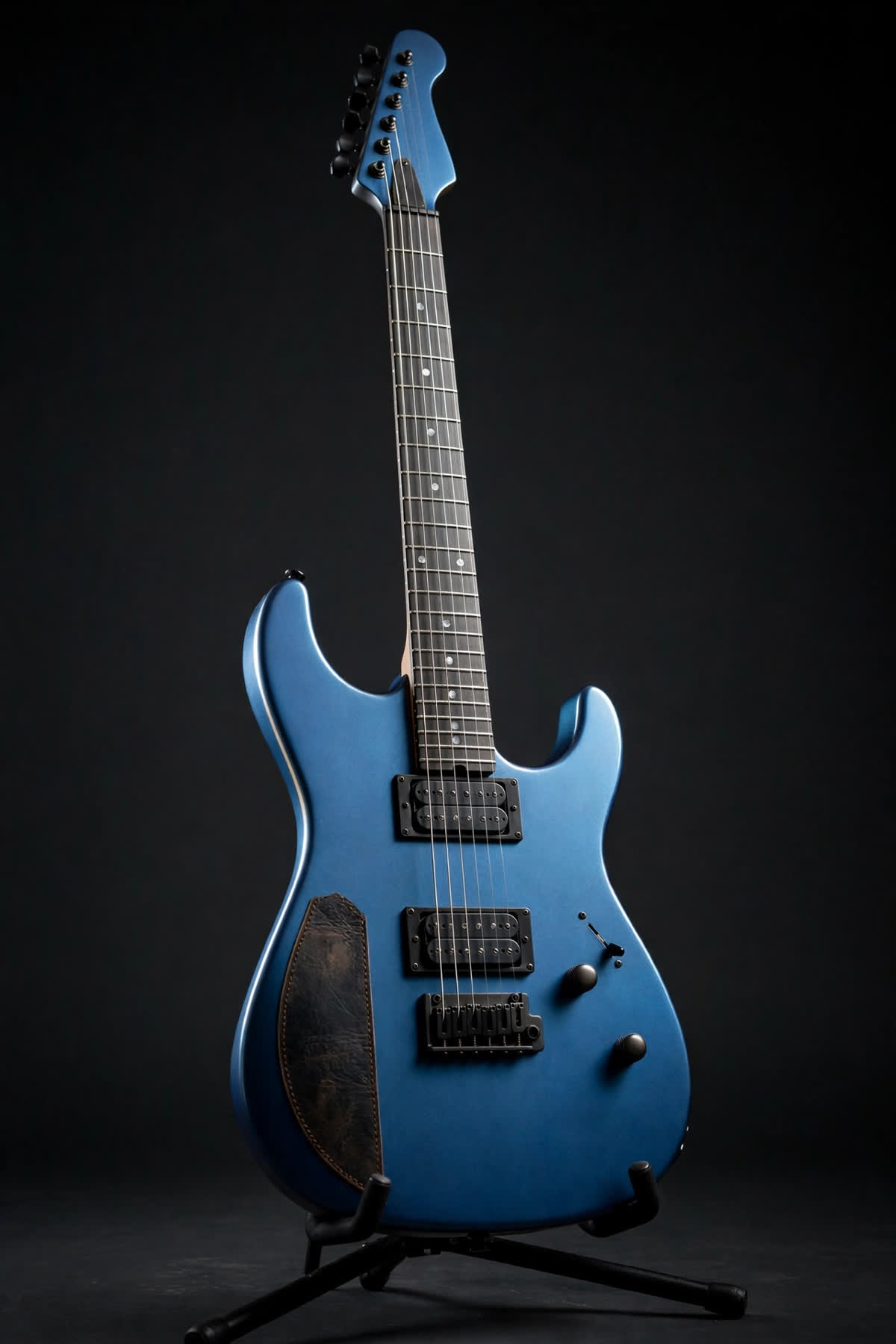
The Yamaha Revstar Element RSE20 proves you do not need a vintage pedigree to earn blues credibility. The chambered mahogany body keeps it light and resonant, and the pair of Alnico V humbuckers deliver a thick, midrange forward punch that drives a tube amp beautifully. The push pull Dry Switch high pass filter is genuinely useful for blues, rolling off low end mud so your rhythm chords stay defined even at stage volume.
This guitar suits the modern blues player who wants one workhorse for clubs, rehearsals, and sessions. The 24.75 inch scale and jumbo frets make bending effortless, and the set neck with a smooth heel gives easy access up the board. At its price point it is one of the most comfortable and best equipped guitars you can buy for contemporary blues and blues rock.
Honest caveats: the cafe racer styling divides opinion, and it does not carry the vintage aura or resale story of an American classic. The control layout is simple, which some players love and some find limiting when they want separate volume and tone per pickup. It is a practical tool rather than a romantic one, and there is nothing wrong with that.
- Best for: Gigging players who want a light, versatile, and affordable modern blues guitar.
- Look for: A good setup out of the box, the Dry Switch engaged for rhythm clarity, and comfortable strap balance with the chambered body.
- Keep in mind: Styling is polarizing and it lacks the collector appeal of vintage brand guitars.
3. Fender American Vintage II 1957 Stratocaster
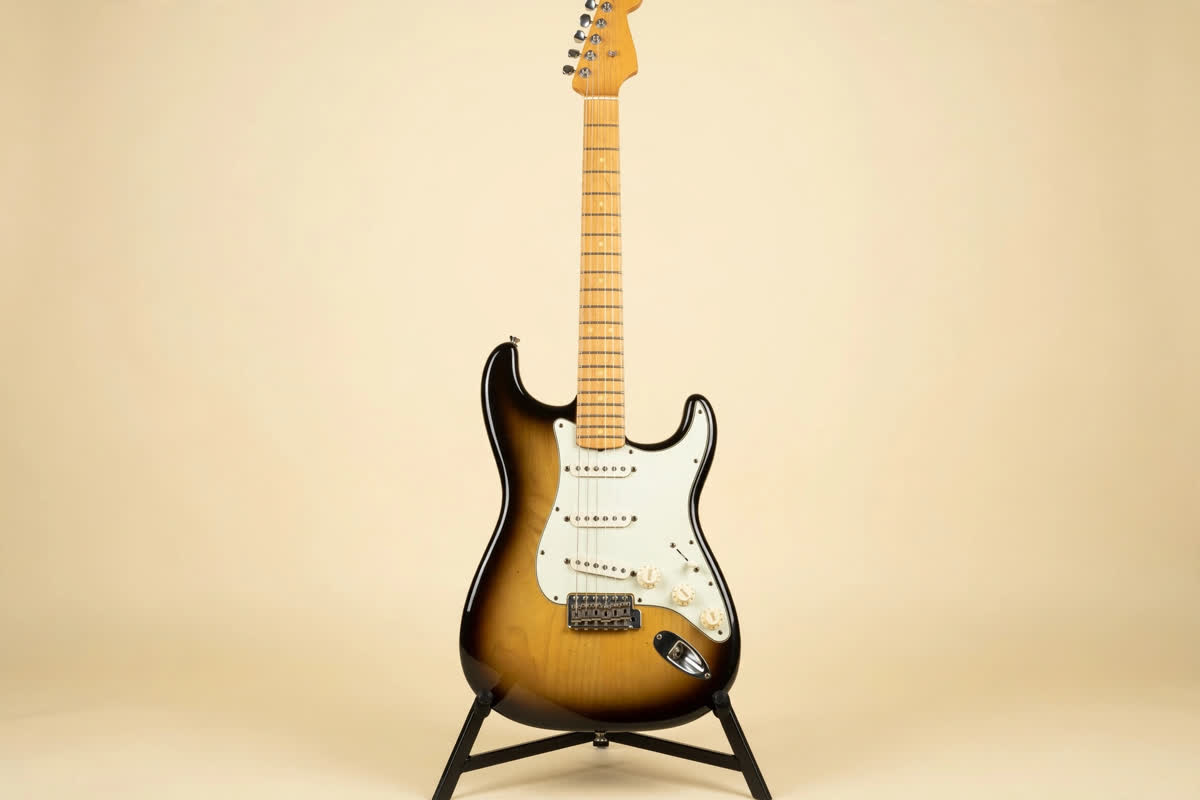
If the blues has a national anthem, it was probably played on a Stratocaster. The Fender American Vintage II 1957 Stratocaster recreates the pre CBS era instrument that defined Texas and Chicago blues tone for generations. The trio of Pure Vintage 57 single coils delivers the glassy neck pickup tone, the quack of the in between positions, and a bridge pickup that cuts through any band without sounding harsh. The ash or alder body and nitro finish give notes a lively, open quality that players call woody and alive.
This is the guitar for the player chasing that singing, touch sensitive Strat blues voice: think dynamic single note lines, aggressive string attack, and chords that shimmer. The soft V neck profile and 7.25 inch fingerboard radius feel like a time machine to 1957, and the synchronized tremolo adds the subtle shimmer that vintage blues Strat players use for expression rather than dive bombs.
The caveats are about the vintage brief itself. The 7.25 inch radius can fret out on very high bends if the action is set low, so it rewards players who set it up with blues appropriate action. It is a premium priced American instrument, and the nitro finish will wear and age with use, which vintage fans see as a feature but some buyers do not expect. If you need modern playability more than vintage soul, look at the Vintera options further down.
- Best for: Players who want the definitive vintage Strat blues tone and feel.
- Look for: A setup with slightly higher action for clean bends, and the in between pickup positions for classic Strat quack.
- Keep in mind: Vintage radius and premium price; the nitro finish ages with playing.
4. Gibson Custom Shop 1959 Les Paul Standard
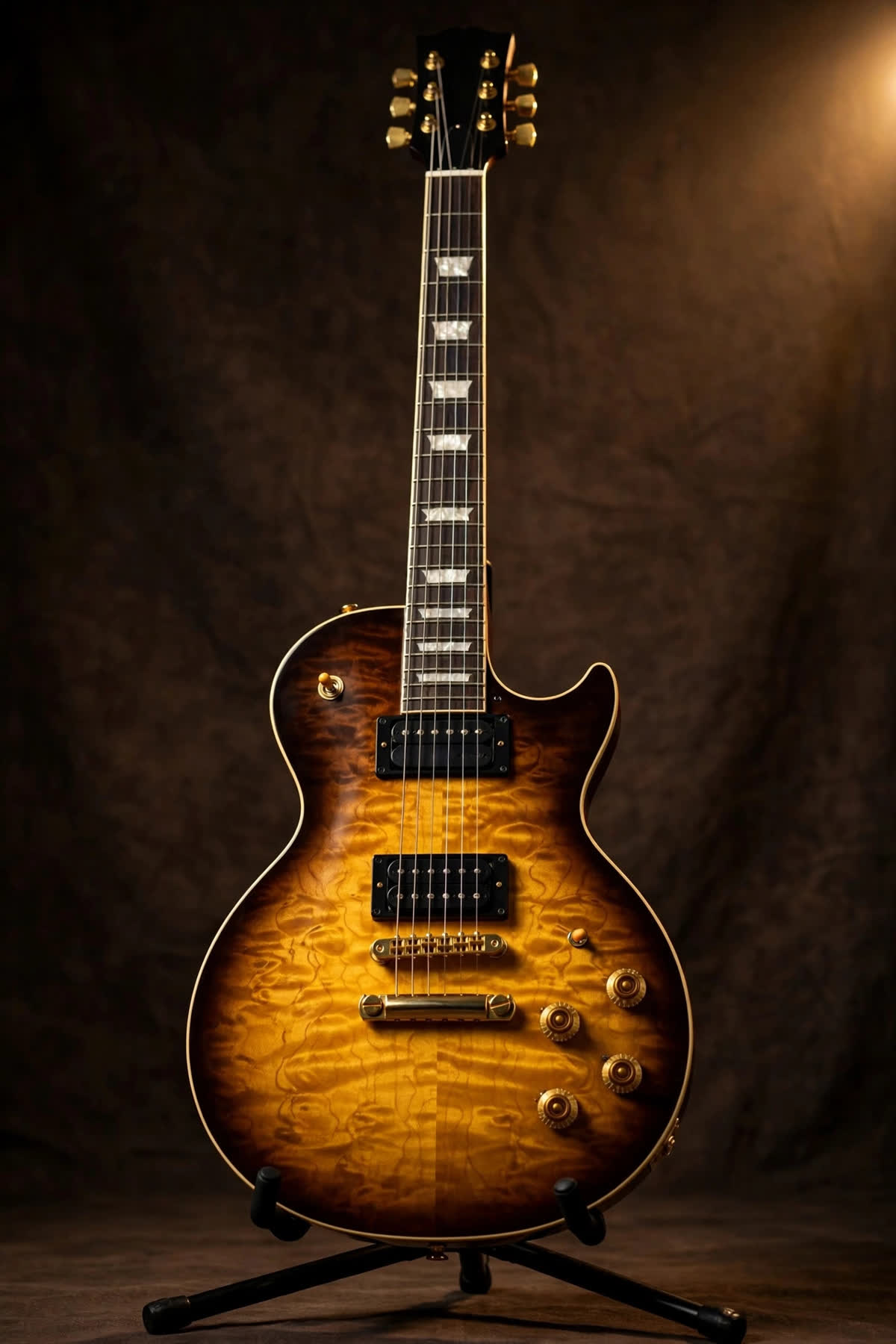
The Gibson Custom Shop 1959 Les Paul Standard is the holy grail guitar for countless blues players, and the reissue captures why. A lightweight mahogany body with a carved figured maple top, a long neck tenon fitted with hide glue, and unpotted CustomBucker humbuckers built to vintage PAF spec produce the thickest, most vocal lead tone in this entire list. Notes bloom and sustain in a way that makes slow blues solos feel effortless, and the middle position has a woody clarity that rhythm players love.
This is a lifetime instrument for the serious blues player who has dreamed of a real 59 style Les Paul. It excels at the singing, violin like sustain of British blues and the fat, rounded attack of American electric blues. The VOS nitro finish and historically accurate hardware make it feel like an old friend from the first chord, and Custom Shop build quality is a genuine step above the regular production line.
The caveat is obvious and should not be downplayed: this is the most expensive guitar on this list by a wide margin. It is a luxury purchase, not a value pick, and its weight and vintage spec neck will not suit every player. For most blues players, the regular Gibson USA models or the Epiphone 1959 Standard below deliver the same family of tone for far less money. This one is for the player who wants the very best and knows it.
- Best for: Serious collectors and professionals who want the ultimate vintage spec Les Paul blues tone.
- Look for: A lively, resonant body unplugged, which is the best predictor of a great Les Paul.
- Keep in mind: Very high price and substantial weight; tone value exists further down this list.
5. Fender Mike Campbell Red Dog Telecaster
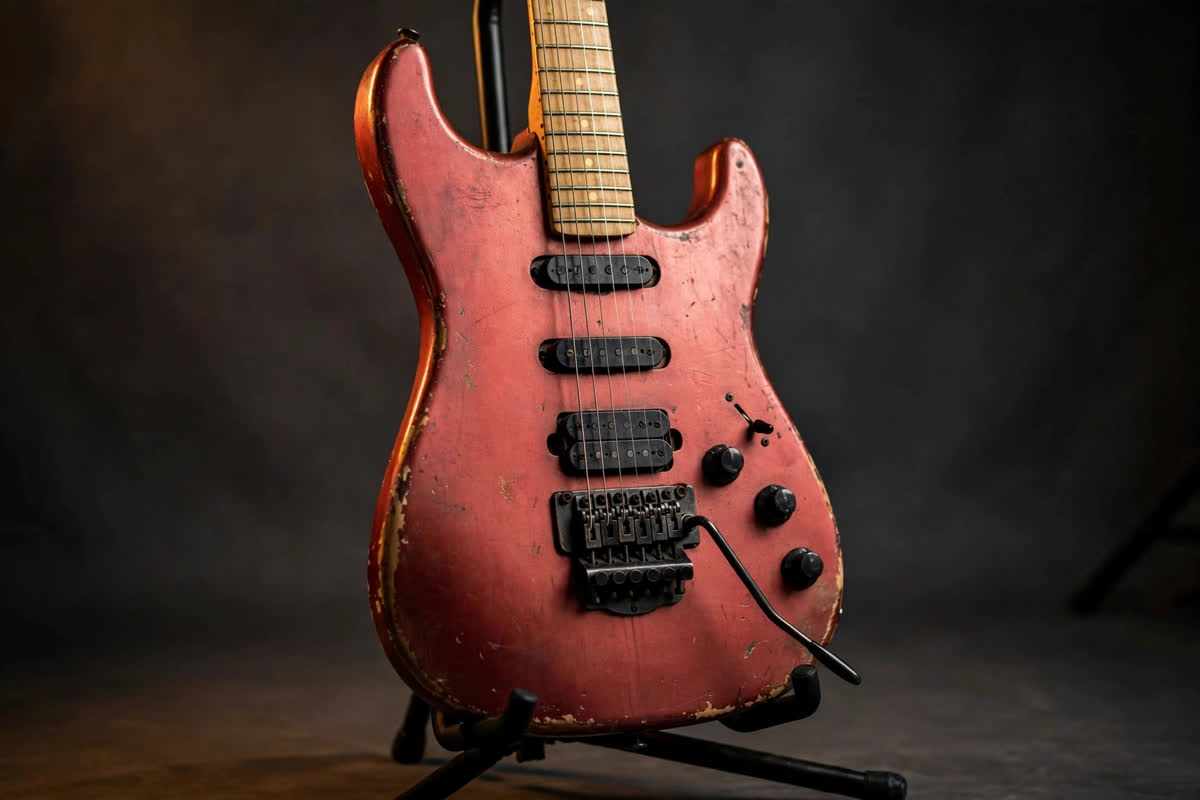
The Fender Mike Campbell Red Dog Telecaster is the wildcard on this list, and it earns its place through sheer musical personality. Built around the Heartbreakers guitarist’s famous modified 1972 Tele, it pairs an alder body and an early 70s C shaped maple neck with a custom three pickup set: a Tele style bridge single coil plus two vintage inspired humbuckers. A Bigsby B5 vibrato and the switchable onboard Destruct boost circuit, a nod to Campbell’s own mod, give you textures no standard Tele can touch.
For blues players, the magic is in the middle ground between a Tele and a Gibson. The humbuckers give you thick, singing lead tones for solos, while the bridge single coil keeps the classic Tele snap for rhythm work. The Destruct boost is perfect for stepping forward in a solo without changing your amp settings, which is exactly how Campbell used it on stage for decades.
Honest caveats: this is an artist signature model with a premium price, and the aged Heirloom nitro finish is a love it or hate it aesthetic. The Bigsby adds expressive vibrato but needs more tuning attention than a hardtail, and the SHH layout will not satisfy a Tele purist who wants the traditional two pickup sound. It is a character piece, and character pieces are not for everyone.
- Best for: Blues players who want Tele snap plus humbucker muscle and a story in one guitar.
- Look for: The Destruct boost engaged for solos, and smooth Bigsby action without tuning drift.
- Keep in mind: Premium artist model pricing and Bigsby maintenance; not a traditional Tele.
6. Epiphone USA Casino
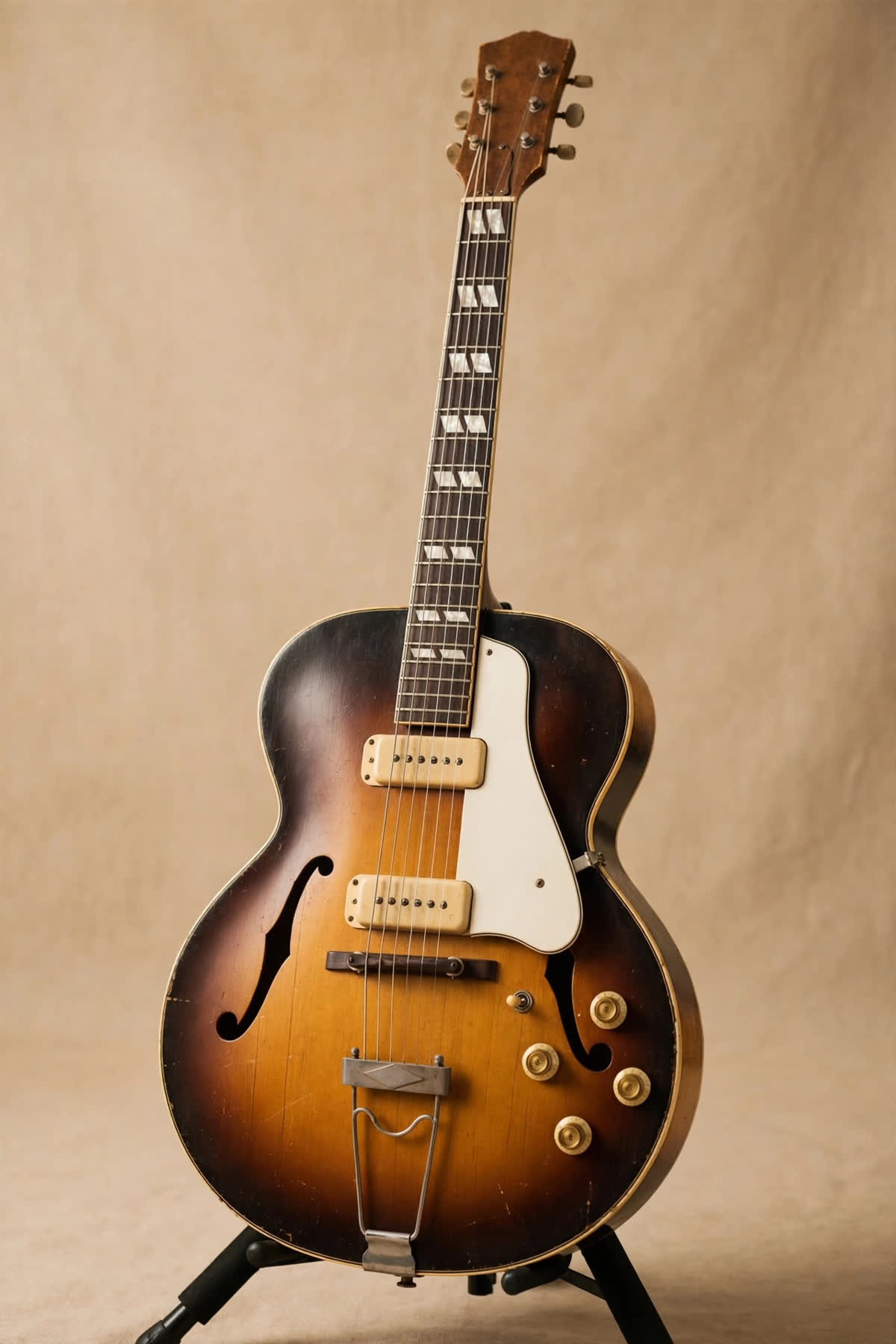
The Epiphone USA Casino brings the fully hollow P90 blues voice back to American production, and it is glorious for raw, jangly, aggressive blues. Unlike the semi hollow guitars on this list, the Casino has no center block, so the whole body breathes. The pair of Gibson USA P90 dogear pickups bark with a midrange growl that humbuckers cannot imitate, and hand wired electronics with Orange Drop capacitors keep the tone controls musical across their range.
This is the guitar for players who want attitude: garage blues, British Invasion bite, and the kind of cutting rhythm tone that sits above a loud band. It is light, loud unplugged, and it feeds back in the musical, controllable way that blues players use as an effect rather than fight. If your blues leans rowdy rather than polished, the Casino is one of the most fun guitars here.
The caveats come with the hollow design. At high gain or high volume it will feed back if you are not managing your position relative to the amp, which takes experience. It is also priced well above the import Casino models, so you are paying a real premium for USA construction, nitro finish, and American P90s. Try before you buy if you have never owned a fully hollow electric.
- Best for: Players who want raw P90 bite and hollow body character for gritty blues and rock.
- Look for: P90s that snarl without excessive hum, and comfortable balance on a strap for long gigs.
- Keep in mind: Fully hollow body needs feedback management; premium over import Casinos.
7. Epiphone 1959 Les Paul Standard
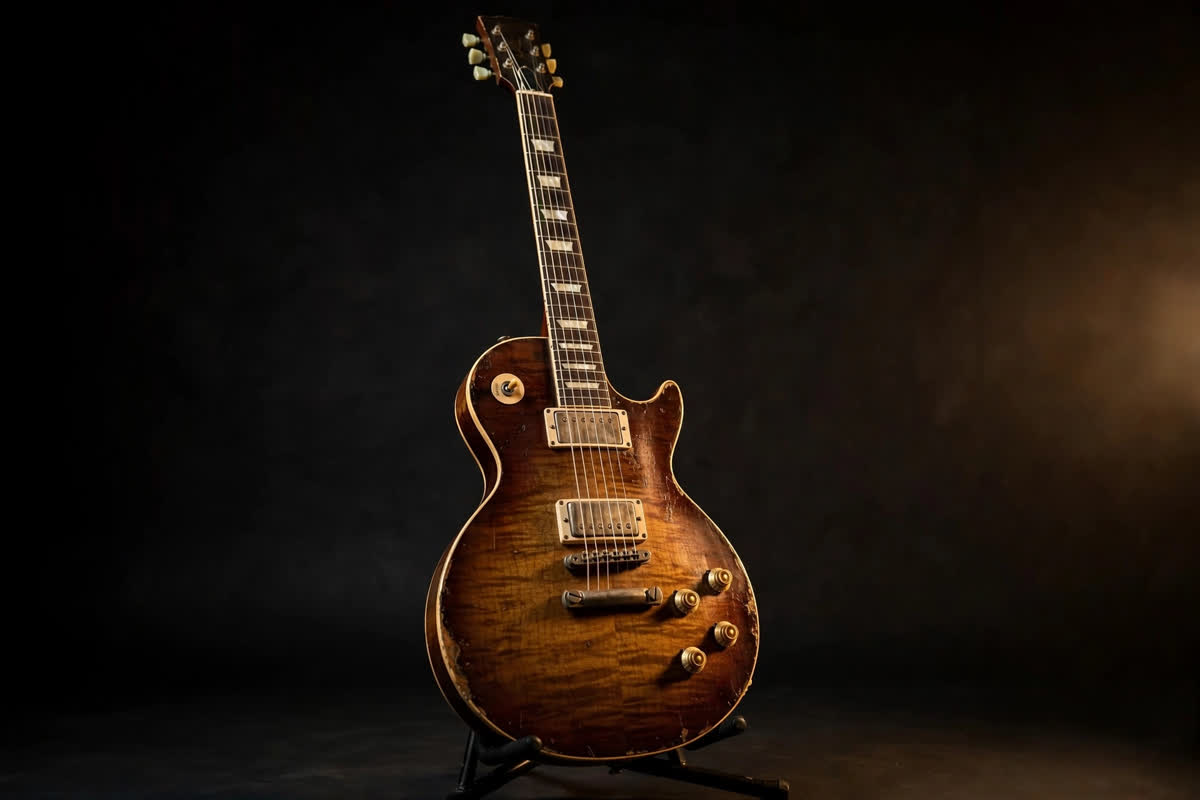
The Epiphone 1959 Les Paul Standard is the smartest way to get the 1959 Les Paul blues experience without the Custom Shop price. Developed with the Gibson Custom Shop, it pairs a mahogany body and carved maple top with AAA figured veneer, a comfortable 1959 rounded neck with a long tenon, and genuine Gibson humbuckers. The 50s era wiring with CTS pots and Mallory capacitors gives the volume and tone controls the smooth, usable taper that vintage style players demand.
For blues, it delivers the thick humbucker sustain and vocal midrange that made the Les Paul a blues icon, with enough openness in the pickups to keep chords clear. It is an ideal guitar for the player who loves the Les Paul sound and feel but wants to keep the budget in the real world. The aged finish and vintage style case complete a package that feels far more expensive than it is.
Honest caveats: this has been released as a limited edition collaboration, so availability comes in waves and you may need to hunt for your preferred finish. Individual guitars can be on the heavier side, so check the weight if you gig standing up. And while the pickups are excellent, pickup snobs will note they are production Gibson units rather than hand wound Custom Shop pieces, which is fair at this price.
- Best for: Players who want authentic 59 style Les Paul blues tone on a sensible budget.
- Look for: A resonant example with a comfortable neck, and a finish you love since you will keep it.
- Keep in mind: Limited edition availability and variable weight between individual guitars.
8. Fender Vintera ’60s Stratocaster
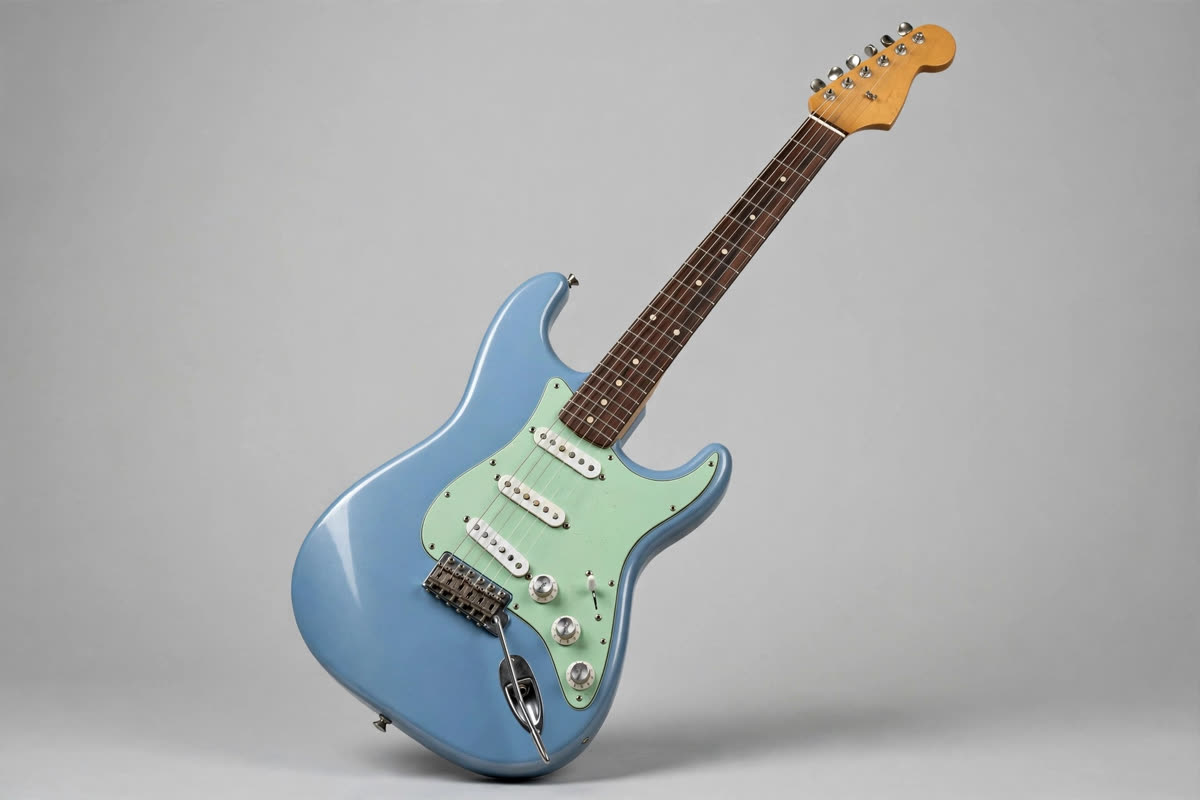
The Fender Vintera ’60s Stratocaster brings vintage 1960s Strat character to the mid price range. With an alder body, a period correct mid 60s C shaped neck, and vintage style 60s single coil pickups, it delivers the bell like clarity and dynamic response that defined the blues of that era. The larger 60s headstock and vintage style synchronized tremolo complete the look and feel that players associate with the golden age of the Strat.
This is the sweet spot for the blues player who wants genuine Fender vintage flavor without paying American Vintage money. It handles the full range of Strat blues, from clean chord melody work to overdriven lead lines, and the 7.25 inch radius board gives authentic vintage feel for players who like to dig in. For the money, it is one of the most satisfying Strats you can buy for blues.
The honest caveats: the Vintera line has moved on to the Vintera II series, so new old stock and used examples are what you will mostly find, which means checking condition matters. The polyester body finish is durable but does not age like nitro, and the vintage style frets and radius are authentic but not as effortless for modern bending technique as a flatter board. Know what vintage spec means before you buy.
- Best for: Players who want vintage 60s Strat blues tone at a mid level price.
- Look for: Clean fret ends and smooth tremolo action, especially on used examples.
- Keep in mind: Superseded by Vintera II, so buy from current stock or inspect used guitars carefully.
9. Harmony Jupiter
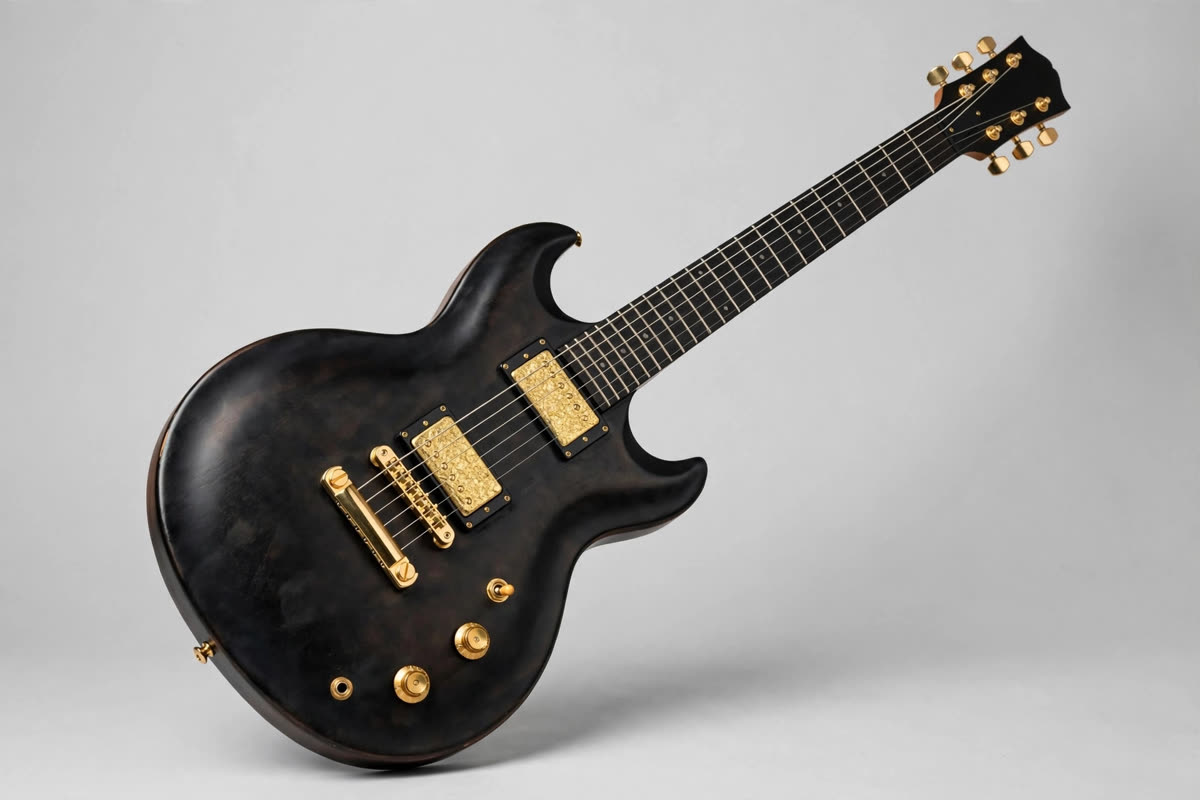
The Harmony Jupiter is the most distinctive voice on this list, a modern American built original that does not copy anyone. The genuine mahogany body with soft contoured edges and an armrest cutout feels immediately comfortable, and the custom gold foil humbuckers deliver a sound with unusual clarity and balance: articulate like a single coil but with humbucker body. A 25 inch scale sits between Gibson and Fender feel, and locking tuners plus nitrocellulose lacquer round out a premium build.
For blues players bored of the same three guitars, the Jupiter offers a fresh tonal lane. The gold foils respond beautifully to picking dynamics, cleaning up when you play soft and pushing forward when you dig in, which is exactly the touch sensitivity blues demands. It records wonderfully and stands out on stage without looking like a costume.
Honest caveats: the gold foil voice is not traditional, so players chasing a classic PAF or Strat sound should look elsewhere on this list. It is a premium priced USA instrument from a revived heritage brand, and resale value is less established than the big names. The bolt on neck and minimalist controls are practical choices, but vintage purists may miss the set neck and separate tone controls of a Gibson style layout.
- Best for: Adventurous blues players who want a unique, touch sensitive American made voice.
- Look for: The dynamic response of the gold foils and the comfort of the contoured body.
- Keep in mind: Non traditional tone and premium price with less established resale.
10. Squier Classic Vibe ’50s Telecaster
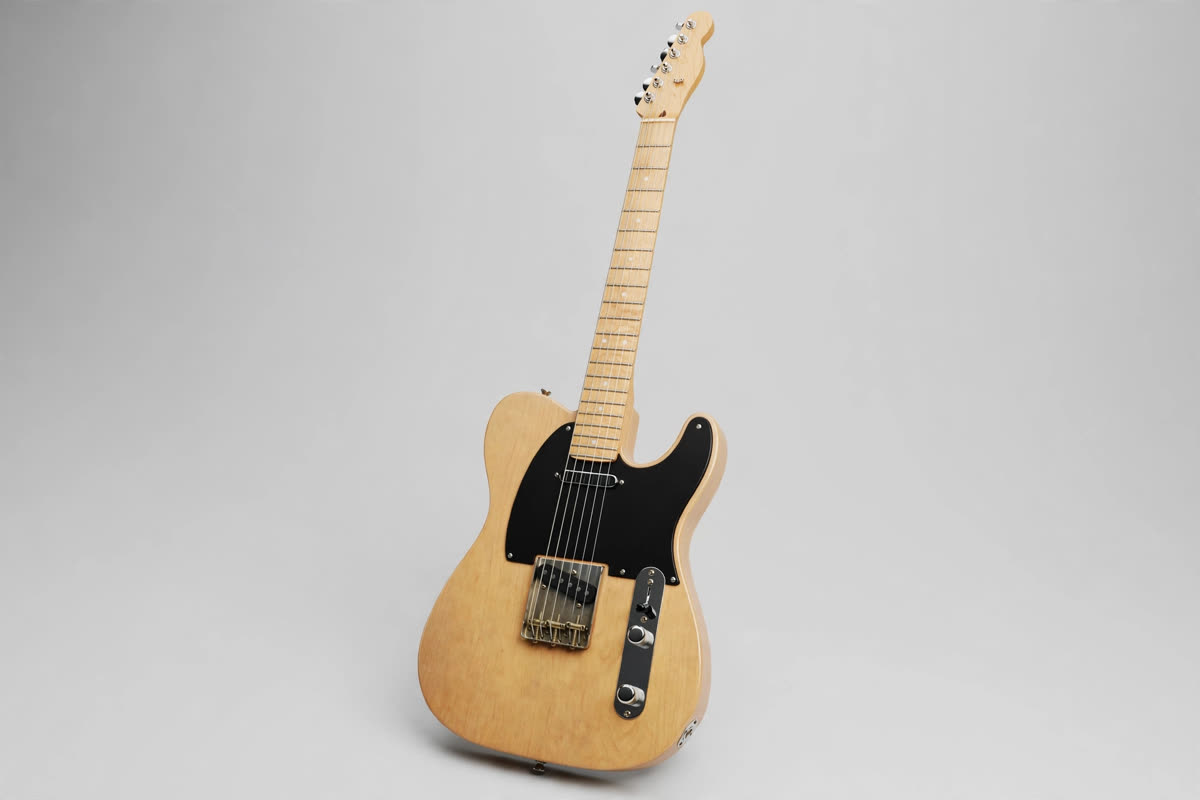
The Squier Classic Vibe ’50s Telecaster is proof that great blues tone does not require a big budget. The pine body, maple neck, and Fender designed alnico single coils capture the fundamental Tele character: a biting bridge pickup for cutting rhythm and leads, and a warm, round neck pickup that handles jazzier blues beautifully. The vintage style three saddle bridge and string through body design give it the classic Tele snap and sustain that recording engineers love.
This is the guitar for beginners, backup guitar duty, and anyone who wants an honest working instrument. It takes to modifications well, holds its own on stage with a good setup, and the 9.5 inch radius with narrow tall frets is comfortable for modern playing styles. Many professional blues players keep a Classic Vibe as a gigging spare because it simply works.
Honest caveats: quality control varies more than on premium instruments, so play the exact guitar you buy or budget for a professional setup. The pine body and import hardware will not feel as refined as a USA Fender, and no case or bag is included. But as a tone per dollar proposition for blues, nothing else on this list touches it.
- Best for: Beginners, gigging spares, and anyone who wants maximum blues tone per dollar.
- Look for: Straight neck, level frets, and pickups that sound balanced across all three positions.
- Keep in mind: Variable quality control; budget for a professional setup if needed.
Final Pick
If we had to choose one guitar that captures everything blues asks for, the Gibson Original ES-335 takes it. It is the rare instrument that sounds right in every blues style, stays feedback resistant on loud stages, and rewards a lifetime of playing with tone that keeps opening up. The 1957 Stratocaster is the choice for single coil purists, and the Custom Shop 1959 Les Paul is the dream for those with the budget, but the ES-335 is the most complete blues guitar here.
On a budget, the ranking shifts but the logic stays the same: the Squier Classic Vibe ’50s Telecaster and the Yamaha Revstar Element RSE20 deliver genuinely professional blues tones for a fraction of the cost, and the Epiphone 1959 Les Paul Standard is the value king of the humbucker world. Pick the guitar that matches your hands and your wallet, then spend the rest on practice time. For more rankings built the same honest way, browse the full collection at DixTrick.
Frequently Asked Questions
The Bottom Line
The 10 best blues guitars of 2026 span every budget and every corner of the blues tradition, from the workhorse Squier to the dream machine Custom Shop Les Paul. There is no wrong answer on this list, only the guitar that fits your hands, your ears, and your music. Trust your touch, play before you pay when you can, and remember that the blues has always been about the player more than the price tag.