
10 Best Combo Amps for Gigging and Practice 2026
Ask any guitarist what shaped their sound more than anything else and most will point to their amp before their guitar. The combo amp is the workhorse of the electric guitar world: speaker and amplifier in one box, ready to play the moment you plug in. Whether you are loading into a club for a gig or turning down low for late night practice, the best combo amp is the one that sounds inspiring at whatever volume the moment demands.
Choosing from the best combo amps is really about matching the amp to your life as a player. A 40 watt tube combo can be glorious on stage and a menace in an apartment. A compact modeling combo can whisper at bedroom volume and still fill a rehearsal room. Wattage, speaker size, tube versus digital, channels, weight, and how the amp behaves with your pedals all matter more than any spec sheet suggests. This guide reviews 10 real, current combo amps that working players actually use, so you can find the best combo amp for the way you play.
We kept this list honest and practical. Every amp below is a genuine current product from a major manufacturer, covering tube, analog, and digital designs at a range of sizes and prices. You will find no purchase links here, only straightforward reviews of what each amp does well, where it shines, and what to watch out for. For more honest gear roundups like this one, you can always browse the latest buying guides on DixTrick.
Introduction to Combo Amps
A combo amp combines the amplifier and the speaker in a single cabinet. The most common layout is a 1×12: one 12 inch speaker in a cabinet that is big enough to sound full but small enough to carry with one hand. Combo amps dominate backlines and bedrooms alike because they remove the guesswork. There is no matching a head to a cabinet, no extra speaker cable to forget, and most modern combos include everything from reverb and effects loops to direct outputs for recording.
When players talk about the best combo amp for gigging, they usually mean enough clean headroom to be heard over a drummer, a master volume that stays musical, and an amp that does not break your back on the stairs. For practice, the priorities shift to great sound at low volume, a headphone output or built in attenuation, and onboard effects so you can explore sounds without a full pedalboard. The best combo amps on this list cover both ends of that spectrum, and several handle both jobs gracefully.
How We Chose the 10 Best Combo Amps
We built this list around the way combo amps are actually used. Each amp was evaluated against six practical criteria, and only the best combo amps across the board made the cut.
- Honest tone: the amp has to sound like itself, not like a compromise. We favored amps with a clear sonic identity, whether that is glassy cleans, midrange roar, or convincing digital models.
- Gig ready power: a gigging combo needs enough volume and headroom to hold its own in a band mix, with a master volume that stays musical rather than harsh.
- Bedroom usability: the best combo amp for many players is one that also sounds good quietly. We looked for built in attenuation, low power modes, and headphone outputs.
- Build quality: combo amps get loaded, unloaded, and knocked around. We favored solid cabinets, reliable hardware, and electronics that survive the road.
- Pedal friendliness: most players run at least a few pedals. We valued amps with a good effects loop and clean channels that take overdrive, delay, and modulation well.
- Value: great amps exist at every price. We weighed what each amp delivers against what it asks you to spend, from budget heroes to flagship pro amps.
The best combo amps below share one trait: they earn their place on stage and at home. Here are the 10 that made it.
Table of Contents
1. Mesa/Boogie Mark VII 1×12
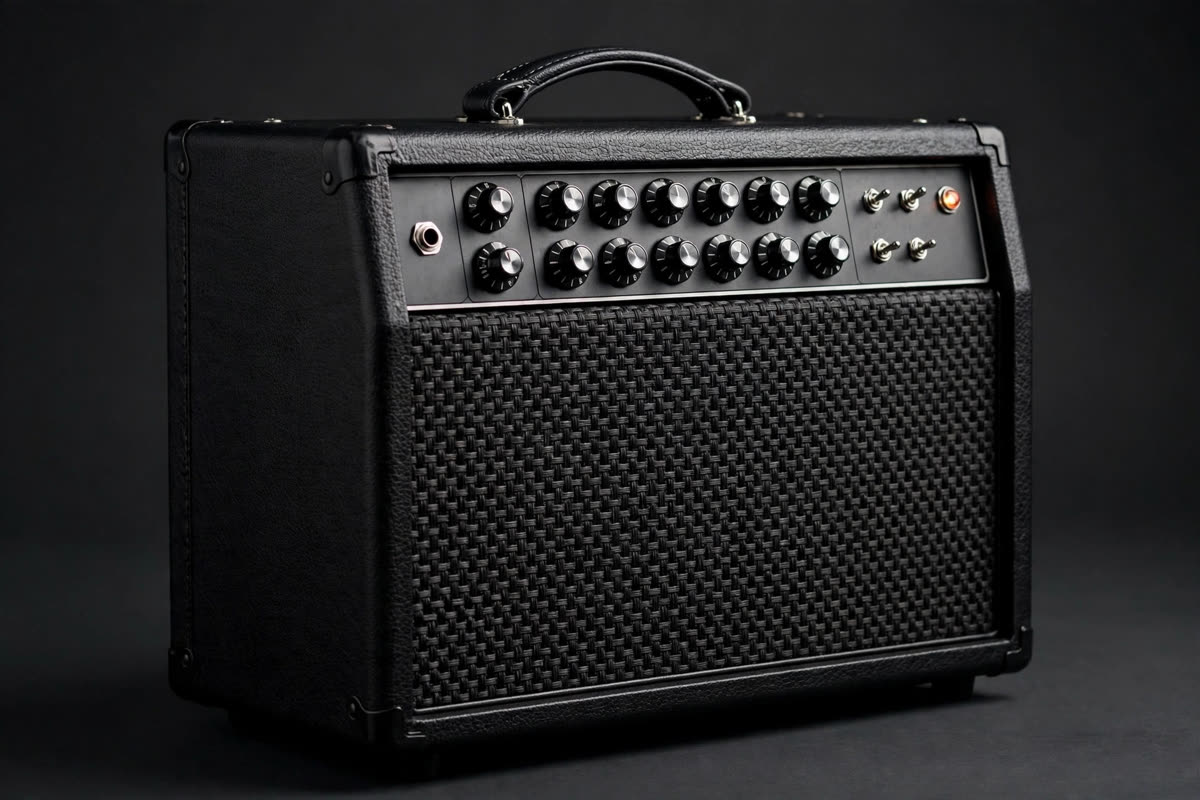
The Mesa/Boogie Mark VII 1×12 is the flagship of the most storied amp line in modern guitar history, and it is the closest thing to a one amp answer for every situation. Three independent channels each carry three switchable modes, covering Clean, Fat, Crunch, the new Mark VII voice, and the legendary Mark IIB, Mark IIC+, and Mark IV sounds. Simul-Class power lets you select 90, 45, or 25 watts per channel, so the amp can roar on a festival stage or behave in a small club without losing its character.
What separates the Mark VII from every other amp here is how complete it feels as a working tool. The famous 5-band graphic EQ can be assigned per channel, the all tube long spring reverb has independent controls per channel, and the built in CabClone IR lets you record or go direct with eight built in cabinet impulse responses. MIDI control ties it all together for players who switch complex rigs with one button. It is a heavy amp and a serious investment, but it replaces a rack of gear for the player who needs everything.
This is our pick for the professional or committed enthusiast who wants the best combo amp money can buy without compromise. It suits session players, touring guitarists, and studio owners who need pristine cleans, singing crunch, and modern high gain from one cabinet. If your rig has to do everything, start here.
- Best for: pro players who need one amp to cover pristine cleans, classic crunch, and modern high gain.
- Look for: the three channels with nine modes, the per channel wattage selection, and the built in CabClone IR for direct recording.
- Keep in mind: this is a premium, heavy amp, so it suits players who need its full capabilities.
2. Peavey Invective .112
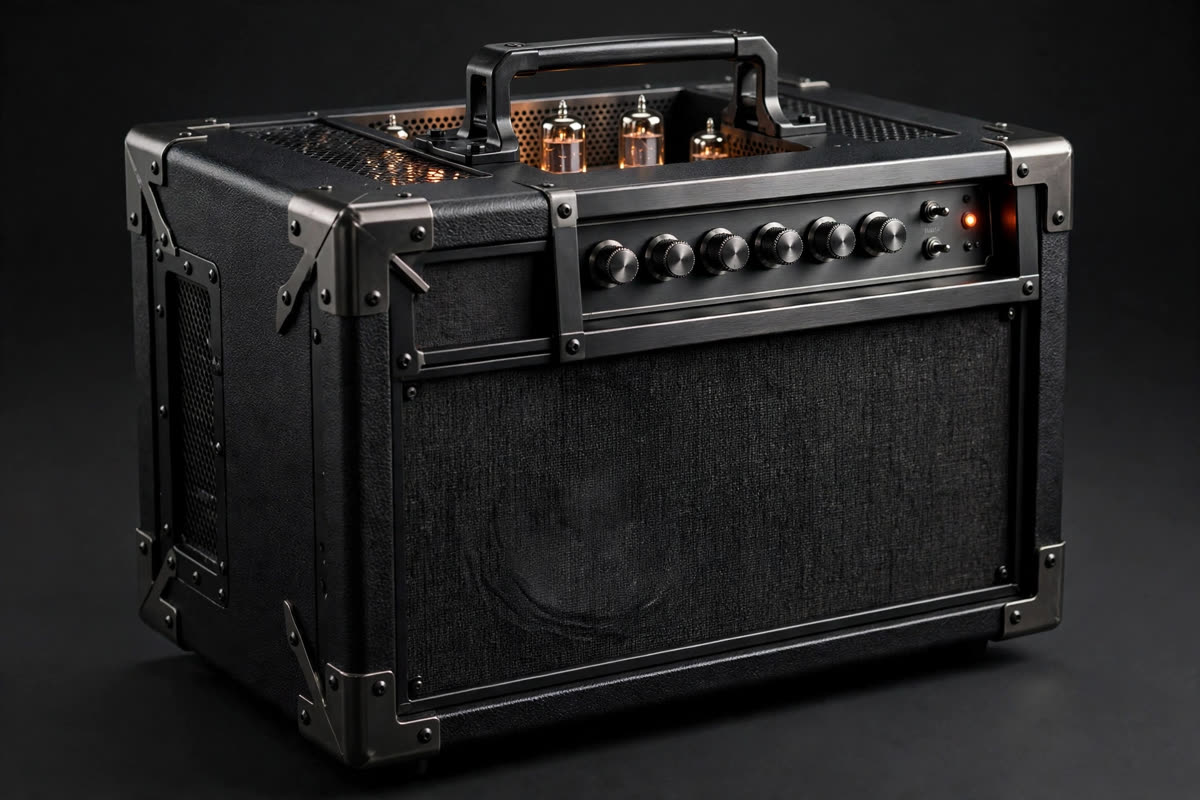
Developed with Periphery guitarist Misha Mansoor, the Peavey Invective .112 is a 20 watt all tube 1×12 combo built for modern high gain players who refuse to sacrifice clean tone. The two channels cover pristine, pedal friendly cleans and a tight, aggressive lead voice, and footswitchable Tight, Gate, and Boost functions let you tighten the low end, tame noise, and push solos without touching a pedal. A Celestion Vintage 30 speaker gives the amp its cutting midrange and handles high gain with clarity.
The Invective .112 is also one of the most recording friendly tube combos on this list. A three position attenuator switches between 20, 5, and 1 watt, the MSDI XLR output feeds the front of house directly, and a USB output plus a speaker defeat switch let you record silently into a DAW. That combination of real tube feel and modern connectivity makes it a genuine do everything amp for metal, prog, and modern rock players.
This is the best combo amp for the heavy player who also gigs direct and records at home. It suits modern metal, prog, and hard rock, works as a serious pedal platform on the clean channel, and the attenuation means the cranked tone is available at neighbor friendly volume. Keep in mind that it is unapologetically voiced for high gain, so vintage blues purists should look elsewhere.
- Best for: modern metal and prog players who want high gain tube tone with studio grade connectivity.
- Look for: the 20/5/1 watt attenuator, the footswitchable gate and boost, and the XLR and USB direct outputs.
- Keep in mind: the voice is built for modern high gain, not vintage blues or jazz.
3. Fender Blues Junior IV
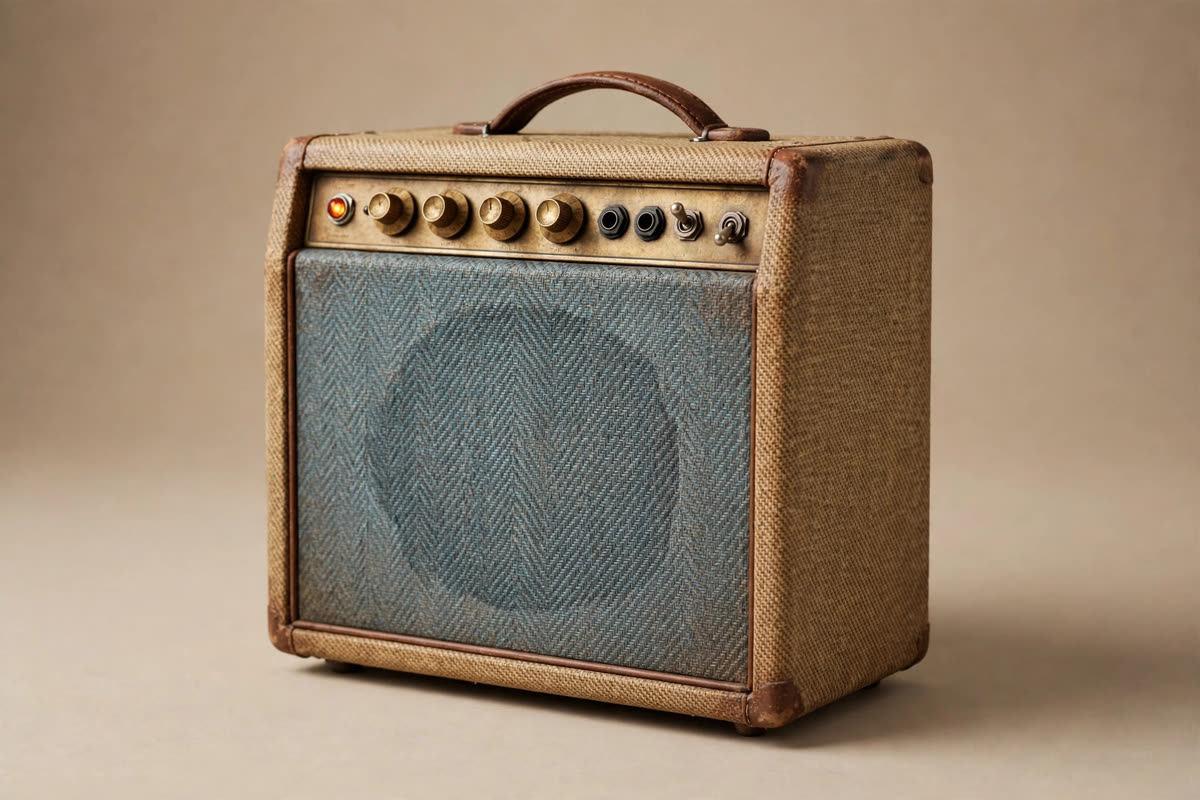
One of the most beloved small combo amps in the world, the Fender Blues Junior IV is a 15 watt all tube 1×12 that has earned its place on countless stages. The IV generation brought a modified preamp circuit for extra fullness, a smoother sounding spring reverb, and updated aesthetics, all driving a Celestion A-Type speaker. A single channel with the famous Fat switch keeps things simple: dial in your tone, kick the mid boost with the included footswitch when you need more.
What makes the Blues Junior a perennial best combo amp pick is how musical it is across genres. The cleans sparkle the way only a Fender can, the breakup is warm and touch sensitive, and it takes pedals beautifully, which is why it shows up in backlines from blues clubs to worship stages. It is loud enough for most gigs, light enough to carry with one hand, and simple enough that you never fight the amp. You can explore the full lineup on the official Fender website.
This is our pick for the player who wants classic tube tone without complications. It suits blues, rock, country, and worship players, works beautifully as a pedal platform, and records like a dream. Keep in mind that it is a single channel amp, so channel switching players may want something more flexible.
- Best for: players who want classic Fender tube cleans and touch sensitive drive in a grab and go combo.
- Look for: the modified preamp, the smooth spring reverb, and the footswitchable Fat mid boost.
- Keep in mind: it is a single channel design, so it rewards players who work their guitar volume.
4. Boss Katana 50 Gen 3
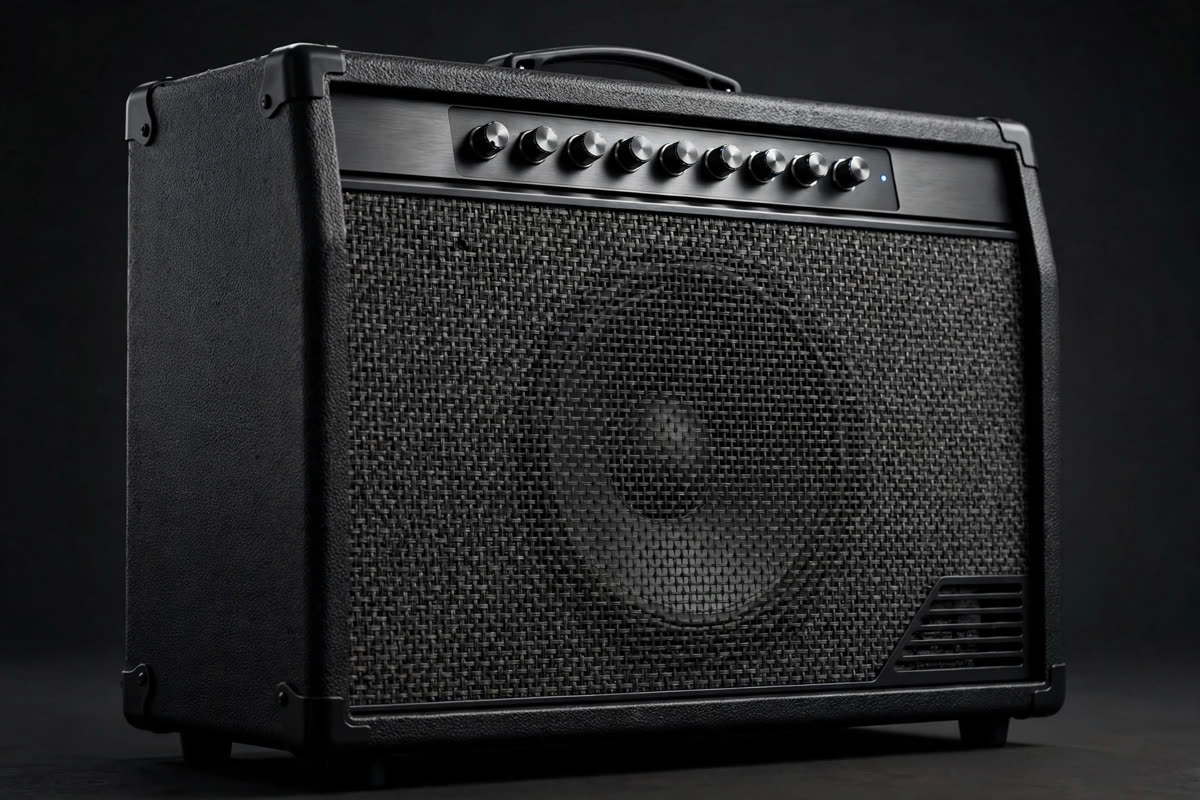
The Boss Katana 50 Gen 3 is the third generation of the amp that convinced a generation of players that modeling can feel like the real thing. This 50 watt 1×12 digital combo packs six amp characters, including the new Pushed voice for edge of breakup tones, plus five independent effects sections covering boost, modulation, delay, and reverb. Boss Tube Logic gives the power section a genuinely amp like response that players of all levels respond to.
Versatility is the whole point. Four Tone Setting memories store your complete rig, the power control lets you get cranked amp response at bedroom volume, and the updated Tone Studio app makes deep editing easy from a computer or phone. It is light, loud enough for gigs and rehearsals, and the effects mean you can gig with nothing but a guitar and a cable. You can explore the wider range on the official Boss website.
This is the best combo amp for the player who wants one box that does everything. It suits beginners who need room to grow, gigging players who want a reliable backup, and anyone who loves exploring sounds. Keep in mind that purists who want the sag and feel of glowing tubes should try a tube amp on this list instead.
- Best for: players who want maximum versatility: six amp voices and full effects in one affordable combo.
- Look for: the Pushed amp character, the power control for low volume tone, and the Tone Studio app.
- Keep in mind: it is a digital amp, so tube purists may prefer the analog options on this list.
5. Laney LFSUPER60-112 Combo

The Laney LFSUPER60-112 Combo is a 60 watt solid state 1×12 that brings British amp character to players who want volume, headroom, and reliability without the maintenance of tubes. The two channel design covers clean and overdrive, and the onboard digital reverb and effects loop make it a complete gigging tool. A custom designed 12 inch HH driver delivers the punch and clarity that Laney is known for.
What makes the LFSUPER60 stand out is how gig ready it is for the money. Sixty watts of solid state power means clean headroom for days, the amp is light enough for easy load in, and there are no tubes to replace or bias. It takes pedals well on the clean channel, and the overdrive channel has that British midrange growl that cuts through a band mix.
This is the best combo amp for the working player who needs reliable power on a budget. It suits gigging guitarists who want a dependable workhorse, rehearsal rooms that need an amp that can take abuse, and players who run pedalboards into a clean platform. Keep in mind that it is solid state, so it will not sag and bloom like a tube amp when pushed.
- Best for: gigging players who want loud, reliable, low maintenance power with British character.
- Look for: the 60 watts of clean headroom, the two channels, and the effects loop for your pedals.
- Keep in mind: solid state design means reliability and headroom, not tube sag and compression.
6. Fender Tone Master Deluxe Reverb
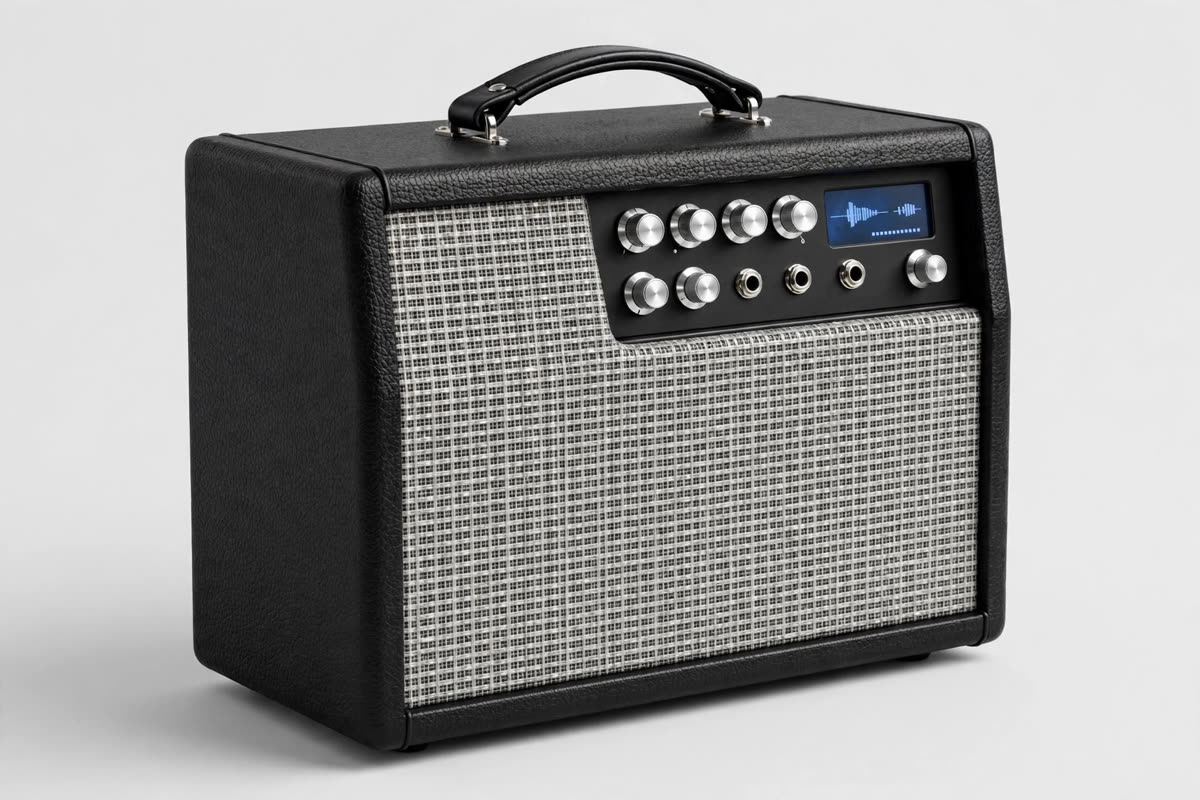
The Fender Tone Master Deluxe Reverb is the digital amp that converted tube purists. Using powerful DSP, it recreates the sound, feel, and response of the legendary 1965 Deluxe Reverb, but at a fraction of the weight and with modern conveniences. The 22 watt power rating matches the original, and the Jensen N-12K neodymium speaker keeps the weight down while delivering authentic Fender sparkle.
The genius is in the details. A rear panel output power selector lets you scale from full 22 watts down to 0.2 watts for bedroom practice, the balanced XLR line out with impulse response cabinet simulation feeds the PA directly, and the amp is nearly half the weight of the tube original. It looks, feels, and responds like a Deluxe Reverb, which is why it has become a backline standard.
This is our pick for the player who wants the Deluxe Reverb sound without the weight, maintenance, or volume constraints. It suits gigging players who go direct, recording musicians who need silent options, and anyone who loves the Fender clean sound. Keep in mind that it is a digital recreation, so collectors who want glowing tubes should consider the tube original.
- Best for: players who want authentic Deluxe Reverb tone with modern power scaling and direct out.
- Look for: the power attenuator down to 0.2 watts, the XLR IR output, and the lightweight pine cabinet.
- Keep in mind: it models a Deluxe Reverb brilliantly, but it is not a tube amp.
7. Laney Cub-Super12
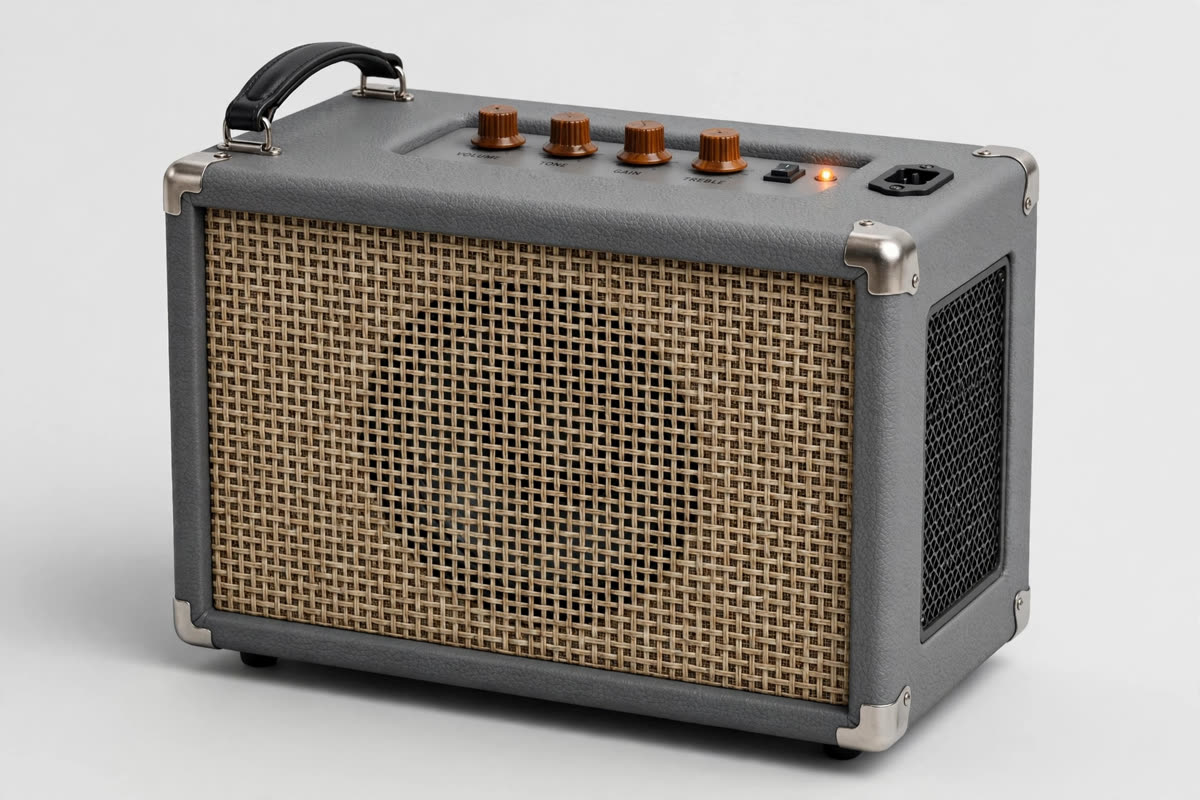
The Laney Cub-Super12 is a 15 watt all tube 1×12 that proves you do not need a big amp for big tone. With two channels, onboard digital reverb, and a Celestion speaker, it delivers genuine British tube character in a package that is easy to carry and easy on the wallet. The 15 watts is the sweet spot: loud enough for rehearsals and small gigs, but manageable at home.
What makes the Cub-Super12 special is how much amp you get for the money. The clean channel is bright and chimey, the drive channel has that classic British crunch, and the amp responds beautifully to your guitar volume. It is a fantastic pedal platform, and the effects loop lets you run time based effects after the preamp where they belong.
This is the best combo amp for the player who wants real tube tone on a budget. It suits beginners who want to start with tubes, gigging players who need a reliable backup, and anyone who loves British amp character. Keep in mind that 15 watts will need PA support for loud clean tones on big stages.
- Best for: players who want affordable all tube British tone in a portable 1×12 combo.
- Look for: the two channels, the digital reverb, and the Celestion speaker.
- Keep in mind: 15 watts is perfect for most gigs, but loud clean headroom needs PA help.
8. Blackstar HT Club 40 MKII 6L6
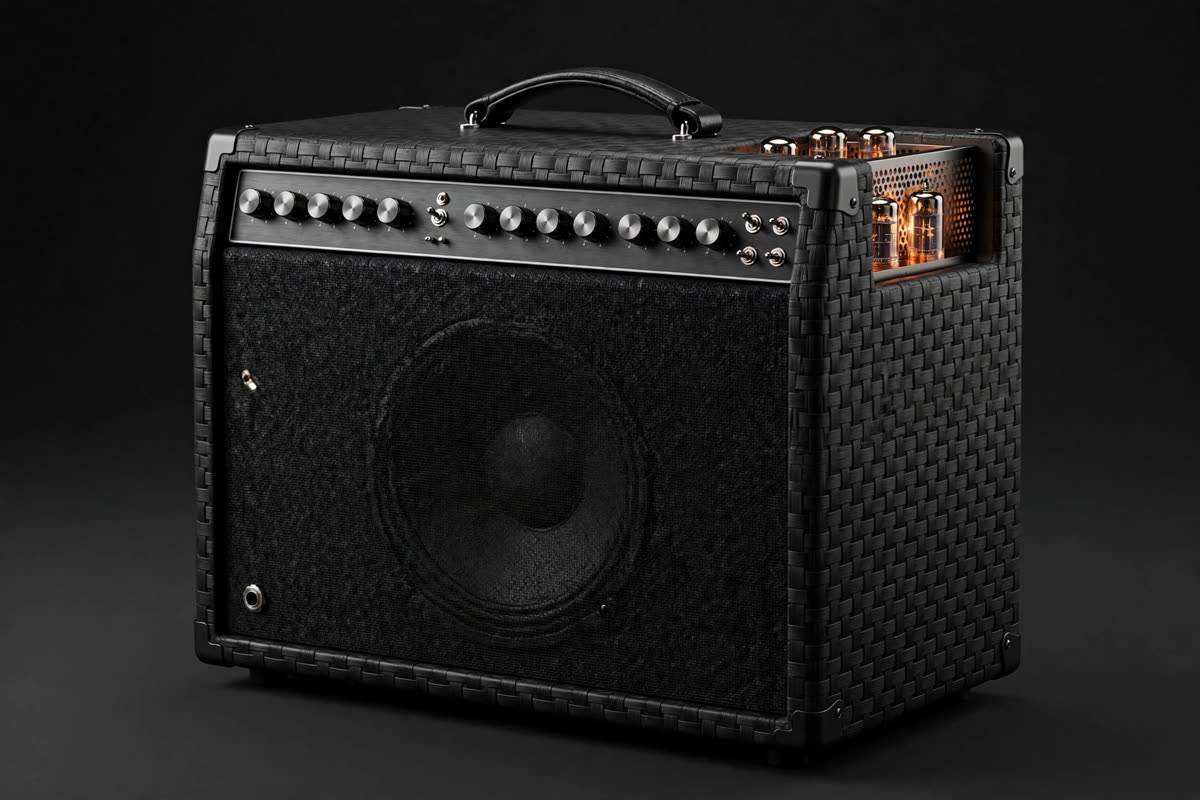
The Blackstar HT Club 40 MKII 6L6 is a 40 watt all tube 1×12 that has become a modern classic for players who need versatility. The two channels with four voices cover everything from American cleans to British crunch to modern high gain, and the 6L6 power tubes give it a bold, American flavor with tight low end. The onboard digital reverb and effects loop complete the package.
What sets the HT Club 40 apart is the ISF (Infinite Shape Feature) control, which lets you sweep the EQ from American to British character. It is like having two amps in one. The 40 watts means serious clean headroom for gigs, the master volume and power reduction make it usable at home, and the direct out with speaker simulation is perfect for silent recording.
This is the best combo amp for the player who needs one amp to cover multiple genres. It suits gigging guitarists in cover bands, session players who need flexibility, and anyone who wants tube tone with modern features. Keep in mind that it is a feature packed amp, so purists who want simple circuits may prefer something more stripped down.
- Best for: versatile players who need American to British tones from one tube combo.
- Look for: the ISF control, the four voices, and the power reduction for home use.
- Keep in mind: it is packed with features, which is great for flexibility but not for minimalists.
9. Marshall DSL40CR
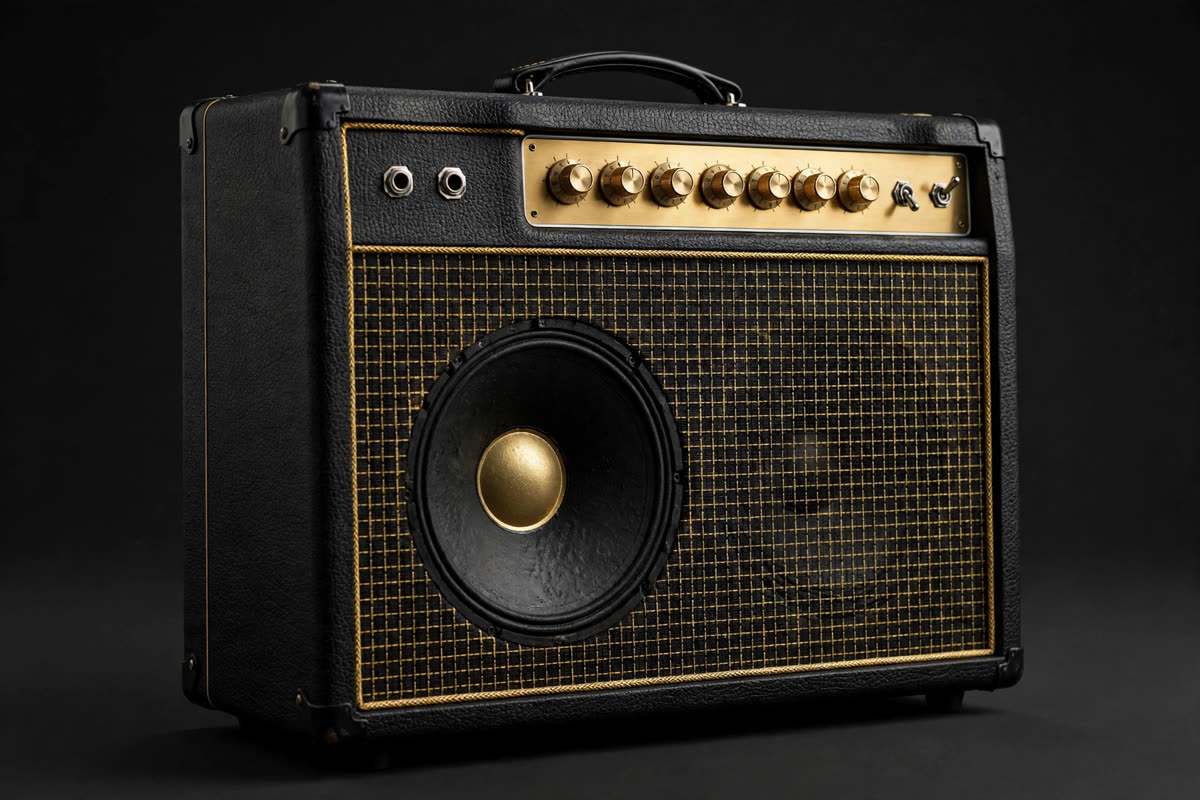
The Marshall DSL40CR is a 40 watt all tube 1×12 that delivers the iconic Marshall roar in a combo format. The two channels with two modes each cover classic cleans, crunch, and high gain lead tones, and the Celestion V-Type speaker gives it that unmistakable British punch. Power reduction down to 20 watts makes it more manageable for smaller venues.
What makes the DSL40CR a perennial favorite is how authentically Marshall it sounds. The Classic Gain channel nails those Plexi style cleans and crunch, the Ultra Gain channel goes from hot rodded JCM800 to modern high gain, and the onboard digital reverb adds depth. MIDI switching, an effects loop, and two master volumes make it a serious gigging tool.
This is the best combo amp for the player who wants that Marshall stack sound in a combo. It suits rock, hard rock, and metal players, gigging musicians who need a reliable British voice, and anyone who grew up on Marshall. Keep in mind that it is a loud 40 watts, so bedroom players will need the power reduction.
- Best for: rock players who want authentic Marshall tone from a gig ready 1×12 combo.
- Look for: the two channels with four modes, the power reduction, and the MIDI switching.
- Keep in mind: it is voiced for rock, so jazz and country players may prefer Fender.
10. Orange Rocker 32
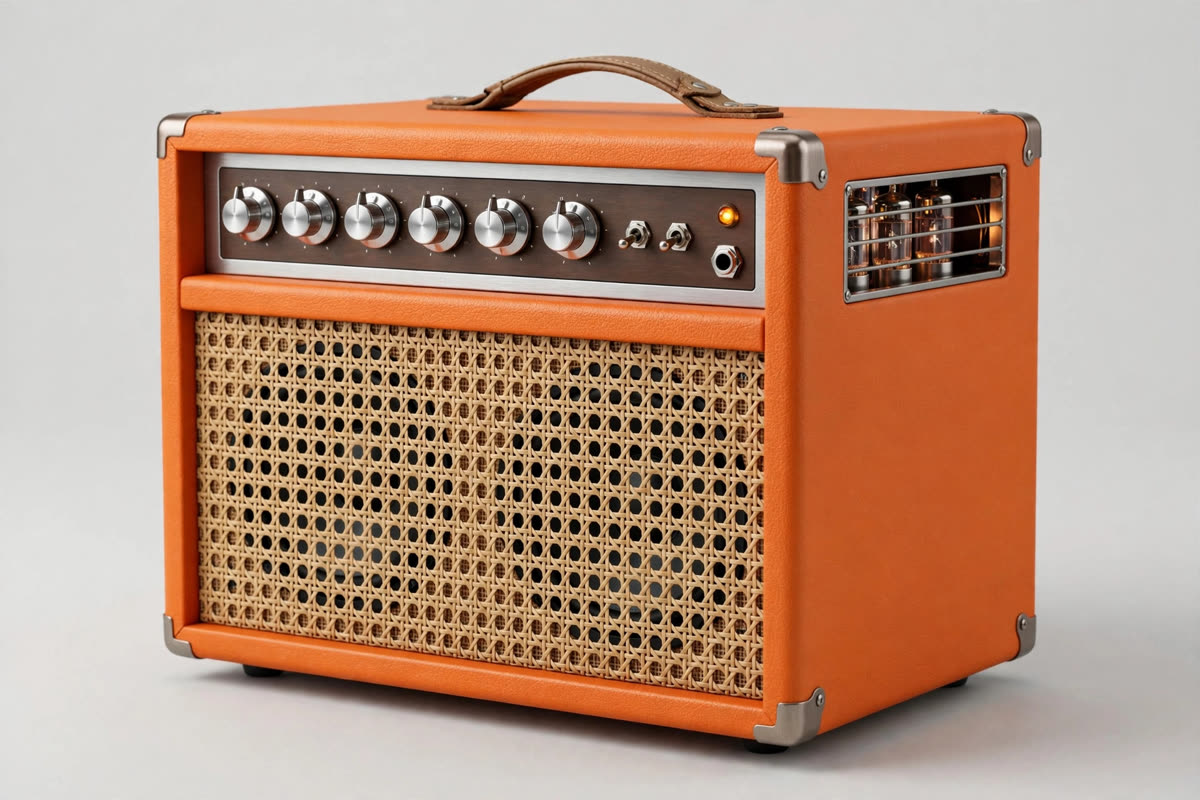
The Orange Rocker 32 is a 30 watt all tube 2×10 combo that stands out with its distinctive Orange voice and stereo capabilities. The two channels cover natural cleans and the famous Orange dirty tone, and the 2×10 speaker configuration gives it a unique punch and clarity. It is the only stereo combo on this list, with true stereo effects loop.
What makes the Rocker 32 special is its character. The Natural channel is a pedal platform dream, the Dirty channel has that thick, midrange heavy Orange grind that stoner rock and doom players love, and the amp takes pedals exceptionally well. The 30 watts is loud enough for gigs, and the half power option brings it down for smaller rooms.
This is the best combo amp for the player who wants something different. It suits stoner rock, doom, indie, and alternative players, those who run stereo effects, and anyone who loves the Orange aesthetic. Keep in mind that the Orange voice is distinctive, so it may not suit players who want neutral cleans.
- Best for: players who want the distinctive Orange tube voice with stereo flexibility.
- Look for: the 2×10 speakers, the stereo effects loop, and the half power option.
- Keep in mind: the Orange character is strong, so try before you buy if you want neutral tones.
Final Pick
After reviewing all 10 amps, our final pick for the player who wants one amp to rule every situation is the Mesa/Boogie Mark VII 1×12. Three channels with nine legendary voices, per channel wattage selection, built in cabinet impulse responses, and MIDI control make it the most complete combo amp on this list. It is the amp you buy once and never outgrow.
That said, the best combo amp is the one that fits your playing. High gain players should grab the Peavey Invective .112, Fender devotees will be happiest with the Blues Junior IV or the Tone Master Deluxe Reverb, and players who want everything in one box should start with the Boss Katana 50 Gen 3. Budget tube tone lives in the Laney Cub-Super12, the Marshall DSL40CR and Blackstar HT Club 40 MKII 6L6 own the gigging rock lane, and the Orange Rocker 32 is the only choice for true stereo. For more buying guides covering every corner of the music world, keep exploring DixTrick. Whichever you choose, plug in, turn up, and play.
Frequently Asked Questions
How many watts does a combo amp need for gigging?
For most club and bar gigs with a drummer, 15 to 40 watts of tube power or 40 to 60 watts of solid state or digital power is plenty, especially if the venue mics the amp. A 15 watt tube combo like the Blues Junior IV keeps up in small venues, while 40 watt amps like the Marshall DSL40CR handle bigger stages with headroom to spare. For home practice, look for amps with attenuation or low power modes, since even 15 watts is loud in a bedroom.
Should I buy a tube combo amp or a digital modeling combo?
Tube amps are prized for their touch sensitivity, harmonic richness, and the way they respond to your picking dynamics, and they remain the choice of many gigging players. Digital modeling combos like the Boss Katana 50 Gen 3 or the Fender Tone Master Deluxe Reverb offer multiple voices, built in effects, headphone outputs, and consistent tone at any volume, often at lower prices and weights. The best combo amp for you depends on whether you value feel and tradition or versatility and convenience.
What does 1×12 mean on a combo amp?
It means the amp has one 12 inch speaker. The 1×12 is the most popular combo format because it balances full, gig worthy sound with manageable size and weight. Bigger configurations like 2×12 move more air and sound wider, while smaller speakers or 2×10 layouts like the Orange Rocker 32 voice the low end differently. For most players, a good 1×12 is the sweet spot.
Can one combo amp work for both gigs and bedroom practice?
Yes, and several amps on this list are designed for exactly that. Look for built in attenuation, like the power selector on the Tone Master Deluxe Reverb or the 20/5/1 watt switch on the Invective .112, low wattage inputs like the 1 watt jack on the Laney Cub-Super12, or power reduction modes like those on the Blackstar HT Club 40 MKII. A headphone output, found on amps like the Laney LFSUPER60-112, covers truly silent practice.
Do I need an effects loop on my combo amp?
An effects loop lets you place delay, reverb, and modulation pedals after the amp’s preamp distortion, which usually sounds cleaner than running them into the front of a distorted amp. If you use the amp’s own overdrive channels and run time based effects, a loop is genuinely useful, and most of the amps on this list include one. If you get all your gain from pedals into a clean amp, the loop matters less.
Are combo amps good for recording?
Absolutely. Many modern combos include direct recording outputs with cabinet emulation, such as the CabClone IR in the Mesa Mark VII, the MSDI and USB outs on the Peavey Invective .112, the IR equipped XLR out on the Tone Master Deluxe Reverb, and the emulated output on the Marshall DSL40CR. These let you capture great amp tone without miking a cabinet, which is ideal for home studios and apartments.
The Bottom Line
The best combo amp is the one that makes you want to plug in every day. All 10 amps in this guide earned their place through honest tone, practical features, and real world usability. Match the power to your venues, match the voice to your music, and make sure it sounds good at the volume you actually play. Get those three things right, and you are not just buying an amp, you are buying the foundation of your sound.
Pingback: 10 Best Guitar Amps for Practice and Stage in 2026 - DixTrick