

10 Best Acoustic Guitar Strings to Buy in 2026
A fresh set of strings is the cheapest and fastest upgrade you can give an acoustic guitar. A guitar that sounds dull and lifeless with dead strings can suddenly ring with clarity and warmth after a string change, and the difference is bigger than most players expect. That is why choosing the best acoustic guitar strings matters so much: the right set shapes your tone, affects how the guitar feels under your fingers, and determines how long that new string sparkle lasts before it fades. In this 2026 guide we reviewed 10 of the most popular acoustic guitar string sets on the market, from coated long life sets to vintage style alloys and nylon classical sets.
Finding the best acoustic guitar strings for your playing comes down to a few honest choices: the alloy that shapes your tone, whether you want coated or uncoated strings, and whether your guitar needs steel strings or nylon strings. A bright 80/20 bronze set flatters strummers who want sparkle, while phosphor bronze suits players who want warmth and depth. Below you will find honest reviews of all 10 picks, a buying guide that explains the materials and gauges that matter, and answers to the questions players ask most before choosing the best acoustic guitar strings for their instrument. If you also play electric or bass, see our guide to the best guitar strings.
Table of Contents
1. Elixir Nanoweb Acoustic

The Elixir Nanoweb Acoustic is the set that made coated strings mainstream, and it remains the benchmark for players who want the best acoustic guitar strings for long lasting tone. The ultra thin Nanoweb coating wraps each string in a protective barrier that keeps sweat, grime, and corrosion away from the metal underneath. The result is a bright, lively tone that stays consistent far longer than a typical uncoated set, and the smooth coating also reduces the finger squeak that plagues recording sessions. For gigging players and anyone who hates changing strings every few weeks, this is a serious contender.
The coating gives the strings a slick, almost slippery feel that many players love and some never fully warm up to. Keep in mind that Nanoweb sets cost noticeably more than standard uncoated strings, so you are paying upfront for the extended life. A few players also report that the coating can start to fray at the pick contact point after heavy use, though the strings usually keep sounding good well past that stage. If your fingers are hard on strings and you want the best acoustic guitar strings for tone that survives months of playing, the Elixir Nanoweb is the safest premium pick on this list.
2. Martin Authentic Acoustic 80/20 Strings
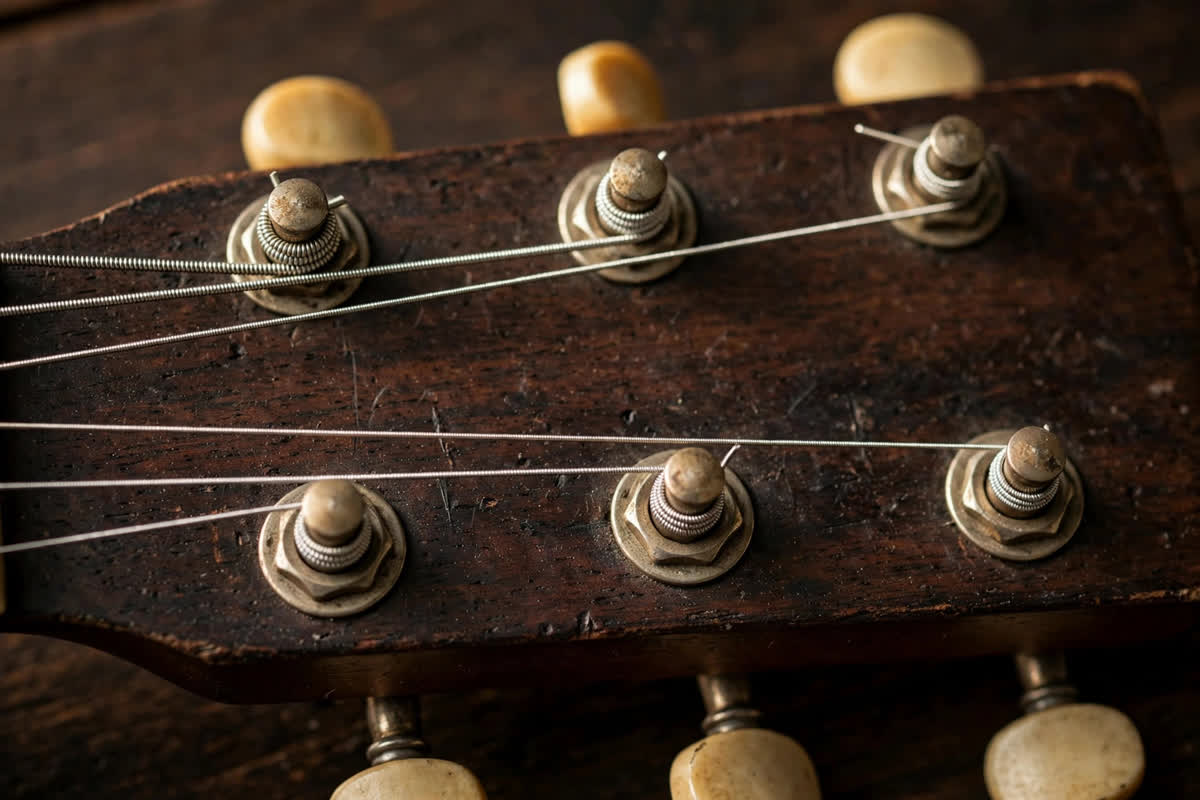
Martin Authentic Acoustic 80/20 Strings deliver the classic bright and crisp acoustic voice that made this alloy famous. The 80/20 bronze formula produces a clear, jangly tone with sparkling highs that flatters strummed chords and makes a good dreadnought sound even bigger. Martin has been building guitars and strings in Nazareth for generations, and these strings are designed to complement the company own instruments perfectly. For players chasing that bright, open, traditional acoustic sound, this set is one of the best acoustic guitar strings you can put on a steel string guitar.
The honest tradeoff with 80/20 bronze is that its brilliant top end is also its weakness: it tends to oxidize and dull faster than phosphor bronze, especially for players with naturally acidic sweat. If you want that fresh out of the pack brightness, you may find yourself changing these sets more often than coated alternatives. Keep in mind as well that the extra brightness can sound harsh on guitars that are already treble heavy, so match these to a warm guitar for the best balance. You can explore the full string lineup on the official Martin Guitar website. For pure classic shimmer, though, few sets compete with these.
3. D’Addario Pro Arte Nylon Core

The D’Addario Pro Arte Nylon Core set is the specialist pick for classical and nylon string guitars, and it earns its place as the best acoustic guitar strings choice for that whole category. Nylon strings produce the warm, mellow, rounded tone that steel strings cannot imitate, with soft trebles and gentle basses that suit fingerstyle playing, flamenco, and classical repertoire. The Pro Arte line is one of the most respected nylon string families in the world, known for consistent intonation and reliable quality from set to set.
The most important thing to understand is that these strings belong on classical guitars only. Nylon strings are designed for lower tension and tie block bridges, and they will not work on a steel string acoustic built for high tension steel. Keep in mind that nylon strings stretch considerably when first installed, so expect several days of frequent retuning before they settle in. If you play a classical or flamenco guitar and want dependable, warm sounding strings from a legendary maker, this is the best acoustic guitar strings pick for your instrument.
4. Ernie Ball Earthwood

Ernie Ball Earthwood strings are the workhorse choice for players who want dependable tone without overthinking it. Available in both 80/20 bronze and phosphor bronze versions, Earthwood sets deliver a bright, clear, projecting tone that works across strumming and flatpicking styles. The brand long history in the string business shows in the consistency of the winding, and these sets are easy to find in music shops everywhere. For a reliable everyday set, Earthwood deserves its reputation as one of the best acoustic guitar strings values on the shelf.
These are traditional uncoated strings, which means the tone is honest and open but the lifespan is what you would expect from uncoated bronze: the shine fades with regular playing, and players with corrosive sweat will wear them out faster. Keep in mind that there is nothing fancy here, no coating and no exotic alloy, so if you want extended life you will need to look at the coated options on this list. You can browse the full acoustic range on the official Ernie Ball website. For players who change strings regularly anyway, Earthwood is hard to beat.
5. D’Addario Nickel Bronze
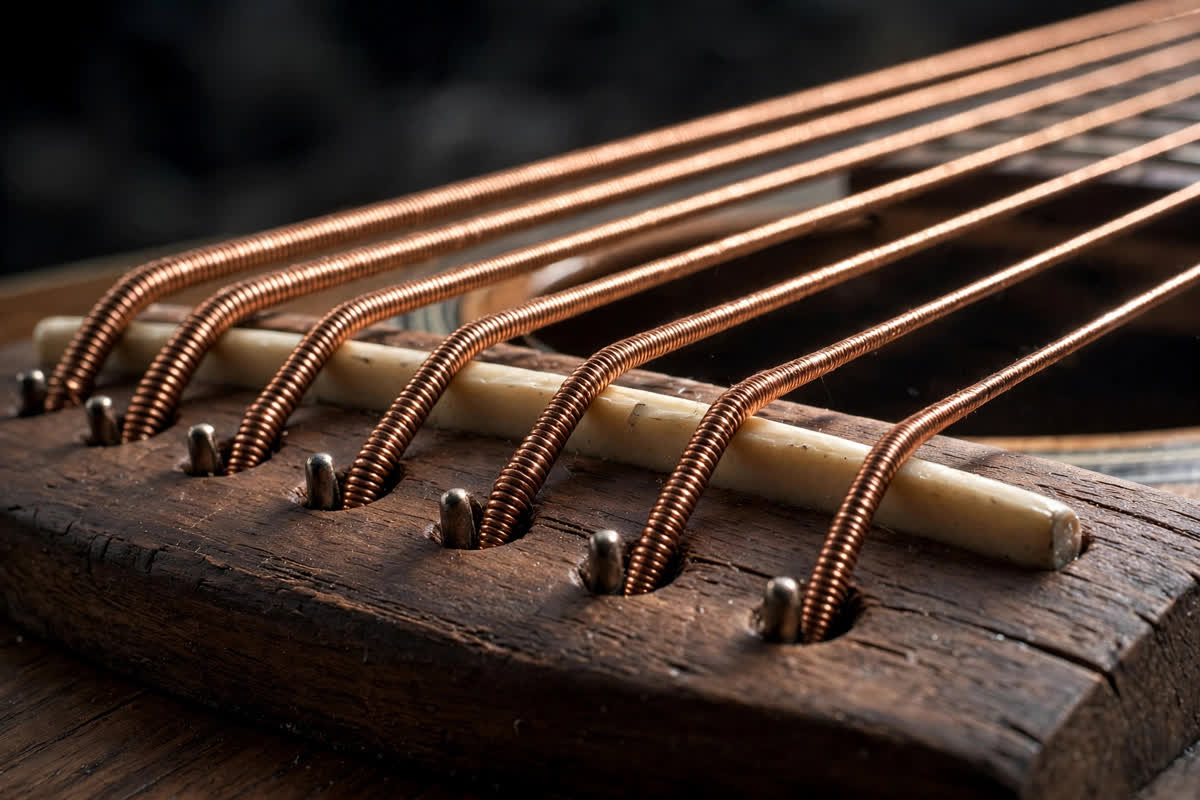
D’Addario Nickel Bronze takes a different path from the usual bronze formulas, wrapping the strings in a nickel bronze alloy that emphasizes clarity and midrange presence. The result is a distinctive voice with a crisp attack and enhanced projection that cuts through a mix, which is why many recording players and fingerstyle guitarists keep coming back to them. The unwound high strings are also made from a nickel plated steel that adds brightness and definition to single note lines. If your playing style is articulate and detail oriented, these could be the best acoustic guitar strings for your ears.
Keep in mind that the nickel bronze voice is noticeably different from phosphor bronze: it is brighter, more metallic when fresh, and takes some playing time to settle into its mature tone. Some players find the fresh set almost too zingy on bright guitars, so these pair best with warm sounding instruments. Like most uncoated strings they have a normal lifespan rather than an extended one, so budget for regular changes. For players seeking a modern, articulate acoustic voice, Nickel Bronze is a genuinely distinctive entry among the best acoustic guitar strings.
6. D’Addario XS Phosphor Bronze Acoustic Guitar Strings
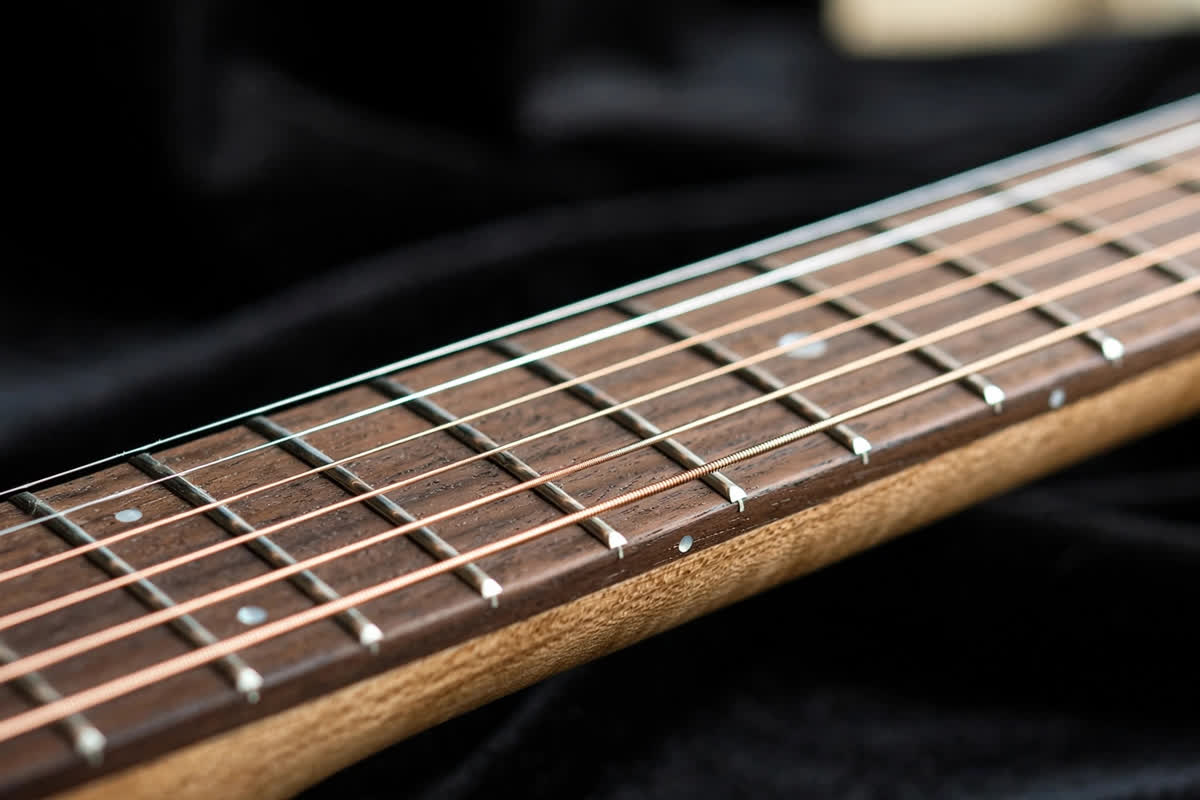
D’Addario XS Phosphor Bronze Acoustic Guitar Strings combine the warm, balanced tone of phosphor bronze with an ultra thin film coating for extended string life. This is D’Addario answer to players who love the rich, full character of phosphor bronze but wish it would stay fresh longer. The coating is engineered to be as thin as possible, so the strings feel close to uncoated while resisting the corrosion that kills tone. For players who want the best acoustic guitar strings with both warmth and longevity, the XS line is a top tier modern choice.
As with all coated strings there is a tradeoff: the XS sets sit at the premium end of the price range, so they make most sense for players who play enough to wear out uncoated sets quickly. Keep in mind that phosphor bronze is warmer and less sparkly than 80/20 bronze by nature, so if you want maximum brightness this may not be your formula. The feel is smooth and fast, though players attached to the raw texture of uncoated strings may notice the difference. You can learn more about the coated technology on the official D’Addario website. For coated warmth that lasts, XS is outstanding.
7. HAVENDI Guitar Strings I

HAVENDI Guitar Strings I is a budget friendly set aimed squarely at beginners and practice instruments. The tone is respectable for the price, with enough brightness and sustain to make a starter guitar sound pleasant, and the winding quality is decent enough that tuning holds once the strings stretch in. For a new player who is still learning how often strings need changing, or for a second guitar that mostly sits in the corner, an affordable set like this is a sensible choice. It shows that the best acoustic guitar strings for a beginner are not always the most expensive ones.
Keep in mind that this is a lesser known brand, so long term consistency from set to set is harder to guarantee than with the industry giants. The tone life is shorter, meaning the brightness fades sooner and the set will need replacing more often with heavy use. Serious players with refined ears will likely hear the difference against premium sets, especially in recording situations. For practice, campfire guitars, and learning, though, HAVENDI earns an honest mention among the best acoustic guitar strings for beginners and practice guitars, at a price that makes frequent changes painless.
8. BELFORT Quality Acoustic Guitar Strings

BELFORT quality acoustic guitar strings sit in the same value territory as the HAVENDI set, offering a bronze wound option for players who want a cheap way to refresh a dull sounding guitar. Out of the pack they sound bright and lively enough to be a clear upgrade over dead strings, and they settle into tune reasonably well after the usual break in stretching. For school instruments, loaner guitars, and anyone keeping multiple guitars strung on a budget, value sets like these have a real and honest place among the best acoustic guitar strings for tight budgets.
The caveat is the same as with any budget brand: consistency and lifespan are the areas where premium makers earn their price. Expect to change these more often than coated sets, and do not be surprised if one set feels slightly different from the next. Keep in mind that if you play daily or perform regularly, the savings shrink once you factor in more frequent changes. For the price of a few coffees, though, BELFORT gives any neglected acoustic a fresh voice and a new lease on life.
9. Martin Retro Acoustic MM12

Martin Retro Acoustic MM12 strings use a nickel copper Monel alloy instead of the usual bronze, and the result is a voice that sounds broken in from the very first strum. The tone is warm, mellow, and slightly compressed, with a woody character that flatters vintage style guitars and roots music beautifully. The Monel alloy is naturally resistant to corrosion, so these strings hold their tone longer than plain 80/20 bronze without any coating. For blues, folk, and old time players chasing a prewar style sound, these rank among the best acoustic guitar strings for that specific vintage voice.
Keep in mind that the Retro voice is deliberately dark and mellow, which means players who love bright modern sparkle will find these too subdued. This is not the set for cutting through a loud jam or for players who want maximum treble detail. The Monel tone is something of an acquired taste: once you hear how good it sounds on the right guitar and the right song, it is hard to go back, but it is worth trying before committing. For that warm, vintage, broken in character, the Martin Retro MM12 is in a class of its own.
10. MIKES Woodsmoke and Fire Series Acoustic Guitar Strings

MIKES Woodsmoke and Fire Series Acoustic Guitar Strings are the boutique wildcard of this list, made for players who enjoy discovering small batch string makers. The themed branding suggests a warm, smoky tonal character aimed at songwriters and campfire players, and boutique sets like these often focus on careful winding and quality control over mass production. For a player who likes supporting independent makers and wants something different from the big brand sound, this is an intriguing corner of the best acoustic guitar strings market to explore.
Keep in mind that small brands come with small brand realities: availability can be limited, replacements may be harder to find than mainstream sets, and there is less community feedback to draw on when choosing gauges. Prices for boutique strings also tend to run higher than mass market sets without necessarily offering longer life. If you value the craft story and the unique character, the Woodsmoke and Fire Series is worth a try, but keep a trusted mainstream set on hand as your reliable fallback.
Buying Guide: How to Choose the Best Acoustic Guitar Strings
Choosing the best acoustic guitar strings starts with the alloy, because that is what shapes your fundamental tone. The two classic choices are 80/20 bronze, which is bright, crisp, and jangly, and phosphor bronze, which is warmer, fuller, and slightly more complex. Bright guitars often pair better with phosphor bronze to balance things out, while warm guitars can benefit from the extra sparkle of 80/20. Nickel based alloys like the Martin Retro Monel sets offer a third path: a mellower, vintage flavored voice. There is no universally right answer here, only the tone that makes your guitar and your ears happy.
Next, decide whether you want coated or uncoated strings. Coated sets like Elixir Nanoweb and D’Addario XS use a thin protective layer to slow down corrosion, which keeps the tone fresh noticeably longer. The tradeoff is a higher upfront price and a slightly different feel that some players love and others tolerate. Uncoated strings sound open and natural right out of the pack but lose their brightness faster, especially if your hands sweat while you play. If you practice daily or gig regularly, the extra cost of coated strings often pays for itself in fewer changes.
String gauge matters more than most beginners realize. Lighter gauge sets are easier on the fingers and make bending and barre chords friendlier, which is why they are popular with beginners and fingerstyle players. Heavier gauges produce more volume and a fuller tone, but they demand more finger strength and put more tension on the guitar neck. Most players settle somewhere in the middle, and the medium light or light range is the safest starting point if you are unsure. Always check what your guitar maker recommends, since some lightly built instruments prefer lighter tension.
Make sure you are buying strings for the right guitar. Steel string acoustics and nylon string classical guitars use completely different string types, and they are not interchangeable. Putting steel strings on a classical guitar can damage the instrument, while nylon strings on a steel string guitar will sound weak and quiet. If you play classical, flamenco, or a crossover nylon guitar, shop the nylon section only. Beginners sometimes buy the wrong type by mistake, so double check your guitar before you order.
Pay attention to how the strings feel as well as how they sound. Coated strings feel smooth and slick, which reduces finger noise during recording and slides. Uncoated strings have a more textured, raw feel that some players find more expressive. If you record yourself or play amplified with a sensitive pickup, the reduced squeak of coated strings is a genuine practical advantage. Comfort is personal, so if possible try both types and see which one your hands prefer over a full practice session.
Storage and changing habits affect string life as much as the strings themselves. Wiping your strings down with a clean cloth after every session removes the sweat and oils that corrode metal, and this simple habit can add real life to any set. Keep spare sets in a dry place, since humidity attacks unopened strings too. Learn to change your own strings properly: a neat winding job at the tuning post improves tuning stability, and stretching new strings gently as you tune helps them settle faster. Our guide to the 10 best acoustic guitars pairs well with this guide if you are also thinking about upgrading the instrument itself.
Finally, trust your ears over brand loyalty. The best acoustic guitar strings for your playing are the ones that make you want to pick up the guitar, and that is a deeply personal match between your instrument, your touch, and your musical taste. Buy two or three different types, try each for a couple of weeks, and keep notes on what you liked. Most experienced players arrived at their favorite set through exactly this kind of patient experimentation, not through reading a single review.
Frequently Asked Questions
How often should I change my acoustic guitar strings?
For regular players, changing strings every one to three months is a good rhythm, with daily players leaning toward the shorter end. Coated strings can stretch that interval considerably, since they resist the corrosion that dulls tone. If your strings look discolored, feel rough, or the guitar sounds muddy even when tuned, it is time for a fresh set regardless of the calendar.
What is the difference between 80/20 bronze and phosphor bronze strings?
The 80/20 bronze alloy sounds brighter and crisper with more treble sparkle, while phosphor bronze sounds warmer, fuller, and slightly more complex in the midrange. The 80/20 sets tend to lose their brightness faster, so phosphor bronze often holds a pleasing tone longer. Neither is objectively better; bright guitars usually pair well with phosphor bronze, and warm guitars can benefit from 80/20.
Are coated guitar strings worth the extra cost?
For most players, yes. Coated strings keep their fresh tone noticeably longer and resist corrosion from sweat, which means fewer string changes over the year. The higher price per set is usually offset by the longer useful life, especially for players who practice daily. The only players who may skip them are those who genuinely prefer the raw feel and sound of uncoated strings, and even then most best acoustic guitar strings roundups include both coated and uncoated sets.
Can I put nylon strings on a steel string acoustic guitar?
No, and you should not try. Classical guitars are built for the low tension of nylon strings, with different bracing and a tie block bridge, while steel string guitars need high tension steel to drive the top properly. Mismatching the string type can damage the instrument or produce weak, quiet tone. Always buy the string type your guitar was designed for.
Why do my new strings go out of tune so quickly?
New strings stretch as they settle, which is completely normal and not a sign of a bad set. Nylon strings are the worst offenders and can take several days of retuning, while steel strings usually stabilize within a day or two of regular playing. You can speed things up by gently stretching each string by hand as you bring it up to pitch, then retuning and repeating a few times.
What are the best acoustic guitar strings for beginners?
Beginners usually do best with light gauge phosphor bronze sets, which balance comfortable playability with a warm, forgiving tone. Light strings are easier on uncalloused fingers and make learning chords far less painful. Once your fingers toughen up and your preferences develop, experiment with different alloys and coated options to find your personal favorite.
How We Chose
We chose the best acoustic guitar strings contenders by covering the full range of what players actually buy. Every set on this list represents a distinct approach: coated long life strings, classic 80/20 brightness, warm phosphor bronze, a niche nickel alloy, a vintage Monel formula, a dedicated classical nylon set, and honest budget options. We looked for sets with proven track records, consistent manufacturing, and clear tonal identities rather than marketing gimmicks.
We also weighed the practical realities of string ownership. Tone out of the pack matters, but so does how the strings feel after a week of playing, how long the brightness lasts, and how forgiving the set is for different hand chemistry. Budget picks earned their place because not every guitar needs a premium set, and beginners deserve honest guidance about where their money goes furthest. The result is a list where every type of player, from the weekend strummer to the recording fingerstylist, can find a strong match.
Final Pick
After reviewing all 10 sets, our final pick for most players is the Elixir Nanoweb Acoustic. It solves the problem every guitarist actually has, which is that strings sound great for a short time and then fade, and it does so without asking you to change how you play. The coated tone stays fresh for months of regular playing, the smooth feel is kind to fingers, and the consistency from set to set is excellent. It is the best acoustic guitar strings choice for the player who wants to set it and forget it.
Players who prefer the raw voice of uncoated strings should look at the Martin Authentic 80/20 for classic brightness or the D’Addario XS Phosphor Bronze if they want coated warmth instead, and both rank among the best acoustic guitar strings in their categories. Vintage tone seekers will love the Martin Retro MM12, classical players need the D’Addario Pro Arte Nylon Core, and budget conscious players can keep their practice guitars fresh with HAVENDI or BELFORT sets. And if you are building your skills from the ground up, our guide to the 10 best guitar tuners will help you keep every new set perfectly in tune.
The Bottom Line
The best acoustic guitar strings are the ones that make your guitar sound like the best version of itself, and that answer is different for every player and every instrument. Start with a coated set for convenience or a classic phosphor bronze for tradition, then experiment from there. Change your strings before they sound dead, wipe them down after playing, and keep a spare set in your case. Your guitar will thank you every time you pick it up.
Pingback: 10 Best Guitar Strings for Great Tone and Feel - 2026