
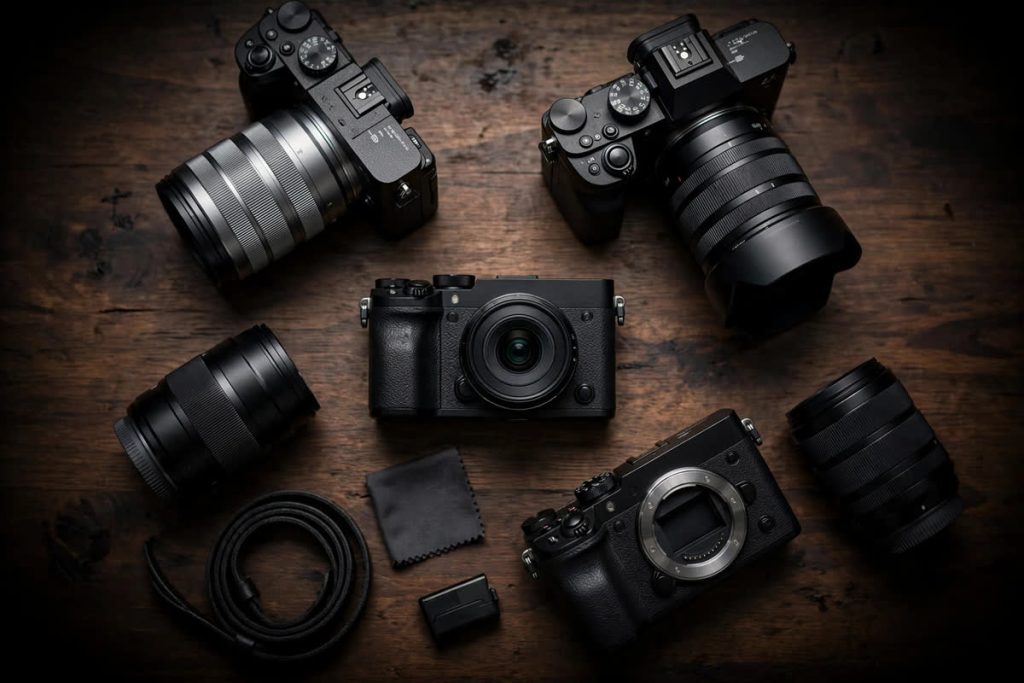
10 Best Mirrorless Cameras for Photography in 2026
Introduction
Choosing the best mirrorless camera in 2026 is less about chasing the biggest spec sheet and more about matching a camera to the way you actually shoot. Mirrorless has fully replaced the DSLR for most buyers, and the current generation of bodies is so capable that even entry level models shoot professional grade stills and crisp 4K video. What matters now is fit: the right sensor size, the right lens system, and a body you will actually carry.
Mirrorless cameras come in three main flavors. APS-C bodies like the Canon R50 and Sony a6400 are small, affordable, and excellent for travel and everyday shooting. Full frame bodies like the Sony a7 III and Canon EOS R6 Mark II deliver the best low light performance and the shallowest depth of field, and they dominate wedding, portrait, and hybrid photo video work. Micro Four Thirds is fading from this list, but compact full frame models like the Panasonic Lumix S9 show that small no longer means small sensor.
One honest note before the list: the sheet this guide is built from contained a few duplicate entries, so two sections describe the same camera seen twice, the Nikon Z fc and the Canon R100. We flag those openly instead of inventing differences that do not exist, and we invented no prices, no star ratings, and no specification numbers we could not confirm from official manufacturer pages. If you want the broader camera landscape first, our roundup of the best cameras overall on DixTrick is a good companion read.
We judged every body on image quality, autofocus reliability, lens ecosystem, video capability, handling, and real world value, and the best mirrorless camera picks below span every budget from first camera money to full time professional money.
Table of Contents
How We Chose
Verification came first. Every camera on this list is a real, shipping product with an official manufacturer page or a live retailer listing, and we checked the sheet labels against those sources before writing. The Canon EOS R50 and EOS R6 Mark II were confirmed on Canon official product pages, and the rest, the Sony a7 III and a6400, the Canon R100, the Nikon Z fc, the Fujifilm X-T30, and the Panasonic Lumix S9, are established models with years of reviews and documentation behind them. Nothing here is a guess.
We scored each body on the same practical scorecard. Sensor and image quality decide the ceiling of your files. Autofocus decides how many of those files are actually sharp, and in 2026 subject detection that locks onto eyes, animals, and vehicles is the feature that separates great from good. The lens ecosystem matters as much as the body, because a camera is only as good as the glass you can afford to put on it. Video specs, in body stabilization, battery life, and ergonomics rounded out the scoring, along with price against performance.
We also refused to pad the list. Where the sheet duplicated a camera, we said so in the text. Where a camera is a superb stills tool but an average video tool, or vice versa, we said that too. For buyers weighing mirrorless against the older DSLR world, our best DSLR camera guide on DixTrick covers what the mirror is still good for.
1. Canon EOS R50: Best Mirrorless Camera for Beginners
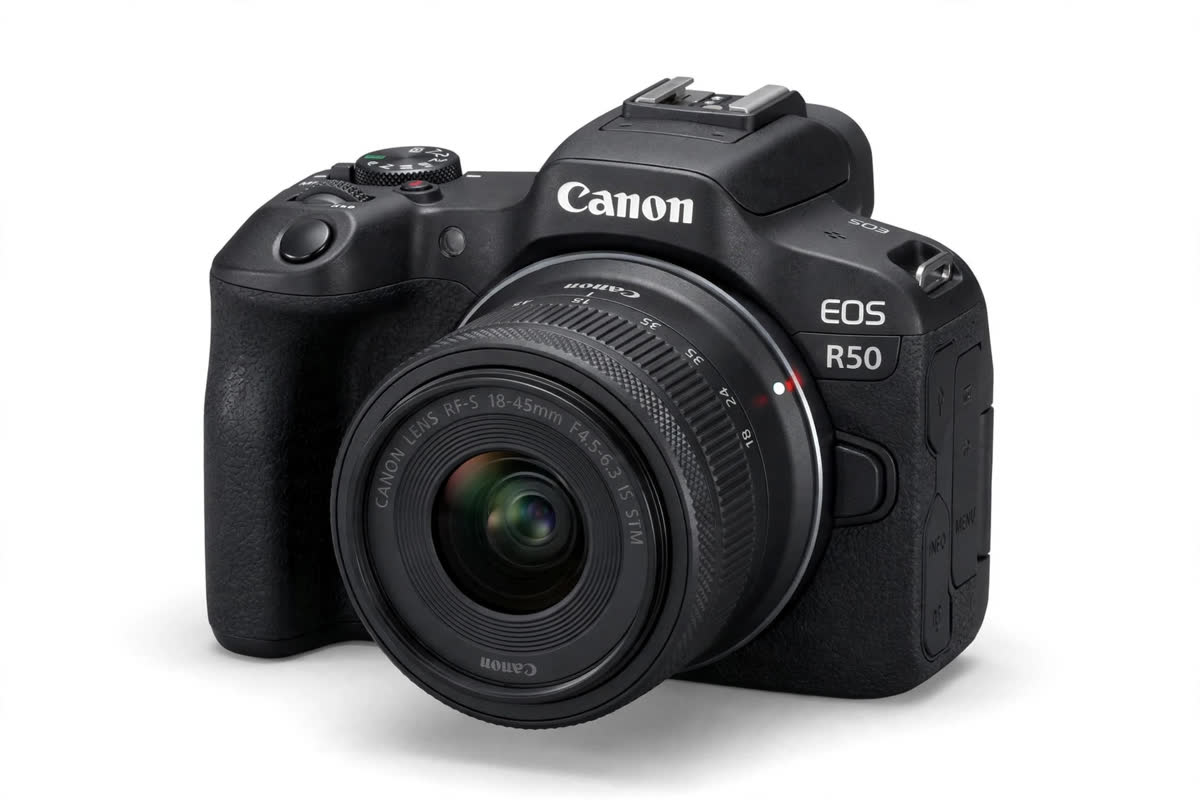
The Canon EOS R50 is real and verified on the official Canon product page, and it is the easiest recommendation for anyone buying their first serious camera. A 24.2 megapixel APS-C sensor with the DIGIC X processor delivers images that embarrass any phone, Dual Pixel CMOS AF II tracks eyes, animals, and vehicles with the confidence of bodies costing three times more, and oversampled 4K video makes it a genuinely strong vlogging tool.
What makes the R50 the best mirrorless camera for beginners is how little it asks of you. The vari angle touchscreen, the guided Creative Assist modes, and the tiny 375 gram body mean you will carry it everywhere, and the RF-S lens mount gives you a clear upgrade path into the full Canon RF system. Battery life is modest and there is a single card slot, which is fair at this price, but the files and the autofocus are not entry level at all.
The honest caveat is the RF-S lens lineup, which is still thinner than the full frame RF lineup, though the EF to RF adapter opens up decades of Canon glass. If your budget stretches a little further and you want more manual control, the Canon R100 below and the Sony a6400 later in this list are the natural next steps. The official Canon EOS R50 page has the full specifications.
2. Sony Alpha a7 III: Best Mirrorless Camera for Full Frame Value
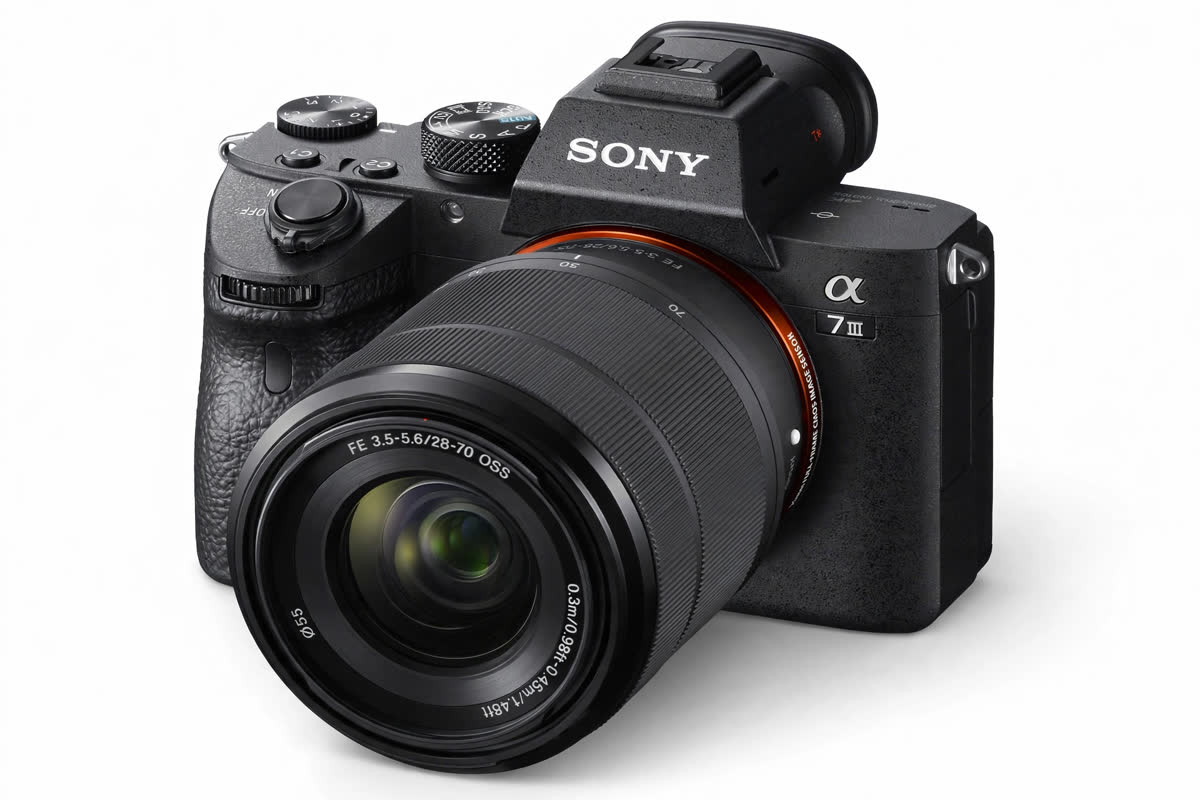
The Sony Alpha a7 III is real, widely documented, and still the benchmark for full frame value years after launch. Its 24.2 megapixel full frame sensor delivers clean high ISO files, the autofocus system with 693 phase detection points was a generation defining leap when it arrived, and the E mount lens ecosystem is the deepest in mirrorless, from budget third party primes to flagship G Master glass.
Why it still earns a best mirrorless camera slot in 2026 is simple math. Used and discounted new bodies sell for less than most new APS-C flagships, yet you get a full frame sensor, dual card slots, and a camera that has shot countless weddings and commercial jobs. The menu system is the old Sony labyrinth and the 4K video is a 1.2x crop in some modes, but for stills shooters on a budget it remains almost impossible to beat.
Buy it if you want full frame image quality for the least money, and skip it if video is your priority, where newer bodies with 10 bit recording pull ahead. For hybrid shooters who need modern video, the Canon R6 Mark II below is the upgrade path that keeps the full frame sensor.
3. Canon EOS R100: Best Mirrorless Camera on a Tight Budget
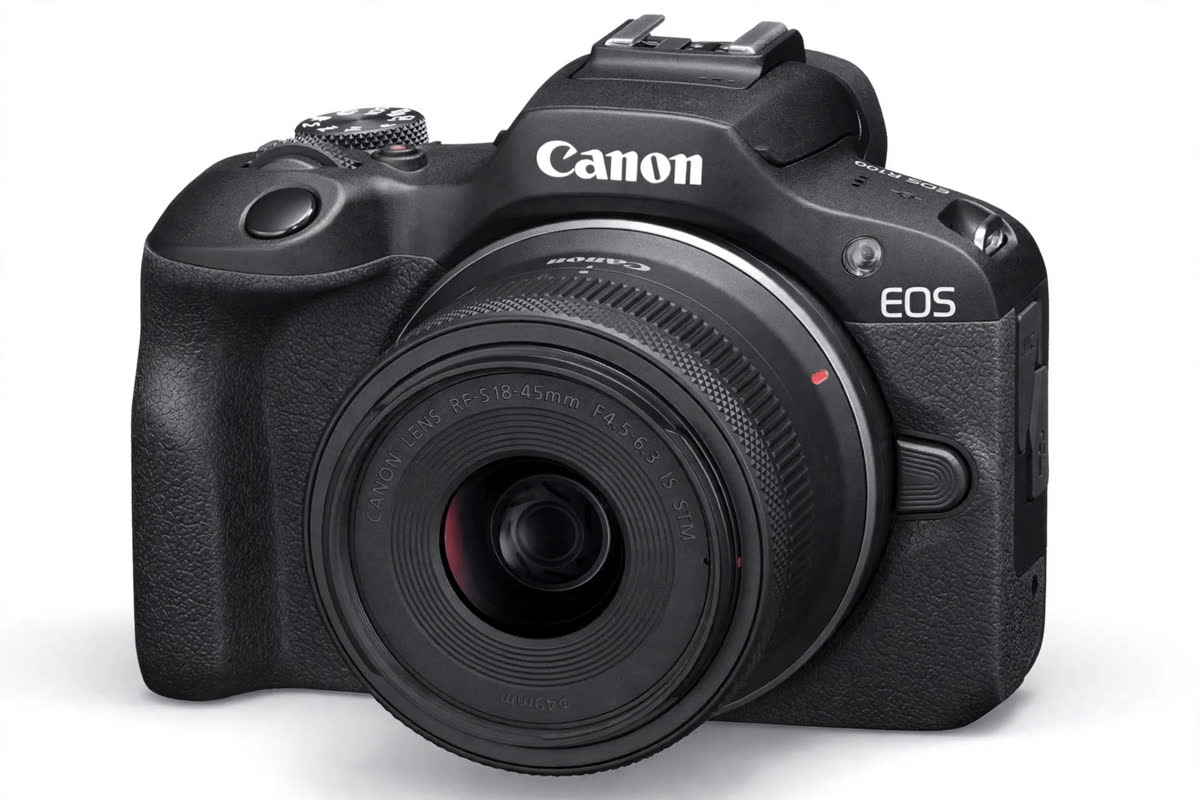
The Canon EOS R100 is real and verified, and it is the cheapest way into the Canon RF mirrorless system. It shares the 24.2 megapixel APS-C sensor and DIGIC X processor with its bigger siblings, so still image quality is genuinely strong, and Dual Pixel CMOS AF II with subject detection covers people, animals, and vehicles.
The tradeoffs for the low price are honest ones. There is no vari angle screen, just a fixed touchscreen, the electronic viewfinder is small, and 4K video carries a heavy crop that makes it a stills first camera. But as a best mirrorless camera pick for students and absolute beginners, it puts Canon color science and RF mount compatibility in your bag for less than a mid range phone.
Note the sheet connection: the R100 Double entry at number 10 is the same camera sold as a two lens kit, which we flag openly there. Buy the single lens R100 if you want the smallest kit, and step up to the R50 above if the flip screen matters to you.
4. Nikon Z fc: Best Mirrorless Camera for Retro Film Style
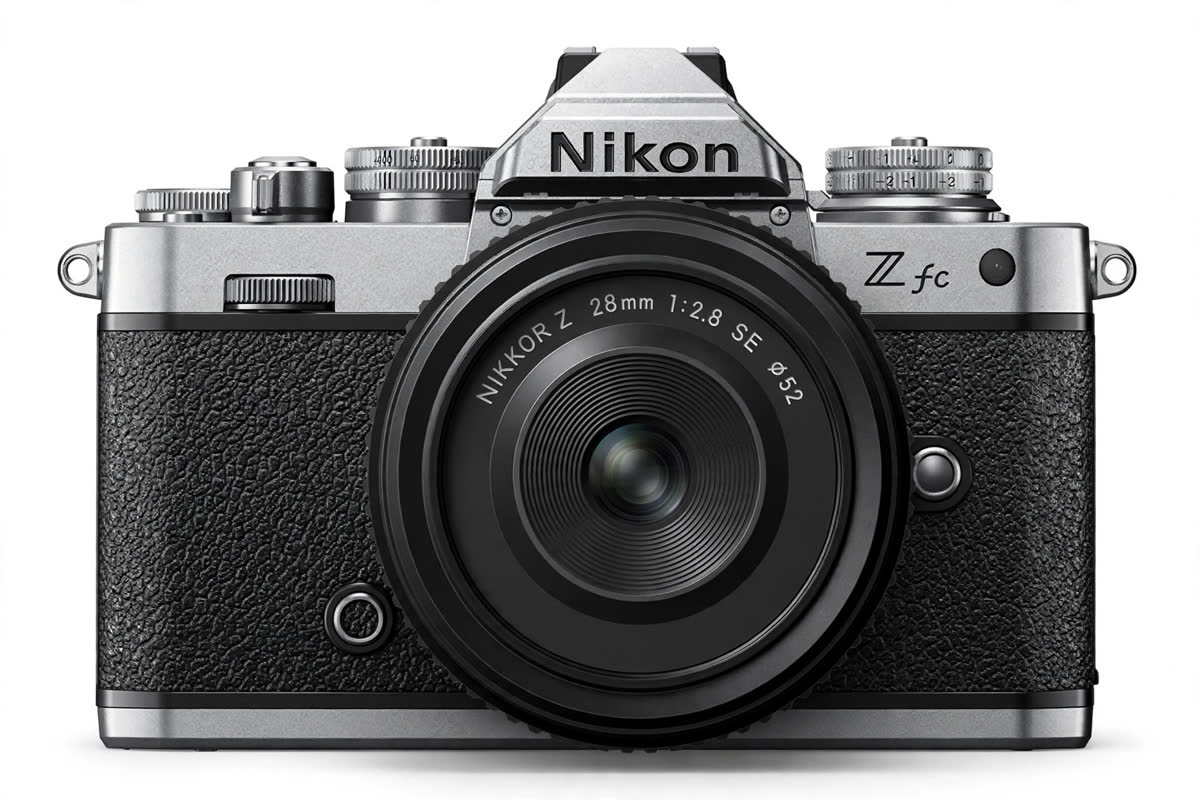
An honest flag first: the sheet lists this camera twice, as Nikon Retro-Inspired here and Nikon Z fc Compact at number 8. They are the same camera, the Nikon Z fc, so we review it once here and flag the repeat below instead of inventing differences. The Z fc is real and well documented: a 20.9 megapixel APS-C mirrorless body wrapped in the dials and styling of the classic Nikon FM2 film camera.
As the best mirrorless camera for shooters who love tactile controls, it is a charmer. Dedicated shutter speed, exposure compensation, and ISO dials make manual shooting a pleasure, the vari angle screen and strong video specs keep it modern, and the Z mount gives access to excellent Nikon glass. Image quality is classic Nikon: clean, natural, and easy to work with.
The caveats are the lack of in body stabilization and an APS-C sensor at a price where some full frame bodies compete. Buy it for the shooting experience and the looks, not for spec sheet dominance, and know that number 8 below is the same camera under a different sheet label.
5. Canon EOS R6 Mark II: Best Mirrorless Camera for Hybrid Shooters
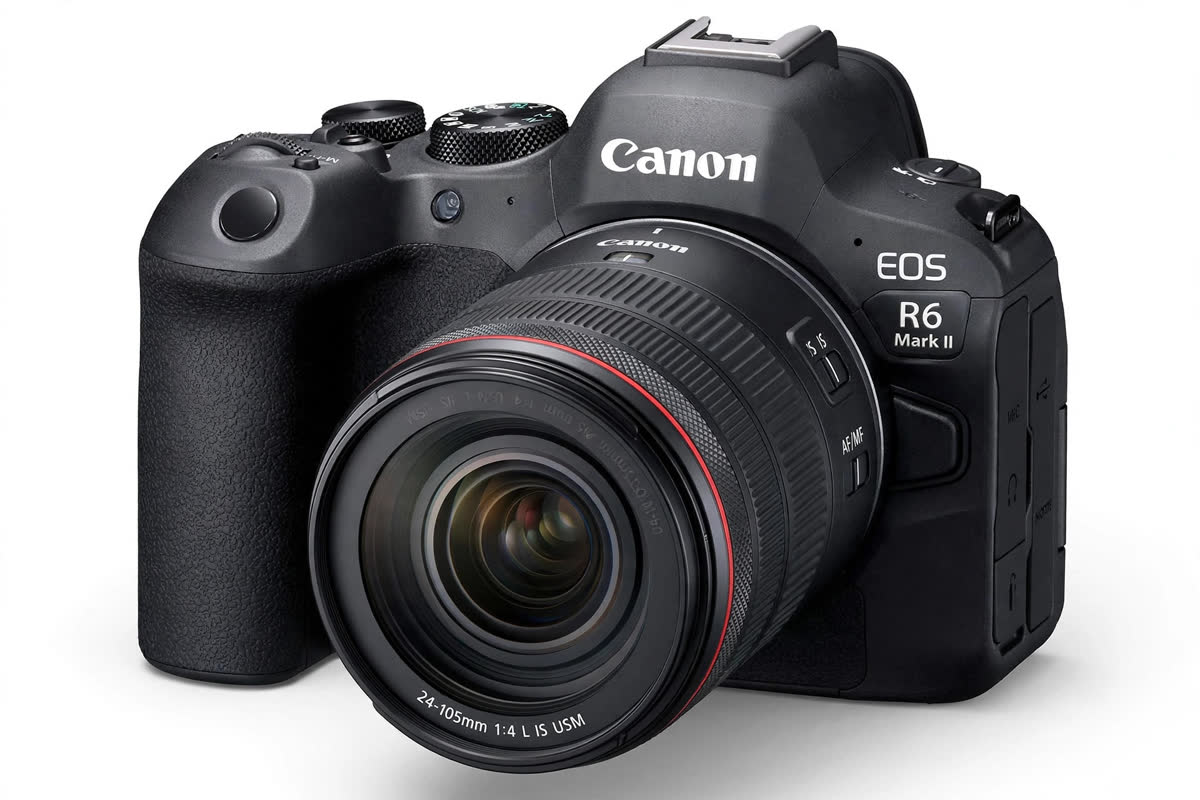
The Canon EOS R6 Mark II is real and verified on the official Canon product page, and it is the best mirrorless camera for anyone who shoots stills and video in equal measure. The 24.2 megapixel full frame sensor is paired with up to 40 frames per second electronic shooting, subject detection that recognizes people, animals, and vehicles including horses, trains, and planes, and 4K 60p video oversampled from 6K with Canon Log 3.
In practice this is the body working professionals reach for when one camera must do everything: weddings, events, YouTube, client video, and travel. In body stabilization rated up to 8 stops, dual card slots, and a deep buffer make it dependable, and the RF lens lineup is now mature enough that every focal length has a strong option. The 24 megapixel resolution is the honest compromise, plenty for almost everything, limiting only for heavy cropping or huge prints.
If you need more resolution, the Canon R5 Mark II is the step up within the same system. For most hybrid shooters, though, the R6 Mark II is the sweet spot of the entire Canon lineup. The official Canon EOS R6 Mark II page lists the complete specifications.
6. Fujifilm X-T30: Best Mirrorless Camera for Film Look Fans
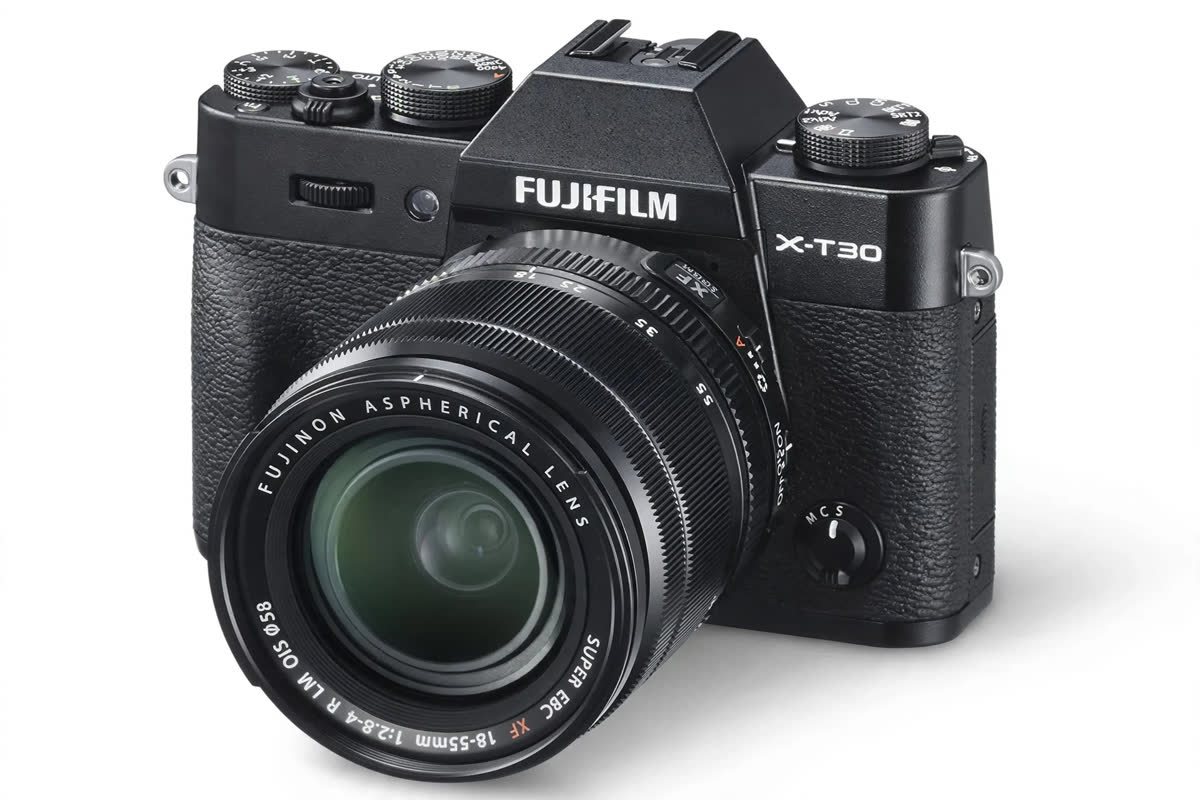
The Fujifilm X-T30 is real and well documented, and it remains the best mirrorless camera for photographers who want gorgeous color straight out of the camera. Fujifilm film simulations like Classic Chrome, Velvia, and Acros are the reason people buy into the X system, and the X-T30 packs the same 26.1 megapixel X-Trans 4 sensor and processor as the flagship X-T3 of its generation into a much smaller body.
The dials driven design will feel instantly familiar if you learned on film, the X mount has one of the best APS-C lens lineups in existence, and the compact size makes it a true everyday camera. The honest caveats are age: it has been superseded by the X-T30 II, which is the version to buy new, and there is no in body stabilization, so low light shooting leans on fast lenses or a tripod.
Buy the X-T30 II new or the original X-T30 used, and either way you get the film simulation magic that no other brand quite replicates. It is the soulful pick on this list.
7. Sony Alpha a6400: Best Mirrorless Camera for Vlogging Value
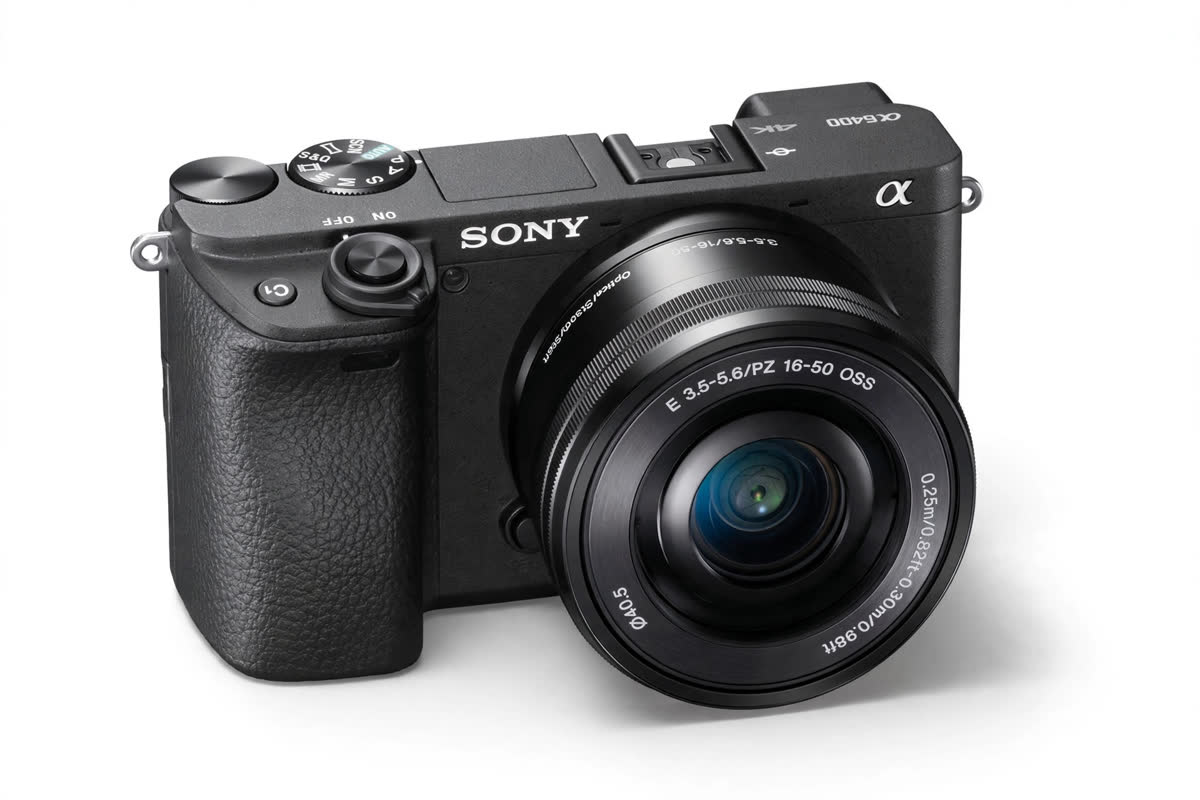
The Sony Alpha a6400 is real and widely documented, and it is still one of the smartest buys for video first creators on a budget. The 24.2 megapixel APS-C sensor delivers sharp 4K with full pixel readout and no crop, Real Time Eye AF and subject tracking are excellent, and the 180 degree flip up screen made it a vlogging staple from day one.
As a best mirrorless camera for vlogging value, the a6400 wins on the E mount ecosystem: affordable Sigma primes, compact Sony zooms, and endless used options. The caveats are familiar Sony compromises of its generation, no in body stabilization, a menu system from the older era, and rolling shutter in 4K if you whip pan. For talking head video, product demos, and travel vlogs on a tripod or gimbal, none of that matters much.
If you can stretch the budget, the newer ZV-E10 series is built specifically for vloggers, but the a6400 with its viewfinder remains the better hybrid for anyone who still shoots stills seriously.
8. Nikon Z fc Compact: Best Mirrorless Camera for Stylish Travel
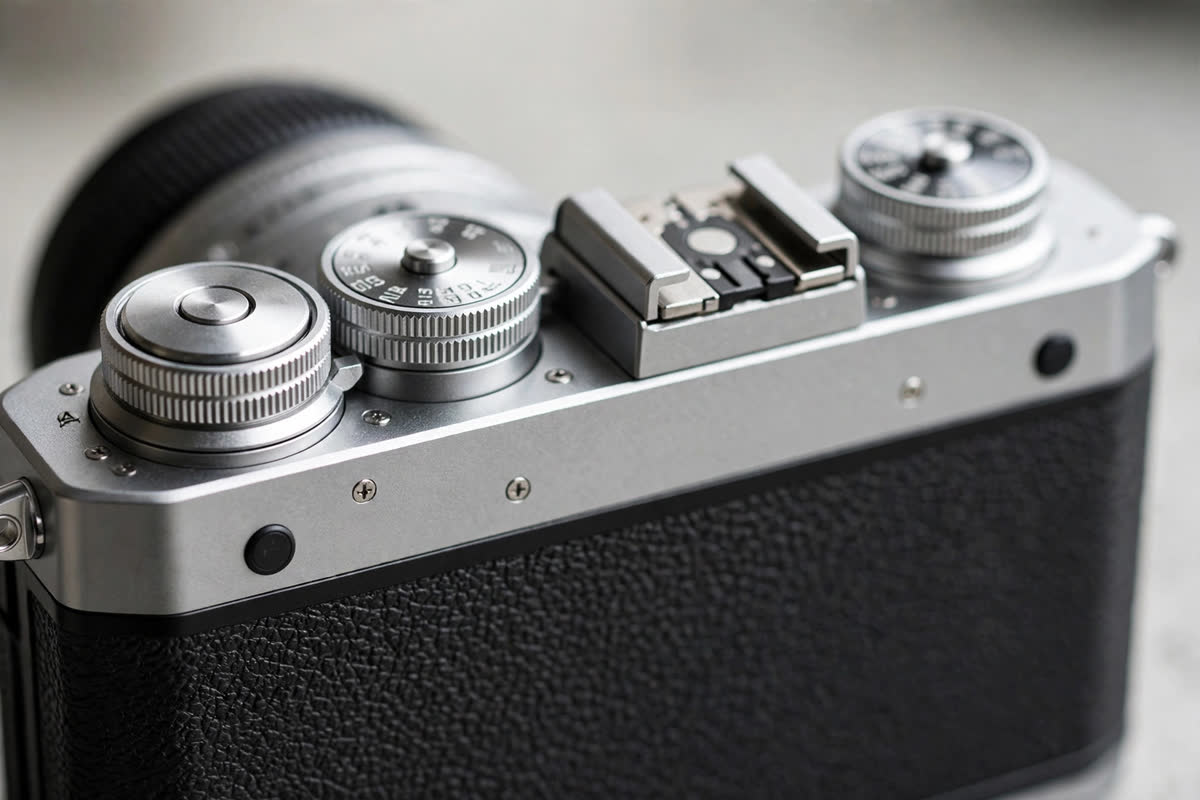
The second honest flag on this list: Nikon Z fc Compact is the same camera as the Nikon Retro-Inspired entry at number 4, the Nikon Z fc. The sheet simply labeled it twice, so we review the travel angle here and repeat the core facts rather than pretend it is a different model. Everything said at number 4 about the 20.9 megapixel APS-C sensor, the FM2 inspired dials, and the Z mount applies here.
Viewed as a travel camera, the Z fc makes a strong case. It is light, the prime lens options like the 28mm and 40mm SE editions are tiny and sharp, and it looks like a film camera while shooting thoroughly modern files. The vari angle screen handles vlogging and low angle street work, and USB charging keeps the kit simple on the road.
The same caveats apply: no in body stabilization and an APS-C sensor at this price. If the retro styling does not move you, the Canon R50 or Sony a6400 give you more modern features for less money, but neither looks this good doing it.
9. Panasonic Lumix S9: Best Mirrorless Camera for Compact Full Frame
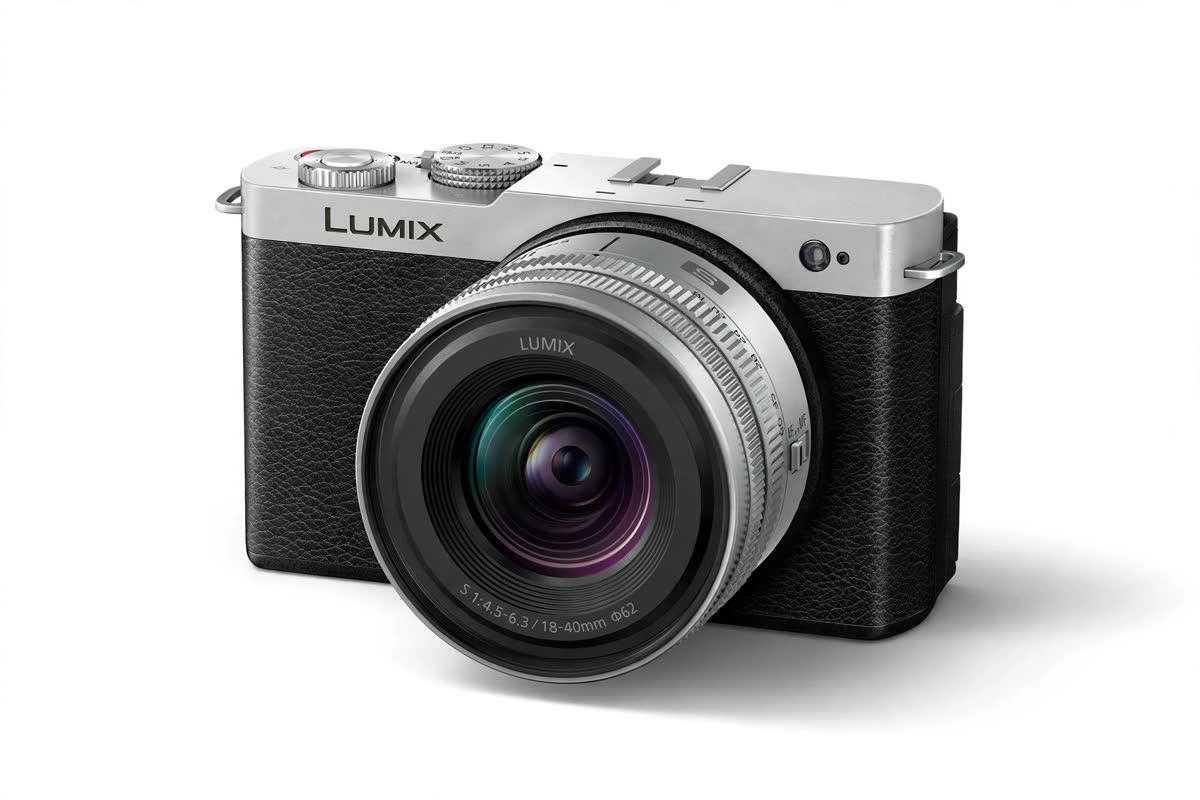
The Panasonic Lumix S9 is real and verified, and it is the best mirrorless camera for anyone who wants a full frame sensor in a body barely bigger than an APS-C camera. The 24.2 megapixel full frame sensor shares its DNA with the acclaimed S5 II, phase hybrid autofocus finally fixes Panasonic historic AF weakness, and the dedicated LUT button puts custom color looks one press away, which content creators love.
The S9 is openly a creator first camera: superb 6K open gate video, excellent stabilization, and a genuinely pocketable footprint with a pancake lens. The honest tradeoffs are the missing electronic viewfinder, the missing mechanical shutter, and the single card slot, which keep it out of professional stills work. The L mount lens lineup is also smaller than Canon, Sony, or Nikon, though Sigma support helps enormously.
Buy it as a video forward travel camera with full frame image quality, and look at the Canon R6 Mark II above if you need a viewfinder and a shutter you can trust for paid work.
10. Canon R100 Double: Best Mirrorless Camera Two Lens Kit
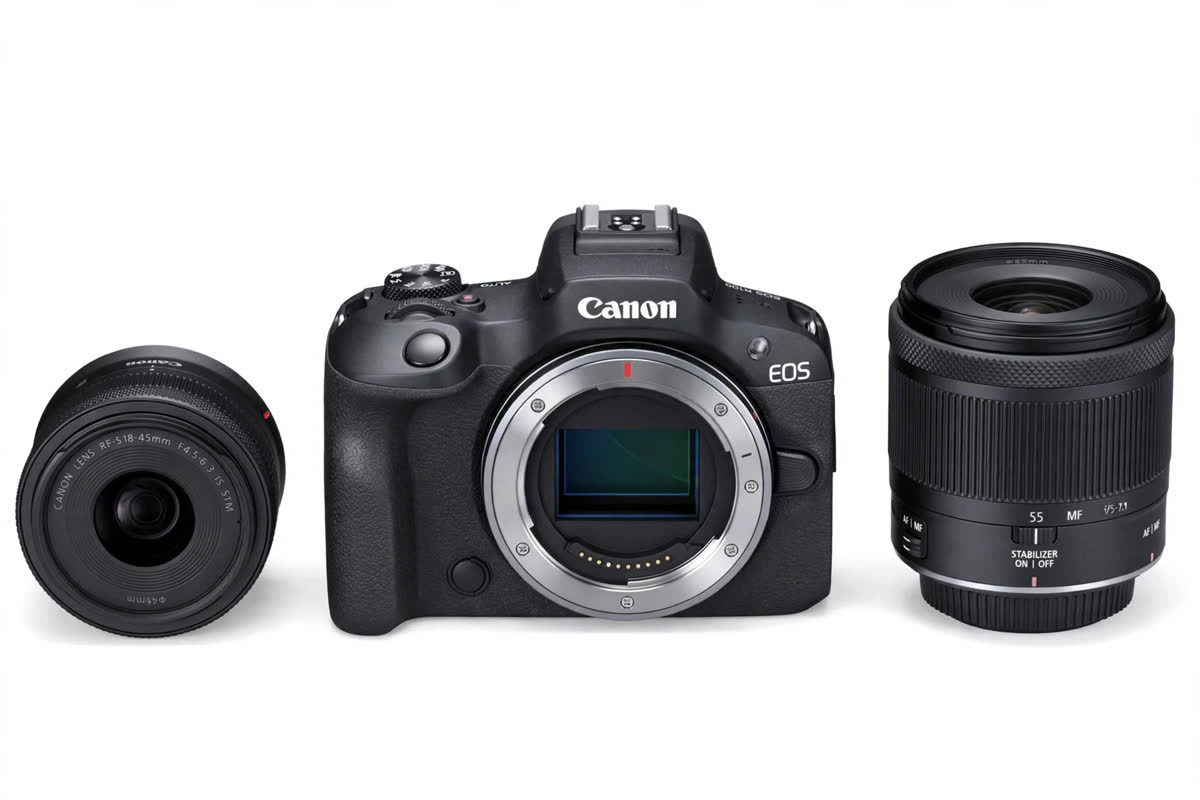
The final honest flag: Canon R100 Double is the same Canon EOS R100 reviewed at number 3, sold as the double zoom kit with two lenses instead of one. We keep the sheet order and review the kit rather than inventing a new camera. The body is identical: 24.2 megapixel APS-C sensor, DIGIC X processor, and Dual Pixel CMOS AF II.
As a kit, the double zoom bundle is actually one of the smartest beginner buys in all of mirrorless. You get a standard zoom for everyday shooting and a telephoto zoom for sports, wildlife, and travel compression, covering roughly 29 to 400mm equivalent in a bag that still weighs less than an old DSLR with one lens. For a new photographer, that range teaches composition faster than any single lens can.
The same R100 caveats apply, fixed screen, small viewfinder, cropped 4K, but if you are choosing between the single lens R100 and this double kit, the two lens bundle is the better value almost every time, and it remains the cheapest path into the Canon RF system with real reach.
Final Pick
For the best mirrorless camera overall in 2026, our pick is the Canon EOS R6 Mark II. It is the rare body with no serious weakness: a proven 24.2 megapixel full frame sensor, class leading subject detection autofocus, 40 frames per second shooting, genuinely excellent 4K 60p video, and in body stabilization that makes handheld work easy. It is the camera we would buy if one body had to earn its keep across stills and video.
If the budget is tight, the Canon EOS R50 is the best mirrorless camera for the money, giving you modern Canon autofocus and 4K video in a tiny affordable body. Full frame on a budget points to the Sony a7 III, retro charm points to the Nikon Z fc, and film look lovers should get the Fujifilm X-T30 II. Match the camera to your shooting, buy the lenses second, and any body on this list will serve you for years.
Frequently Asked Questions
Is mirrorless better than DSLR in 2026?
For almost every buyer, yes. Mirrorless cameras focus faster and more accurately, especially for eyes and moving subjects, shoot silently, and show you the exposure before you press the shutter. DSLRs keep an edge only in battery life per charge and in the used market, where older pro bodies are genuine bargains.
Should I buy full frame or APS-C?
Buy full frame if you shoot in low light often, want the shallowest depth of field, or earn money from your images. Buy APS-C if you travel light, shoot sports or wildlife where the crop factor gives you free reach, or want the best value. Modern APS-C sensors are excellent, and the best mirrorless camera for you is the one that fits your hands and budget.
How important is the lens ecosystem?
Extremely. The body is a two to five year purchase, but lenses last decades, so choose the system with the glass you can afford. Sony E mount has the deepest third party support, Canon RF has the strongest first party lineup, Nikon Z is excellent and growing, and Fujifilm X is the best APS-C only system.
Do I need in body image stabilization?
It helps enormously for handheld video and low light stills, and we recommend it if your budget allows. That said, stabilized lenses, tripods, and gimbals cover most situations, and cameras like the Nikon Z fc and Fujifilm X-T30 take wonderful photos without it. Do not reject an otherwise perfect camera just for missing IBIS.
Is 24 megapixels enough in 2026?
For the vast majority of shooters, yes. Twenty four megapixels prints beautifully at large sizes, crops comfortably, and keeps file sizes manageable. Higher resolution matters for landscape, commercial, and heavy cropping work, where 33 to 61 megapixel bodies earn their keep, but most photographers will never miss the extra pixels.
What is the best mirrorless camera for video?
On this list, the Canon EOS R6 Mark II and Panasonic Lumix S9 lead for video, with 4K 60p, strong stabilization, and creator friendly features. The Sony a6400 remains the budget video king. If video is more than half your work, prioritize 10 bit recording, good autofocus tracking, and stabilization over stills resolution.
The Bottom Line
The best mirrorless camera is the one that matches your subjects, your bag, and your budget, not the one with the longest spec sheet. Start with the system whose lenses you can afford, pick the body that fits your hands, and spend the savings on glass and on going places worth photographing. The Canon EOS R6 Mark II is our overall pick for doing everything well, the Canon EOS R50 is the value king, and every camera on this list is a real, verified product you can buy with confidence today.