
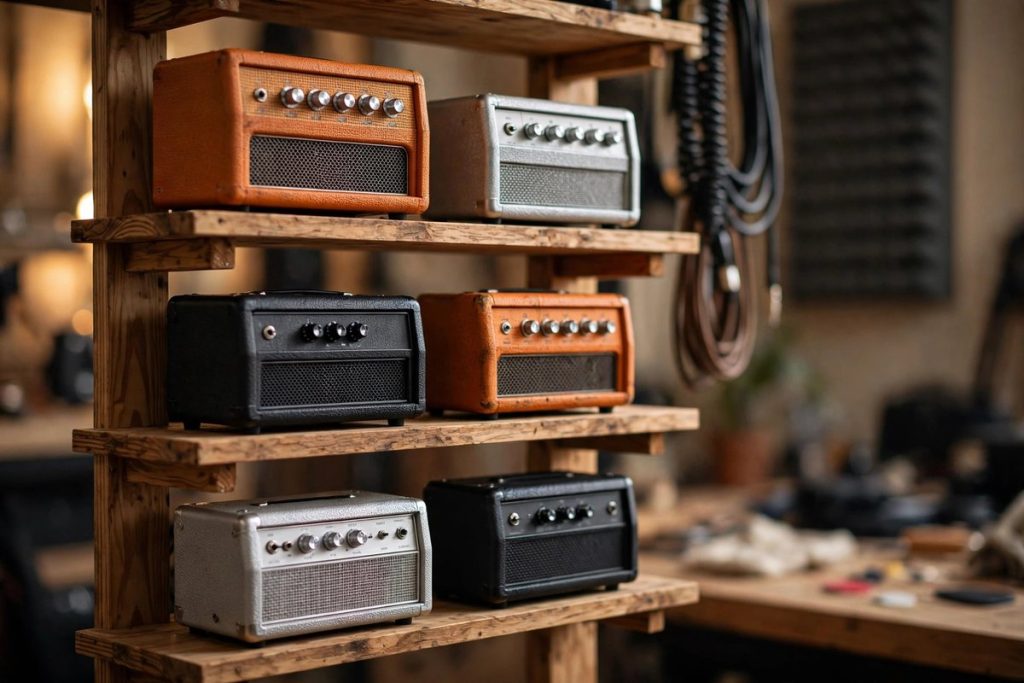
10 Best Lunchbox Amps – Our 2026 Picks Reviewed
Introduction
Lunchbox amps have quietly become one of the smartest buys in guitar gear. These compact amplifier heads pack genuine stage worthy tone into a box small enough to carry with one hand, and in 2026 the category has never been stronger. Whether you are recording at home, rehearsing in a small room, flying to a session, or gigging clubs where a full size stack is overkill, the best lunchbox amps give you real tube feel, modern direct recording features, or both, without the backache.
This guide reviews ten of the best lunchbox amps available right now, covering classic British crunch, American high gain, modern direct recording machines, and budget friendly metal monsters. We looked at tone quality, power flexibility, portability, build quality, and useful features like effects loops, reverb, and silent recording outputs. Every pick below is presented as a review only, with no purchase links, so you can compare honestly and choose based on your playing style. For more guitar gear roundups like this one, visit DixTrick and explore our full collection of guides.
Lunchbox amps generally range from 1 to 30 watts, and that small number hides a big truth: a well designed 15 or 20 watt head through an efficient cabinet can be shockingly loud. What separates the great ones from the gimmicks is how they behave at low volume, how they take pedals, and whether their feature set matches real world needs like silent practice and direct recording. The ten amps below each answer those questions differently, which is exactly why this list exists.
How We Chose the 10 Best Lunchbox Amps Options
We evaluated each amplifier against the criteria that matter most to working guitarists, home recordists, and bedroom players. Power ratings and feature lists came from manufacturer specifications and established retailer listings, and we weighted real world usability over marketing claims. Here is what we looked for:
- Tone quality: does the amp have a distinct, musical voice that holds up at both low and high volume, with good note definition under gain
- Power flexibility: switchable wattage, attenuators, or low power modes that let you match the amp to bedrooms, studios, and stages
- Portability: compact footprint and manageable weight, since easy transport is the whole point of the lunchbox format
- Build quality: rugged construction, reliable components, and a track record of holding up to regular use
- Useful features: effects loops, reverb, direct or emulated outputs, headphone jacks, and footswitching that solve real problems
- Value: what you get for the money, from budget friendly workhorses to premium heads that justify their price with tone and features
- Honest scope: every entry is review only, with strengths and caveats stated plainly so you can match the amp to your needs
Table of Contents
1. Orange Dual Terror
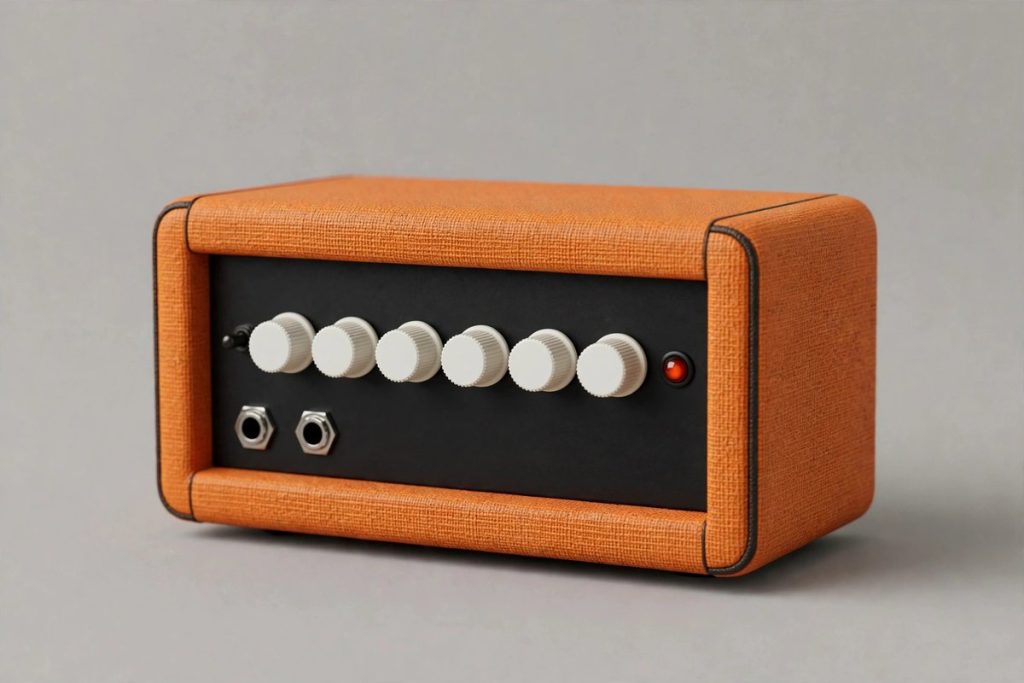
The Orange Dual Terror is one of the most proven names among the best lunchbox amps, a two channel all tube head that delivers the classic Orange voice in a genuinely portable box. The Tiny Terror channel recreates the sound of the original 15 watt amp that helped start the lunchbox craze, while the Fat channel adds warmth and extra gain for thicker rhythm parts and lead lines.
Power switching between 30, 15, and 7 watts lets you scale headroom to the room, and the included padded gig bag makes it gig ready straight out of the box. With EL84 power tubes and simple gain, tone, and volume controls per channel, it stays true to the plug in and play philosophy that made Orange famous.
This is the amp for players who want honest British crunch without menu diving. It suits classic rock, hard rock, punk, and stoner tones beautifully, and the 30 watt setting has enough muscle for small to medium gigs when paired with an efficient cabinet. In the studio it records well at the lower power settings, and at 7 watts you can push the power section into natural breakup at manageable volume. It also takes pedals well in front of the amp, so your favorite drive and fuzz pedals become part of the sound rather than fighting it.
The Dual Terror has no effects loop, so time based effects must go in front of the amp, which high gain players may not love. The single tone knob per channel offers less EQ control than amps with full three band sections, and its voice is unmistakably Orange, so players chasing scooped American high gain or pristine glassy cleans should look elsewhere. It is also one of the heavier lunchbox heads in this class, so true featherweight portability belongs to other picks on this list.
- Best for: classic British crunch with gig ready simplicity
- Look for: the Fat channel for lead work and the 7 watt mode for recording
- Keep in mind: no effects loop and limited EQ shaping
2. Diezel VH-Micro
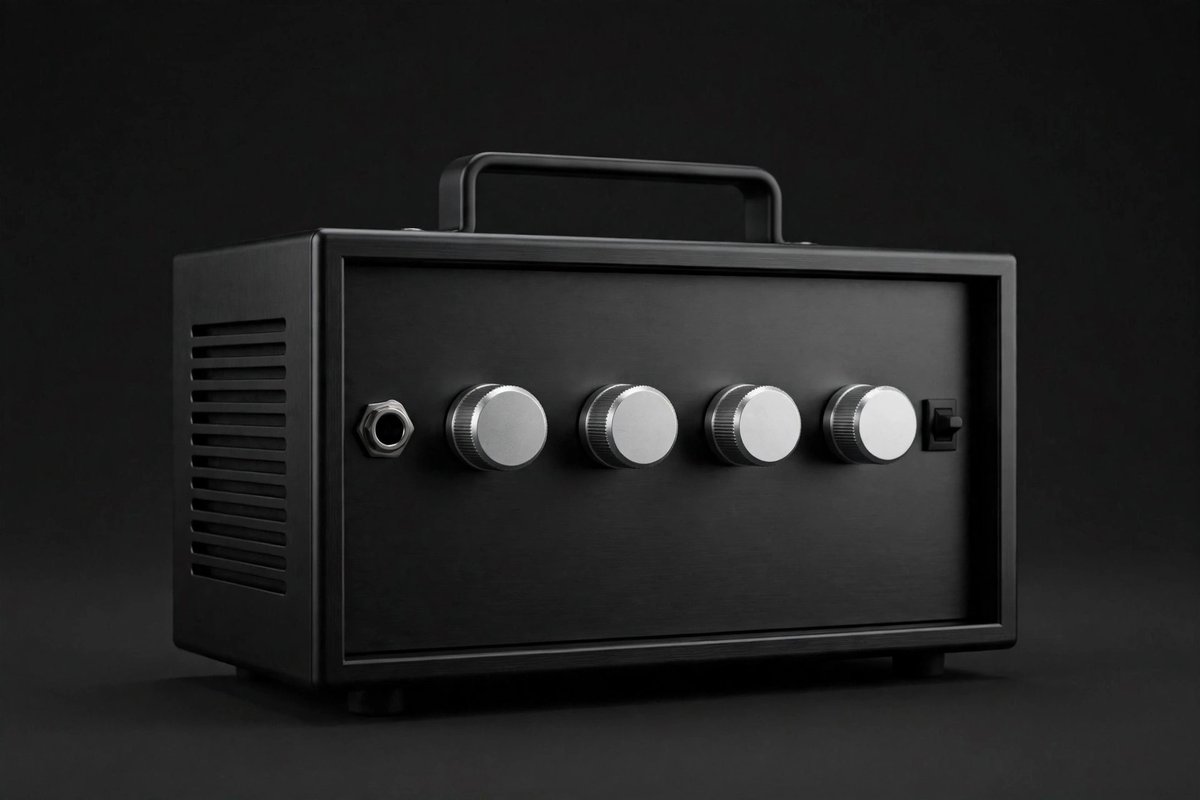
German high gain legend Diezel shrunk the mighty VH4 into the VH-Micro, a 30 watt solid state head that captures the tight, aggressive character of the VH4 third channel. For its size it is absurdly loud and punchy, with the signature Deep and Presence controls giving you command over low end thump and top end bite. The familiar Master, Bass, Middle, Treble, and Gain layout makes it easy to dial in, and a series effects loop lets you run delays and reverbs after the preamp where they belong. At around four pounds with a universal 24V power supply, it is built for players who travel light.
Metal and hard rock players who love tight low end will feel at home here. The VH-Micro excels at modern rhythm tones that stay articulate under fast picking and low tunings, and it has enough output to keep up in rehearsals and small gigs. Think of it as a dedicated high gain machine that cleans up reasonably with your guitar volume knob. It pairs nicely with a noise gate and an EQ pedal in the loop if you want the full professional metal rig in miniature, and owners consistently praise how big it sounds through a good cabinet.
There is no clean channel and no reverb, so versatility is limited compared to the two channel heads on this list. Some players find the stock voicing benefits from a gate and careful EQ to reach its best, as user reviews note. Solid state skeptics who want tube feel under the fingers should try before committing, and the external power supply is one more thing to keep track of on the road. Within its mission, though, few lunchbox amps hit this hard.
- Best for: tight modern metal tone in a travel friendly package
- Look for: the Deep and Presence controls to shape your low end
- Keep in mind: single channel high gain focus with no onboard reverb
3. Revv G20
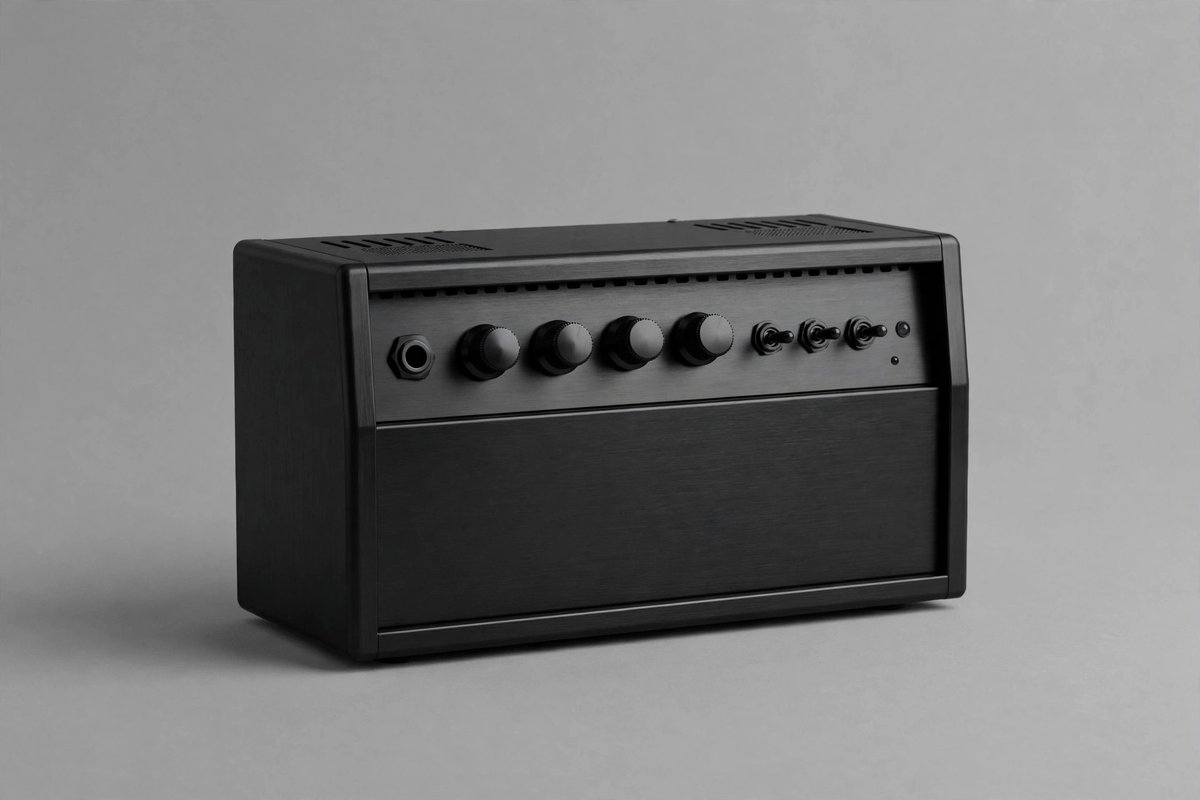
The Revv G20 is arguably the most forward thinking of the best lunchbox amps, a 20 watt all tube head with Two Notes reactive load and cabinet emulation built in. The clean channel runs from sparkling to crunchy, while the gain channel draws on Revv tight Purple channel for modern high gain. Six virtual cabinets are selectable from the front panel and expandable via MIDI, and the reactive load engages automatically when no speaker is connected, so you can record silently or go direct to a PA with confidence. A 4 watt power reduction mode, buffered effects loop, headphone output, and XLR direct out round out a genuinely complete feature set.
This is the lunchbox for the modern recording guitarist. If your workflow centers on silent practice, direct recording, or in ear monitored stages, the G20 removes the need for a separate cab, microphone, and load box entirely. The tube power section still gives you real amp feel when you do plug into a cabinet, and the three Aggression levels let you tailor saturation from classic rock to full metal. It suits players who want one amp that covers the bedroom, the studio, and the stage without compromise.
All that technology comes at a higher price than simpler heads, and players who only ever plug into a cabinet may not use half the features they are paying for. The compact front panel packs a lot of controls into a small space, so expect a learning curve, and the footswitch is sold separately. If you want pure simplicity, a more basic head on this list will get you playing faster, but nothing else here matches the G20 as a complete direct recording solution.
- Best for: silent recording and direct performance with real tube tone
- Look for: the built in reactive load and virtual cabinets
- Keep in mind: premium pricing and a steeper learning curve
4. Bogner Ecstasy Mini
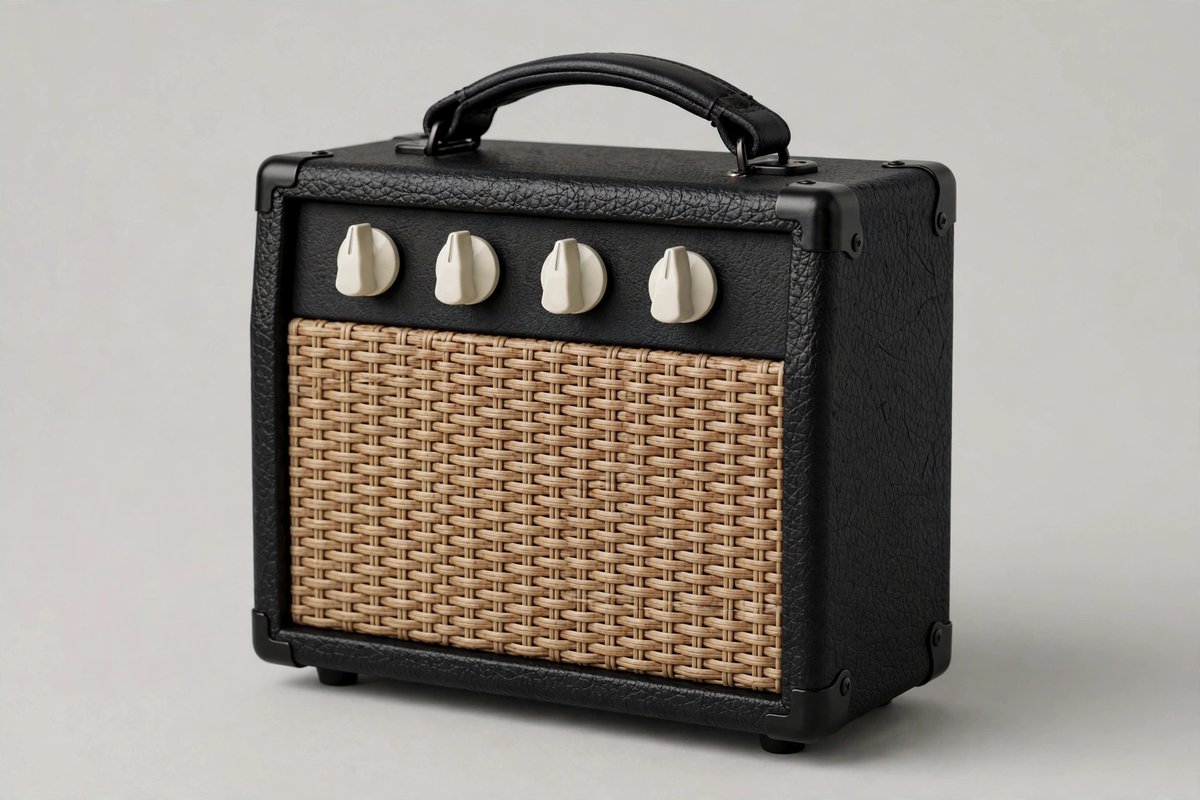
The Bogner Ecstasy Mini distills the legendary Ecstasy Red channel into a 30 watt solid state head that weighs under four pounds. Volume, Presence, Treble, Middle, Bass, and Gain controls are joined by four mini toggle switches covering Variac, Gain voicing, Mid frequency, and Pre EQ, giving you remarkable tone shaping for an amp this small. The onboard Variac lets you chase a compressed, brown sound style feel, and the effects loop handles your pedalboard gracefully. It takes pedals exceptionally well and has a strong reputation among owners for sounding far bigger than it looks.
Versatile rock players will appreciate how much ground one channel covers, from bluesy crunch to modern high gain. It works beautifully as a pedal platform: set the amp at the edge of breakup and let your drive pedals do the talking. Home recordists and fly rig players love the universal power supply and tiny footprint, and it can drive a 2×12 or even a 4×12 convincingly for rehearsals. If you have always coveted the Ecstasy high gain voice but not the full size price or weight, this is the most direct route in.
Like the Diezel, this is a single channel, high gain focused amp with no reverb and no dedicated clean channel, so it is not the pick for players who need pristine cleans at the stomp of a switch. The cluster of mini toggles can be fiddly to adjust mid gig, and some players will always prefer the feel of real tubes under their fingers. If you want Bogner tone with tubes and more channels, the full size Ecstasy is a different and much more expensive conversation.
- Best for: versatile high gain tones in the smallest possible package
- Look for: the Variac and Pre EQ switches for instant character changes
- Keep in mind: single channel with no reverb
5. Marshall DSL1HR
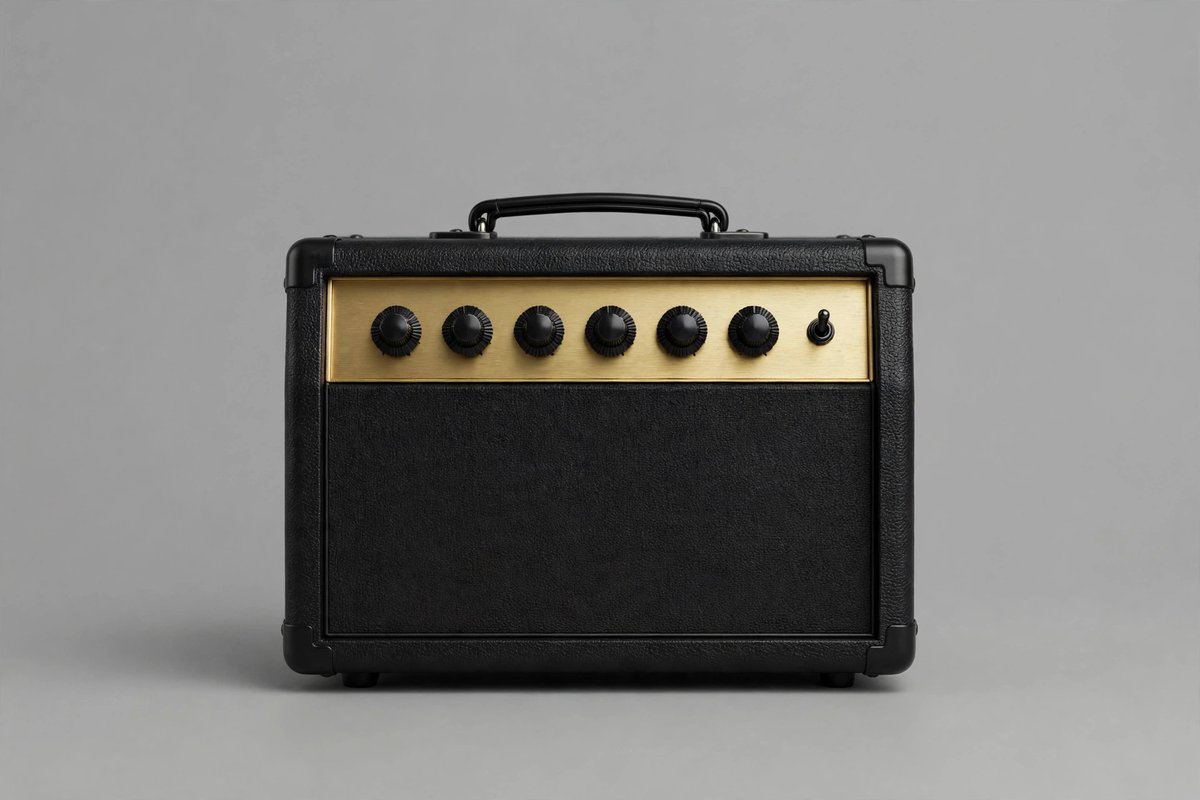
The Marshall DSL1HR brings the long running DSL lineage down to a true bedroom friendly 1 watt head that drops to 0.1 watts at the flick of a switch. Two footswitchable channels, Classic Gain and Ultra Gain, span sparkling cleans through JCM style crunch to modern high gain, with a shared three band EQ plus Tone Shift and Deep switches for extra shaping. Studio quality digital reverb, a series effects loop, and a Softube designed emulated line output make it a complete low volume recording rig, and the included footswitch is a welcome touch at this size.
This is the definitive pick for apartment players and home recordists who want genuine Marshall tone at conversation volume. The 0.1 watt mode lets you crank the amp into natural power amp saturation without angering neighbors, while the emulated output sends a convincing mic style cab sound straight to your interface or headphones. It is also a great first tube amp: simple to understand, affordable relative to bigger Marshalls, and it teaches you how real tube amps respond to your picking dynamics and guitar volume knob.
One watt will not keep up with a loud drummer, so gigging players need a bigger DSL for stage work. The shared EQ across channels is a compromise if you want very different clean and lead tones, and the single 16 ohm speaker output limits cabinet pairing options compared to heads with multiple impedance taps. It is a practice and recording specialist, and it is honest about being one, which is exactly why it belongs among the best lunchbox amps for home players.
- Best for: real Marshall tube tone at bedroom volume
- Look for: the 0.1 watt mode and emulated output for silent recording
- Keep in mind: not loud enough for unmiked gigs
6. EVH 5150III LBXII
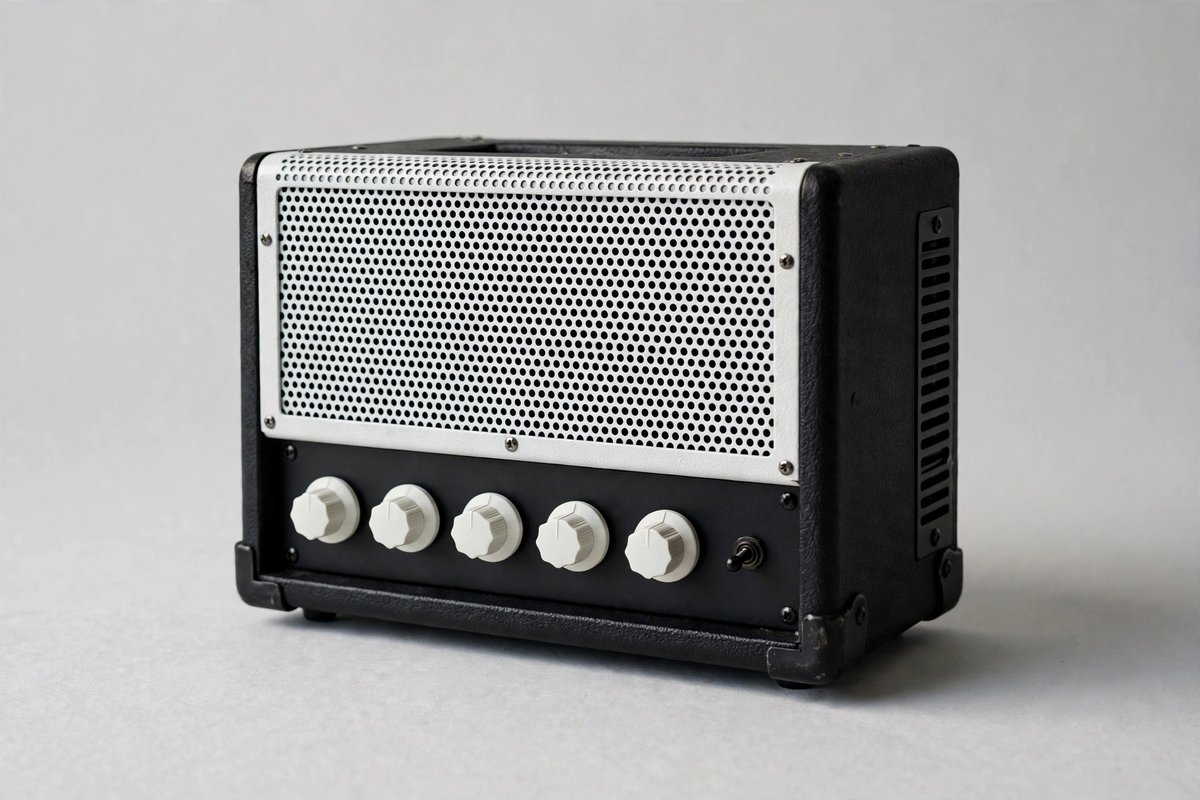
The EVH 5150III LBXII is the definitive 15 watt lunchbox in Eddie Van Halen amp line, packing the famous Green and Blue channels into a head you can carry with one hand. The Green channel delivers sparkling cleans that push into bluesy crunch, while the Blue channel brings the tight, saturated 5150 overdrive with sustain for days. Dual concentric gain and volume knobs give each channel independent control despite the compact panel, and a quarter power switch drops output to 3.5 watts for late night playing. EL84 power tubes and the distinctive white cage styling make it instantly recognizable on any stage.
Rock and hard rock players who grew up on the 5150 sound will find everything they want here. It is loud enough for rehearsals and small gigs at full 15 watts, takes boosts well in front, and the effects loop handles delays and modulation properly. It also sits perfectly in a home studio, where the low power mode lets you open the amp up without rattling windows, and it pairs well with a 1×12 or 2×12 cabinet for a full size sound. Few amps in this class carry this much heritage per pound.
Two channels is the limit: there is no dedicated lead channel like the 50 and 100 watt 5150IIIs, so modern metal players may want more saturation than the Blue channel offers on its own. The concentric knobs save space but can be fiddly to adjust quickly on a dark stage. And while the 5150 voice is iconic, it is a specific flavor, so players wanting neutral or vintage tones should audition carefully before committing.
- Best for: authentic 5150 crunch in a portable 15 watt head
- Look for: the quarter power switch for home use
- Keep in mind: only two channels and compact concentric controls
7. MESA/Boogie Mini Rectifier 25
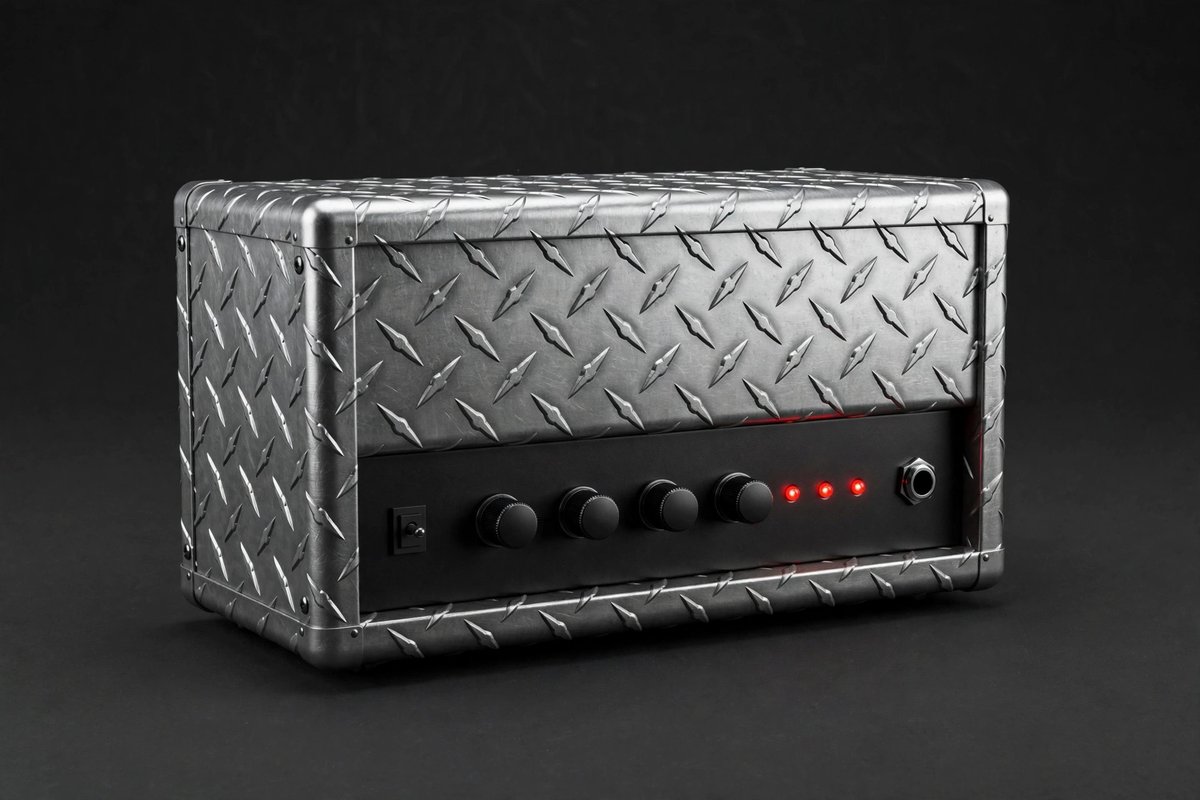
The MESA/Boogie Mini Rectifier Twenty Five puts genuine handwired in California Mesa tone into a lunchbox head with Multi Watt power switching. Each of the two channels gets its own 25 or 10 watt setting, and the four modes, Clean and Pushed on channel one, Vintage and Modern on channel two, cover everything from sparkling cleans to the liquid high gain that defined modern rock. The tube driven effects loop is bypassable, build quality is tank like, and the included gig bag keeps it road ready from day one.
This is the amp for players who want the Rectifier sound without the back breaking 100 watt head. Channel assignable power means you can run cleans at 25 watts for headroom and the gain channel at 10 watts for earlier breakup, a flexibility few lunchbox amps match. It records beautifully, gigs confidently in small to medium rooms, and the Modern mode delivers the tight, aggressive rhythm tone that made the Recto famous. EL84 power tubes give it a slightly different flavor from its bigger 6L6 siblings, but the character is unmistakably Mesa.
Mesa tone comes with Mesa complexity: the interactive controls take time to learn, and the amp rewards patience more than plug and play simplicity. It sits at the premium end of this list, and there is no reverb or direct output, so silent recording needs extra gear. Players who dislike the Recto midrange character will not be converted by the smaller box, but believers will find everything they expect in miniature.
- Best for: authentic Rectifier tone with flexible channel assignable power
- Look for: the 10 watt modes for earlier power tube breakup
- Keep in mind: premium price and a learning curve
8. PRS Mark Tremonti MT15
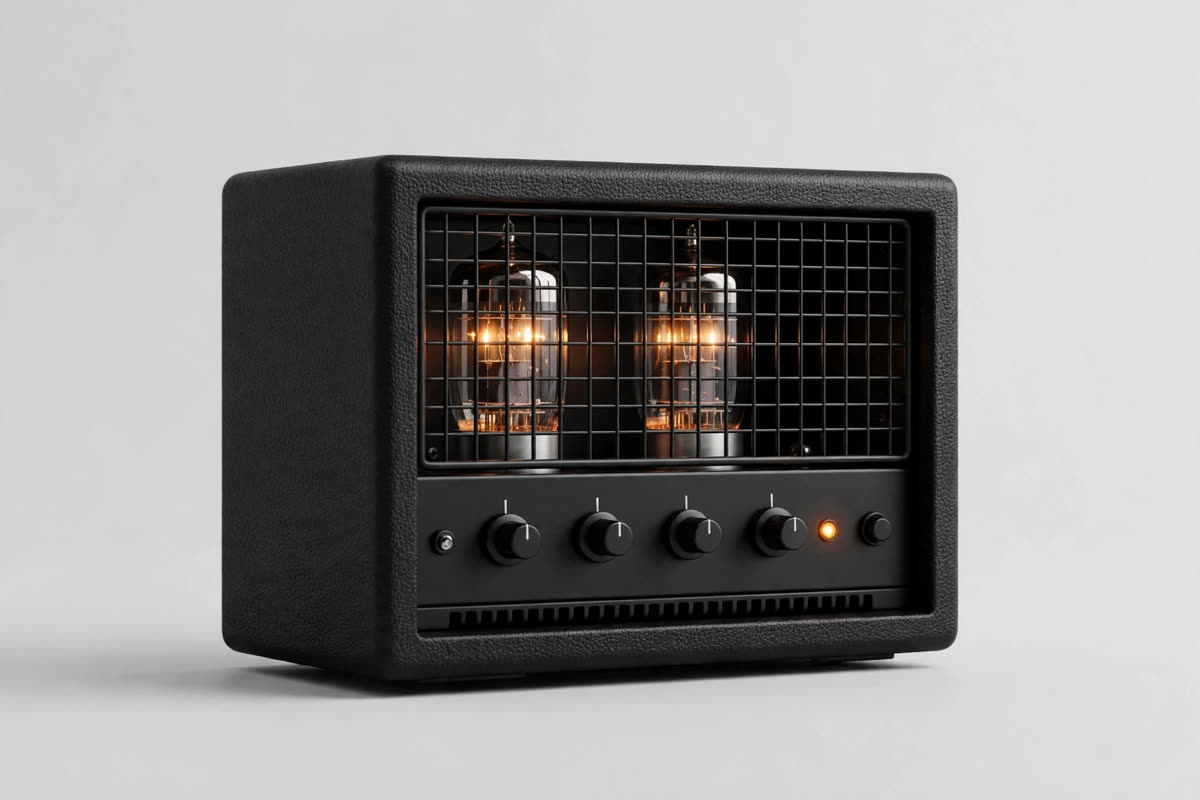
Mark Tremonti signature MT15 is a two channel lunchbox head that punches far above its 15 watt rating, powered by 6L6 tubes for a big, bold American voice. The lead channel offers five gain stages of thick, articulate high gain with tight low end, while the clean channel stays bright and chimey with a pull boost for old school crunch. A half power switch drops output to 7 watts, the effects loop is tube driven, and rear panel bias jacks make tube maintenance straightforward. It ships with a footswitch and an amp cover, which is generous at this size.
Hard rock and metal players who want maximum thump per pound should put this near the top of their list. Despite its size, owners consistently report that it sounds more like a 50 watt amp, easily keeping up in band rehearsals and small gigs. The clean channel is genuinely usable rather than an afterthought, making it a true two channel gigging amp in miniature, and it takes a boost in front beautifully for even tighter rhythm tones. For sheer output and authority, it is one of the loudest feeling amps among the best lunchbox amps.
There is no reverb and no direct or emulated output, so silent practice and direct recording need outside help. The shared global presence control means less per channel tone shaping than some rivals, and at nearly 18 pounds it is one of the heavier heads here. The Tremonti voicing leans modern and aggressive, so vintage purists may prefer a more classic flavored lunchbox, but modern players will find little to complain about.
- Best for: huge sounding modern rock and metal in a compact head
- Look for: the pull boost on the clean channel
- Keep in mind: no reverb or direct output, and it is relatively heavy
9. Peavey 6505 MH
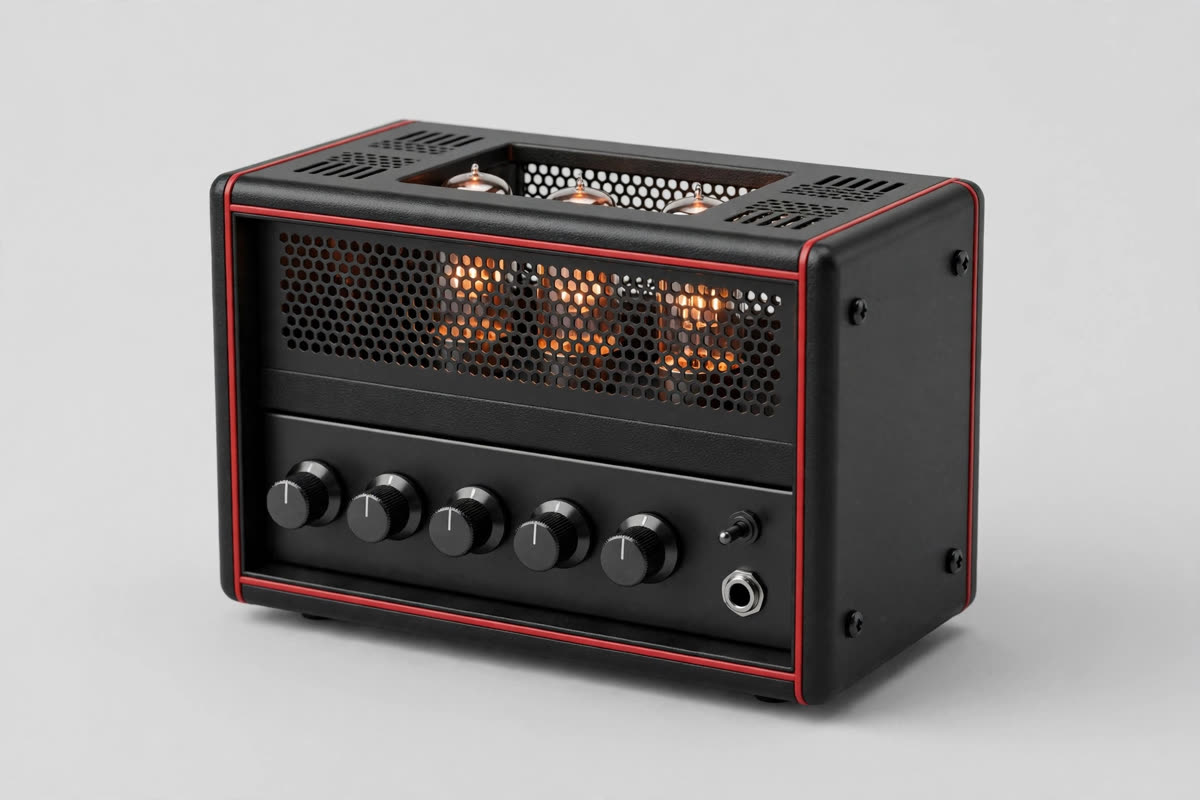
The Peavey 6505 MH squeezes the legendary 6505 gain structure into a 20 watt head loaded with modern features. Two footswitchable channels share a three band EQ, with footswitchable crunch on the rhythm channel, footswitchable reverb, and a buffered effects loop. The rear panel is a recording toolkit: MSDI mic simulated XLR direct output, USB recording output, headphone output with speaker defeat, and a power attenuator that switches between 20, 5, and 1 watts. T.S.I. tube status monitoring tells you at a glance whether your power tubes are healthy, a thoughtful touch for a working amp.
Budget conscious metal players get an enormous amount here: genuine 6505 lead channel aggression, silent recording options, and real tube feel at a price well below most rivals. It is a natural fit for home studios, where the USB and MSDI outputs let you track without a cab or a complicated interface chain, and the 1 watt mode keeps the power tubes working hard at low volume. The included two button footswitch covers channel and crunch duties out of the box, so you are gig ready from day one.
The shared EQ is a real compromise if you want very different rhythm and lead tones, and the digital reverb is serviceable rather than inspiring. Some players find the 6505 voicing needs a boost or an EQ pedal in front to tighten up modern low tunings, and the compact panel is dense with small controls that reward careful setup. It is built to a price, so do not expect boutique fit and finish, but the core tone is the real thing.
- Best for: legendary 6505 metal tone on a budget with full recording features
- Look for: the MSDI direct output and the power attenuator
- Keep in mind: shared EQ and a dense front panel
10. Blackstar HT-5RH
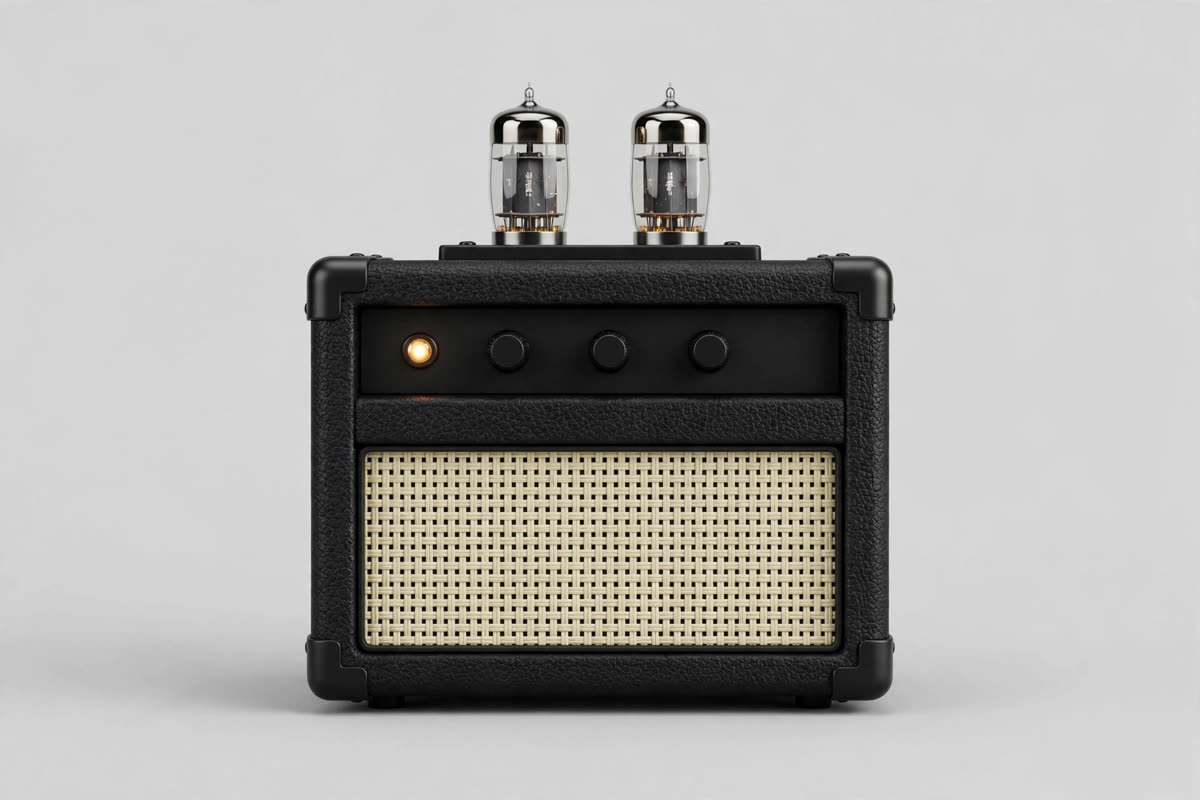
The Blackstar HT-5RH is a 5 watt tube head built around an ECC83 preamp and a 12BH7 power section in a unique push pull design that aims for big amp breakup at small amp volume. Two footswitchable channels cover clean and overdrive, the patented ISF control sweeps the tone stack from British to American character, and digital reverb adds depth to your sound. A speaker emulated output, effects loop, and MP3/line in make it a self contained practice and recording station, and it can drive anything from a 1×12 to a 4×12 cabinet.
Players who want maximum tonal variety from a single small head will like the ISF control, which genuinely changes the amp character rather than acting as a subtle tweak. It is ideal for late night practice through the emulated output or headphones, and for recording direct when miking a cabinet is not practical. The 5 watt output is the sweet spot for cranked tube tone at home without needing a power soak, and the clean channel takes pedals well if you prefer to build your gain from stompboxes.
Five watts is a hard ceiling: this amp will not gig unmiked, and the low headroom means cleans break up early if you push it. The digital reverb divides opinion among players, and those wanting a simple one knob tone may find the feature set fussy. It is a practice and studio specialist, and within that role it excels, which is why it earns its place among the best lunchbox amps for home players.
- Best for: cranked tube tone at home with British to American flexibility
- Look for: the ISF control to reshape the amp character
- Keep in mind: strictly a low volume amp
Final Pick
If we had to name one overall winner among the best lunchbox amps, the Orange Dual Terror takes it for proven all tube tone, genuine gig readiness, and a simplicity that never gets in the way of playing. It is the amp we would hand to a guitarist who wants great sound with zero fuss, and its power switching covers more real world situations than most rivals manage.
For modern recording workflows, the Revv G20 stands alone, with its built in reactive load and virtual cabinets removing the need for extra recording gear. Metal players on a budget should look hard at the Peavey 6505 MH, which delivers legendary high gain tone and a full set of direct recording tools for less than most of this list. Bedroom players and home recordists who want classic Marshall flavor at whisper volume will be happiest with the DSL1HR and its 0.1 watt mode.
The honest truth is that there is no single best lunchbox amp for everyone. Match the amp to your reality: your volume limits, your need for silent recording, your pedalboard, and the tones you actually play every day. Whichever of these ten you choose, you are getting a serious musical tool, not a toy. Explore more guitar gear roundups at DixTrick to keep building your perfect rig.
Frequently Asked Questions
What is a lunchbox amp?
A lunchbox amp is a compact, low to medium wattage guitar amplifier head, usually between 1 and 30 watts, built into a small portable chassis. The name comes from their size: many are roughly as big as a lunchbox and light enough to carry with one hand. Despite their size, the best lunchbox amps deliver genuine tube tone or high quality solid state tone that works for practice, recording, rehearsal, and even gigging with the right cabinet.
Are lunchbox amps loud enough to gig?
It depends on the wattage and the gig. Heads in the 15 to 30 watt range, like the Orange Dual Terror, EVH 5150III LBXII, PRS MT15, and Diezel VH-Micro, can handle rehearsals and small to medium gigs, especially when paired with an efficient cabinet or run through a PA. Lower wattage heads like the 1 watt Marshall DSL1HR or the 5 watt Blackstar HT-5RH are designed for home use and need miking or a direct output to work on stage.
Tube or solid state lunchbox amp: which is better?
Neither is universally better; they serve different needs. Tube lunchbox amps like the Dual Terror, G20, and Mini Rectifier 25 offer classic feel, natural compression, and harmonic richness that many players prefer. Solid state options like the Diezel VH-Micro and Bogner Ecstasy Mini are lighter, more affordable, require no tube maintenance, and can be astonishingly loud and tight for modern metal. Choose based on your tone goals and how much maintenance you want to deal with.
What size speaker cabinet should I pair with a lunchbox amp?
Most lunchbox amps sound best through a 1×12 or 2×12 cabinet, which balances portability with full low end response. A quality 1×12 is the classic match for home and studio use, while a 2×12 gives you more spread and volume for rehearsals and gigs. Always check the amp speaker impedance options and match them to your cabinet to avoid damage, especially with tube heads.
Do lunchbox amps need an effects loop?
An effects loop is valuable if you use delay, reverb, or modulation with a gained up amp, since it places those effects after the preamp distortion for a cleaner sound. Most amps on this list include one, including the Revv G20, EVH 5150III LBXII, MESA Mini Rectifier 25, PRS MT15, Peavey 6505 MH, and Blackstar HT-5RH. The Orange Dual Terror notably does not have one, so its owners run all pedals in front of the amp instead.
Can I record silently with a lunchbox amp?
Yes, several of the best lunchbox amps are built for silent recording. The Revv G20 leads the pack with its built in reactive load and virtual cabinets, engaging automatically when no speaker is connected. The Peavey 6505 MH offers USB and MSDI direct outputs, while the Marshall DSL1HR and Blackstar HT-5RH provide emulated line outputs for direct recording. Tube amps without these features can still be recorded silently with an external load box.
The Bottom Line
The best lunchbox amps prove that great guitar tone no longer requires a back breaking full stack. From the classic British crunch of the Orange Dual Terror to the silent recording brilliance of the Revv G20, from the tight modern aggression of the Diezel VH-Micro and PRS MT15 to the budget friendly metal of the Peavey 6505 MH, this list covers every kind of player. Decide how loud you need to be, whether silent recording matters to you, and which voicing fits your music, then pick the head that matches. Any of these ten will reward you with serious tone in a seriously small package.